Should You Pay Off Collections or Credit Cards First?
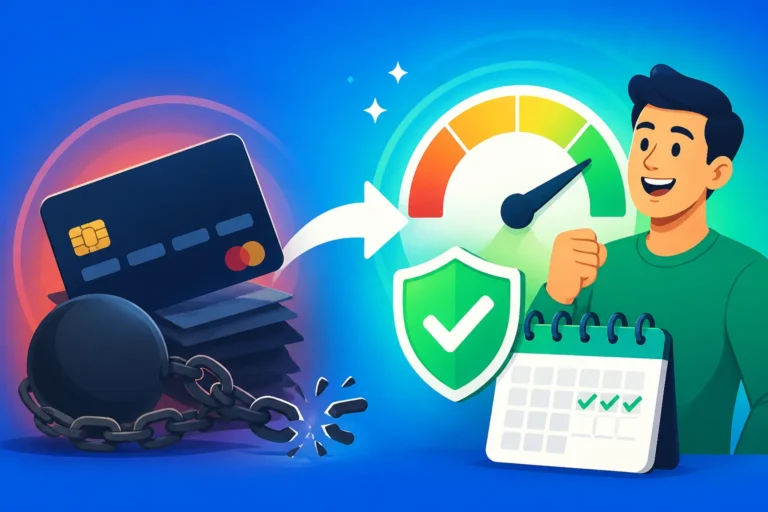
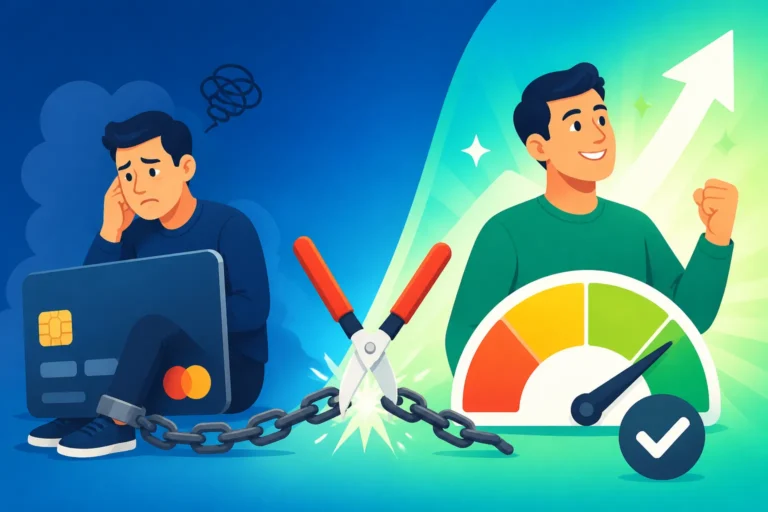
It’s a truly frustrating and often overwhelming situation when you're looking at your finances and see both outstanding credit card balances and collection accounts staring back at you. You know you need to address them, but the big question always looms: which one do you tackle first? This guide will dive deep into the complexities of both types of debt, helping you understand their impact and offering a clear path to prioritize your repayment efforts.
Understanding the Landscape of Your Debt
Before you can decide on a strategy, it's crucial to understand what kind of beast you're dealing with. Credit card debt and collection accounts, while both detrimental to your financial health, operate under different rules and carry distinct implications for your credit score and overall peace of mind. Many people feel paralyzed because they don't know where to even begin, and that's perfectly normal. Let's break down each one so you can feel more in control.
How Credit Card Debt Impacts Your Credit Score
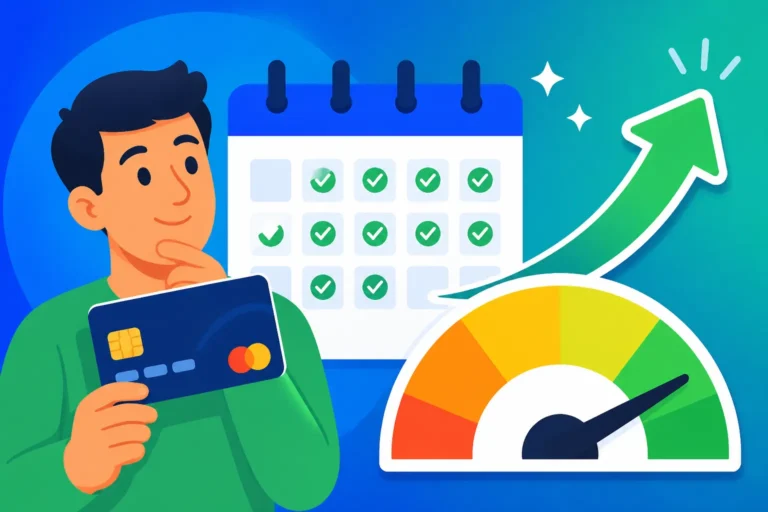
Credit card debt primarily affects your credit score through two major factors: payment history and credit utilization. These are the heavy hitters in your credit profile, carrying the most weight in FICO and VantageScore models.
Imagine you have a few credit cards, each with its own balance. Every month, the credit card companies report your account status to the three major credit bureaus: Equifax, Experian, and TransUnion. If you're consistently making payments on time, that’s fantastic news for your payment history, which accounts for a whopping 35% of your FICO score. However, if you miss a payment, even by a day or two, that can trigger a late payment mark that stays on your report for seven long years. A single late payment can cause a significant drop in your credit score, sometimes by dozens of points, especially if your credit history is otherwise stellar. The impact is immediate and can be quite jarring when you check your score next.
Then there's credit utilization, which makes up about 30% of your FICO score. This is basically how much of your available credit you're actually using. If you have a credit card with a $1,000 limit and a $900 balance, your utilization is 90% – that's considered very high. Lenders prefer to see utilization ratios below 30%, and ideally even lower, closer to 10% or less. High utilization signals to lenders that you might be over-reliant on credit, which can make you seem like a higher risk. Even if you're making all your payments on time, carrying high balances can severely depress your credit score. Many people find themselves in a cycle where they pay the minimum, the balance barely budges, and their credit score remains stagnant or even dips due to persistent high utilization. Learning How much of your credit limit should you use? is key to managing this aspect effectively.
How Collection Accounts Damage Your Credit Profile
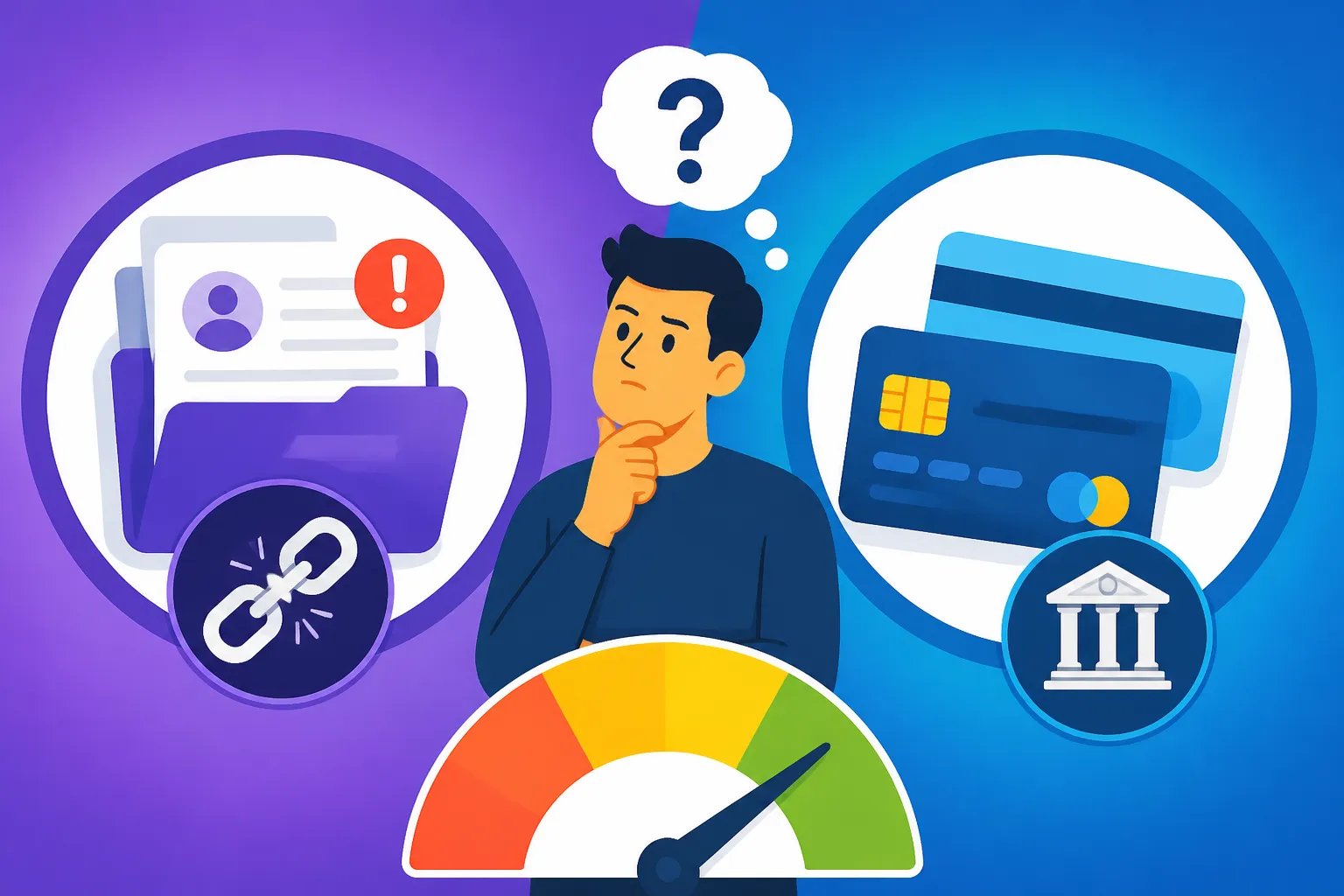
Collection accounts are a whole different beast. They represent a debt that was so delinquent with the original creditor that it was either charged off and sold to a third-party collection agency or placed with an agency for collection. Once a debt goes to collections, it becomes a severe negative mark on your credit report, arguably one of the worst things you can have.
Unlike a single late payment, a collection account signifies a prolonged failure to pay, and it immediately sends your credit score plummeting. It stays on your credit report for seven years from the date of your first missed payment with the original creditor (known as the Date of First Delinquency). This means even if you pay off the collection, the entry itself typically remains, just updated to reflect a zero balance. While a "paid collection" looks better than an "unpaid collection," the damage is still there. For instance, if you defaulted on an old medical bill that went to a collection agency like Midland Funding or Portfolio Recovery Associates, that entry signals a significant financial risk to potential lenders.
A collection account can make it incredibly difficult to get approved for new credit, loans, or even housing. Landlords often run credit checks, and seeing a collection account could be a red flag, leading to higher security deposits or outright denial. The presence of these accounts often results in higher interest rates on any credit you might manage to secure because lenders view you as a high-risk borrower. This kind of negative mark can be incredibly disheartening and can feel like a mountain to climb when you're trying to improve your financial standing. Understanding How to Remove Collections From Your Credit Report is a crucial step if you have these items.
The Financial Realities Beyond Your Score
While your credit score is undeniably important, the actual financial costs and pressures associated with credit card debt and collection accounts can differ significantly. It's not just about the numbers; it's about the cash flow, the stress, and the very real threat of legal action.
The Grinding Weight of Credit Card Interest Rates
Credit card interest is a relentless enemy, especially when you're only making minimum payments. Most credit cards carry high Annual Percentage Rates (APRs), often ranging from 15% to 29% or even higher for some store cards or those for people with lower credit scores. This interest accrues daily on your outstanding balance.
Consider this: if you have a $5,000 credit card balance with a 20% APR and you only pay the minimum each month, a significant portion of that payment goes straight to interest, barely touching the principal. You could end up paying thousands of dollars in interest over many years, effectively doubling the original cost of your purchases. It's like trying to bail out a leaky boat with a teacup – you're expending effort, but the water level isn't dropping much. This constant drain on your budget can make it feel impossible to get ahead, eating away at your available funds and preventing you from saving for emergencies or future goals. Learning How to Pay Off Credit Card Debt Fast often involves tackling these high-interest debts head-on.
Moreover, if you have multiple credit cards with varying interest rates, the lower-interest balances might feel more manageable, but the high-interest ones can quickly spiral out of control. It’s a constant battle to stay afloat, and the stress of watching your balance grow despite your payments is a common, agonizing experience.
Dealing with Debt Collectors and Potential Legal Action
Collection accounts bring a different kind of financial pressure: the direct, often aggressive, tactics of debt collectors. These agencies are in the business of recovering money, and they can be relentless. They might call you repeatedly, send letters, and generally make you feel hounded. While there are laws like the Fair Debt Collection Practices Act (FDCPA) that protect you from harassment, the calls can still be incredibly stressful and disruptive. If you're feeling overwhelmed, knowing How to Negotiate With Debt Collectors can be a powerful tool.
Beyond the constant contact, the most serious financial threat from a collection account is the potential for a lawsuit. If a debt collector decides the amount owed is substantial enough and they believe they can win, they might take you to court. If they obtain a judgment against you, they could be granted the right to garnish your wages, levy your bank accounts, or place liens on your property (depending on state laws). This is a far more severe consequence than simply paying high interest on a credit card; it directly impacts your ability to earn and keep your money.
The statute of limitations on debt varies by state, but within that timeframe, legal action is a real possibility. For example, in states like California or New York, the statute of limitations for credit card debt might be four or six years, respectively. If a collection agency decides to sue, it can add court fees and legal costs to the original debt, making the amount even larger. The specter of legal action can be incredibly frightening and underscores why addressing collection accounts can sometimes feel more urgent than high-interest credit card debt.
Crafting Your Debt Repayment Strategy
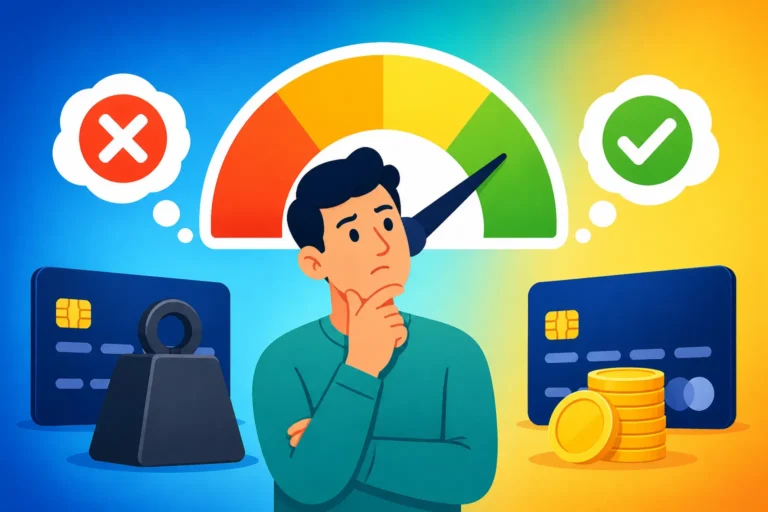
Deciding whether to pay off collections or credit cards first is not a simple choice; it often depends on the specifics of your situation. There isn't a universally "correct" answer, but rather a strategic approach tailored to your individual financial landscape.
Prioritizing High-Interest Credit Card Debt
For many, the most logical first step is to tackle high-interest credit card debt. This approach, often called the "debt avalanche" method, prioritizes saving money on interest in the long run. The math behind it is simple: the more interest you pay, the more expensive your debt becomes. By focusing on the card with the highest APR, you reduce the overall cost of your debt faster.
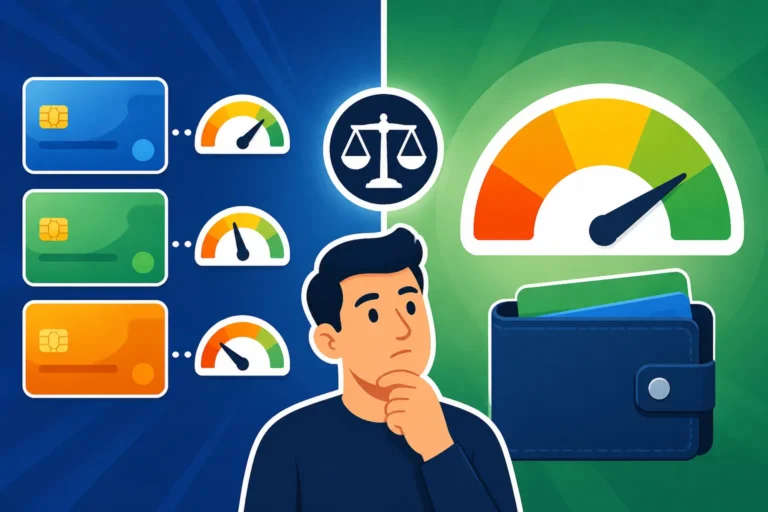
Let's say you have three credit cards: Card A with a $2,000 balance and a 25% APR, Card B with a $3,000 balance and a 18% APR, and Card C with a $1,500 balance and a 22% APR. In this scenario, you'd throw every extra dollar you have at Card A after making minimum payments on the others. Once Card A is paid off, you'd roll that payment amount into Card C (your next highest APR), and so on. This method can save you a substantial amount of money over time and allows you to become debt-free faster than if you only made minimum payments across the board. The feeling of seeing those high-interest balances drop can also provide a great motivational boost.
Another benefit of tackling credit card debt is its direct impact on your credit utilization. As you pay down balances, your utilization ratio improves, which can lead to a quicker increase in your credit score than paying off a collection account, which often remains on your report for its full seven-year term. For many, freeing up their monthly budget from crushing credit card interest is the ultimate goal.
Addressing Older vs. Newer Collection Accounts
When it comes to collection accounts, timing and age are crucial factors that can influence your strategy. Generally, newer collection accounts tend to have a more significant negative impact on your credit score than older ones. This is because the recency of negative information plays a role in credit scoring models.
If you have a collection account that's just a few months or a year old, addressing it sooner rather than later can mitigate ongoing damage. You might consider trying to negotiate a "pay-for-delete" agreement with the collection agency. While these agreements are not legally binding and not all agencies will agree, the idea is that in exchange for paying a negotiated amount (often less than the full balance), the agency agrees to remove the collection entry from your credit reports. This can be a game-changer for your credit score. If successful, it's one of the few ways to get a negative mark completely removed before its natural expiration.
On the other hand, if a collection account is already several years old (e.g., five or six years into its seven-year lifespan), its impact on your credit score has likely diminished. At this point, you might weigh the cost of paying it off against its remaining time on your report. For these older accounts, it might be more strategic to focus on high-interest credit card debt, especially if the collection is nearing its removal date and you don't anticipate needing new credit soon. It's also important to remember the statute of limitations on debt. If the debt is past this statute, the collector cannot legally sue you, though they can still attempt to collect. However, paying even a small amount on an old debt can "re-age" it, restarting the statute of limitations in some states, which is something you definitely want to avoid.
Considering the Debt Snowball vs. Debt Avalanche
When tackling multiple debts, two popular methods emerge: the debt snowball and the debt avalanche. Each has its merits, appealing to different psychological and financial preferences.
The debt avalanche method, which we touched on earlier, focuses on paying down debts with the highest interest rates first. You make minimum payments on all debts except for the one with the highest APR, at which you throw all your extra money. Once that debt is paid off, you take the money you were paying on it and apply it to the next highest APR debt. This method is mathematically the most efficient, saving you the most money in interest over time. It's ideal for those who are highly motivated by financial efficiency and can stick to a plan even if it takes a bit longer to see the first debt disappear. This approach is powerful for getting out of debt faster and reducing overall costs, especially for high-interest credit card debt.
The debt snowball method, championed by financial gurus like Dave Ramsey, prioritizes psychological wins. With this method, you pay off debts with the smallest balances first, regardless of their interest rate. You make minimum payments on all debts except the smallest one, attacking it with all available extra funds. Once the smallest debt is paid off, you "snowball" that payment into the next smallest debt, and so on. The theory here is that seeing quick wins (paying off entire debts) provides motivation to keep going. It builds momentum and can be incredibly effective for those who need that psychological boost to stay engaged in their debt repayment journey. While it might cost a bit more in interest than the avalanche method, the increased motivation can be priceless for some. Both are valid strategies for How to Pay Off Credit Card Debt Fast.
| Strategy | Primary Focus | Best For | Pros | Cons |
|---|---|---|---|---|
| Debt Avalanche | Highest Interest Rate | Saving Money | Mathematically most efficient, saves most money on interest. | Can take longer to see first debt paid off, potentially demotivating. |
| Debt Snowball | Smallest Balance | Psychological Momentum | Quick wins motivate continuation, builds strong habits. | May cost more in interest over time compared to avalanche. |
| Prioritize Collections (Newer) | Recent Negative Marks | Immediate Credit Repair | Removes severe recent negative mark, quicker credit score impact if pay-for-delete. | May involve lump sum payment, no guarantee of deletion. |
| Prioritize Collections (Older) | Legal Risk, Nearing Expiration | Risk Management | Prevents potential lawsuit, but less credit score impact if nearly expired. | Little credit score benefit if already near 7-year mark. |
Practical Steps to Take Right Now
Feeling ready to tackle your debt? Great! The next step is to get organized and create a concrete plan. This isn't just about deciding what to pay; it's about understanding your entire financial picture and setting yourself up for success.
Getting Organized and Assessing Your Debts
The very first thing you need to do is get a clear picture of all your debts. This means gathering statements for every credit card and collection account. Don't shy away from this step, even if it feels daunting. Knowledge is power.
Make a list that includes:
- Creditor Name: Who you owe the money to (original creditor for credit cards, collection agency for collections).
- Current Balance: The exact amount still owed.
- Interest Rate (APR): For credit cards, this is critical for the debt avalanche method.
- Minimum Payment: What you have to pay each month.
- Date of First Delinquency (DOFD): This is vital for collection accounts as it determines how long they remain on your credit report. You might need to call the collection agency or original creditor to confirm this.
- Statute of Limitations: Research this for your state, especially for collection accounts, to understand if the debt is still legally collectible in court.
Once you have this information, you can truly assess your situation. Are your credit card balances pushing your utilization sky-high? Are collection accounts relatively new or are they about to fall off your report? This comprehensive view will guide your decisions. Checking your credit report from sites like AnnualCreditReport.com for free can also help you ensure you have a complete list of all accounts. Looking at How to Read Your Credit Report can help you identify all reported debts.
Creating a Debt Repayment Plan
With your debts laid out, it's time to build your battle plan. This isn't just a mental exercise; you need to write it down.
First, identify how much extra money you can realistically put towards debt each month. This might require creating a detailed budget and finding areas to cut back. Even small amounts add up.
Next, choose your primary strategy:
- Focus on High-Interest Credit Cards: If your credit card APRs are eating you alive, prioritize them. Make minimum payments on everything else, and put all extra cash towards the card with the highest APR. This is often the best choice if you have significant balances on revolving credit.
- Target Newer Collections: If you have recent collection accounts and your credit card utilization isn't excessively high, negotiating a pay-for-delete could offer a faster credit score boost. Be cautious, get everything in writing, and consider professional advice if the debt is large.
- Address Accounts Nearing Statute of Limitations: If a collection is almost past its legal collectibility, you might choose to wait it out, especially if you have other, more pressing debts. However, be aware that calls and letters might continue.
Stick to your chosen plan with unwavering discipline. Remember, consistency is far more important than intensity in the long run. If you miss a payment, don't despair – just get back on track with the next one. For some, tools like a credit builder loan can also help, as these report positive payment history. Firms like Credit Strong offer products that can help establish a new, positive payment history.
Leveraging Credit Building Tools
Once you start making progress on your existing debts, or even as you plan your attack, it’s worth considering tools that can actively help rebuild your credit. This is where options beyond just paying off old debt come into play.
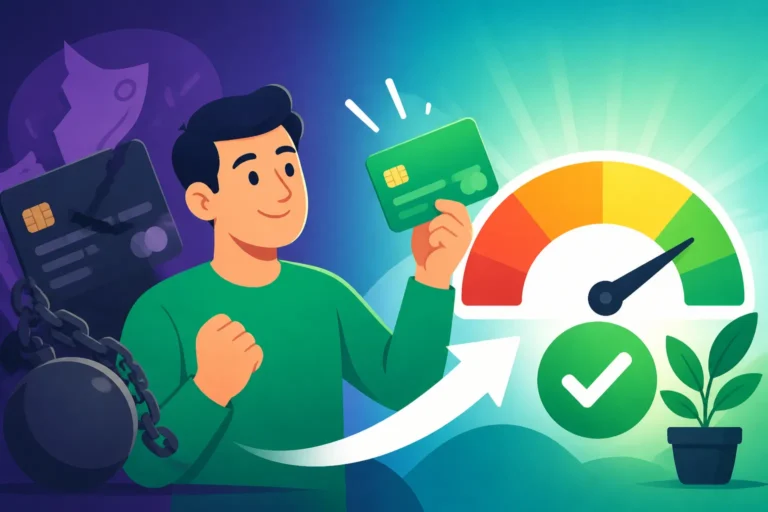
One effective strategy is to secure a Secured Credit Card. These cards require a cash deposit, which typically becomes your credit limit. Because the issuer has your deposit as collateral, they are more willing to approve applicants with damaged or limited credit. Using a secured card responsibly – making small purchases and paying the balance in full and on time every month – is a fantastic way to establish a positive payment history and improve your credit utilization. After several months of good behavior, many secured cards can even graduate to an unsecured version, returning your deposit.
Another powerful tool is a credit builder loan. These are specifically designed to help people establish or rebuild credit without needing a large initial deposit or a perfect credit history. With a credit builder loan, you make regular payments into a locked savings account, and once the loan term is complete, you receive the money. The payments you make are reported to the credit bureaus as a positive installment loan history. Companies like Credit Strong offer these types of loans, providing a structured way to build good credit habits and diversify your credit mix. It’s a proactive step to show lenders you are capable of responsible borrowing, even while you’re managing older debts. You can learn more about how they work in depth through guides like Credit Builder Loans Explained (Self, Kikoff & More).
Additionally, consider using services like Experian Boost or similar rent-reporting services. While these won't directly help with existing debt, they can add positive payment history from things you're already paying, like utilities and rent, to your credit report. This can provide a quick, albeit sometimes small, bump to your score. The key is to establish new, positive credit accounts and payment patterns to overshadow the negative marks on your report. The combination of aggressively paying down old debt and actively building new credit is a robust strategy for long-term financial health. Even a small credit builder loan from Credit Strong, for example, can start that positive reporting.
The Psychological Toll and Maintaining Momentum
Let's be real, dealing with debt is not just about numbers; it takes a serious psychological toll. The stress, the feeling of being trapped, the constant worry – it's all very real. Recognizing and managing this emotional weight is just as important as the financial strategy itself.
The Emotional Weight of Debt
Living with credit card debt and collection accounts can be incredibly draining. There's the anxiety that comes with seeing those balances, the dread of opening mail from collectors, and the shame some people feel about their financial situation. This emotional burden can lead to a sense of hopelessness, making it harder to even start addressing the problem. It often feels like you're constantly swimming against a strong current, never quite reaching the shore.
This stress isn't just mental; it can manifest physically, impacting sleep, concentration, and overall well-being. Many individuals isolate themselves, avoiding conversations about money because of embarrassment or fear of judgment. It’s a silent struggle for far too many. Understanding that these feelings are normal and that you’re not alone in this struggle is the first step toward overcoming them. Give yourself grace, acknowledge the difficulty, and remember that taking action, no matter how small, is a powerful antidote to feeling helpless. Even simply creating your debt list, as suggested earlier, can be a huge step towards regaining a sense of control.
Celebrating Small Victories and Staying Motivated
To combat the emotional weight and maintain momentum, it's absolutely crucial to celebrate your small victories along the way. Debt repayment is a marathon, not a sprint, and you need those little bursts of encouragement to keep pushing forward.
Did you pay off a credit card with a high balance? That's a huge win! Did you successfully negotiate a lower settlement with a collection agency? High five! Even sticking to your budget for an entire month or making an extra payment, however small, deserves recognition. These aren't just minor accomplishments; they are concrete steps on your path to financial freedom. Share your progress with a trusted friend, partner, or family member who can cheer you on. If you're using a credit builder account like those from Credit Strong, watching your payment history grow month after month is a victory in itself.
Setting realistic milestones, whether it's paying off your first small debt or achieving a certain credit score improvement, can help you visualize your progress. Instead of focusing solely on the intimidating final goal, break it down into manageable chunks. Each time you hit a milestone, you reinforce positive habits and build confidence. Remember, every dollar you put towards your debt is a dollar invested in your future self, and that's always something to celebrate. The journey is long, but each step forward is a testament to your resilience and commitment.
Final Considerations for Your Debt Strategy
Ultimately, the decision of whether to prioritize paying off collections or credit cards first is deeply personal and depends heavily on your specific circumstances, risk tolerance, and financial goals. There's no single magic bullet, but rather a thoughtful evaluation of your situation.
If your credit card balances are extremely high and carrying punitive interest rates, tackling them first can save you substantial money and quickly improve your credit utilization, which is a major factor in your credit score. Reducing those revolving balances can feel like shedding a heavy burden.
On the other hand, if you have very recent collection accounts that are severely dragging down your score, especially if you can negotiate a pay-for-delete, addressing them might provide a more immediate and significant credit score boost. The threat of legal action from an active, unpaid collection is also a powerful motivator to address it sooner.
Sometimes, a hybrid approach might be best. You might dedicate a portion of your extra funds to the highest-interest credit card while also setting aside a smaller amount to settle an older collection that’s causing you undue stress. The key is to be intentional and consistent with whatever strategy you choose. Don't let indecision lead to inaction. Start somewhere, stay focused, and celebrate your progress.
Disclaimer
The information provided in this article is for general informational purposes only and does not constitute financial, legal, or credit advice. It is essential to consult with a qualified financial advisor, credit counselor, or legal professional for advice tailored to your specific situation. Debt laws and credit scoring models can be complex and vary by individual circumstances and location.