How Many Accounts Do You Need to Build Credit?
It’s a common frustration, isn't it? You’re trying your best to navigate the complex world of credit, and everywhere you look, there’s conflicting advice about how many credit accounts you "should" have. Some people swear by having just one, while others seem to juggle a dozen cards without breaking a sweat. If you’ve ever felt overwhelmed trying to figure out the magic number of accounts needed to build a strong credit history, you're absolutely not alone. This guide is here to cut through the confusion and give you a clear, realistic roadmap for how many accounts you need to build credit effectively and responsibly.
The Myth of More Accounts Equaling Better Credit
Let's debunk one of the biggest myths right off the bat: simply opening more credit accounts doesn't automatically mean you'll have better credit. If only it were that easy! Many folks get caught in this trap, thinking that if one credit card is good for their score, five must be phenomenal. Unfortunately, that's not how it works, and this mindset can often lead to more harm than good, especially when you're just starting out or actively trying to improve your credit.
Quality Over Quantity: Why Your Habits Matter More
When it comes to building a robust credit profile, the emphasis is always on quality and consistent, responsible behavior, not sheer volume. Imagine you have a single credit card, and you use it regularly for small purchases, paying the balance in full every single month. That one account, managed perfectly, will do wonders for your credit score over time. It demonstrates reliability and financial discipline.
Now, compare that to someone who has five credit cards, but frequently misses payments, carries high balances, or struggles to keep track of due dates. Even with five accounts, their credit score will likely be in the dumps because their management habits are poor. Lenders and credit bureaus are looking for stability and trustworthiness. One strong, positive account history speaks volumes more than multiple shaky ones. It's about showing you can handle credit, not just that you have it.
What Credit Bureaus Really Look For
Credit scoring models, like FICO and VantageScore, are complex beasts, but they boil down to a few key factors that every lender cares about. The big three credit bureaus – Equifax, Experian, and TransUnion – collect this information, and the scores are calculated based on how well you manage these elements. Your payment history is king, accounting for a massive 35% of your FICO score. This means whether you pay your bills on time, every time, is paramount.
After that, your credit utilization — the amount of credit you're using compared to your total available credit — comes in second, making up 30%. Length of credit history (how long your accounts have been open) is 15%, new credit (how often you apply for new accounts) is 10%, and your credit mix (having different types of credit, like revolving and installment) makes up the remaining 10%. As you can see, simply opening a bunch of accounts to boost your "credit mix" won't do much if your payment history and utilization are suffering.
The Ideal Number of Credit Accounts for Healthy Credit Building
So, if more isn't necessarily better, what is the ideal number? This is where it gets a little nuanced, as there's no universal magic number that applies to everyone. However, for most people looking to build a solid credit foundation, a sweet spot generally emerges: aim for having two to three active credit accounts. This allows you to demonstrate responsible credit management across different types of credit without overextending yourself.
Starting Out: One Secured Card or Credit Builder Loan
When you're first dipping your toes into the credit world, or if you're rebuilding after a rough patch, the best approach is to start small and focus on one strong, manageable account. A secured credit card is an excellent way to begin. You put down a deposit, which often becomes your credit limit, and then use the card like any other credit card. Because your deposit secures it, these cards are much easier to qualify for, even with no credit history. Consistent, on-time payments on a secured card will report to the credit bureaus and start building that positive payment history. You can learn more about how to get your first credit card with no credit in our detailed guide.
Another fantastic starting point is a credit builder loan. These are specifically designed to help you establish credit. Instead of getting the money upfront, you make payments into a locked savings account, and once the loan is paid off, you get access to the funds. Companies like Credit Strong are well-known for offering these types of loans, and they report your payments to the major credit bureaus, helping you build positive credit history while also saving money. It's a win-win!
Gradually Expanding: Adding a Second or Third Account
Once you've managed your first account responsibly for at least 6-12 months, and you feel comfortable, then it might be time to consider adding a second or even a third account. The key here is gradual expansion and purposeful diversification. Don't just open a new card because you received an offer in the mail. Think strategically.
For instance, if you started with a secured credit card, your next step could be an unsecured credit card with a low limit, perhaps one designed for those with fair credit. Or, if you began with a credit builder loan, maybe a secured credit card would be a good addition to introduce a revolving credit line into your mix. The goal is to show lenders you can handle different types of credit responsibly.
The "Sweet Spot" for Most People
For the average consumer, maintaining two to three credit accounts often hits that sweet spot. This could look like:
- One credit card (revolving credit): This could be a traditional unsecured card or even a secured one you've responsibly managed for a while. This teaches you how to manage monthly payments and credit utilization.
- One installment loan (like a personal loan, auto loan, or student loan): This shows you can handle fixed payments over a set period. A credit builder loan, especially from providers like Credit Strong, fits perfectly here for those who don't need a traditional loan right away.
- Potentially a second credit card or becoming an authorized user: If you're an authorized user on someone else's well-managed card, it can also contribute positively to your credit history, assuming they pay on time and keep utilization low. You can dive deeper into the benefits and risks of being an authorized user.
This mix typically provides enough data points for credit bureaus to generate a robust score, demonstrating your ability to manage both revolving debt (credit cards) and installment debt (loans). Plus, it keeps your overall credit utilization lower if you're using each card sparingly.
Here's a quick look at the impact of different numbers of accounts:
| Number of Accounts | Typical Impact on Credit Building | Best For | Potential Downsides |
|---|---|---|---|
| 0 Accounts | No credit history established. | None | Cannot build credit. |
| 1 Account | Slow but steady credit building. | Beginners, those rebuilding credit. | Limited credit mix, slower score growth. |
| 2-3 Accounts | Robust and effective credit building. | Most consumers, aiming for good to excellent credit. | Requires careful management to avoid debt. |
| 4-5 Accounts | Can be beneficial if well-managed. | Experienced credit users with high credit limits. | Higher risk of overspending, more hard inquiries. |
| 6+ Accounts | High risk, difficult to manage. | Very advanced users, potential for debt. | Significant risk of missed payments, high utilization. |
Types of Accounts That Help Build Credit
Understanding the different types of credit accounts available is crucial, as the "mix" of credit types plays a small but notable role in your credit score. Having a good variety shows you can handle different financial responsibilities.
Revolving Credit Accounts: Credit Cards
Credit cards are the most common type of revolving credit. With these, you have a credit limit, and you can borrow up to that limit, pay it back, and then borrow again. The amount you owe changes month to month.
- Secured Credit Cards: As mentioned, these are excellent for beginners or those with poor credit. You provide a cash deposit that acts as collateral, which usually becomes your credit limit. This significantly reduces the risk for lenders, making them easier to obtain. The key is to use them responsibly and pay on time. The Discover it Secured Card and Capital One Platinum Secured Card are popular options for this.
- Unsecured Credit Cards: These are traditional credit cards that don't require a deposit. You get approved based on your creditworthiness. As your credit improves, you'll become eligible for better cards with higher limits and rewards.
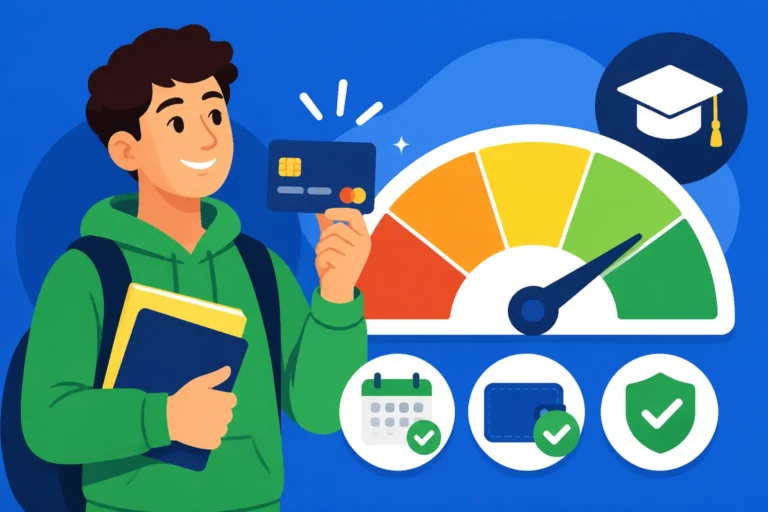
- Student Credit Cards: Designed for college students, these often have lower limits and more lenient approval criteria. They're a great way for young adults to start building credit early.
The most important thing with credit cards is to keep your credit utilization low – ideally below 30% of your total available credit – and pay your full statement balance on time every month. This is how to use a credit card to build and keep good credit.
Installment Loans: Showing Consistent Payments
Installment loans are different from revolving credit because you borrow a set amount of money and repay it over a fixed period with regular, equal payments.
- Credit Builder Loans: These are purpose-built for credit building. You don't get the money upfront. Instead, you make regular payments into a locked savings account or certificate of deposit (CD) for a set term. Once you've paid off the loan, you get access to the funds. This structure ensures you're making on-time payments, which are reported to the credit bureaus. Credit Strong offers various credit builder loan options that can be a fantastic tool for establishing a positive payment history and diversifying your credit mix. Their loans are designed to report to all three major credit bureaus, maximizing their impact. Our guide on credit builder loans explained (Self, Kikoff & More) has more details.
- Personal Loans: If you need to borrow money for a specific purpose (like home improvements or debt consolidation), a personal loan can also help build credit. Just be sure you can comfortably afford the monthly payments.
- Auto Loans or Mortgages: These are significant installment loans that, when paid responsibly, can dramatically boost your credit score. However, they're typically only accessible once you've already established a decent credit history.
- Student Loans: While often necessary for education, student loans are also installment loans. Managing them responsibly by making on-time payments contributes positively to your credit file.
Having a mix of these — perhaps a credit card and an installment loan — shows lenders you can handle different forms of debt, which can positively impact your credit mix factor.
The Role of an Authorized User
Becoming an authorized user on someone else's credit card is another pathway to building credit, especially if you're struggling to get approved for your own accounts. When you're added as an authorized user, the primary cardholder's account history (including their positive payment history and low credit utilization) can appear on your credit report. This can give your credit score a healthy bump without you needing to take on any debt directly.
However, this strategy comes with a caveat: the primary cardholder must be responsible. If they miss payments or max out the card, it could negatively affect your credit score too. Always ensure you trust the primary cardholder and that they have excellent credit habits.
Avoiding Too Many Accounts and Common Pitfalls
While a few accounts are good, more isn't always better. Opening too many accounts too quickly, or failing to manage them properly, can seriously undermine your efforts to build credit.
The Dangers of Opening Too Many Accounts Too Quickly
There are several reasons why having too many credit accounts can be detrimental:
- Too Many Hard Inquiries: Every time you apply for a new credit card or loan, a "hard inquiry" is typically placed on your credit report. These inquiries can cause a small, temporary dip in your credit score, usually lasting a few months. A scattering of hard inquiries over a short period suggests to lenders that you might be desperate for credit or taking on too much risk, making you appear less creditworthy. Our article on how to remove hard inquiries from your credit report might be helpful if you have too many.
- Lower Average Age of Accounts: The length of your credit history is an important factor in your credit score. When you open a new account, it effectively lowers the average age of all your accounts, which can slightly reduce your score. For instance, if you have one card for 5 years and open a new one, your average age becomes 2.5 years.
- Increased Risk of Debt: This is perhaps the most significant danger. The more credit you have available, the easier it is to fall into the trap of overspending. Even if you have the best intentions, unexpected life events or simply the temptation of easily accessible credit can lead to accumulating debt, which then makes it harder to pay on time and keep utilization low.
- Higher Credit Utilization (if not managed well): While more credit limits can lower your utilization ratio if you don't use the new credit, it also gives you more opportunity to spend. If you carry balances on multiple cards, your overall credit utilization can quickly skyrocket, hurting your score. For comprehensive guidance on this, check out our complete guide to credit utilization.
Managing Existing Accounts Responsibly
Ultimately, the number of accounts matters far less than how you manage them. Whether you have two accounts or five, responsible management means:
- Paying on Time, Every Time: This is non-negotiable. Even one late payment can significantly damage your credit score. If you struggle with remembering due dates, set up automatic payments or reminders.
- Keeping Credit Utilization Low: Aim to use no more than 30% of your available credit on any single card, and ideally, across all your cards combined. Lower is always better; many experts recommend under 10%.
- Regularly Checking Your Credit Report: Errors happen. By checking your credit report at least once a year, you can spot inaccuracies or fraudulent activity that could be hurting your score. You can learn how to get your free credit report. If you find errors, knowing how to dispute credit report errors is vital.
- Not Closing Old Accounts Unnecessarily: Closing an old credit card, especially one with a good history, can actually hurt your credit by reducing your total available credit (thus increasing your utilization) and shortening your average age of accounts.
Building credit is a marathon, not a sprint. It takes time, patience, and consistent good habits. Focus on establishing a strong foundation with a few well-managed accounts, and your credit score will steadily grow. For a broader understanding of the process, our article on how long does it take to build credit might be a great next read.
Disclaimer
Please remember, the information provided in this guide is for educational purposes only and should not be considered financial or legal advice. Everyone's financial situation is unique, and it's always a good idea to consult with a qualified financial advisor for personalized guidance. While we strive to provide accurate and up-to-date information, credit laws and practices can change.