Best Way to Build Credit With a Secured Card
It's incredibly frustrating when you're trying to establish good credit, but every traditional credit card application seems to hit a brick wall, especially if you have no credit history or a few bumps in the past. This feeling of being stuck in a "no credit, no card; no card, no credit" loop is all too common. Thankfully, there's a reliable pathway out: secured credit cards. This guide will walk you through the very best strategies for using a secured card to build a robust credit history, opening doors to better financial opportunities.
Understanding the Foundation: What is a Secured Credit Card?
Let's start with the basics. A secured credit card is designed specifically for people who are just beginning their credit journey or are looking to rebuild their credit after some challenges. It works much like a regular credit card in terms of reporting to the credit bureaus, but with one key difference that makes it accessible to more people: it requires a security deposit.
How the Security Deposit Works
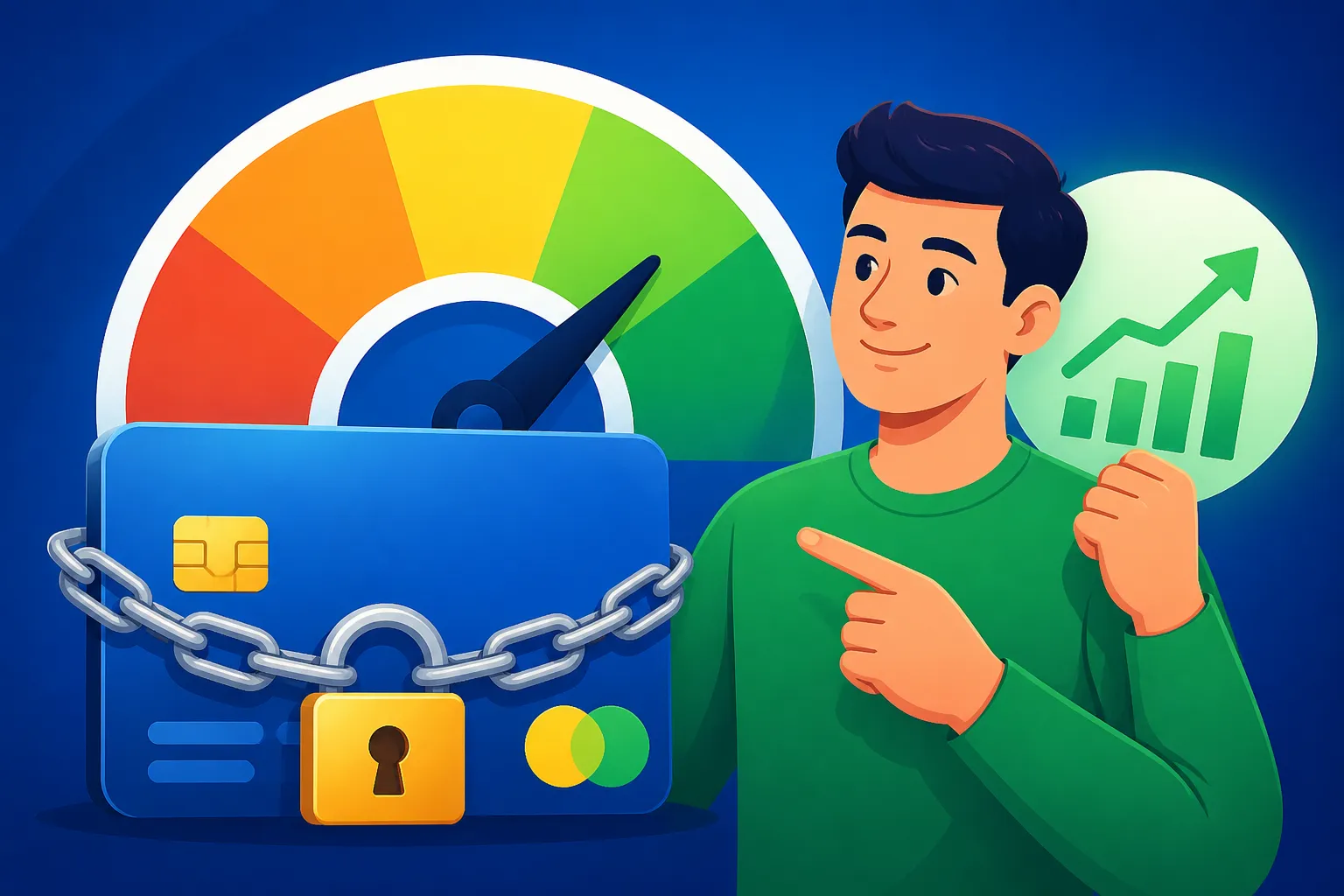
When you apply for a secured credit card, you'll be asked to provide a cash deposit. This isn't a fee; it's collateral. Typically, this deposit becomes your credit limit. So, if you deposit $300, your credit limit on that card will be $300. This deposit minimizes the risk for the card issuer, making them more willing to approve applicants who might not qualify for an unsecured card. It's like having training wheels for your credit. You're demonstrating to the lender that you're serious about managing credit responsibly because you have a tangible asset backing your spending. Think of it as your own money being held in trust, ready to cover any defaults, which means the bank is taking very little risk on you.
The Key Difference from Unsecured Cards
The fundamental distinction lies with that security deposit. An unsecured credit card, which is what most people think of when they hear "credit card," doesn't require any collateral. Your credit limit on an unsecured card is based entirely on your creditworthiness – your credit history, income, and debt-to-income ratio. If you have no credit or poor credit, lenders see you as a higher risk, making it hard to get approved for an unsecured card. Secured cards bridge this gap. While you use it for everyday purchases just like any other credit card and make monthly payments, that deposit sits in an account, untouched unless you default on your payments. Once you manage the card responsibly and eventually close the account in good standing or graduate to an unsecured card, that deposit is typically refunded to you.
Why Secured Cards Are a Powerful Tool for Building Credit
Secured credit cards aren't just a last resort; they are a strategic choice for credit building. They offer a clear and effective path to establish a positive payment history and credit profile, which are crucial components of a strong credit score.
Accessibility for Beginners and Those with Past Issues
One of the biggest advantages of secured cards is their accessibility. Many people, especially young adults just starting out or immigrants new to the financial system, find themselves in a "thin credit file" situation, meaning they simply don't have enough credit history for lenders to evaluate. Similarly, individuals who have faced financial difficulties like bankruptcy or collections might struggle to get approved for traditional credit. Secured cards often have much lower approval requirements because of the security deposit, making them an ideal starting point. This means you can get your foot in the door and begin creating a positive credit track record without facing constant rejections. It's a chance to prove your financial responsibility, regardless of your past or lack thereof.
How They Report to the Credit Bureaus
This is where the real magic happens. A secured credit card reports your payment activity to the major credit bureaus – Equifax, Experian, and TransUnion – just like an unsecured card does. Every on-time payment, your credit utilization, and the age of your account all contribute to your credit report and, subsequently, your credit score. This consistent reporting is the backbone of building credit. Over time, as you consistently make on-time payments and keep your credit utilization low, these positive actions will reflect on your credit report, steadily improving your score. It’s not just about getting the card; it’s about using it wisely to generate that positive data flow to the bureaus. For a deeper dive into how your credit score is calculated, check out our guide on "How Credit Scores Work: The Complete Guide".
Choosing the Right Secured Card for Your Journey
Not all secured cards are created equal. To maximize your credit-building efforts, it's crucial to select a card that aligns with your financial goals and doesn't hinder your progress with excessive fees or poor reporting practices.
Factors Like Annual Fees and Interest Rates
While the primary goal of a secured card is to build credit, you still want to be mindful of its costs.
- Annual Fees: Some secured cards charge an annual fee, which can range from $25 to $50 or more. Ideally, look for a secured card with no annual fee. Every dollar saved on fees is a dollar you can use to pay down your balance or save. If you absolutely must choose a card with an annual fee, make sure the benefits (like a clear upgrade path or excellent reporting) justify the cost.
- Interest Rates: Secured cards generally have higher Annual Percentage Rates (APRs) than many unsecured cards. However, if you plan to pay your balance in full every month (which you absolutely should!), the interest rate won't matter much because you won't incur interest charges. If you anticipate carrying a balance even occasionally, a lower APR can save you money, but the best strategy is always to avoid interest entirely.
Here's a quick comparison of what to look for:
| Feature | Ideal Choice | Acceptable (if necessary) | Avoid (if possible) |
|---|---|---|---|
| Annual Fee | $0 | Low ($25-$39) | High (>$40) |
| Reports to all 3 Bureaus | Yes, consistently | Yes, but check reputation | No, or inconsistently |
| Upgrade/Graduation Path | Clear path to unsecured card | Possible but not guaranteed | No path offered |
| Security Deposit | Flexible, low minimum ($200-$300) | Higher minimum ($500+) | Very high minimum ($1000+) |
| Credit Utilization Rule | Encourages low utilization | Basic reporting | No clear guidelines |
| Credit Limit | Matches deposit, can increase | Matches deposit | No option for limit increase |
Looking for Upgrade Paths and "Graduation" Programs
A fantastic feature to seek out in a secured card is a clear "graduation" program or upgrade path to an unsecured card. Some issuers will automatically review your account after a certain period (e.g., 7-12 months) of responsible use. If you've consistently made on-time payments and kept your utilization low, they might transition you to an unsecured version of the card, returning your security deposit in the process. This is a sign of a card issuer committed to helping you grow. This transition not only frees up your deposit but also often comes with a higher credit limit, further boosting your credit utilization ratio. This is a significant milestone in your credit-building journey, so ask about these programs when researching cards. Knowing when and how your card might transition can help you plan your next steps, such as exploring "When Should You Upgrade From a Secured Card?"
Mastering the Art of Using Your Secured Card Wisely
Simply having a secured card isn't enough; it's how you use it that truly makes a difference in your credit score. Responsible usage is the cornerstone of effective credit building.
Maintaining Low Credit Utilization
This is perhaps the most critical factor after making on-time payments. Credit utilization refers to how much of your available credit you're using. For example, if you have a $300 credit limit and your current balance is $30, your utilization is 10% ($30/$300). Experts generally recommend keeping your credit utilization below 30%, but for optimal credit building, aiming for 10% or even lower is ideal. Why? Because high utilization signals to lenders that you might be over-reliant on credit, which can be a red flag. Consistently keeping your utilization low shows you're managing your credit well and not maxing out your available credit. This practice demonstrates financial discipline and significantly impacts your FICO Score. If you’re curious about specific thresholds, you might want to read "What Does 10% Credit Utilization Do to Your Score?"
Let's imagine you have a secured card with a $200 limit. If you spend $150 on it and the statement closes, your utilization is 75%, which is very high. This can actually hurt your score. Instead, try to keep your spending to $20-$40 per month and pay it off completely before the statement closing date. This way, the credit bureaus report a low or even zero balance, which is excellent for your score.
The Absolute Importance of On-Time Payments
Missing a payment is one of the quickest ways to damage your credit score. Your payment history accounts for 35% of your FICO score, making it the most influential factor. With a secured card, your goal is to establish a flawless record of on-time payments.
- Set Up Reminders: Whether it's calendar alerts, email notifications, or automatic payments (if you're comfortable with them), make sure you never miss a due date.
- Pay at Least the Minimum: While paying in full is the ultimate goal, always pay at least the minimum amount due by the due date. A late payment, especially if it's 30 days or more overdue, can stay on your credit report for up to seven years and cause a significant drop in your score.
- Consistency is Key: Building credit is a marathon, not a sprint. Consistently paying on time month after month builds a strong foundation of trust with lenders.
The Power of Paying in Full Every Month
While paying at least the minimum is crucial to avoid late fees and credit damage, paying your entire statement balance in full every single month is the best strategy.
- Avoids Interest: Credit card interest can quickly spiral, turning a small purchase into a much larger debt. Paying in full means you pay exactly what you spent, saving you money.
- Keeps Utilization Low: When you pay your balance in full before the statement closing date, the amount reported to the credit bureaus is often very low, sometimes even $0. This is fantastic for your credit utilization ratio, portraying you as a responsible borrower who doesn't carry debt.
- Faster Progress: By eliminating interest and maintaining low utilization, you accelerate your credit-building journey. You're demonstrating perfect credit behavior, which is exactly what lenders want to see.
This disciplined approach allows the secured card to effectively serve its purpose: a tool to build a strong, positive payment history that will lay the groundwork for a truly excellent credit score.
Beyond the Secured Card: What Comes Next?
Once you've diligently used your secured card for several months (usually 6-12 months, sometimes longer), you should start seeing positive changes in your credit score. This is an exciting time, as it means you're ready for the next steps in your credit journey.
Transitioning to an Unsecured Card
As mentioned earlier, some secured cards offer a "graduation" path. If your card has this feature and you've managed it well, the issuer might automatically upgrade you to an unsecured version of the card. This means your security deposit will be returned, and you'll have a regular credit card. Even if your current card doesn't have a graduation program, your improved credit score will make you eligible for entry-level unsecured credit cards.
- Apply Strategically: Don't apply for too many cards at once, as each application results in a hard inquiry, which can temporarily ding your score.
- Look for Starter Cards: Many banks offer unsecured cards designed for people with fair credit, often with no annual fee.
- Keep Your Old Card: If you graduate to an unsecured card, it's generally a good idea to keep your secured card account open, especially if it has no annual fee. The longer your credit accounts are open, the better your "average age of accounts" — another factor in your credit score. For more detailed advice, consider reading "How to Build Credit From Scratch (2026 Guide)".
Diversifying Your Credit Profile
While credit cards are excellent for building credit, a healthy credit profile often includes a mix of different types of credit, known as credit mix. This can include installment loans (like a car loan or student loan) and revolving credit (credit cards). This doesn't mean you should take on debt you don't need, but if you're already considering a loan for a necessary purchase, it can contribute positively to your credit mix over time.
Additionally, other credit-building products exist that can complement your secured card strategy. For example, credit builder loans, offered by institutions like Credit Strong, allow you to make small payments over time, which are reported to the credit bureaus, and you receive the loan funds at the end of the term. This is another way to demonstrate responsible payment behavior and diversify your credit mix without necessarily taking on new debt for consumption. While a secured card focuses on revolving credit, a credit builder loan focuses on installment credit, giving you two different positive reporting accounts.
Potential Pitfalls and How to Steer Clear
Even with the best intentions, it's easy to fall into common traps that can hinder your credit-building progress. Being aware of these pitfalls will help you navigate your journey successfully.
The Danger of Maxing Out Your Limit
One of the biggest mistakes people make with a secured card (or any credit card, for that matter) is maxing out its credit limit. Because secured cards often have low limits (e.g., $200-$500), it's easy to hit that limit with just a few purchases. As we discussed with credit utilization, using a high percentage of your available credit signals increased risk to lenders and will almost certainly lower your credit score. Even if you pay it off in full, if your statement closes with a high balance, that's what gets reported. Always aim to keep your reported balance well below 30% of your limit, ideally under 10%. If your limit is $300, try not to let your balance go above $30-$90 by the time your statement closes.
Ignoring Your Statement Due Date
We touched on this earlier, but it's worth reiterating: late payments are catastrophic for your credit score. A single payment that is 30 days or more past due can cause your score to plummet significantly, and the negative mark can stay on your report for up to seven years. This negates all the positive work you're trying to do. Set up automatic payments for at least the minimum amount or use multiple reminders to ensure you never miss a payment. Even if you only have a few dollars left on the card, make sure that payment is made on time.
Closing the Card Prematurely
Once you've successfully built credit with your secured card and perhaps even graduated to an unsecured one, you might be tempted to close the secured account. However, this isn't always the best move, especially if it's your oldest account. Closing an old account can shorten your "average age of accounts" and reduce your total available credit, which can both negatively impact your credit score.
- Keep it Open if No Annual Fee: If your secured card has no annual fee, there's little reason to close it once you've proven its effectiveness. Keep it open, use it for a small, recurring charge (like a streaming service), and set it to autopay in full. This keeps the account active, contributing positively to your credit history without much effort.
- Consider Closing if High Annual Fee: The only time closing a secured card makes sense is if it has a high annual fee that you can no longer justify, and you have other established credit accounts. Even then, weigh the potential impact on your average account age. Remember, the goal is long-term credit health, and closing accounts can sometimes disrupt that progress. Understanding "How Long Does It Take to Build Credit?" can give you perspective on why account age matters.
Building credit with a secured card is a proven, effective method. By understanding how these cards work, choosing the right one, and using it strategically and responsibly, you can transform your credit profile and open up a world of financial opportunities.
Disclaimer
This article is for general informational purposes only and does not constitute professional advice. Laws, prices and regulations vary by location and change over time. Consult a qualified professional for guidance on your specific situation.