Secured vs Unsecured Credit Cards: Which to Get?
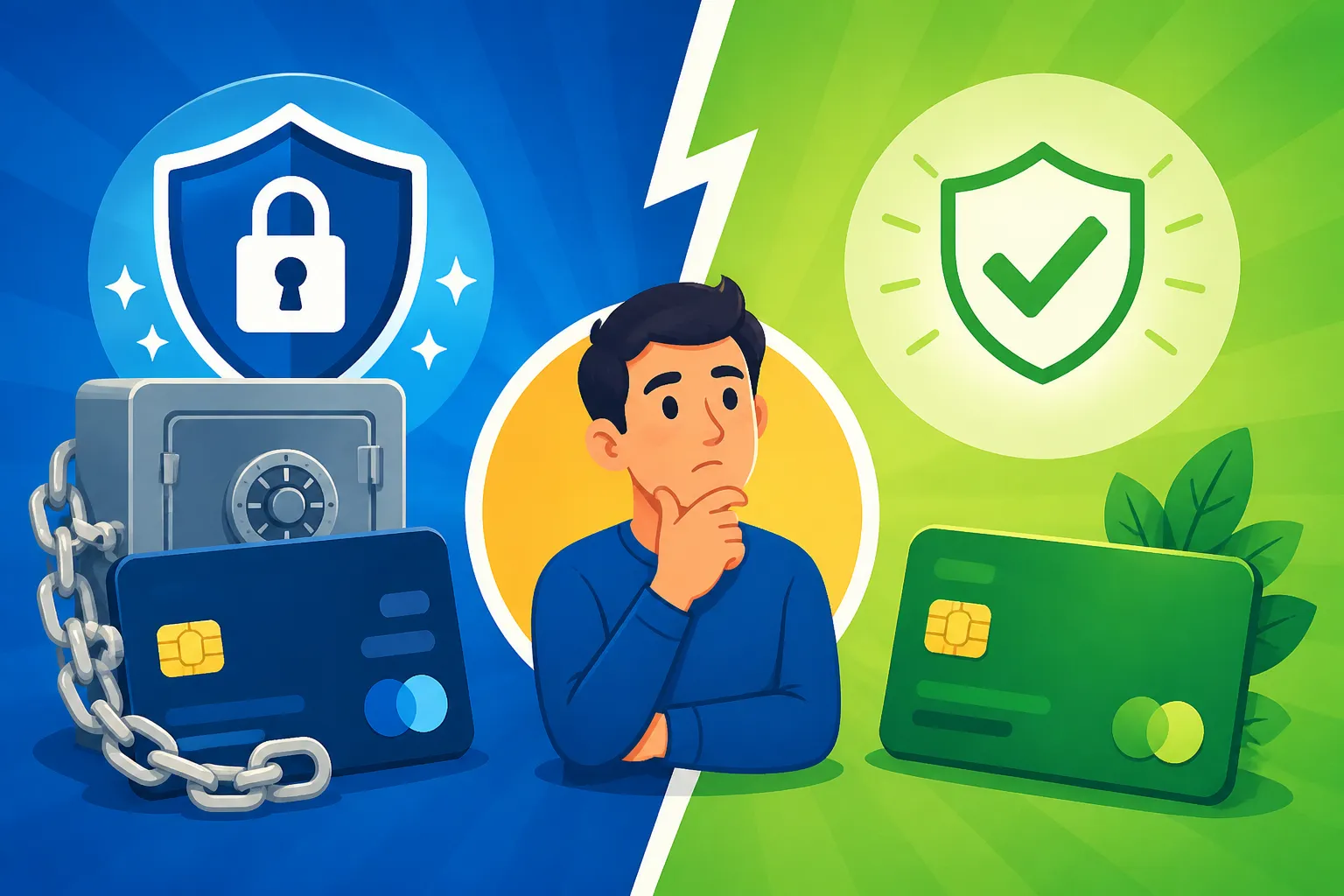
Navigating the world of credit cards can feel like trying to solve a complicated puzzle, especially when you're just starting out or working to rebuild your financial standing. Many people get stuck wondering about the fundamental differences between secured and unsecured credit cards, and which one is truly the right fit for their unique situation. This comprehensive guide is here to demystify these two primary types of credit cards, helping you understand their mechanics, benefits, and drawbacks so you can make an informed decision for your credit journey.
Understanding the Foundation of Credit Cards
Before we dive into the specifics of secured and unsecured credit cards, it’s essential to grasp what a credit card fundamentally is and how it impacts your financial life. Far from just a piece of plastic for purchases, a credit card is a powerful tool that, when used wisely, can open doors to significant financial opportunities.
What Credit Cards Are and How They Function
At its core, a credit card is a revolving line of credit extended to you by a lender, such as a bank or credit union. When you use your credit card, you're essentially borrowing money from the issuer, with the agreement that you'll pay it back, usually with interest, by a specified due date. Unlike a debit card, which pulls funds directly from your checking account, a credit card allows you to make purchases up to a pre-set credit limit without immediately using your own cash. This borrowing and repaying cycle is what directly influences your credit history and, consequently, your credit score. Every transaction, every payment, and every balance you carry is reported to the three major credit bureaus – Equifax, Experian, and TransUnion – shaping your financial reputation.
The Role of Credit in Your Financial Journey
Your credit score and report are like your financial resume, detailing how responsibly you manage borrowed money. A strong credit score is incredibly valuable because it signals to lenders that you are a low-risk borrower. This can translate into better interest rates on loans for big purchases like a car or a home, easier approval for rental applications, and even lower insurance premiums. Conversely, a poor credit history can make these essential life milestones much more challenging and costly. Whether you're looking to build credit from scratch or aiming to improve an existing score, understanding how to effectively use credit cards is a critical step in achieving your long-term financial goals. It's about building trust and demonstrating reliability to the financial world.
Deep Dive into Unsecured Credit Cards
Unsecured credit cards are probably what most people think of when they hear "credit card." They are the standard, everyday credit cards that don't require any collateral. This flexibility makes them highly desirable, but they also come with a set of responsibilities.
How Unsecured Credit Cards Work
With an unsecured credit card, the issuer extends you a line of credit based purely on your creditworthiness. They assess your credit history, income, and debt-to-income ratio to determine if you’re a reliable borrower. If approved, you get a credit limit, say $1,000 or $5,000, that you can borrow against without putting down any cash upfront. The bank takes on all the risk, trusting you to pay back what you owe. This is why having a good credit history is so crucial for getting approved for these cards and for securing favorable terms like low interest rates and high credit limits.
Advantages of Unsecured Credit Cards
Unsecured credit cards offer a plethora of benefits that make them a cornerstone of modern financial management. For starters, they are incredibly convenient; you can use them for purchases big and small, online or in person, without needing a security deposit. Many unsecured cards also come packed with valuable perks like cashback rewards, travel points, extended warranty protection, and even fraud liability coverage, adding tangible value to your spending. They are also excellent for establishing and building a positive credit history, especially if you manage your payments responsibly and keep your credit utilization low. Consistently paying your balance in full and on time helps build a strong payment history, which is the most significant factor influencing your credit score.
Potential Drawbacks and Who They’re Best For
Despite their advantages, unsecured credit cards aren't without their downsides, particularly if not managed carefully. The biggest pitfall is the potential for high-interest rates. If you carry a balance month-to-month, the interest charges can quickly pile up, making it difficult to pay off your debt. This is why learning how to use a credit card to build and keep good credit involves avoiding carrying a balance whenever possible. Another challenge is qualifying for these cards in the first place. If you have a limited or poor credit history, approval can be tough. Lenders see you as a higher risk, which might lead to rejections or offers with less attractive terms. Unsecured cards are generally best for individuals with an established credit history, ideally a "good" to "excellent" score (typically 670 FICO and above), who are confident in their ability to pay off their balances promptly and avoid high-interest debt. They are also ideal for those who can maximize the rewards and benefits offered by these cards without falling into the debt trap.
Exploring Secured Credit Cards
For many, especially those just starting their credit journey or looking to bounce back from past financial stumbles, secured credit cards are a literal lifesaver. They offer a tangible pathway to building a healthier credit profile when other options seem out of reach.
How Secured Credit Cards Function
The fundamental difference with a secured credit card is the security deposit. When you're approved for a secured card, you'll put down a cash deposit, which typically becomes your credit limit. So, if you deposit $300, your credit limit will also be $300. This deposit acts as collateral, significantly reducing the risk for the card issuer. If you fail to make your payments, the bank can use your deposit to cover your outstanding balance. Because of this reduced risk, secured cards are much easier to qualify for, even if you have no credit history or a less-than-stellar one. They report your payment activity to the credit bureaus just like unsecured cards, allowing you to build a positive credit history as you use the card responsibly. This makes them an excellent tool for those wondering how to build credit from scratch.
Benefits of Secured Credit Cards
The primary benefit of a secured credit card is its accessibility. If you've been turned down for traditional credit cards due to a lack of credit history or previous financial difficulties, a secured card provides an entry point into the credit world. It’s often the best way to get your first credit card with no credit. By consistently making on-time payments and keeping your credit utilization low, you can demonstrate responsible financial behavior, which is then reported to the credit bureaus. Over time, this positive reporting helps improve your credit score, paving the way for better financial products in the future. Many secured cards even offer a path to "graduate" to an unsecured card, where your deposit is returned, and you continue with the same account, but without the collateral requirement. This transition is a clear sign of progress in your credit-building journey.
Considerations and Who Benefits Most
While secured credit cards are incredibly helpful, there are a few considerations to keep in mind. The main one is the upfront security deposit. You'll need to have the cash available to fund the deposit, which can range from a few hundred to a couple of thousand dollars, depending on the card and your desired credit limit. This money is tied up until you either close the account (with a zero balance) or graduate to an unsecured card. Interest rates on secured cards can also be relatively high, so it's always best to pay off your full balance each month to avoid interest charges and maximize the benefit of building credit. Secured cards are ideal for individuals who are just starting out with no credit history, those looking to rebuild credit after bankruptcy or other financial setbacks, or anyone who wants a low-risk way to learn responsible credit management. They provide a safe environment to practice good credit habits without the immediate high risk associated with unsecured lines of credit. Companies like Credit Strong offer credit builder loans which can be a complementary tool to help establish payment history alongside a secured card, serving a similar audience who need to demonstrate creditworthiness.
Key Differences and Similarities
Understanding the distinct features and shared characteristics of secured and unsecured credit cards is crucial for making an informed decision. While they both serve the ultimate goal of facilitating purchases and building credit, their underlying mechanisms are quite different.
Differentiating Security Deposits and Eligibility
The most glaring difference between these two card types lies in the requirement for a security deposit. Unsecured cards do not require any collateral because the issuer relies solely on your credit history and financial stability to assess risk. This means you need a decent to excellent credit score to qualify, along with a stable income. Approval for an unsecured card is essentially a vote of confidence in your ability to repay debt.
Secured cards, on the other hand, mandate a security deposit. This deposit acts as collateral, significantly mitigating the risk for the lender. Because of this, secured cards are much more accessible. Even if you have no credit history (a "thin credit file") or a poor credit score, you stand a much higher chance of approval. The eligibility criteria are less stringent, making them an excellent starting point for building or rebuilding credit. For example, if you're exploring options on how to build credit at 18 or as an immigrant with no SSN history, a secured card is often the primary recommendation.
Impact on Credit Building and Credit Limits
Both secured and unsecured credit cards play a vital role in shaping your credit score, but their impact can differ slightly in practice. Both report your payment activity to the three major credit bureaus, which is the cornerstone of credit building. On-time payments and low credit utilization on either type of card will positively impact your score.
However, unsecured cards typically offer higher credit limits, especially for those with excellent credit. A higher credit limit, when managed responsibly, can help keep your credit utilization ratio low, which is a significant factor in your credit score. Secured cards, by their nature, usually have credit limits that match your security deposit, which might be lower. While you can sometimes increase your secured card's limit by adding to your deposit, it's generally a slower path to higher spending power. The key is to manage the credit limit you do have effectively. For instance, if you have a $300 secured card, keeping your balance below $30-$90 (10-30% utilization) is crucial.
Comparing Features, Fees, and Rewards
When it comes to features, fees, and rewards, unsecured cards generally come out ahead for those with good credit. They often boast attractive cashback programs, travel points, sign-up bonuses, and premium benefits like airport lounge access or rental car insurance. Annual fees can vary widely, from none to several hundred dollars, often correlating with the richness of the rewards.
Secured cards, by contrast, are typically more basic. Their primary function is to help you build credit, so elaborate reward structures are less common. Many secured cards, however, do offer no annual fee options, which is a great benefit when you're trying to establish good credit without incurring extra costs. Some might offer modest rewards, but they're usually not the main draw. It's important to scrutinize the fees associated with secured cards, such as annual fees, maintenance fees, or even foreign transaction fees, to ensure they don't outweigh the credit-building benefits. For instance, if you're considering a credit builder loan from a company like Credit Strong as a supplement to a secured card, you'd compare the fees and the repayment structure to ensure it aligns with your financial goals.
Here's a quick comparison to summarize the key differences:
| Feature | Secured Credit Card | Unsecured Credit Card |
|---|---|---|
| Security Deposit | Required (acts as collateral) | Not required |
| Eligibility | Easier to get (good for no/poor credit) | Requires good to excellent credit history and income |
| Credit Limit | Usually equals your deposit | Based on creditworthiness, can be much higher |
| Risk to Issuer | Low (deposit protects them) | Higher (no collateral) |
| Rewards & Perks | Generally minimal or none | Often robust (cashback, travel points, sign-up bonuses) |
| Annual Fees | Can have them, but many no-annual-fee options exist | Varies widely, from none to high-end fees for premium cards |
| Credit Building | Excellent for starting/rebuilding credit | Excellent for continuing to build good credit |
| Typical User Profile | New to credit, rebuilding credit, students | Established credit users, those seeking rewards/high limits |
Deciding Which Card is Right for You
The "best" credit card isn't a universal truth; it's a personal decision that hinges entirely on your current financial standing and your credit goals. Taking an honest look at where you are today is the first, most important step.
Assessing Your Current Credit Situation
Before you even think about applying for a credit card, you need to know your starting point. Have you ever had a credit card or loan before? If not, you likely have what's called a "thin credit file" or no credit history at all. This is a common scenario for young adults, recent immigrants, or anyone who's always paid with cash or debit. If you do have credit history, what does it look like? Have you missed payments in the past, gone through a bankruptcy, or accumulated significant debt? You can check your credit score for free through various services like Credit Karma or through your bank. You can also get your full credit report from AnnualCreditReport.com once a year from each of the three major bureaus. Understanding your current standing – whether you have no credit, fair credit, or excellent credit – will be the biggest determinant in which type of card is most suitable. If your score is on the lower end, say below 620-640, or non-existent, a secured card is almost certainly your best bet.
Scenarios Where a Secured Card is the Clear Choice
If any of the following situations describe you, a secured credit card is likely the most sensible starting point:
- No Credit History: You've never had a credit card or loan, and therefore, lenders have no data to assess your creditworthiness. A secured card provides that essential first step to demonstrate responsible borrowing. For example, if you're a college student learning how to build credit as a student, a secured card is often a fantastic gateway.
- Poor or Bad Credit History: You've made significant mistakes in the past – multiple late payments, collections, charge-offs, or even a bankruptcy. Unsecured card issuers will see you as too high a risk. A secured card offers a controlled environment to prove you've changed your habits and can manage credit responsibly. This is a crucial step if you're learning how to fix your credit after collections or a similar major event.
- Difficulty Getting Approved for Unsecured Cards: You've applied for traditional unsecured cards and keep getting rejected. This is a clear signal that lenders aren't comfortable taking an unsecured risk on you yet. Don't keep applying and racking up hard inquiries; pivot to a secured card.
- Learning Responsible Credit Habits: You want to learn how to manage credit without the temptation of a large credit limit. The lower limits of secured cards, tied to your deposit, can encourage more cautious spending and quicker payments.
For these individuals, a secured credit card isn't just an option; it's a strategic move to lay a strong foundation for future financial success. Using a tool like Credit Strong for a credit builder loan concurrently can further diversify your credit mix and accelerate your progress, as it helps establish another positive payment history.
When to Aim for an Unsecured Card
If you find yourself in these situations, an unsecured credit card is likely within your reach and offers greater advantages:
- Good to Excellent Credit History: You consistently pay bills on time, keep your credit utilization low, and have a solid track record of responsible borrowing. Lenders will be eager to offer you unsecured cards with attractive terms. Your credit score is likely 670 or higher.
- Seeking Rewards and Perks: You want to earn cashback, travel points, or other premium benefits that typically come with unsecured cards. These cards are designed to reward spending for responsible users.
- Need for Higher Credit Limits: You require a higher credit limit for larger purchases or emergencies without tying up your own cash as collateral.
- Desire for Financial Flexibility: You appreciate the convenience and widespread acceptance of traditional credit cards, and you're confident in your ability to manage them without incurring high-interest debt.
If you already have established credit, but perhaps it's "fair" (say, 580-669), you might qualify for some entry-level unsecured cards, but you'll need to shop around carefully and compare interest rates and fees.
Making the Transition and Beyond
The journey with credit cards isn't static; it's dynamic. For many, a secured card is just the first step on a ladder leading to more robust financial opportunities. Understanding how to climb that ladder is key.
Graduating from Secured to Unsecured
The ultimate goal for most secured cardholders is to "graduate" to an unsecured credit card. This means the issuer will review your account performance after a certain period – usually 6 to 18 months – to see if you've demonstrated consistent responsible behavior. They'll be looking for on-time payments, low credit utilization, and no negative marks. If you meet their criteria, they'll often convert your secured card to an unsecured one, returning your security deposit. This is a fantastic milestone, signifying that you've proven yourself creditworthy. If your current secured card doesn't offer a graduation path, or you want to explore other options, you can use your improved credit score to apply for a starter unsecured credit card from a different issuer. Remember, consistency is key: continue paying on time and keep those balances low.
Building and Maintaining Excellent Credit
Once you've moved on to an unsecured card, the work isn't over. Building and maintaining excellent credit is an ongoing process that requires diligent attention to a few key factors:
- Payment History: This is the most critical factor. Always pay your bills on time, every time. Setting up automatic payments can be a huge help here.
- Credit Utilization: Keep your outstanding balances low relative to your credit limits. A good rule of thumb is to aim for under 30% utilization across all your cards, but under 10% is even better for maximizing your score. This is a critical concept to grasp, so diving deeper into Credit Utilization: The Complete Guide can be extremely beneficial.
- Length of Credit History: The longer you've had credit accounts open and in good standing, the better. Avoid closing old accounts unless absolutely necessary, as this can shorten your average credit age.
- Credit Mix: Having a healthy mix of different types of credit (e.g., credit cards, installment loans like auto loans or mortgages) can also positively influence your score.
- New Credit: Be judicious about applying for new credit. Too many hard inquiries in a short period can temporarily ding your score.
By consistently adhering to these principles, you'll not only maintain your excellent credit but also open doors to lower interest rates, better loan terms, and a stronger financial future. Exploring resources like "What Affects Your Credit Score? The 5 Factors" can give you an even deeper understanding of these mechanics. Additionally, consider how tools like Credit Strong could complement your strategy. While they primarily offer credit builder loans, their emphasis on reporting consistent payments can reinforce the positive habits you're building with your credit cards.
Disclaimer
This article is for general informational purposes only and does not constitute professional advice. Laws, prices and regulations vary by location and change over time. Consult a qualified professional for guidance on your specific situation.