How to Build Credit With Bad Credit
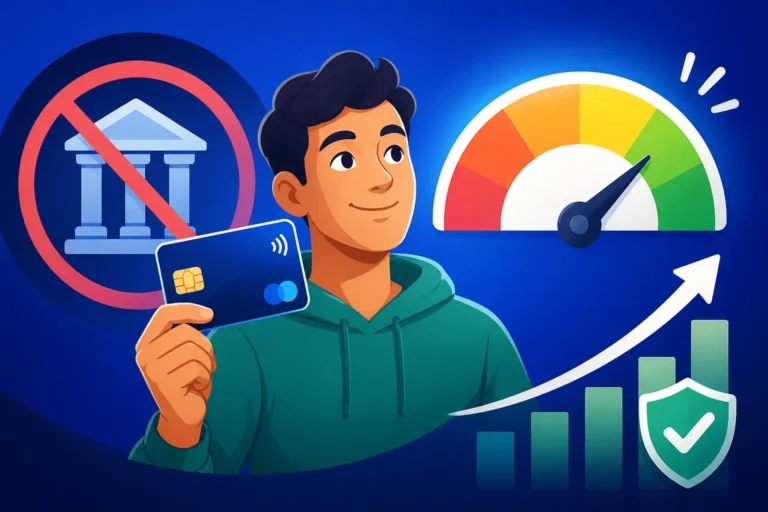
It feels incredibly frustrating, doesn't it? You're stuck in a loop: you need good credit to qualify for loans or credit cards, but you can't build good credit because no one will approve you with your current bad score. It’s a classic Catch-22 that leaves many feeling hopeless and wondering if they'll ever escape the cycle. This guide is here to tell you that it is possible to turn things around. We're going to walk through practical, actionable steps to build credit, even when you're starting from a less-than-ideal place, so you can stop feeling stuck and start moving forward.
Understanding What "Bad Credit" Really Means
When lenders talk about "bad credit," they're usually referring to a low credit score, which indicates a higher risk. This isn't just a number on a screen; it's a reflection of your past financial behaviors, and it has real-world consequences. A low score can feel like a scarlet letter, making it hard to get approved for anything from a new apartment to a cell phone plan, and if you do get approved, you'll often face sky-high interest rates.
What Constitutes a "Bad" Credit Score?
Credit scores, like FICO Scores and VantageScores, typically range from 300 to 850. While the exact cutoffs can vary slightly between scoring models, a "bad" credit score generally falls into the "Poor" or "Fair" categories. For FICO, anything below 580 is considered "Poor," and scores between 580-669 are "Fair." If your score is hovering in these ranges, you're likely experiencing the sting of bad credit firsthand. You might feel like you're constantly fighting an uphill battle, and that feeling is completely valid. It's tough when your financial past dictates your present and future opportunities. To get a better grasp of where you stand, it's helpful to understand the full spectrum, which you can explore further in our guide on Credit Score Ranges: Poor to Excellent Explained.
The Painful Impact of a Low Score
The consequences of having bad credit extend far beyond just credit cards. Imagine trying to rent an apartment in a competitive market, only to be denied because your credit history raises a red flag for landlords. Or needing a new car for work, but the only auto loans you qualify for come with an annual percentage rate (APR) that feels predatory. Even setting up utilities can be harder, often requiring a hefty security deposit. Your insurance premiums might be higher, and forget about getting approved for favorable mortgage rates when you're ready to buy a home. It impacts your financial well-being, yes, but it also takes a toll on your peace of mind and sense of security. It makes everyday financial tasks feel like massive hurdles, and that burden can be exhausting.
Getting Your Financial House in Order: First Steps
Before you can actively build new credit, it's crucial to understand why your credit is bad in the first place and to address any existing issues. This often means facing some uncomfortable truths, but it's a necessary step on the path to improvement. Think of it like a doctor diagnosing an illness before prescribing a treatment – you need to know the root cause.
Pulling and Reviewing Your Credit Reports
The very first, most critical step is to get your hands on your official credit reports from all three major bureaus: Equifax, Experian, and TransUnion. You are entitled to a free report from each once a year through AnnualCreditReport.com. It's absolutely vital to get all three because they can (and often do) contain different information. Don't assume they're identical! Once you have them, sit down and go through each one with a fine-tooth comb. Look for anything that seems off, unfamiliar, or just plain wrong. This process might feel daunting, but it's like assembling the ultimate financial puzzle. Our detailed guide on How to Read Your Credit Report (2026 Guide) can help you navigate the jargon and understand what you're seeing.
Identifying and Disputing Errors
You might be surprised by what you find. Errors on credit reports are far more common than most people realize. We're talking about things like accounts that aren't yours, incorrect payment statuses, wrong balances, or even old addresses that should have been removed. These inaccuracies can significantly drag down your score, and by law, you have the right to dispute them. Disputing errors is often the fastest way to see an improvement in your credit profile, because getting incorrect negative items removed can boost your score without you having to do anything else. It's a powerful tool, and you can learn exactly How to Dispute Credit Report Errors (Step-by-Step) to make sure your reports are accurate and fair. Don't let someone else's mistake hold you back!
Addressing Existing Negative Items
Once you've cleared up any errors, it's time to face the legitimate negative items. These could be late payments, collections accounts, charge-offs, or even bankruptcies. While you can't magically erase accurate information, you can often mitigate its impact or work towards a resolution. For collections, you might consider trying to negotiate a "pay for delete" arrangement, where the collection agency agrees to remove the entry from your credit report in exchange for payment. For old debts, understanding the Statute of Limitations on Debt in California (or your state) is crucial, as this dictates how long a creditor can legally sue you for a debt. For particularly stubborn collections, our article on How to Remove Collections From Your Credit Report offers detailed strategies. This isn't a quick fix, but showing a good-faith effort to resolve past issues can sometimes be viewed favorably by lenders down the line.
Building a Positive Credit History From Scratch
This is where the rubber meets the road. With bad credit, traditional loans or credit cards might be out of reach initially. The good news is there are specific financial products and strategies designed precisely for people in your situation – those who need to prove they can be responsible.
Secured Credit Cards: A Foot in the Door
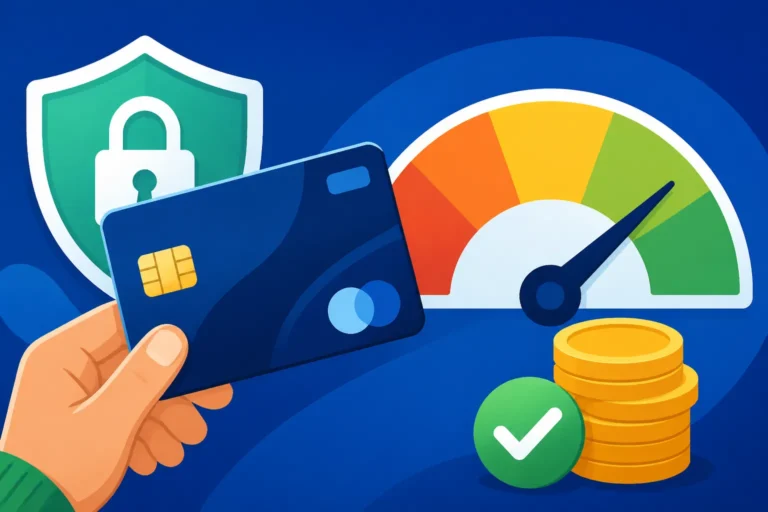
A secured credit card is often the easiest and most effective way to start building or rebuilding credit. Here's how it works: you provide a security deposit, typically ranging from $200 to $2,500, which then becomes your credit limit. So, if you put down $500, your credit limit is $500. This deposit minimizes the risk for the lender, making them more willing to approve applicants with bad credit. You use the card just like a regular credit card, making small purchases and, most importantly, paying your bill on time and in full every month. The key is consistent, responsible usage. After several months or a year of good behavior, the issuer might "graduate" you to an unsecured card and return your deposit. Discover and Capital One are well-known issuers of secured cards, and our guide Secured Credit Cards: How They Build Credit delves deeper into how to make the most of them.
Credit Builder Loans: Building with a Twist
Credit builder loans are a fantastic tool, especially if you struggle with the temptation to overspend on a credit card. Instead of receiving the money upfront, the loan amount is held in a locked savings account or CD. You make regular monthly payments, usually over 6 to 24 months, and these payments are reported to the credit bureaus. Once the loan is paid off, you get access to the money. It's essentially a forced savings plan that also builds a positive payment history. Companies like Credit Strong specialize in these types of loans, making it accessible for individuals looking to establish a good credit record. For example, if you take out a $1,000 Credit Strong credit builder loan, you'd make monthly payments, and once it's fully paid, you'd receive the $1,000. It's a low-risk way to demonstrate financial responsibility. Learn more about how these innovative products work in our article on Credit Builder Loans Explained (Self, Kikoff & More).
Becoming an Authorized User
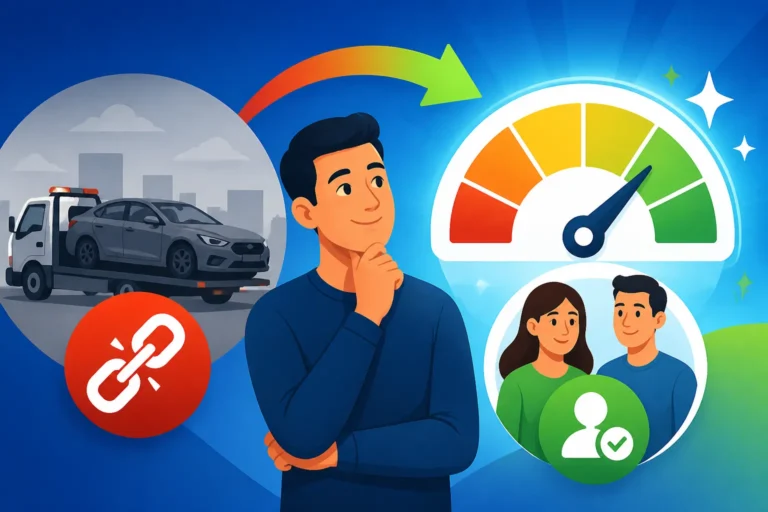
Another strategy, if you have a trusted family member or friend with excellent credit, is to ask them to add you as an authorized user on one of their credit card accounts. When you're an authorized user, that account's payment history and credit limit (and usage) may appear on your credit report. If the primary account holder has a long history of on-time payments and low credit utilization, this can positively impact your score. However, this comes with a huge caveat: their spending habits become your credit history, too. If they miss a payment or max out the card, your score could suffer. Choose wisely, and have a clear discussion about expectations. Our post How to Become an Authorized User to Build Credit outlines the benefits and risks of this approach.
Reporting Your Rent and Utility Payments
Believe it or not, your regular, on-time rent and utility payments, which you already make, can sometimes be used to build your credit. Traditionally, these payments don't show up on your credit report unless they go to collections. However, several services now exist that allow you to opt-in to having these payments reported to the credit bureaus. Some rent reporting services, like Rental Kharma or LevelCredit, collect your rent payment history and report it. While not all scoring models factor these into calculations yet, they can contribute to a richer credit file, especially with VantageScore models. This is a great way to get credit for something you're already doing consistently. We explore this in more detail in our guide Rent Reporting: Can Paying Rent Build Credit?.
Here's a quick comparison of these credit-building tools:
| Feature | Secured Credit Card | Credit Builder Loan | Authorized User Status | Rent/Utility Reporting |
|---|---|---|---|---|
| Initial Requirement | Security deposit (your credit limit) | Regular monthly payments (loan amount held) | Trustworthy primary cardholder | Regular, on-time rent/utility payments |
| Risk to You | Low, if used responsibly (deposit is collateral) | Very low, you get money back | High, dependent on primary user's habits | Low, only positive payments reported |
| Reports To Bureaus? | Yes, all major bureaus | Yes, all major bureaus | Usually, but not always | Varies by service; often TransUnion/Experian |
| Direct Funds Access | Yes (up to limit, then repay) | No, funds received at end | No, you don't own the account | No |
| Typical Cost | Annual fee possible; interest on balances | Interest on loan (you pay it) | None (for authorized user) | Monthly service fee |
| Credit Factor Impact | Payment history, utilization, credit age | Payment history, credit mix, credit age | Payment history, credit age, utilization | Payment history, credit mix (non-traditional) |
Establishing Long-Term Healthy Credit Habits
Building credit is not a one-time fix; it's a marathon, not a sprint. Once you start seeing improvements, maintaining those good habits is crucial for long-term financial health. Think of it as cultivating a garden – you don't just plant seeds and walk away; you nurture and maintain it.
The Power of Consistent On-Time Payments
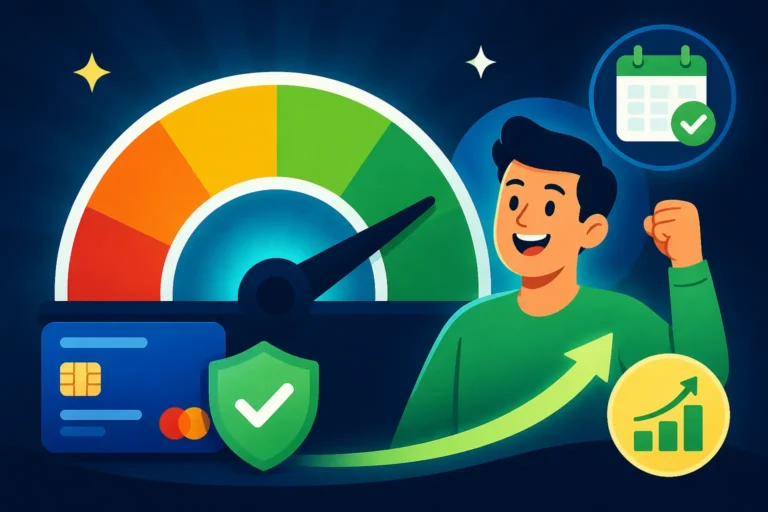
This is the bedrock of good credit, accounting for the largest portion (35%) of your FICO Score. Every single on-time payment you make, whether it's for your secured card, credit builder loan, or future unsecured credit, reinforces your reliability. Conversely, even one late payment can cause a significant drop in your score. Set up automatic payments, mark due dates on your calendar, or use apps to remind you. Whatever it takes, make paying on time your absolute top priority. This consistent positive behavior is the most powerful signal you can send to lenders.
Managing Your Credit Utilization Ratio
Your credit utilization ratio is the amount of credit you're using compared to your total available credit. For example, if you have a credit card with a $500 limit and you have a $250 balance, your utilization is 50%. Lenders like to see this number low, ideally under 30% on each card and overall. If you have a secured card with a $500 limit, try to keep your balance below $150. Even better, pay it off in full every month if you can. High utilization signals that you might be over-reliant on credit, which can hurt your score. Understanding and managing this ratio is vital for improving your score, and our comprehensive guide on Credit Utilization: The Complete Guide provides all the details you need.
Diversifying Your Credit Mix
As your credit improves, you might eventually qualify for different types of credit, like a small personal loan or an auto loan. Having a mix of credit (e.g., a credit card, an installment loan like a car loan, or a student loan) can be beneficial, showing lenders that you can responsibly manage various forms of debt. However, don't open new accounts just for the sake of diversification if you don't genuinely need them, especially if you're still early in your rebuilding journey. Every new account comes with a hard inquiry, which can temporarily ding your score.
Regular Monitoring and Continued Vigilance
Even after you've built up good credit, it's essential to keep an eye on your credit reports and scores. You can use free services like Credit Karma or Credit Sesame for regular monitoring. This vigilance helps you catch any new errors, fraudulent activity, or unexpected drops in your score quickly. Being proactive means you can address potential issues before they cause significant damage. Remember, building credit with bad credit is about establishing a new pattern of financial responsibility, and staying on top of your credit profile is a key part of that ongoing commitment. It's a commitment that will pay off significantly in the long run, opening doors to better rates and more opportunities. If you're wondering How to Raise Your Credit Score (Step-by-Step), consistent monitoring is a part of that process.
Final Thoughts: Persistence is Key
Rebuilding credit after a period of bad credit isn't going to happen overnight. It takes patience, discipline, and consistent effort. There will be moments of frustration, especially when it feels like progress is slow. But every on-time payment, every disputed error, and every carefully managed account is a step forward. Don't get discouraged! Stay persistent, stick to your plan, and celebrate the small victories along the way. Your future self, with better financial opportunities and less stress, will thank you. For further guidance on the timeline, check out How Long Does Credit Repair Take?.
Disclaimer
This article is for general informational purposes only and does not constitute professional advice. Laws, prices and regulations vary by location and change over time. Consult a qualified professional for guidance on your specific situation.