Is It Better to Build Credit With a Loan or a Card?
It's a common feeling, isn't it? That frustrating paradox where you need credit to get credit. Maybe you're starting from scratch, or perhaps you're working your way back from some financial bumps in the road. You know a good credit score is your ticket to better interest rates, easier loan approvals, and even lower insurance premiums, but where do you even begin? This comprehensive guide will explore two primary routes for building a strong credit profile: secured credit cards and credit builder loans, helping you understand which one, or both, might be the best fit for your unique situation.
Understanding Credit Cards for Building Credit
Credit cards often carry a stigma, largely due to stories of overwhelming debt. However, when wielded with discipline and understanding, they are incredibly potent tools for establishing and nurturing a healthy credit score. The trick is to approach them strategically, especially if you're in the early stages of your credit journey.
How Secured Credit Cards Work
For those with little to no credit history, or perhaps a history that's seen better days, obtaining a traditional, unsecured credit card can feel like an uphill battle. This is precisely where secured credit cards step in, acting as a crucial bridge. Imagine a secured card as a kind of training program for your credit. You, the applicant, provide a cash deposit to the card issuer, which then typically serves as your credit limit. So, if you deposit $250, your available credit might also be $250. This deposit minimizes the risk for the lender, making them more willing to extend credit to individuals with unproven creditworthiness.
Once your secured card is approved, you use it just like any other credit card: make purchases, and then, crucially, pay off your balance. The magic happens because this activity—your on-time payments, your credit utilization, and the length of time the account is open—is reported to the three major credit bureaus: Equifax, Experian, and TransUnion. Consistent, responsible use builds a positive payment history, a cornerstone of any good credit score. Many reputable banks offer secured cards, such as the Discover it® Secured Credit Card or the Capital One Platinum Secured Credit Card, and often provide a path to graduate to an unsecured card and get your deposit back after a period of responsible use, typically 6 to 18 months.
Pros and Cons of Using Credit Cards for Credit Building
Deciding whether a credit card is the right tool for your credit-building efforts requires a thoughtful look at both its advantages and its potential drawbacks.
On the positive side, secured credit cards offer the immediate benefit of a revolving line of credit. This means you can use them for everyday expenses, which provides a practical way to demonstrate consistent, responsible spending and repayment habits to lenders. They are excellent for showcasing your ability to manage monthly statements and understand concepts like credit utilization. Furthermore, successfully managing a secured card often opens the door to upgrading to an unsecured card with a higher limit and perhaps better rewards, and you'll eventually receive your security deposit back. This progression can feel incredibly rewarding and reinforces good financial behavior.
However, the "cons" are significant and shouldn't be overlooked. The most apparent risk is the potential for debt accumulation. If you don't pay your full statement balance every single month, you'll incur interest charges, which can quickly turn a small purchase into a much larger, more expensive burden. It's also remarkably easy to max out a small credit limit on a secured card, which, even if you pay it off, can negatively impact your credit utilization ratio – a major factor in your credit score. For individuals who struggle with impulse control or have a history of overspending, the temptation of a credit card, even a secured one, can be a real challenge, potentially leading to a worse financial situation rather than an improved one.
Strategies for Effective Credit Card Use
To harness the full power of a credit card for building credit without falling into common traps, a few strategic habits are non-negotiable. First and foremost, make it your unwavering rule to pay your statement balance in full, every single month, before the due date. This isn't just about avoiding interest; it's about establishing an impeccable payment history, which accounts for 35% of your FICO score.
Secondly, diligently manage your credit utilization. This refers to the amount of credit you're using compared to your total available credit. For optimal credit building, experts generally recommend keeping your utilization below 30%, but aiming for under 10% is even better. So, if your secured card has a $500 limit, try to keep your reported balance below $50. You can achieve this by using the card for small, manageable expenses that you can immediately pay off, or by making multiple payments throughout the month to ensure a low balance is reported to the credit bureaus on your statement closing date. Remember, even if you pay in full, if a high balance is reported, it can temporarily ding your score. You can dive deeper into these practices with our guide on How to Use a Credit Card to Build and Keep Good Credit.
Lastly, understand that credit building is a journey, not a sprint. Consistency over time is what truly strengthens your credit profile. Avoid the temptation to apply for numerous cards in a short period, as this can lead to multiple hard inquiries, which can temporarily lower your score. Patience and responsible habits are your best allies.
Understanding Credit Builder Loans for Building Credit
While credit cards offer a revolving line of credit, credit builder loans present an alternative, structured pathway to improve your credit, particularly appealing to those who prefer a more controlled environment or are hesitant about traditional credit cards. These loans can be a fantastic way to prove your reliability as a borrower while also encouraging a savings habit.
How Credit Builder Loans Operate
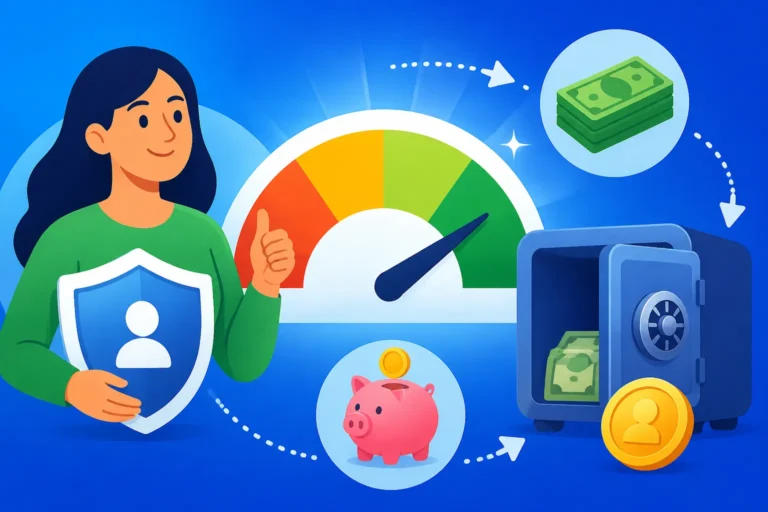
Credit builder loans are a fascinating concept because they effectively reverse the traditional loan process. Instead of receiving a lump sum of money upfront and then paying it back, with a credit builder loan, the money you "borrow" is typically held in a locked savings account or a Certificate of Deposit (CD) by the lender. You then make fixed monthly payments over a set period, which could be anywhere from six to 24 months. Each payment you make is reported to the credit bureaus.
Let's illustrate with an example: you might apply for a $1,000 credit builder loan. You agree to pay $100 per month for 10 months. During this time, your regular, on-time payments are reported, building a positive payment history on your credit report. Once you've successfully made all your payments, the lender releases the original $1,000 to you, often minus any administrative fees or interest. So, not only have you built a positive credit history, but you've also essentially forced yourself to save money. Providers like Credit Strong specialize in these types of loans, offering a clear, predictable route for individuals looking to establish or rebuild their credit without the complexities or temptations of revolving credit. They are designed to be straightforward and effective for demonstrating payment discipline.
Pros and Cons of Using Credit Builder Loans
As with any financial product, credit builder loans come with their own set of advantages and disadvantages that warrant careful consideration.
On the "pro" side, credit builder loans are excellent for establishing a strong payment history, which is the single most important factor in your credit score. They promote financial discipline by requiring consistent, on-time payments, and at the end of the term, you get a lump sum of money back—a fantastic way to build an emergency fund or save for a specific goal. Unlike credit cards, there's virtually no risk of accumulating high-interest debt because you're essentially paying into an account that holds your own money. This makes them a less intimidating and safer option for individuals who have struggled with credit cards in the past or prefer a more structured financial product. They contribute positively to your credit mix by adding an installment loan to your report.
However, there are "cons" too. The most obvious is that you don't get immediate access to the funds; they are locked away until the loan term is complete, making them unsuitable for urgent financial needs. There are often fees involved, which means the total amount you pay over the loan term might be slightly more than the amount you ultimately receive back. For instance, a $500 loan might cost you $550 over its term, meaning you paid $50 for the service of building credit and saving. While they build payment history and improve your credit mix, they don't directly address credit utilization, which is a key component tied to revolving credit accounts.
When a Credit Builder Loan Makes Sense
A credit builder loan is particularly well-suited for several specific scenarios. If you're starting with absolutely no credit history—what's known as a "thin credit file"—a credit builder loan offers a concrete, low-risk way to get your first positive account reporting. It's also an excellent choice for individuals who are actively rebuilding credit after major financial challenges, such as a bankruptcy or significant defaults, as it allows them to demonstrate renewed responsibility without the temptation of readily available credit.
Furthermore, if you know you struggle with impulse spending or have a history of running up balances on credit cards, a credit builder loan provides a structured, "set-it-and-forget-it" mechanism for credit improvement. It allows you to focus solely on making on-time payments without worrying about the complexities of managing a revolving balance. Companies like Credit Strong are built around this philosophy, offering accessible pathways to establishing a positive financial track record. It’s a disciplined commitment that can be less daunting for some than navigating the intricacies of credit card management. For more details on how these loans work, check out our guide on Credit Builder Loans Explained (Self, Kikoff & More).
Direct Comparison: Credit Card vs. Credit Builder Loan
Now that we've explored each tool individually, let's place them side-by-side to highlight their core differences and understand how each impacts your credit-building journey. The choice often hinges on your personal financial style, immediate needs, and long-term goals.
Key Differences and Credit Impact
The fundamental distinction between a secured credit card and a credit builder loan lies in the type of credit they represent: revolving versus installment. This difference is critical because credit scoring models evaluate these types of accounts differently and having a mix of both can positively influence your score.
- Credit Type: A secured credit card helps you establish a revolving credit history. This is credit that you can reuse repeatedly as you pay it down, like a typical credit card. A credit builder loan, however, establishes installment credit history, where you borrow a fixed sum and pay it back in predetermined, fixed installments over a set period, much like a car loan or a student loan.
- Access to Funds: With a credit card, you gain immediate access to your credit limit for purchases. With a credit builder loan, the funds you are "borrowing" are typically held by the lender until you have completed all your payments.
- Risk of Debt: Credit cards inherently carry a higher risk of accumulating high-interest debt if you don't pay off your full balance each month. Credit builder loans, because the funds are held by the lender, virtually eliminate this risk of high-interest debt, as you're essentially saving your own money.
- Credit Utilization: This factor is hugely important for credit scores, and it only applies to revolving accounts like credit cards. Keeping your credit utilization low (ideally under 10-30%) is crucial for a good score. Installment loans don't have a utilization ratio in the same way, though the proportion of the original loan amount still owed (debt-to-income ratio) can be considered by some lenders.
- Upfront Requirement: Secured credit cards require a security deposit. Credit builder loans typically do not require a large lump sum deposit, but they do require you to start making regular payments right away, which are effectively deposits into your own future savings account.
Here's a detailed comparison to help you visualize the distinctions:
| Feature | Secured Credit Card | Credit Builder Loan |
|---|---|---|
| Credit Type Contributed | Revolving Credit | Installment Credit |
| Access to Funds | Immediate access to credit limit | Funds released at end of loan term |
| Risk of High-Interest Debt | Moderate to High (if balance not paid) | Very Low (payments build your savings) |
| Impact on Credit Utilization | Direct and Significant | Indirect (no utilization ratio) |
| Primary Credit Score Factor Impacted | Payment History, Credit Utilization, Credit Age | Payment History, Credit Mix, Credit Age |
| Upfront Cost/Deposit | Required security deposit | No large deposit, but consistent payments from start |
| Typical Term | Ongoing (until upgraded or closed) | Fixed (e.g., 6-24 months) |
| Financial Discipline Encouraged | Self-management, paying in full | Structured saving, consistent payments |
Situational Recommendations Who Benefits More from Each
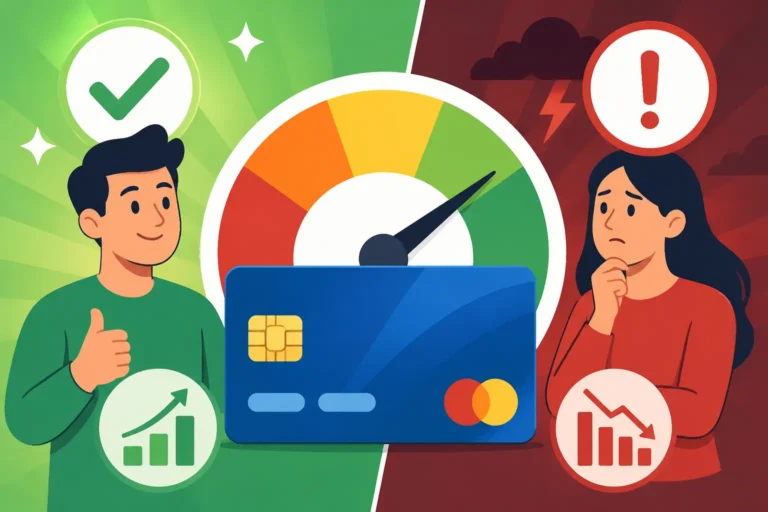
The "better" option truly depends on your individual circumstances, financial discipline, and specific goals.
If you possess strong financial discipline, have a stable income, and are confident you can consistently pay off your entire credit card balance each month, a secured credit card might be your most efficient path. It offers the flexibility of a traditional card for everyday purchases, teaches you essential revolving credit management skills, and directly impacts your credit utilization ratio, a key scoring factor. This route is especially beneficial if your ultimate goal is to obtain premium unsecured credit cards with rewards or a higher credit limit. For detailed steps, consider reading How to Get Your First Credit Card With No Credit.
Conversely, if you're prone to overspending, prefer a highly structured approach to saving, or want to rebuild credit after a significant financial setback without the temptation of easily accessible funds, a credit builder loan could be a safer and more effective choice. It removes the risk of accumulating high-interest debt and instills a consistent payment habit, while simultaneously building up a savings pot. This option is often recommended for those who need a predictable, low-risk method to demonstrate creditworthiness. Companies like Credit Strong are specifically designed to cater to this need, providing a clear and manageable path to a stronger credit profile.
Combining Both for Maximum Impact
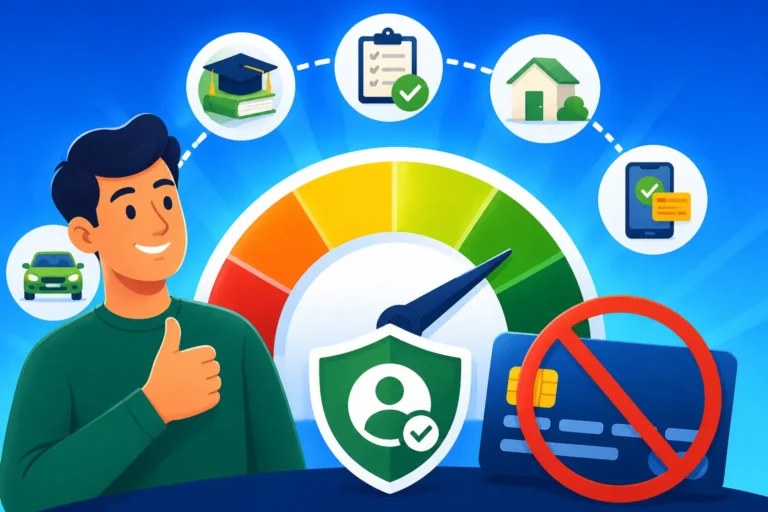
Here's the often-overlooked secret: you don't necessarily have to pick just one. For many individuals, the most effective and fastest way to build credit is to strategically combine both a secured credit card and a credit builder loan. This dual approach allows you to positively impact multiple aspects of your credit report simultaneously.
By having a secured credit card, you're actively building a revolving credit history and demonstrating responsible credit utilization. Meanwhile, your credit builder loan establishes an installment loan history, showcasing your ability to make consistent, on-time payments over a fixed period. This combination contributes to a diverse credit mix—having different types of credit accounts (revolving and installment) is viewed favorably by credit scoring models. Imagine using your Discover it Secured Card for a small, recurring subscription, ensuring you pay it off entirely each month. At the same time, you're making your regular, scheduled payments on a Credit Strong credit builder loan. This powerful strategy accelerates your credit-building journey, painting a comprehensive picture of your financial responsibility to potential lenders. If you're seriously committed to improving your credit score, utilizing both tools can offer a significant boost.
Accelerating Your Credit Journey with Other Tools
While secured credit cards and credit builder loans lay a strong foundation, there are other valuable tools and strategies that can further enhance and accelerate your credit-building efforts, providing additional positive data points to the credit bureaus. These methods can complement your primary credit-building accounts.
Rent Reporting and Experian Boost
For many, rent is their largest monthly expense, yet for years, these consistent, on-time payments rarely appeared on credit reports. Thankfully, that's changing. Services like RentReporters or LevelCredit allow you to have your on-time rent payments reported to one or more of the major credit bureaus. This can be a game-changer, especially if you have a limited credit history (a "thin credit file") or are just starting out, as it adds a significant positive payment history to your report. Before signing up, be sure to research any associated fees and confirm which bureaus the service reports to, ensuring it aligns with your credit goals.
Similarly, Experian Boost is a free service offered by Experian that allows you to potentially increase your Experian FICO Score by adding positive payment history from utility bills (such as gas, electric, and water) and even popular streaming services (like Netflix or Disney+). While the boost only impacts your Experian score and won't affect your scores from TransUnion or Equifax, it's a simple and no-cost way to get more of your responsible financial habits recognized. For many diligent bill-payers with sparse credit files, this can provide an immediate, albeit localized, lift to their score.
Becoming an Authorized User
Another indirect, but often highly effective, method is to become an authorized user on another person's credit card account. This strategy relies on a high level of trust and the primary cardholder's impeccable credit habits. If you have a family member or close friend with a long-standing credit card account that consistently maintains low utilization and makes on-time payments, they can add you as an authorized user.
When this happens, the positive payment history and the credit limit of that account often begin to appear on your own credit report. This can significantly boost your average credit age and provide an immediate injection of positive payment history, which can be particularly helpful for young adults or those just starting their credit journey. However, it's a double-edged sword: if the primary cardholder makes mistakes (like late payments or high balances), those negative marks could also appear on your report. Therefore, this option is best pursued only with someone you trust implicitly and who is a model of financial responsibility. Understanding the full scope of Authorized User Benefits and Risks is essential before pursuing this route.
Disclaimer
Please remember that the information provided in this guide is for educational purposes only and should not be considered financial or legal advice. Every individual's credit situation is unique, and what works for one person might not be ideal for another. Always consult with a qualified financial advisor or credit counselor for personalized advice tailored to your specific financial circumstances.