How to Build Credit as a College Student
You're in college, juggling classes, maybe a part-time job, and the last thing you're probably thinking about is your credit score. But here's the honest truth: establishing a solid credit history while you're young and in school can set you up for significant financial advantages down the road. This guide will walk you through the practical, no-nonsense ways college students can start building credit responsibly, avoiding common pitfalls, and securing a brighter financial future.
Why Building Credit in College Matters More Than You Think
It might seem like a distant concern, but the choices you make with your finances today, even small ones, lay the groundwork for your future. When you're just starting out, the concept of credit can feel abstract, but it quickly becomes very real when you need to rent your first apartment, buy a car, or even get a cellphone plan without a massive security deposit.
The Future Benefits of Good Credit
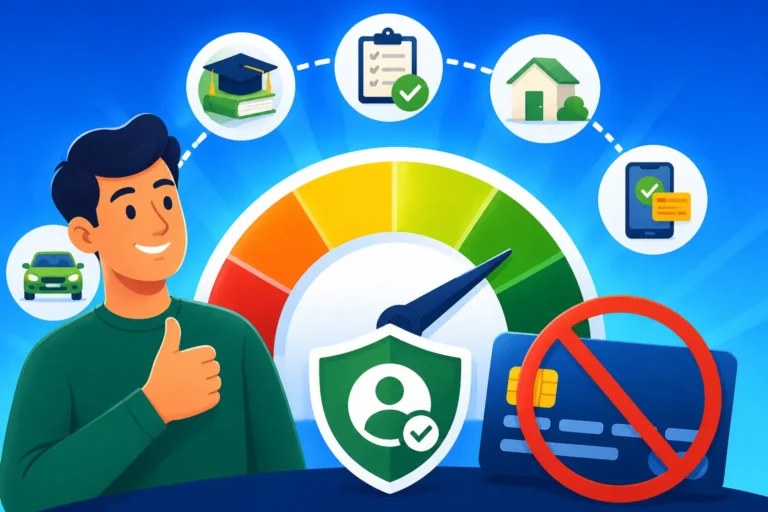
Think beyond graduation day for a moment. That fantastic apartment near your dream job? Landlords often check your credit report to gauge your reliability. The car you need to commute? A good credit score means better interest rates, potentially saving you thousands over the life of the loan. Even things like utility services in your own name can require a credit check. A strong credit score, ideally in the good to excellent range (think 670 and above), signals to lenders and service providers that you're a responsible borrower. This can translate into lower interest rates on future loans, better insurance premiums, and more financial flexibility. Starting early means your credit history has more time to mature, which is a significant factor in your overall score. You'll thank yourself years from now when you breeze through applications that others struggle with.
Avoiding the "No Credit, No Loan" Trap
This is a frustrating cycle many young adults face: you need credit to get a loan, but you can't get a loan without credit. It's like needing experience to get a job, but no one will hire you without experience. Lenders want to see a history of responsible borrowing and repayment before they trust you with their money. If you have no credit history at all – often referred to as having a "thin credit file" – you're essentially an unknown entity. This can lead to rejections, requiring a co-signer (which can be a burden on family members), or being stuck with high-interest loans because you're considered a higher risk. By proactively building credit in college, you bypass this trap entirely, giving yourself a head start on financial independence.
Essential First Steps for College Students
Before you dive into applying for credit, it's crucial to understand the basics of how credit works and what options are specifically tailored for students. It's not about jumping in blindly; it's about making informed choices.
Understanding the Credit Basics
Your credit score isn't some arbitrary number; it's a reflection of your financial behavior, calculated by models like FICO and VantageScore. The most important factors that influence it include your payment history (making payments on time, every time), your credit utilization (how much of your available credit you're using), the length of your credit history, the types of credit you have (credit mix), and new credit inquiries. For college students, the biggest challenge is often the "length of credit history" and "credit mix" categories, as you're just starting. This is why consistent, responsible action from the get-go is so powerful. Even if you're only managing one credit card or a small loan, doing it perfectly builds a strong foundation. You can learn more about What Affects Your Credit Score? The 5 Factors.
Getting Your First Financial Product
The path to building credit almost always involves getting some form of credit in your name and using it responsibly. For college students, there are a few common and accessible starting points:
- Student Credit Cards: These are designed specifically for college students, often with lower credit limits and sometimes student-focused rewards. They typically have less stringent approval requirements than regular unsecured cards.
- Secured Credit Cards: If you can't qualify for a student credit card, a secured card is an excellent alternative. You put down a cash deposit, which typically becomes your credit limit, reducing the risk for the issuer. This makes them much easier to get approved for, and they report to credit bureaus just like regular cards. Find out more about Secured Credit Cards: How They Build Credit.
- Becoming an Authorized User: If a trusted family member with excellent credit is willing to add you as an authorized user on one of their credit cards, you can potentially benefit from their positive payment history. Just make sure they have a good payment history and keep their credit utilization low, as their actions will impact your report. It's a quick way to get some history on your report, though it's important to understand the nuances of Does Being an Authorized User Build Credit?.
- Credit Builder Loans: These are unique loans designed to help you build credit and save money simultaneously. You apply for a small loan, but instead of getting the money upfront, it's held in a locked savings account or certificate of deposit. You make monthly payments, which are reported to credit bureaus, and once the loan is fully paid, you get access to the funds.
Smart Strategies for Building Credit While Studying
Once you understand the basic mechanisms, it's time to put strategies into action. The key is to choose the right tools for your situation and use them wisely.
Student Credit Cards: A Gateway Product
Many major banks offer credit cards specifically marketed to students. These cards recognize that college students often have little to no credit history and lower incomes, so their approval criteria are generally more lenient. For example, cards like the Discover it® Student Cash Back or the Capital One SavorOne Student Cash Rewards Credit Card offer perks like cash back on common student spending categories (dining, groceries) and often come with no annual fee. The key is to use these cards responsibly. This means only charging what you can afford to pay off in full each month, ideally before the statement due date. By doing this, you avoid interest charges and build a positive payment history, which is the most significant factor in your credit score. A low credit limit is actually a blessing when you're starting, as it forces you to be mindful of your spending and keep your credit utilization in check.
Secured Credit Cards: The Safety Net
If you've applied for a student card and haven't been approved, don't despair! A secured credit card is often the next best step, and for many, it's the very first rung on the credit ladder. With a secured card, you provide a cash deposit to the issuer, and this deposit typically becomes your credit limit. So, if you deposit $200, your credit limit is $200. This deposit mitigates the risk for the lender, making them much more likely to approve you, even with no credit history.
The beauty of secured cards is that they report to the three major credit bureaus (Equifax, Experian, and TransUnion) just like any other credit card. This means every on-time payment you make and every month you keep your utilization low contributes directly to building your credit history. After 6-12 months of responsible use, many secured cards will allow you to "graduate" to an unsecured card, and you'll get your deposit back. It's a fantastic, low-risk way to prove your creditworthiness.
Credit Builder Loans: An Alternative Route
Another effective strategy, especially if you prefer a structured savings component, is a credit builder loan. This isn't a traditional loan where you get a lump sum upfront. Instead, you apply for a small loan, say $500 or $1,000, but the money is held in a secure, interest-bearing account (like a Certificate of Deposit or savings account) by the lender. You then make fixed monthly payments over a set period, typically 6 to 24 months.
Each on-time payment is reported to the credit bureaus, showing your ability to handle installment debt responsibly. Once you've paid off the entire loan, the funds are released to you, often with any accrued interest. It's a win-win: you build credit history and end up with a small savings nest egg. Companies like Credit Strong specialize in these types of loans, making it accessible for individuals who might not qualify for traditional credit products. Credit Strong, for example, offers various credit builder products that can fit different budgets and financial goals, helping you establish a positive payment history. It's a structured, disciplined way to build credit without the temptation of overspending that can come with a credit card. These loans are a great option for college students who want to build credit and cultivate a savings habit simultaneously, and platforms such as Credit Strong make the process straightforward. Learn more about Credit Builder Loans Explained.
Common Pitfalls and How to Avoid Them
Building credit is a marathon, not a sprint. While the tools are accessible, missteps can set you back significantly. Being aware of common mistakes will help you navigate your credit journey smoothly.
Overspending and High Credit Utilization
This is perhaps the most common pitfall for new credit users. It's easy to get excited about having a credit card and start treating it like free money. However, using too much of your available credit, known as high credit utilization, can seriously harm your score. Ideally, you want to keep your credit utilization below 30% of your total credit limit. So, if your card has a $500 limit, try not to carry a balance over $150. Even better, aim for under 10%.
Imagine you have a student credit card with a $300 limit. If you charge $250 worth of textbooks and don't pay it off before your statement closes, your credit utilization for that month will be over 80%, which is a red flag to credit bureaus. It signals a higher risk of financial distress. Instead, if you only charge $50 and pay it off, your utilization is a healthy 16%. Always remember, the goal isn't to use your entire limit; it's to show you can manage a small amount of credit responsibly. Dive deeper into Credit Utilization: The Complete Guide.
Missing Payments: The Biggest Credit Killer
Of all the factors that impact your credit score, payment history is the most crucial, making up 35% of your FICO score. A single late payment (especially if it's 30 days or more overdue) can cause a significant drop in your score and stay on your report for up to seven years. As a college student, with classes, extracurriculars, and maybe a job, it's easy to forget a bill.
The solution is simple: set up automatic payments. Most credit card companies and lenders offer this feature. Even if you only set it to pay the minimum amount due, it ensures you never miss a payment. Then, if you can, go back and manually pay the full balance to avoid interest. Another tip is to align your payment due dates with when you typically receive financial aid disbursements or paychecks. This way, the money is available, and you're less likely to miss a payment.
Applying for Too Much Credit Too Fast
When you apply for new credit, lenders perform a "hard inquiry" on your credit report. Each hard inquiry can temporarily ding your credit score by a few points and stays on your report for two years. While a single inquiry isn't a big deal, several inquiries in a short period can make you look desperate for credit, which is another red flag.
As a college student, it's best to apply for one or two credit products initially and focus on building a positive history with them for at least 6-12 months. Don't go on an application spree. For instance, if you apply for a student credit card and get approved, stick with that for a while. If you're denied, then consider a secured card or a credit builder loan like those offered by Credit Strong. The goal is to establish a solid track record with limited accounts before expanding your credit portfolio.
Monitoring Your Progress and Staying on Track
Building credit is an ongoing process, and it's essential to stay engaged with your credit health. This means regularly checking your reports and adapting your strategy as your financial life evolves.
Regularly Checking Your Credit Report and Score
Knowledge is power when it comes to your credit. The Fair Credit Reporting Act (FCRA) entitles you to a free credit report from each of the three major bureaus (Equifax, Experian, TransUnion) once every 12 months via AnnualCreditReport.com. It's smart to check these reports regularly for errors or fraudulent activity, which can unfairly drag down your score. Spotting and disputing errors quickly is crucial for your financial health. Understanding How to Read Your Credit Report will empower you to identify any discrepancies.
Beyond the full reports, many banks and credit card companies (like Chase with Credit Journey or Capital One with CreditWise) offer free access to your credit score. Services like Credit Karma also provide free VantageScores. While these aren't always your FICO score (the one most lenders use), they give you a good general idea of your credit health and show you trends. Make it a habit to check your score monthly. It's motivating to see your score grow, and it helps you catch issues early.
Adapting Your Strategy as Your Credit Grows
As you consistently make on-time payments, keep utilization low, and age your accounts, your credit score will naturally improve. What starts as a "fair" or "good" score can eventually become "very good" or even "excellent." This progress opens up new opportunities and means you can start adapting your credit strategy.
For example, if you started with a secured card, after a year or so, you might be ready to apply for an unsecured student card or even a regular entry-level cash-back card. If your income increases, you might qualify for a higher credit limit on your existing cards, which can actually help your utilization ratio if your spending stays the same. You might also consider diversifying your credit mix by taking out a small installment loan, perhaps for a modest purchase you were planning anyway, or even exploring a personal loan once your score is strong enough. The key is to keep making smart, intentional decisions, always prioritizing on-time payments and low debt levels.
Here's a quick comparison of common credit-building options for students:
| Feature | Student Credit Card | Secured Credit Card | Credit Builder Loan | Authorized User |
|---|---|---|---|---|
| Initial Credit Check | Usually light or for thin files | Often no credit check (deposit-based) | Varies; often more lenient | None for you, based on primary user's credit |
| Requires Deposit | No | Yes (becomes your credit limit) | Yes (loan amount held in savings) | No |
| Credit Limit/Amount | Typically low ($300-$1000) | Matches deposit amount | Fixed loan amount ($500-$2500 common) | Shares primary user's limit |
| Builds Payment History | Yes | Yes | Yes | Yes (via primary user's account) |
| Builds Credit Mix | Revolving | Revolving | Installment | Revolving |
| Control Over Account | Full control | Full control | Full control (over payments) | Limited/none (primary user controls spending) |
| Risk of Debt | Moderate (if not paid in full) | Low (limited by deposit, but still possible interest) | Low (money held, but missed payments hurt) | None for you personally (but score affected) |
| Typical Requirement | College enrollment verification, some income | Ability to provide a deposit | Regular income for payments | Trustworthy primary user with good credit |
| Example Providers | Discover, Capital One, Deserve | Discover, Capital One, OpenSky | Credit Strong, Self, local credit unions | Any credit card |
No matter which path you choose, remember that consistency and discipline are your best friends in credit building. Start small, stay vigilant, and watch your credit score grow along with your college achievements.
Disclaimer
The information provided in this article is for general informational purposes only and does not constitute financial, legal, or professional advice. Always consult with a qualified financial advisor or credit counselor for advice tailored to your specific situation. Credit policies and regulations can change, and individual results may vary.