How to Build Credit With Bad Credit Using a Secured Card
It can feel incredibly daunting when your credit score isn't where you want it to be. You've likely faced rejections for apartment applications, struggled to get approved for a decent car loan, or even just felt the sting of a high-interest rate on a necessary purchase. It’s a vicious cycle: you need credit to build credit, but bad credit makes getting new credit seem impossible. This guide is here to tell you that it's not impossible. We’re going to walk through how a secured credit card can be your most effective tool for climbing out of the bad credit hole and onto the path of financial freedom.
Understanding the Credit Mountain When You're Starting from the Bottom
When your credit history is bruised, applying for traditional credit cards or loans can feel like repeatedly hitting a brick wall. Lenders see a low credit score or a history of missed payments, collections, or even bankruptcy, and they understandably become hesitant. This isn't meant to shame you; life happens, and sometimes things get out of our control. The problem is, the system isn't designed to easily offer you a second chance without some effort on your part.
Why Bad Credit Feels Like a Trap
The primary reason traditional lenders shy away from individuals with bad credit is risk. From their perspective, your past financial behavior indicates a higher likelihood of defaulting on new debts. This assessment isn't personal; it's based on algorithms and statistical models that factor in things like your payment history, how much debt you currently carry, and the length of your credit relationships. Without a strong credit score, you're often relegated to predatory loans with exorbitant interest rates or simply denied outright. This makes it incredibly frustrating because you know you need to show you can manage credit responsibly, but you can't get the opportunity to prove it. It's a classic catch-22 that leaves many feeling stuck and demoralized.
The Role of Your Credit Report in This Cycle
Every missed payment, every collection account, every bankruptcy filing leaves a mark on your credit report. These negative items aren't just numbers; they tell a story to potential lenders. They see the late payments on your report and assume future ones are likely. They see high credit utilization and worry you're overextended. Understanding how to read your credit report (2026 Guide) is the first step to truly understanding the narrative your credit history tells. When this narrative is largely negative, your credit score, which is a numerical summary of that report, will reflect it, making it harder to access mainstream financial products.
Demystifying the Secured Credit Card: Your Pathway to Rebuilding
A secured credit card is specifically designed for people who are in this exact situation: those with no credit history, a thin credit file, or, like you, bad credit that makes traditional card approval difficult. It’s a lifeline, a tangible way to demonstrate financial responsibility when other doors are closed.
How a Secured Credit Card Really Works
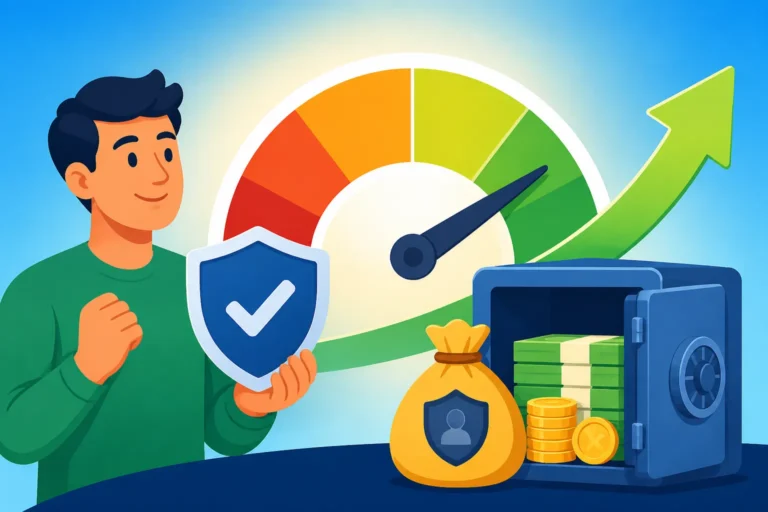
Unlike a standard, unsecured credit card, a secured credit card requires a cash deposit upfront. This deposit acts as collateral and typically becomes your credit limit. So, if you deposit $200, your credit limit will be $200. This is the crucial difference: because the bank has your money as security, their risk is significantly reduced. If you fail to pay your bill, they can simply use your deposit to cover the outstanding balance. This low-risk arrangement is what makes secured cards accessible to those with lower credit scores. You're essentially borrowing against your own money, but the important part is that your activity on this card still gets reported to the major credit bureaus. This is the mechanism that allows you to start building or rebuilding your payment history.
Distinguishing Secured from Unsecured Cards
Let's break down the fundamental differences between secured and unsecured credit cards. It's not just about the deposit; it's about the trust and risk involved.
| Feature | Secured Credit Card | Unsecured Credit Card |
|---|---|---|
| Collateral | Required (cash deposit) | Not required |
| Credit Limit | Typically equals your deposit amount | Based on your creditworthiness |
| Approval | Easier for those with bad/no credit | Requires good or excellent credit |
| Risk to Lender | Low (deposit covers potential defaults) | High (no collateral, based on trust) |
| Interest Rates | Can be high, but less relevant if paid in full | Varies, can be low for excellent credit |
| Annual Fees | Common, but many no-fee options exist | Common, especially for rewards cards |
| Credit Building | Excellent tool for building/rebuilding credit | Primarily for those with established credit |
As you can see, the secured card is built to mitigate risk for the lender, making it the perfect entry point for you. When you're trying to figure out how to get your first credit card with no credit or when you're specifically rebuilding, secured cards are often the answer.
Your Roadmap to Rebuilding: How Secured Cards Work Their Magic
The real power of a secured credit card lies in its ability to report your responsible behavior to the credit bureaus. This consistent reporting is what gradually erases the negative marks and replaces them with a positive payment history, which is the most significant factor in your credit score.
Building Positive Payment History
Payment history accounts for a massive 35% of your FICO score. This means that consistently paying your bills on time is the single most impactful thing you can do to improve your credit. With a secured card, every payment you make on or before the due date is a positive entry on your credit report. Over time, these positive entries will start to overshadow any past late payments or collections. It's like planting seeds of good behavior that slowly but surely grow into a healthy financial garden. Imagine you had a few late payments from a couple of years ago. By making consistent, on-time payments with your secured card, you're building a new, positive track record that demonstrates your current reliability.
For instance, if you get a secured card with a $300 limit and consistently use it for small, everyday purchases like groceries or gas, and then pay the full balance every month before the due date, that reliable behavior gets reported to Equifax, Experian, and TransUnion. After six months to a year of this, you’ll start seeing a noticeable improvement in your scores because you’re proving you can handle credit responsibly. This consistent action is the core of how to raise your credit score (step-by-step).
Mastering Credit Utilization
Another crucial factor in your credit score is credit utilization, which makes up about 30% of your score. This refers to the amount of credit you're using compared to your total available credit. For secured cards, because your limit is often relatively low, managing utilization is especially important. The general rule of thumb is to keep your utilization below 30% on any given card. Ideally, aim for even lower, like 10% or less.
Let's say your secured card has a $300 limit. To keep your utilization below 30%, you should try to keep your balance under $90. If you spend $150 in a month, paying it off before the statement date or making multiple small payments throughout the month can help keep that reported balance low. The goal is to show lenders that you can use credit but don't rely on it to carry a high balance. Consistently demonstrating low utilization sends a strong signal that you are a responsible borrower. Learn more about credit utilization: the complete guide to truly understand its impact.
The Graduation Path to an Unsecured Card
Many secured credit cards offer a "graduation" path. This means that after a period of responsible use (typically 6-12 months), the card issuer may review your account and convert it to an unsecured card. At this point, you'll get your security deposit back, and your credit limit might even be increased. This is a significant milestone because it shows you've successfully rebuilt trust with a lender and are now ready for a traditional credit product. Not all secured cards offer this, so it's a feature worth looking for when you're choosing your card. It's a clear sign of progress on your journey of how to build credit from scratch (2026 Guide).
Choosing Wisely and Using Your Secured Card for Maximum Impact
Selecting the right secured card and then using it strategically are critical steps to accelerate your credit rebuilding journey. Not all secured cards are created equal, so doing a little homework upfront can save you headaches later.
What to Look for in a Secured Card
When you're shopping for a secured card, keep these key features in mind:
- Reporting to All Three Credit Bureaus: This is non-negotiable. Make sure the card issuer reports your payment activity to Equifax, Experian, and TransUnion. If they don't, your efforts won't have the desired impact across all your credit scores.
- Annual Fee: Some secured cards charge an annual fee, while others do not. Opting for a card with no annual fee (or a very low one) means more of your money goes towards your deposit and less towards fees.
- Graduation Policy: As mentioned, a card that offers a path to graduate to an unsecured card is a huge bonus. This demonstrates the issuer's confidence in your rebuilding efforts and eventually frees up your security deposit.
- Security Deposit Amount: Look for cards with a reasonable minimum deposit, typically starting around $200-$300. Some cards might allow for larger deposits, which can translate to a higher credit limit and potentially better utilization ratios if you manage it well.
- Interest Rate (APR): While important, the APR is less critical if you plan to pay your balance in full every month, which is always the best practice for building credit. However, if you anticipate carrying a balance occasionally, a lower APR can save you money.
- Cardholder Benefits: While not a primary concern for credit rebuilding, some secured cards, like the Discover it® Secured Card, offer rewards like cashback, which is a nice perk. The Capital One Platinum Secured Credit Card is another popular option known for its straightforward approach to secured credit.
Strategic Use for Fast Credit Building
Once you have your secured card in hand, it's all about consistent, smart usage. This isn't just about paying on time; it's about making the card work for you.
Keep Your Utilization Low
This cannot be stressed enough. As discussed, aim for under 30% utilization, and ideally even lower. For a $300 limit, that means keeping your balance below $90 when your statement closes. A trick many people use is to make payments throughout the month, not just one large payment at the end. If you use your card for $50 worth of groceries today, pay that $50 online tomorrow. This ensures that by the time your statement is generated, your balance is minimal, and thus your reported utilization is very low.
Pay on Time, Every Time
Set up automatic payments for at least the minimum amount, and then make a plan to pay the full statement balance every month. Seriously, consider setting a reminder on your phone or marking your calendar. How long does a late payment stay on your credit report? It's usually seven years, and one late payment can significantly set back all your hard work. Consistent, on-time payments are the cornerstone of good credit.
Monitor Your Progress
Regularly check your credit score and review your credit reports. Websites like AnnualCreditReport.com allow you to get a free copy of your credit report from each of the three major bureaus once every 12 months. Reviewing these reports helps you track your progress and also allows you to spot any errors that might be holding you back. Knowing how to get your free credit report is vital for this process.
Complementary Tools: Credit Builder Loans
While a secured card is an excellent tool, you might also consider a credit builder loan to diversify your credit mix. Companies like Credit Strong offer these types of loans, where you make payments into a savings account or CD, and those payments are reported to the credit bureaus. Once the loan is paid off, you get access to the funds. This adds an installment loan to your credit profile, which can be beneficial for your credit mix, another factor influencing your score. It’s not a secured card, but it’s another powerful way to demonstrate responsible borrowing, particularly if you're looking for how to build credit without a credit card or simply want to accelerate your rebuilding efforts.
Building credit after it's taken a hit isn't an overnight process, but it's absolutely achievable with the right strategy and tools. A secured credit card offers a realistic, accessible path to prove your creditworthiness and open doors to better financial opportunities down the line.
Disclaimer
This article is for general informational purposes only and does not constitute professional advice. Laws, prices and regulations vary by location and change over time. Consult a qualified professional for guidance on your specific situation.