How to Build Credit With No Job Using a Student Credit Card
Trying to build credit when you're a student with no traditional job can feel like an impossible quest. You know you need good credit for your future – for renting an apartment, getting a car loan, or even just setting up utilities – but how are you supposed to get it when no one seems willing to give you a chance without an established income? This guide is going to walk you through exactly how you can leverage a student credit card to start building your credit history, even if you don't have a regular paycheck.
The Credit Catch-22 for Students Without Traditional Employment
It's a common and incredibly frustrating scenario: you need credit to get credit. Lenders want to see a history of responsible borrowing, but if you're fresh out of high school or navigating college life without a steady 9-to-5, how do you even begin? Many students find themselves in this exact predicament, feeling stuck before they've even had a chance to start their financial journey. Traditional credit cards often have strict income requirements, and without a payslip, it can feel like you're constantly hitting a brick wall.
Understanding Lender Concerns and Income Requirements
From a lender's perspective, issuing credit to someone without a verifiable income source is a significant risk. They need to be confident that you can actually pay back the money you borrow. For many credit card companies, this means seeing a consistent salary or wage. They use your income to calculate your debt-to-income ratio and assess your ability to manage new debt responsibly. If you're relying on parental support, scholarships, or savings, it's not always as straightforward for them to quantify your financial capacity as it would be with a W-2 form. This often leads to immediate rejections on standard credit card applications, leaving students feeling discouraged and overlooked.
The frustration is completely valid. It's a system designed more for established earners than for those just starting out. You might have a perfectly sound financial situation thanks to family support or grants, but if it doesn't fit neatly into the "traditional income" box, it can be tough to get that initial approval. This is where understanding the nuances of student credit cards, and what counts as "income" for them, becomes absolutely vital.
Why Student Credit Cards Are Designed Differently
This is where student credit cards step in as a crucial lifeline. Unlike standard unsecured credit cards, student cards are specifically tailored for individuals who are enrolled in higher education and often have limited or no credit history. The card issuers understand that students typically don't have high incomes or long work histories, so they adjust their underwriting criteria accordingly.
The main difference lies in how they assess your ability to pay. Thanks to the CARD Act of 2009, individuals under 21 generally need a co-signer or proof of independent income to get a credit card. However, for students, "independent income" is interpreted more broadly. This can include scholarships, grants, stipends, trust fund distributions, and even regular allowance or financial support from a parent or guardian that you have a reasonable expectation of continuing. These cards usually come with lower credit limits, which reduces the risk for the issuer and helps you learn to manage credit responsibly without getting overwhelmed by a large available balance. They're built to be stepping stones, giving you that first valuable entry point into the world of credit.
How Student Credit Cards Work for Those Without a Steady Job
So, you don't have a traditional job, but you do have financial resources. That's the key. Student credit cards are structured to recognize these non-traditional forms of income and financial support, making them accessible to a wider range of students. It's not about having a job title; it's about demonstrating your capacity to make payments.
Understanding Income Requirements Beyond a Paycheck
This is perhaps the most critical distinction for students without a conventional job. When you apply for a student credit card, the issuer will ask about your income. Don't just think "job income." Think about any money you have access to and can reasonably expect to continue receiving. This includes:
- Scholarships and Grants: Any funds received for tuition, housing, or living expenses that aren't loans.
- Student Loan Disbursements (for living expenses): While these are loans, the portion allocated for living expenses can sometimes be considered.
- Trust Fund Income: Regular distributions from a trust.
- Allowance or Regular Financial Support: If a parent or guardian provides you with a consistent amount of money each month, and you have independent access to it (meaning it's for your use, not just paid directly to a school or landlord), you can often list this. The key is "reasonable expectation of access."
- Savings Accounts: While not income, having a healthy savings account can sometimes be considered a factor, especially if it shows you have a buffer for payments.
- Part-Time or Gig Economy Earnings: Even if it's not a formal W-2 job, income from freelancing, babysitting, tutoring, or driving for a ride-share service counts. Keep track of these earnings so you can accurately report them.
The crucial part is to be honest and accurate. Overstating your income can lead to problems down the road. But being aware of all the legitimate sources of funds you have access to is vital. This broader definition of "income" is what makes student credit cards specifically viable for those without traditional employment.
Key Features to Look For in a Student Credit Card
When you're shopping for a student credit card, especially without a job, certain features become even more important. You want a card that helps you build credit responsibly without adding unnecessary financial strain.
Here's what to prioritize:
- No Annual Fee: This is non-negotiable for a first credit card. You shouldn't have to pay just to have the card, especially when you're focusing on building credit.
- Low or No Interest Introductory APR: While the goal is to pay your balance in full every month, a low introductory APR (Annual Percentage Rate) can be a helpful buffer in case of an unexpected expense.
- Credit Limit Reviews/Upgrades: Some student cards automatically review your account for a credit limit increase or an upgrade to an unsecured card after a certain period of responsible use (e.g., 6-12 months). This is a great way to transition to better credit products as your score improves.
- Rewards Program: While not the primary focus, a simple rewards program (cash back on everyday purchases like groceries or gas) can be a nice bonus. Just don't let rewards dictate your spending.
- Educational Resources: Some card issuers offer tools and resources to help students understand credit scores, budgeting, and responsible credit card use. This can be invaluable when you're just starting out.
- Reporting to All Three Credit Bureaus: Make sure the card reports your payment activity to Equifax, Experian, and TransUnion. This ensures your efforts are recognized across the board when you How to Read Your Credit Report (2026 Guide) and when calculating your How Credit Scores Work: The Complete Guide.
Applying Without Traditional Income: A Step-by-Step Guide
The application process for a student credit card when you don't have a traditional job doesn't have to be intimidating. Here's how to approach it:
- Research and Choose: Look at popular student credit cards from major issuers. Think about cards like the Discover it Student Cash Back or the Capital One SavorOne Student Cash Rewards Credit Card. These are often designed with student needs in mind. Read reviews and compare features based on the criteria above.
- Gather Your "Income" Information: Before you apply, tally up all your income sources. This includes scholarships, grants, stipends, parental allowance, and any earnings from gig work. Have a realistic monthly or annual figure ready.
- Be Honest on the Application: When the application asks for income, provide the total amount from all your legitimate sources. Don't hesitate to include things like scholarships or consistent parental support if you have direct access to and control over those funds for your living expenses. The wording often refers to "total annual income you have access to."
- Proof of Enrollment: Be prepared to provide proof of your student status, such as a student ID number, an official transcript, or an acceptance letter. This is a standard requirement for student cards.
- Review and Submit: Double-check all your information before submitting. Errors can delay your application or lead to a rejection.
Remember, the goal is to show the issuer that you have the means to pay, even if those means don't come from a typical employer.
Strategies for Success and Building a Strong Credit Foundation
Once you get that student credit card, the real work begins. Building a strong credit score is less about getting the card and more about how you use it. This is where smart habits come into play, helping you lay a solid foundation for your financial future.
Responsible Usage is Key: Pay on Time, Keep Utilization Low
These two factors are the bedrock of good credit. They are so important, in fact, that payment history makes up 35% of your FICO score, and credit utilization is 30%. That's 65% of your score right there!
- Always Pay on Time: This is non-negotiable. Even a single late payment can significantly damage your credit score and stay on your report for up to seven years. Set up automatic payments for at least the minimum amount, or even better, for the full balance. Put reminders on your phone or calendar. If you can only afford the minimum payment, make sure it's on time, every time. You can learn more about How Long Does a Late Payment Stay on Your Credit Report? and How to Remove Late Payments From Your Credit Report.
- Keep Credit Utilization Low: This refers to the amount of credit you're using compared to your total available credit. If you have a $500 credit limit and you charge $250, your utilization is 50%. Lenders like to see this number below 30%, and ideally even lower, around 1-10%. For example, if your limit is $500, try to keep your balance under $150. Even if you pay off your card in full every month, the balance reported to the credit bureaus might still be high if you use a lot of your limit before the statement closing date. Consider making multiple payments throughout the month or paying your balance before the statement closes to keep the reported balance low. Check out Credit Utilization: The Complete Guide for a deep dive.
Understanding Your Credit Limit and How to Use It Wisely
Student credit cards often start with relatively low credit limits, perhaps $500 to $1,000. While this might seem small, it's actually a benefit. It forces you to be mindful of your spending and prevents you from getting into too much debt too quickly.
Think of your credit card as a budgeting tool, not extra money. Use it for small, regular expenses that you can easily pay off, like your streaming subscriptions, a tank of gas, or a weekly grocery run. This shows consistent activity and responsible payment behavior without racking up a large balance. Don't be tempted to max out your card, even if you think you can pay it off. High utilization signals risk to lenders, even if it's temporary. This helps you to How to Use a Credit Card to Build and Keep Good Credit.
Alternative Credit-Building Options to Supplement
While a student credit card is a fantastic starting point, it's not the only way to build credit, especially if you're struggling to get approved for one, or if you want to diversify your credit mix.
- Secured Credit Cards: If a student card proves difficult to get, a secured credit card is an excellent fallback. With these, you put down a cash deposit that typically becomes your credit limit. This deposit secures the card, reducing the risk for the lender. As you make on-time payments, the issuer reports your activity to the credit bureaus, helping you build credit history. Many secured cards, like the Discover it Secured Card, even offer paths to graduate to an unsecured card and get your deposit back. Read more about Secured Credit Cards: How They Build Credit.
- Credit Builder Loans: These are specifically designed to help people build credit. With a credit builder loan, the money you borrow is held in a savings account or certificate of deposit (CD) while you make payments over time. Once you've paid off the loan, you get access to the funds. This demonstrates responsible payment behavior. Companies like Credit Strong offer credit builder loans that can be a great way to add an installment loan to your credit mix, showing a different type of credit management to the bureaus.
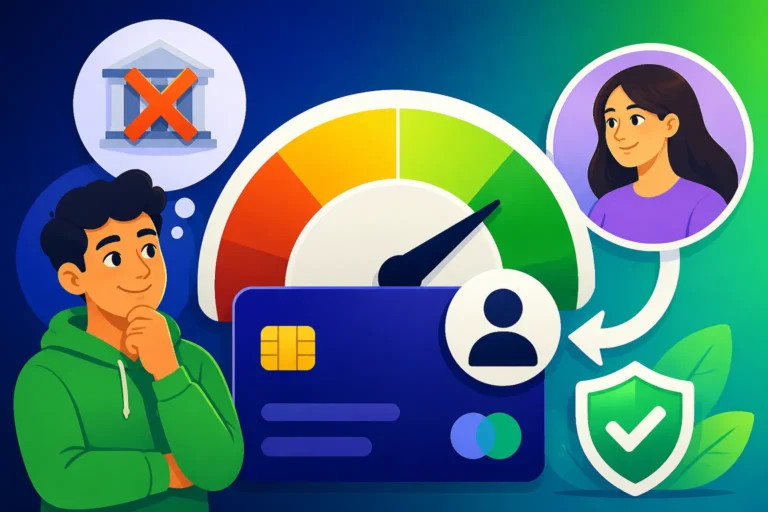
- Authorized User Status: If a trusted family member (like a parent) with excellent credit is willing to add you as an authorized user on one of their credit cards, their positive payment history can reflect on your credit report. This can give your credit score a quick boost, but it's crucial that the primary cardholder maintains responsible use.
- Experian Boost and Rent Reporting: Services like Experian Boost allow you to get credit for on-time utility and cell phone payments. While it only impacts your Experian FICO score, every little bit helps. Similarly, some services allow you to report your rent payments to the credit bureaus, which can be beneficial if you're consistently paying on time.
Combining a student credit card with one or more of these alternatives can accelerate your credit-building journey significantly. For instance, using your student card for small purchases and having a Credit Strong credit builder loan demonstrating consistent installment payments can create a well-rounded credit profile.
Here's a quick comparison of common starter credit-building tools:
| Feature | Student Credit Card | Secured Credit Card | Credit Builder Loan (e.g., Credit Strong) | Authorized User |
|---|---|---|---|---|
| Initial Requirement | Proof of enrollment, "income" (broadly defined) | Cash deposit (becomes credit limit) | Regular payments, funds often locked | Primary cardholder with good credit |
| Credit Check | Often a hard inquiry | Often a hard inquiry (but approval easier) | Usually a soft inquiry or no credit check | No direct credit check for authorized user |
| Reports As | Revolving credit | Revolving credit | Installment loan | Revolving credit (reflects primary user's history) |
| Best For | First credit card, learning revolving credit | Building credit with lower risk | Adding installment history, forced savings | Quick boost from trusted individual's good credit |
| Cash Access | Yes (credit line) | Yes (credit line up to deposit) | No (funds held until loan paid off) | Yes (via primary user's card) |
| Potential Downsides | Can lead to debt if mismanaged | Requires upfront deposit | Funds inaccessible during loan term, small fees | Depends on primary user's responsible usage |
Regularly Check Your Credit Report
Once you start building credit, it's essential to keep an eye on your progress. You're entitled to a free credit report from each of the three major bureaus (Equifax, Experian, and TransUnion) once a year at AnnualCreditReport.com. Take advantage of this. Review your reports carefully for any errors or discrepancies. Incorrect information can negatively impact your score, so if you spot anything, dispute it immediately. You can find more information in our guide on How to Dispute Credit Report Errors (Step-by-Step). Regularly checking your report helps you understand What's on Your Credit Report? Explained and ensure your hard work is being accurately reflected.
Common Pitfalls and How to Avoid Them
Building credit, especially without a job, comes with its own set of potential traps. Being aware of these common mistakes can save you a lot of headache and protect the positive credit history you're working so hard to establish.
Overspending and Accumulating Debt
This is, by far, the biggest danger of having a credit card. It's easy to see your credit limit as "free money," especially when your bank account might be looking a little sparse. However, a credit card is a loan, and if you can't pay it back, you'll end up in debt. Interest rates on credit cards can be notoriously high, often in the double digits, which means even a small balance can quickly balloon into something unmanageable if you're only making minimum payments. For instance, if you have a $500 balance with a 20% APR and only pay the minimum, it could take years to pay off and cost you hundreds in interest.
To avoid this, treat your credit card like a debit card. Only charge what you know you can pay off in full when the bill comes due. If you don't have the cash in your checking account for a purchase, don't put it on your credit card. This discipline is crucial, especially when you don't have a steady income stream to fall back on for unexpected expenses. Living within your means is more important than ever.
Missing Payments: The Costly Mistake
As we discussed, payment history is the most significant factor in your credit score. Missing even one payment by 30 days or more can cause a substantial drop in your score. For someone with a thin credit file (meaning not much credit history), a single late payment can be particularly devastating. It tells lenders that you're a high-risk borrower and can make it much harder to get approved for other credit products, like loans or apartments, in the future.
Beyond the credit score impact, late payments also incur fees from the card issuer, and if they're severe enough, they can lead to an increased interest rate (a penalty APR). This compounds your financial problems. Always, always make at least the minimum payment on time. Setting up automatic payments from your checking account for the minimum amount is a foolproof way to prevent accidental missed payments. You can even set it to pay the full statement balance if you're confident in your budgeting.
Applying for Too Many Cards Too Soon
When you're eager to build credit, it might be tempting to apply for several student credit cards or other credit products at once. However, this can backfire. Each time you apply for new credit, a "hard inquiry" is typically placed on your credit report. While one or two hard inquiries won't significantly hurt your score, multiple inquiries in a short period can signal to lenders that you're desperate for credit, which is often associated with higher risk.
These inquiries stay on your report for two years and can cause a small, temporary dip in your score. For someone just starting out, these small dips can have a more pronounced effect. Focus on getting and managing one student credit card responsibly for at least 6-12 months before considering another credit product. This allows your positive payment history to build up and your score to stabilize.
Disclaimer
This article is for general informational purposes only and does not constitute professional advice. Laws, prices and regulations vary by location and change over time. Consult a qualified professional for guidance on your specific situation.