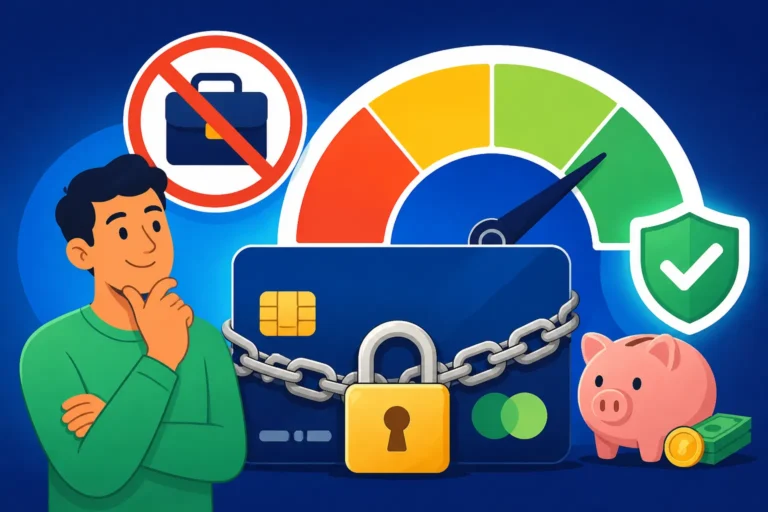
How to Build Credit After a Repossession Using a Chime Credit Builder Card
It's incredibly frustrating when life throws a curveball, and suddenly you're dealing with something as serious as a repossession. That mark on your credit report can feel like a heavy weight, making it seem impossible to get back on track. This guide is all about tackling that challenge head-on, offering a clear, actionable path to rebuild your credit score, specifically by leveraging the unique benefits of a Chime Credit Builder Card.
Understanding Repossession and Its Credit Impact
A vehicle repossession isn't just about losing your car; it's a financial earthquake that can severely damage your credit standing for years. It's a tough reality to face, but understanding its full impact is the first step toward recovery.
The Harsh Reality of a Repossession on Your Credit
Let's not sugarcoat it: a repossession is one of the most detrimental events that can hit your credit report. When you default on a loan, especially an auto loan, and the lender repossesses the collateral (your car), they then sell it, usually at auction. The difference between what you owed and what they sold it for, plus any fees, becomes a "deficiency balance" that you are still responsible for. All of these actions – the late payments leading up to it, the repossession itself, and any deficiency balance sent to collections – are reported to the major credit bureaus: Equifax, Experian, and TransUnion.
The moment a repossession hits your credit report, you can expect a significant drop in your credit score, often by 100 points or more, depending on your starting score and other factors. This negative mark typically stays on your credit report for up to seven years from the original date of the delinquency that led to the repossession. For a deeper dive into this timeline, you might want to read our guide on how long does a repossession stay on your credit report?. During this period, it sends a clear signal to potential lenders that you've struggled with repaying debt, making it much harder to secure new credit, loans, or even housing.
Why Rebuilding is Crucial After a Repossession
The aftermath of a repossession isn't just about a lower credit score; it impacts almost every aspect of your financial life. Trying to get another car loan, secure a mortgage, or even rent an apartment can become a monumental challenge. Landlords and lenders use your credit report as a key indicator of your financial responsibility, and a repossession raises a serious red flag. You might find yourself facing higher interest rates, larger security deposits, or outright rejections for credit applications.
Beyond loans and housing, a poor credit score resulting from a repossession can even affect things like your auto insurance premiums or your ability to get certain jobs. Some employers check credit reports as part of their background checks, especially for positions involving financial responsibility. That's why actively working to rebuild your credit is not just a good idea, it's absolutely essential to regain financial stability and open doors that may feel closed right now. It takes time and consistent effort, but it is entirely possible to improve your credit standing even after such a setback.
The Chime Credit Builder Card: A Path to Recovery
When you're trying to rebuild credit, especially after a repossession, finding a tool that's accessible and effective is key. That's where the Chime Credit Builder Card comes into play, offering a unique approach that stands out from traditional secured credit cards.
How the Chime Credit Builder Card Works
The Chime Credit Builder Visa® Credit Card is designed specifically for people looking to build or rebuild their credit without falling into common debt traps. What makes it particularly appealing for those recovering from a repossession is that there's no credit check to apply, which means your past credit challenges won't immediately disqualify you. You also won't encounter an annual fee or interest charges, which can be significant hurdles with other cards.
Here’s the genius behind it: it’s a secured credit card, but it works a little differently. Instead of a traditional cash deposit held by the bank, with Chime, you move money from your Chime Checking Account into a separate Credit Builder Secured Account. This money then becomes your credit limit. When you make purchases with the Credit Builder Card, that amount is deducted from your secured account. At the end of the month, Chime automatically pays your balance from that secured account. This "Safe Credit Building" feature means you can’t spend more than you have, effectively preventing debt and ensuring on-time payments, which are crucial for improving your credit score. Chime reports your activity to all three major credit bureaus, helping to establish a positive payment history.
Step-by-Step: Using Chime to Rebuild After Repossession
Getting started with the Chime Credit Builder Card after a repossession is a straightforward process, designed to put you on the fast track to positive credit reporting.
- Open a Chime Checking Account: The Credit Builder Card requires you to have a Chime Checking Account. If you don't have one already, you'll need to open one and set up qualifying direct deposits of $200 or more within 365 days. This is a crucial first step.
- Apply for the Chime Credit Builder Card: Once your Chime Checking Account is active and you've met the direct deposit requirement, you can apply for the Credit Builder Card right through the Chime app. Remember, there's no credit check, so your repossession won't be an immediate barrier.
- Fund Your Credit Builder Secured Account: After approval, you'll transfer money from your Chime Checking Account into your Credit Builder Secured Account. This amount becomes your credit limit. Start with an amount you're comfortable with – even $50-$100 is enough to begin building positive history.
- Make Small, Regular Purchases: Use your Chime Credit Builder Card for everyday expenses you already planned to pay for, like groceries, gas, or streaming services. The key is to treat it like a debit card – only spend what you have available in your secured account.
- Utilize "Safer Credit Building": Enable the "Safer Credit Building" feature in the Chime app. This allows Chime to automatically pay your monthly statement balance using the funds in your secured account. This ensures 100% on-time payments, which is the most impactful factor in your credit score. This approach helps you avoid the common pitfalls of missed payments and high credit utilization.
By consistently following these steps, you'll be creating a steady stream of positive payment history, a powerful counterweight to the negative impact of a repossession.
Maximizing Your Credit Rebuilding Efforts with Chime
Simply having the Chime Credit Builder Card is a great start, but truly maximizing its potential means adopting smart financial habits and potentially layering in other strategies. This proactive approach will help accelerate your credit recovery journey.
Strategic Spending and Payment Habits
The way you use your Chime Credit Builder Card plays a huge role in how quickly and effectively you rebuild your credit. Even though Chime's "Safer Credit Building" feature automatically pays your full balance, being mindful of your spending throughout the month can still offer benefits. Credit utilization, the percentage of your available credit that you're using, is a significant factor in your credit score. While the secured nature of the Chime card mitigates risk, keeping your reported utilization low can be beneficial.
Aim to keep your spending on the card well below your secured limit, ideally under 30%. For example, if you have $200 in your secured account, try to keep your monthly spending below $60. Even better, you can "pay" your card multiple times a month by moving funds into your secured account and then having Chime draw from it. This ensures that when Chime reports your balance to the credit bureaus, it shows a very low or even zero balance, which is excellent for your credit utilization ratio. Always, and I mean always, ensure funds are available in your secured account for Chime to make that on-time payment. Consistency is king here.
Combining Chime with Other Credit-Building Strategies
While the Chime Credit Builder Card is an excellent tool, combining it with other credit-building strategies can supercharge your efforts. Think of it as building a strong foundation and then adding more reliable beams to the structure.
One effective strategy is exploring secured loans, often referred to as credit builder loans. Companies like Credit Strong offer these loans, where you make payments into a savings account that's held as collateral. Once the loan term is up, you get access to the funds. These loans diversify your credit mix by adding an installment loan to your profile, which can be very beneficial for your credit score. For more on this, check out our article on credit builder loans explained. Another option is becoming an authorized user on a trusted family member's credit card, provided they have a long history of responsible credit use and low utilization. This can add their positive history to your report, but make sure they understand the implications and risks. You can learn more about how to become an authorized user to build credit in our detailed guide. The goal is to consistently demonstrate responsible financial behavior across multiple types of accounts.
Monitoring Your Progress and Credit Report
After a repossession, your credit report needs extra scrutiny. It's not enough to just build new positive credit; you also need to ensure that the information being reported is accurate. You are entitled to a free copy of your credit report from each of the three major bureaus (Equifax, Experian, and TransUnion) once every 12 months via annualcreditreport.com.
Regularly check your reports for any inaccuracies related to the repossession, the deficiency balance, or any other items. Mistakes happen, and even a small error can negatively impact your score or prevent improvements. If you find any discrepancies, you should dispute them immediately. Our guide on how to dispute credit report errors provides a step-by-step walkthrough. Also, keep an eye on your new Chime Credit Builder Card activity to ensure it's being reported correctly. Many apps and services offer free credit score monitoring, which can give you a quick snapshot of your progress, but remember to pull your full reports for the detailed view. Staying informed and proactive about your credit report is paramount to your rebuilding success.
Common Questions and Misconceptions About Repossession and Credit Building
Dealing with a repossession can be a confusing and disheartening experience, often leading to many questions about how to move forward. Let's clear up some common concerns and set realistic expectations for your credit rebuilding journey.
Can a Repossession Be Removed From My Credit Report?
This is perhaps the most common question, and the answer, unfortunately, is generally no, not unless the information is inaccurate. A repossession, as a legitimate negative item, can remain on your credit report for up to seven years from the date of the first missed payment that led to the default. The Fair Credit Reporting Act (FCRA) dictates how long negative information can be reported. If the repossession is valid and accurately reported, you cannot simply have it removed before that seven-year period expires.
However, there's a critical caveat: accuracy. You absolutely should scrutinize your credit reports from all three bureaus for any errors related to the repossession. Is the date of delinquency correct? Is the deficiency balance accurate, or has it been paid or settled? Are there duplicate entries? If you find any inaccuracies, you have the right to dispute them with the credit bureaus. Sometimes, an error might lead to the item being removed. For instance, if the original creditor sold the debt to a collector, and then that collector reported it with an incorrect date, disputing that discrepancy could lead to its removal. But be realistic: a valid, accurately reported repossession is likely to stay put. For detailed steps on removing negative items, you can explore guides like how to remove negative items from your credit report.
How Long Will It Take to See Improvements?
Rebuilding your credit after a repossession is not an overnight process; it requires patience and consistent effort. While you might start to see minor improvements in your credit score within a few months of consistently using your Chime Credit Builder Card and practicing good financial habits, significant gains typically take longer.
Think in terms of months, and more realistically, years. Every on-time payment you make with your Chime card, every low utilization report, and every new positive account adds weight to your credit profile, gradually overshadowing the negative impact of the repossession. After about 6-12 months of diligent credit building, you should see a noticeable upward trend. However, to truly offset the damage and reach a "good" credit score range (often considered 670 and above), it can take anywhere from 1 to 3 years, sometimes even longer, depending on the severity of your prior credit issues and how aggressively you rebuild. Remember, the repossession itself will eventually fall off your report after seven years, which will provide a substantial boost. For a more general overview of timelines, you can refer to our guide on how long does credit repair take? and how long does it take to build credit?.
Comparing Credit Building Tools
When you're working to rebuild credit, especially after a serious setback like a repossession, understanding the tools available is key. The Chime Credit Builder Card offers distinct advantages, but it's helpful to see it in context with other common options.
Here's a quick comparison to illustrate how the Chime Credit Builder Card stacks up against a more traditional secured credit card, which is another popular choice for those with poor credit.
| Feature | Chime Credit Builder Card | Traditional Secured Credit Card |
|---|---|---|
| Credit Check for Approval | No credit check required | Typically requires a credit check (though often lenient) |
| Security Deposit Process | Funds moved from Chime Checking to a Secured Account | Cash deposit held by the bank |
| Interest Charges | No interest charged | Can charge interest if balance isn't paid in full |
| Annual Fee | No annual fee | Often has an annual fee |
| Credit Limit | Equal to funds in your Secured Account | Equal to your security deposit |
| Prevents Overspending | Yes, cannot spend more than secured funds | No, can spend beyond deposit if approved limit is higher |
| Debt Prevention | Automatic payments from secured account prevent accruing debt | Requires manual on-time payments to avoid interest/debt |
| Direct Deposit Requirement | Yes, requires qualifying direct deposits to Chime Checking | Generally no direct deposit requirement for the card |
| Reporting to Bureaus | Reports to Equifax, Experian, TransUnion | Reports to Equifax, Experian, TransUnion |
As you can see, the Chime Credit Builder Card's unique mechanism, particularly its "Safer Credit Building" feature, makes it an exceptionally user-friendly tool for ensuring timely payments and avoiding new debt, which are two of the most important components of how credit scores work: the complete guide. It specifically addresses the pain points of those who might struggle with managing traditional credit cards responsibly, making it a powerful ally in your journey to build credit after a repossession.
Final Thoughts on Your Credit Rebuilding Journey
Facing a repossession is undoubtedly a tough financial blow, one that can make you feel like you're starting from scratch. But I want you to know that it is absolutely possible to bounce back and build a stronger credit future. The path won't be without its challenges, but with tools like the Chime Credit Builder Card, along with a commitment to consistent, responsible financial habits, you have a clear roadmap to recovery.
Remember, rebuilding your credit is a marathon, not a sprint. Focus on making every payment on time, keeping your credit utilization low, and regularly checking your credit reports for accuracy. Each positive action you take, no matter how small it seems, contributes to repairing your credit health. Don't let past setbacks define your financial future; instead, use them as motivation to build a more secure and resilient financial foundation.
Disclaimer
This article is for general informational purposes only and does not constitute professional advice. Laws, prices and regulations vary by location and change over time. Consult a qualified professional for guidance on your specific situation.