How to Build Credit With Bad Credit Using a Kikoff Account
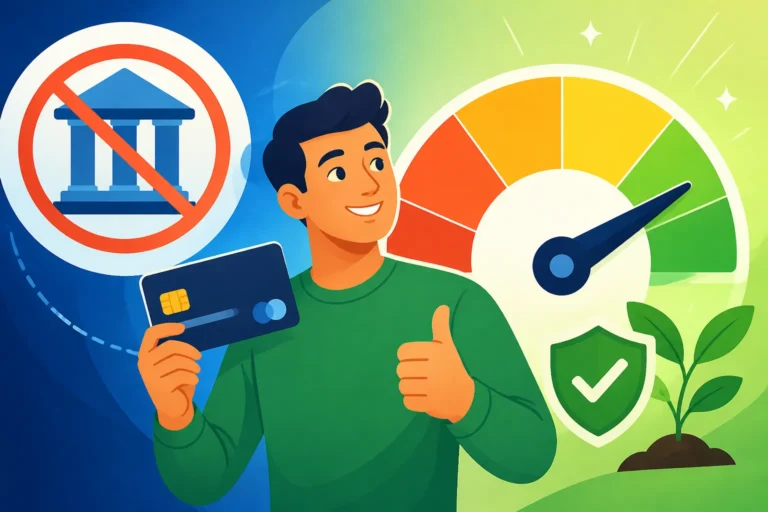
It's incredibly frustrating, isn't it, when you're trying to improve your financial standing but feel constantly blocked because of past credit mishaps? Many of us have been there, facing the uphill battle of bad credit, where getting approved for traditional credit products feels like an impossible dream. But don't despair! This comprehensive guide will walk you through how a specific tool, like a Kikoff account, can be a practical step in your journey to build credit, even if you're starting with a less-than-ideal credit history.
The Reality of Bad Credit and the Cycle of Exclusion
Let's be real: having bad credit isn't just an abstract number; it impacts your everyday life in tangible ways. You might struggle to rent an apartment, get approved for a car loan with reasonable interest rates, or even secure certain jobs that involve financial responsibility checks. The typical FICO Score ranges classify anything below 580 as "Poor" and 580-669 as "Fair." If your score falls into these categories, lenders often view you as a higher risk, making them hesitant to extend credit. This creates a vicious cycle: you need credit to build credit, but you can't get credit because your credit is bad. It feels like you're stuck in a financial purgatory, doesn't it?
The major credit bureaus – Equifax, Experian, and TransUnion – collect and maintain reports on your borrowing history. These reports are then used to calculate your credit scores. When your report is riddled with late payments, collections, or even bankruptcies, it sends a clear signal to potential lenders that you might not be reliable. Unfortunately, simply wishing your credit would improve won't make it so. You need proactive steps to demonstrate new, positive financial behavior. This is where alternative credit-building tools come into play, offering a glimmer of hope when traditional doors are slammed shut. They understand this cycle and aim to help you break free by providing a pathway to establish positive credit entries.
How Kikoff Aims to Help You Build Credit
Now, let's talk about Kikoff. Kikoff isn't a traditional credit card or a giant loan; it's designed specifically for people who are trying to establish or rebuild their credit. Think of it as a small, managed line of credit designed to report positive payment history to the major credit bureaus. Their flagship product is often referred to as a "Credit Account."
When you open a Kikoff account, you're essentially approved for a small line of credit – typically around $750. This credit line is only for purchases within the Kikoff online store, which usually sells educational content, e-books, or other digital products. You're not getting cash, and you can't use it at your local grocery store. The genius, however, lies in how you use and pay off this tiny line of credit. You make a small purchase, say an e-book for $10, and then you pay it back in very small, manageable monthly installments – often just a few dollars a month. These small, consistent payments are what get reported to credit bureaus like Equifax and Experian, building your payment history. Because the credit line is small and the payments are tiny, it makes it much easier to keep up and avoid late payments, which are crucial when you're trying to raise your credit score.
The brilliance of Kikoff lies in its simplicity and accessibility. Unlike a secured credit card that requires an upfront deposit, or a traditional loan that might be hard to qualify for with bad credit, Kikoff often has minimal requirements. This lowers the barrier to entry, allowing individuals who might otherwise be excluded from the credit system to start building a positive track record. It directly addresses the "payment history" component, which accounts for a significant portion of your FICO score calculation. By consistently making on-time, small payments, you're actively demonstrating responsible financial behavior, one tiny step at a time. It’s an effective way to put yourself back on the path to a healthier financial future.
Navigating the Kikoff Credit Account: A Practical Approach
So, you've decided to give Kikoff a try. What's the best way to leverage it? It's pretty straightforward, but a thoughtful approach can maximize its benefits for your credit score.
Getting Started with Your Kikoff Account
The sign-up process for Kikoff is generally quick and entirely online. You'll typically need to provide some basic personal information to verify your identity. Once approved, you'll be granted access to your credit line for the Kikoff store. The key here is not to see it as an opportunity to buy things, but as a tool to build your credit. Make a small, single purchase that you know you can easily afford to pay back. Don't be tempted to max out the available credit, even if it's only $750. The goal is consistent, on-time payments, not accumulating new debt. Remember, the smaller your utilization, the better it often looks on your credit report. This is a foundational step in how to build credit from scratch, especially when traditional avenues are closed.
Making Payments and Monitoring Progress
Once you've made your small purchase, Kikoff will set up a payment schedule, usually monthly installments of just a few dollars. The absolute most important thing you can do here is to set up automatic payments. Seriously, automate it! With such small amounts, it's incredibly easy to forget, and even one late payment can derail your efforts. By automating, you ensure that every single payment is made on time, which will reflect positively on your credit report. You can check your progress by regularly accessing your credit score through various free services or by ordering your free credit report directly from the bureaus. Kikoff reports to Equifax and Experian, and sometimes TransUnion, so keep an eye on those specific reports. Over time, you should start to see your payment history improve and, consequently, your score begin to tick upwards.
Optimizing Your Kikoff Strategy
To truly make Kikoff work for you, think about it as one piece of a larger puzzle. While Kikoff reports your positive payment history and helps maintain low credit utilization, its impact alone might not be enough for a dramatic score jump. It's a fantastic starting point, though. Ensure that once your credit is established, you move on to other credit-building methods. For instance, consider how Kikoff compares to other credit builder loans explained (Self, Kikoff & More). Some people choose to keep their Kikoff account open for a long time, maintaining that perfect payment history, which contributes to the "length of credit history" factor in your score. Just remember, consistency is key; a single positive entry won't magically fix years of bad credit, but a consistent stream of on-time payments will gradually paint a more favorable picture.
The Upsides and Downsides of Kikoff for Credit Building
No single credit-building tool is a magic bullet, and Kikoff is no exception. Understanding its advantages and limitations can help you integrate it effectively into your broader financial strategy.
The Advantages: Why Kikoff Can Be a Game-Changer
For individuals grappling with bad credit, Kikoff offers several compelling benefits. First, accessibility is huge. Many credit products require a decent credit score just to get your foot in the door. Kikoff, with its lower eligibility requirements, provides a lifeline for those locked out of traditional credit. Second, the low cost and manageable payments make it sustainable. We're talking about a few dollars a month, which is far less burdensome than a minimum payment on a high-interest credit card. This makes it easier to consistently make on-time payments without financial strain. Third, its focus on reporting to major credit bureaus means your efforts actually count where it matters. By showing positive payment behavior, you're directly addressing one of the most significant factors in your credit score. Lastly, the low credit utilization inherent in its design is a major plus. Since the credit line is small and your purchases are minimal, you'll naturally maintain a very low utilization rate, which looks great on your credit report.
The Limitations: What Kikoff Can't Do (Alone)
While Kikoff is a great starting point, it's important to have realistic expectations. The primary limitation is its small credit line. A $750 line of credit, while helpful for payment history and utilization, isn't going to dramatically boost your "credit mix" or "amounts owed" factors in the same way a diverse portfolio of loans and credit cards might. It's a foundational tool, not a comprehensive solution. Additionally, Kikoff's reporting to all three bureaus can sometimes vary, so you might not see the exact same impact across Equifax, Experian, and TransUnion. While some users might find it impacts all three, others might see it on just two. Finally, it's crucial to remember that Kikoff is just one piece of the puzzle. It won't erase old negative items, like collections or bankruptcies, from your report. For those issues, you'll still need to explore strategies like how to remove collections from your credit report or how to fix your credit after bankruptcy.
Complementing Kikoff with Other Credit-Building Strategies
As valuable as Kikoff can be, especially when you have bad credit, it truly shines when combined with other smart financial moves. Think of it as part of a symphony, not a solo act.
Adding Secured Credit Cards to Your Mix
Once you've established some positive payment history with Kikoff, the next logical step often involves secured credit cards. These cards require a cash deposit that typically acts as your credit limit, making them less risky for lenders. Because you put up the money upfront, they're much easier to get approved for, even with bad credit. Using a secured card responsibly – making small purchases and paying them off in full every month – will further demonstrate your creditworthiness to all three bureaus. This creates another tradeline, diversifying your credit profile and showing a different type of responsible borrowing. You can learn more about how they work in our guide on secured credit cards: how they build credit.
Leveraging Authorized User Status and Rent Reporting
Don't overlook other often-ignored methods. Becoming an authorized user on a trusted family member's credit card can instantly add their positive payment history and credit limit to your report, providing a significant boost, especially to your credit age. Just make sure the account holder has a long history of on-time payments and low utilization. Similarly, rent reporting services, like RentReporters or LevelCredit, can take your on-time rent payments and report them to the credit bureaus. Since rent is often your largest monthly expense, ensuring those payments contribute to your credit score is a no-brainer. This is detailed in our article on rent reporting: can paying rent build credit?.
Diligently Monitoring Your Credit Report
Perhaps one of the most critical habits to develop when rebuilding credit is regularly monitoring your credit report. You can get a free copy of your credit report from each of the three major bureaus once a year through AnnualCreditReport.com. It's essential to understand how to read your credit report thoroughly and look for any inaccuracies or outdated information. Errors are more common than you might think, and they can drag down your score unnecessarily. If you find mistakes, make sure to dispute them promptly. This diligence is crucial for anyone looking to go from no credit to 700 or simply repair a damaged score.
Here's a quick overview of how Kikoff impacts the five main credit score factors:
| Credit Score Factor | Percentage of FICO Score | How Kikoff Can Help |
|---|---|---|
| Payment History | 35% | Significant Impact: Reports on-time payments for small purchases, establishing a positive track record. |
| Amounts Owed (Utilization) | 30% | Positive Impact: Offers a small credit line, making it easy to keep utilization very low (ideally under 10%). |
| Length of Credit History | 15% | Gradual Impact: The longer you keep the account open and active, the more it contributes to your credit age. |
| New Credit | 10% | Minimal Impact: As a single new account, its immediate effect on this factor is low, but it's a stepping stone. |
| Credit Mix | 10% | Minor Impact: Provides one type of credit (a small line of credit), but ideally combined with other credit types later. |
Embracing Long-Term Habits for a Stronger Credit Future
Building credit, especially when starting with a history of bad credit, is a marathon, not a sprint. A tool like Kikoff is an excellent starting point, providing an accessible entry into the world of credit reporting and helping you demonstrate responsible financial behavior. However, its effectiveness is amplified when integrated into a broader strategy that includes other credit-building products and, crucially, a commitment to sound financial habits.
Your journey to a better credit score involves consistently making all your payments on time, keeping your credit utilization low across all accounts, and regularly reviewing your credit reports for accuracy. As your credit score gradually improves and moves out of the "bad" or "fair" categories, you'll find more doors opening – better interest rates on loans, easier approval for apartments, and greater financial flexibility. Remember, the goal isn't just to fix a number; it's to build a foundation for a more secure financial future. Tools like Kikoff are there to help you lay the first bricks, but it's your ongoing diligence and smart choices that will construct the entire building. Understanding what affects your credit score in detail will help you make informed decisions every step of the way.
Disclaimer
The information provided in this guide is for general informational purposes only and does not constitute financial, legal, or professional advice. Always consult with a qualified financial advisor or credit counselor for advice tailored to your specific situation. Credit building results can vary, and past performance is not indicative of future results.