the Self Visa Card Review: Is It Good for Building Credit?
It can feel incredibly frustrating when you're trying to establish or rebuild your credit, but every door seems closed because you don't have credit yet. You know you need a credit card or a loan to get started, but lenders often want to see a good credit history before they'll trust you. This guide is here to walk you through one popular option, the Self Visa® Card, detailing exactly how it works, what it costs, and whether it’s truly a good tool for your unique credit-building journey.
What Exactly is the Self Visa Card and How Does It Work?
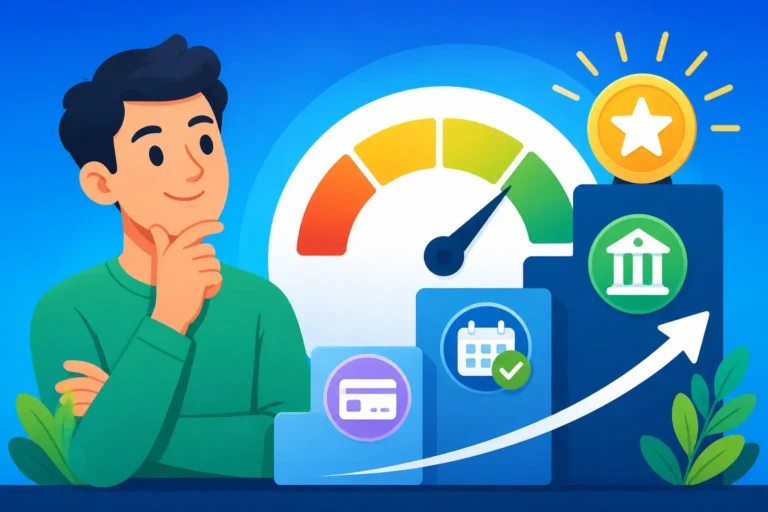
The Self Visa® Card isn't your typical credit card that you apply for directly. Instead, it's a secured credit card that you can graduate to after successfully using a Self credit builder account. Think of it as a two-step process designed to help you build both a positive payment history and some savings along the way.
The Credit Builder Account First
Before you can even think about the Self Visa Card, you start with a Self Credit Builder Account. This is the cornerstone of their program. It's essentially a small installment loan, but with a unique twist: you don't receive the loan money upfront. Instead, the loan amount is placed into a secured certificate of deposit (CD) in your name. You then make fixed monthly payments on this "loan" over a period, typically 12 or 24 months.
Each payment you make is reported to all three major credit bureaus – Equifax, Experian, and TransUnion. This consistent, on-time payment history is crucial for building your credit score. As you make these payments, you're also gradually paying off the loan amount that's held in your CD. Once the loan term ends, and you've made all your payments, the CD matures, and you get access to the money you've saved (minus any fees or interest). It’s a clever way to force savings while simultaneously demonstrating your reliability as a borrower. This model is similar to how other credit builder products, like those from Credit Strong, operate, focusing on consistent payments to build a positive history.
Graduating to the Secured Self Visa Card
After you've shown a commitment to your credit builder account, the Self Visa Card becomes an option. It’s not automatic, but it's a clear path. Generally, to qualify, you'll need to have made at least three on-time monthly payments on your credit builder account, have a minimum of $100 saved in your CD balance, and ensure your account is in good standing. This means no late payments or other negative marks.
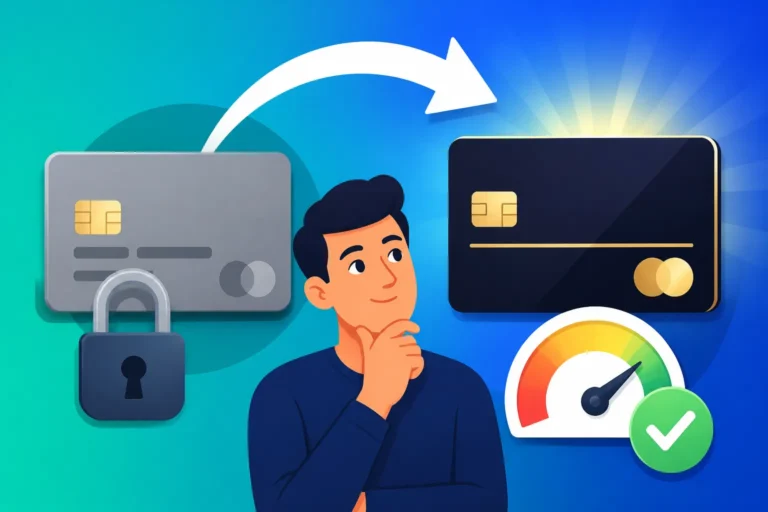
Once you meet these criteria, you can apply for the secured Self Visa Card. The beauty of it is that a portion of the money you’ve saved in your CD from your credit builder account acts as your security deposit for the credit card. So, if you have $300 saved up, you can use that as a $300 security deposit, which then becomes your credit limit on the secured Visa card. This setup means you don't need to come up with new cash for a security deposit, which can be a huge relief for many people just starting out or working with a tight budget. The card works like any other Visa card, but your spending limit is tied to your deposit. Remember, the goal here is to use it responsibly to continue building that strong payment history and healthy credit utilization.
The Pros and Cons of Using the Self Visa Card for Building Credit
Deciding whether the Self Visa Card is right for you involves weighing its benefits against its potential drawbacks. Like any financial product, it has its strengths and weaknesses, especially when you're specifically looking to improve your credit standing.
The Advantages: Why It Can Be a Good Tool
For many folks struggling to get started with credit, the Self Visa Card system offers a structured and accessible pathway.
First and foremost, it’s designed for accessibility. If you have little to no credit history, or even a less-than-perfect credit score, traditional unsecured credit cards are often out of reach. Self provides an entry point. The initial credit builder account usually doesn't involve a hard credit check, making it much easier to get approved. This can be a huge sigh of relief when you've been turned down everywhere else.
Secondly, the system promotes automatic credit reporting to all three major bureaus. This is paramount for building credit. Every on-time payment you make for your credit builder account and then your Self Visa Card is sent to Equifax, Experian, and TransUnion. This consistent reporting helps establish a positive payment history, which is the most significant factor in your credit score. If you're wondering how to build credit from scratch (2026 guide), consistent reporting like this is key.
A unique benefit is that it builds savings while building credit. Because the credit builder loan amount is held in a CD, you're essentially saving money with each payment. At the end of the term, you get that money back (minus fees and interest). This can be a great way for people who find saving difficult to accumulate a small nest egg while simultaneously improving their financial health.
Finally, transitioning to the secured Self Visa Card means you're learning to manage revolving credit responsibly. This mix of installment loan (the credit builder account) and revolving credit (the secured card) can also positively influence your credit mix, another factor credit scoring models consider. Learning how to use a credit card to build and keep good credit is a vital financial skill.
The Disadvantages: What to Watch Out For
While Self offers a valuable service, it's not without its caveats. It's important to go in with your eyes wide open.
One of the main points of concern for some users can be the fees involved. The credit builder account typically comes with an administrative fee that's deducted from the principal of your loan or paid upfront. Then, if you get the Self Visa Card, there’s an annual fee for the card itself. While these fees might seem small, they add up and reduce the net amount of savings you get back from your CD. For comparison, some secured credit cards, like certain offerings from Discover or Capital One, have no annual fee.
Another factor is that the process can feel slower than simply applying for a secured credit card directly. You have to go through the credit builder account phase first, which requires a minimum of three months of on-time payments, and often longer to save up a sufficient security deposit. If your primary goal is to get a secured card in hand as quickly as possible, this staged approach might not be the fastest route.
You also need to be aware of the interest on the credit builder loan. While you get the principal back at the end, you are paying interest on the "loan" portion. This is effectively the cost of building credit through this specific mechanism. It’s important to understand this cost when comparing it to other options.
Lastly, the Self Visa Card, being a secured card, usually starts with a limited credit limit. This means you need to be very mindful of your credit utilization ratio. Using too much of your small limit can actually hurt your score, even if you pay on time. For example, if your limit is $200 and you spend $150, your utilization is 75%, which is very high. Experts generally recommend keeping your credit utilization below 30%, or ideally even lower, like under 10%.
Is the Self Visa Card the Right Fit for Your Credit Journey?
Deciding on the best tool to build credit can feel overwhelming with all the different options out there. The Self Visa Card isn't a one-size-fits-all solution, but it definitely shines for specific individuals and situations.
Who Benefits Most from This Approach
The Self Visa Card, through its credit builder account pathway, is particularly well-suited for a few distinct groups.
Firstly, it's a fantastic option for people with very little to no credit history. If you're just starting out, perhaps as a young adult or someone new to the credit system in the US, getting approved for any credit product can be a challenge. The low barrier to entry for the credit builder account makes it an ideal "starter" product. It allows you to establish those foundational payment habits and get a credit file going. Many people wonder how to get your first credit card with no credit, and this structured approach provides one answer.
Secondly, it's beneficial for those who struggle to save money. The credit builder account essentially acts as a forced savings plan. Each monthly payment contributes to your CD, which you can later use as the security deposit for your Self Visa Card, or simply get back as savings. This dual benefit—building credit and building savings—is a strong selling point if you find it hard to set aside funds regularly. It's like a financial two-for-one deal.
Finally, it appeals to individuals who want a clear, structured path to a secured card. The step-by-step process, from credit builder account to secured card, removes some of the guesswork. You know what you need to do (make on-time payments) to achieve the next step (qualify for the card). This predictability can be comforting for those who feel uncertain about navigating the credit world.
Alternatives and What to Consider
While Self offers a great solution, it's smart to know your other options so you can choose what truly fits your situation best.
Many people consider direct secured credit cards as an alternative. Cards like the Discover it® Secured Card or the Capital One® Platinum Secured Card allow you to apply directly for a secured card, putting down a security deposit upfront. You skip the credit builder loan phase and go straight to the revolving credit product. These can sometimes offer faster access to a credit card and might have lower fees (some even have no annual fee). The main hurdle is often needing the security deposit available right away. If you're looking for what is a good starter credit card, secured cards are frequently at the top of the list.
Then there are other credit builder loans that don't necessarily lead to a secured card within the same company's ecosystem. Companies like Credit Strong offer similar installment loans where your payments build credit history, and you get your money back at the end. These are great for building that payment history without needing to manage a credit card right away. You might then use the savings from such a loan to fund a security deposit for a secured card from a different issuer.
Consider also becoming an authorized user. If you have a trusted family member or friend with excellent credit, they might add you as an authorized user on one of their credit card accounts. Their positive payment history and low utilization could then appear on your credit report, giving you a boost. However, this relies on someone else's good behavior and isn't a direct way to manage your own credit. Learn more about if being an authorized user builds credit.
Finally, don't overlook rent reporting services. Companies like Experian Boost or LevelCredit can allow your on-time rent and utility payments to be reported to credit bureaus, adding positive data to your credit file without needing new debt. This is an increasingly popular way to leverage existing financial responsibilities for credit building.
Here's a quick comparison of the Self Visa Card process versus a traditional secured card:
| Feature | Self Visa Card Pathway | Traditional Secured Credit Card |
|---|---|---|
| Initial Product | Credit Builder Account (installment loan) | Secured Credit Card (revolving credit) |
| Approval Requirements | Easier, often no hard credit check for loan | May have a credit check, requires a security deposit |
| Security Deposit Source | Accumulates from credit builder account payments | Paid upfront by the applicant |
| Time to Get Card | Typically 3-6 months after starting loan | Immediately upon approval and deposit funding |
| Credit Reporting | Both credit builder loan & secured card report | Only the secured credit card reports |
| Fees | Administrative fee (loan) + annual fee (card) | Often annual fee (some no-annual-fee options exist) |
| Dual Benefit | Builds credit + encourages savings | Primarily builds credit |
Maximizing Your Credit Building with Self
Getting the Self Visa Card is a fantastic first step, but how you use it is what truly determines your long-term credit success. It's about building smart habits that will serve you well far beyond this particular card.
Best Practices for Success
Once you have your Self Visa Card, treating it with respect and understanding how it impacts your credit score is vital.
The most important rule, bar none, is to always pay on time. Your payment history accounts for 35% of your FICO score, making it the single largest factor. A single late payment can significantly ding your score and undermine all your hard work. Set up automatic payments, mark your calendar, or do whatever you need to do to ensure every payment is made by the due date. This applies to both your original credit builder account payments and your Self Visa Card payments.
Next, you absolutely must keep your credit utilization low on the Self Visa Card. Credit utilization is the amount of credit you're using compared to your total available credit. Since secured cards often start with lower limits, it's easy to accidentally use too much. Aim to keep your reported balance under 30% of your credit limit, and ideally even lower, like under 10%. If your limit is $300, try not to charge more than $30-$90 in a month, and pay it off in full before the statement closing date. This shows lenders you can manage credit without maxing it out. If you're curious about how much of your credit limit should you use, remember that lower is almost always better.
It's also crucial to monitor your credit report regularly. You can get a free copy of your credit report from each of the three major bureaus once a year via AnnualCreditReport.com. Make it a habit to check them for any errors or unexpected activity. Catching and disputing errors quickly can prevent them from negatively impacting your progress. Learning how to read your credit report (2026 guide) will empower you to stay on top of your financial health.
Finally, understand the graduation process. The goal of a secured card like the Self Visa Card isn't to keep it forever. It's a stepping stone. Self, like many secured card issuers, has a process for graduating to an unsecured card. This usually involves demonstrating consistent, responsible use over a period (e.g., 6-12 months of on-time payments, low utilization). When you graduate, your security deposit is returned, and you get a traditional, unsecured credit card. This is a big win on your credit-building journey!
What Comes After the Self Visa Card?
The Self Visa Card is a powerful starting point, but it's just that – a start. Your credit journey continues long after you graduate from it.
Once you've successfully managed your Self Visa Card and ideally graduated to an unsecured card, your next steps involve transitioning to other unsecured cards and continuing to build a robust credit profile. You might start looking into cards with better rewards, higher limits, or more favorable terms. As your credit score improves, you'll have access to a wider array of financial products at better interest rates, whether it's for a car loan, a mortgage, or simply better credit card perks. Consider how many credit cards should a beginner have; often, starting with one or two and managing them well is better than many.
Continuing to monitor and build is a lifelong habit. Don't stop checking your credit reports, maintaining low utilization, and always paying your bills on time. Your credit score is dynamic, always changing based on your financial activities. Stay proactive, and you'll maintain the excellent credit you've worked so hard to build.
Remember, building credit is a marathon, not a sprint. The strategies you learn and implement with the Self Visa Card will form the foundation for a lifetime of financial health and opportunity.
Disclaimer
This article is for general informational purposes only and does not constitute professional advice. Laws, prices and regulations vary by location and change over time. Consult a qualified professional for guidance on your specific situation.