How to Build Credit With Bad Credit History
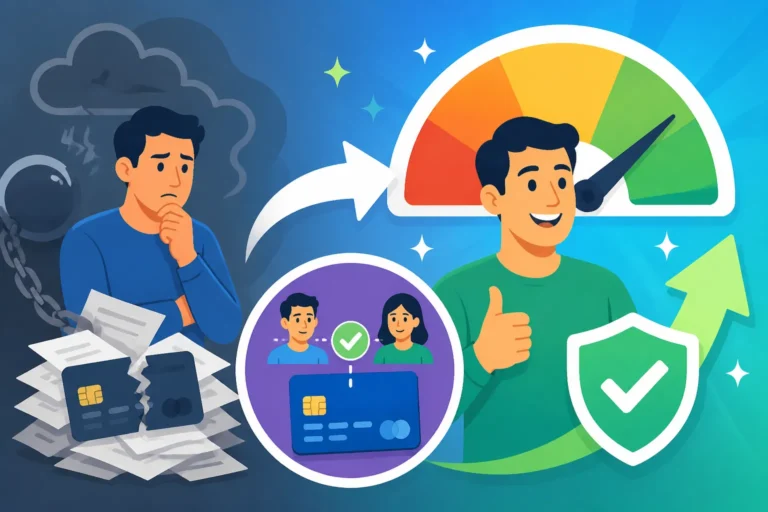
Trying to rebuild your financial life when past credit mistakes seem to block every door is deeply frustrating. Lenders reject your applications, landlords demand higher security deposits, and you are left stuck in a unfair paradox: you need credit to build credit, but nobody wants to grant you a second chance. This comprehensive guide provides actionable, realistic strategies to help you navigate a poor payment history, add positive accounts, and regain control over your financial reputation.
Understanding the Bad Credit Rebuilding Dilemma
Rebuilding a damaged credit file is a fundamentally different process than starting from scratch with a clean slate. When you have no credit history whatsoever, financial algorithms simply view you as an unknown quantity. However, when your reports contain late payments, charge-offs, or collection accounts, scoring systems see historical evidence of risk. Overcoming that negative bias requires patience, strategic planning, and consistent positive behavior over time.
Why Past Credit Mistakes Follow You Around
The modern credit scoring ecosystem relies on historical reporting to predict future financial behavior. When you miss a payment by 30 days or more, your card issuer or lender reports that delinquency to the major credit bureaus. Scoring models view recent payment history as the single most critical indicator of reliability. Consequently, a series of missed payments or a defaulted loan drops your score significantly because it signals that lending to you carries a heightened operational risk.
Furthermore, negative items do not vanish overnight. Most negative information stays on your credit reports for up to seven years, while certain bankruptcies can linger for up to a decade. The system is designed to give lenders a long-term look at how you handle obligations during both good times and difficult seasons. Understanding that these marks have a mandatory statutory lifecycle helps set realistic expectations for your recovery timeline.
The good news is that the impact of negative marks diminishes as they age. A late payment from three years ago carries far less weight in calculation algorithms than a late payment from three months ago. By focusing on adding fresh, positive payment data right now, you can gradually outweigh the old, negative entries and demonstrate a clear trajectory of financial recovery.
The Difference Between No Credit and Bad Credit
It is easy to lump a “thin credit file” and a “bad credit file” into the same category, but lenders evaluate them using entirely different criteria. Someone with no credit history is a blank canvas. They have no track record of late payments, no collection accounts, and no high credit card utilization. Lenders often approve these individuals for beginner financial products relatively quickly because there are no red flags on file.
Conversely, having bad credit means your report contains active red flags. Lenders see concrete examples where money was borrowed and not repaid according to the original agreement. Because of this, automatic underwriting software may immediately flag or decline applications for standard credit products, forcing you to seek out specialized financial tools designed specifically for credit restoration.
Recognizing this distinction is crucial because traditional credit-building advice does not always apply to someone with a damaged history. You cannot simply walk into a bank and get approved for a standard unsecured card. You must use dedicated credit-rebuilding strategies that protect the lender from risk while allowing you to log monthly on-time payments to the bureaus.
Stopping the Bleeding Before You Rebuild
Before you open new accounts or attempt fancy credit hacks, you must stabilize your current financial situation. Trying to build credit while actively missing payments on existing debt is like trying to scoop water out of a leaking boat without patching the hole first. Every new 30-day delinquency will wipe out months of hard work and positive reporting.
Take a detailed inventory of every debt, bill, and open account you currently owe. Reach out to existing creditors if you are struggling to make minimum payments. Many credit card issuers and personal loan providers offer temporary hardship programs that can lower your monthly obligation or lower your interest rates, preventing your accounts from rolling into default or being sold to third-party collection agencies.
Once your current accounts are stabilized or at least accounted for, you can create a baseline budget that prioritizes on-time payments above all else. Establishing this foundation ensures that when you open new credit-building products, you have the financial cash flow required to maintain a flawless payment record moving forward.
Low Risk Financial Products Built for Rebuilding
When traditional loan and credit card applications result in immediate rejections, specialized financial products offer a safe bridge back into the mainstream banking system. These tools are structured specifically to eliminate lender risk, making approval accessible even to those with severe past credit blemishes.
| Method | Upfront Deposit? | Risk Level | Primary Benefit | Best Suited For |
|---|---|---|---|---|
| Secured Card | Yes (refundable) | Low-Med | Revolving credit line | Everyday small purchases |
| Builder Loan | No (monthly cash) | Ultra-Low | Forced savings habit | Adding installment credit |
| Credit Strong | No (monthly cash) | Ultra-Low | Large credit lines | Long-term mix diversification |
| Authorized User | No | Zero | Instant history boost | Friends/Family support |
How Secured Credit Cards Turn the Tables
Secured credit cards are widely considered the gold standard for recovering from a bad credit history. Unlike a traditional unsecured credit card, a secured card requires an upfront refundable cash deposit that acts as collateral for your credit line. If you place a cash deposit with the bank, that amount typically becomes your maximum spending limit.
Because the issuing bank holds your cash deposit in a locked account, they take on virtually zero risk by approving your application. If you fail to pay your bill, the bank can simply keep the deposit to cover the balance. Because the lender’s risk is mitigated, approval rates for secured cards are exceptionally high, making them ideal for individuals recovering from defaults or bankruptcy.
When using a secured card to rebuild, the objective is not to buy items you cannot afford. Instead, place a small, recurring bill—like a monthly streaming subscription—on the card, set up automatic payments for the full statement balance, and lock the card away. The bank reports your monthly on-time payment to Equifax, Experian, and TransUnion, steadily accumulating positive payment history without placing you at risk of falling into debt. For a deeper breakdown of how these tools operate, read our guide on Secured Credit Cards: How They Build Credit.
Credit Builder Loans as an Alternative Engine
While credit cards provide revolving credit, credit builder loans offer an installment loan structure without requiring an upfront collateral deposit. In a standard loan, a lender hands you cash upfront, and you pay it back over time. A credit builder loan completely reverses this process to safeguard the financial institution against default.
When you are approved for a credit builder loan, the lender deposits the full loan amount into a locked, interest-bearing savings account or certificate of deposit. You do not have access to these funds immediately. Instead, you make fixed monthly payments over a set term. Each month, the lender reports your payment activity to the major bureaus. Once the loan term concludes and all payments have been made, the lender unlocks the savings account and returns the accumulated funds to you, minus any applicable fees or interest.
This structure serves a dual purpose: it builds a track record of consistent installment payments while helping you accumulate a small cash cushion. Lenders love to see a mix of revolving accounts and installment loans on your file. Adding an installment account helps round out your profile, which is a key component when learning What Affects Your Credit Score? The 5 Factors.
Leveraging Credit Strong for Safe Savings and Reporting
For individuals who want to build installment history while simultaneously accumulating a financial safety net, products like Credit Strong offer a streamlined, fully digital solution. Credit Strong operates as a division of an FDIC-insured bank, providing specialized credit builder accounts designed to report positive installment payment data directly to the credit bureaus.
When you open an account through Credit Strong, you select a monthly payment plan that aligns comfortably with your budget. The bank places the corresponding loan proceeds into a locked savings account in your name. As you make your scheduled monthly payments, Credit Strong reports every on-time transaction, allowing you to demonstrate sustained credit responsibility without requiring a upfront collateral outlay.
The key benefit of utilizing a dedicated provider like Credit Strong is the structured environment it provides for credit recovery. You can build up substantial reported installment history over extended terms, which helps rebuild the depth of your credit profile. Once the term is complete, the locked principal funds become accessible to you, giving you both an improved credit score and a pool of savings to protect against future unexpected expenses.
Creative Strategies to Add Positive Payment History
Relying strictly on new credit cards or loans is not the only way to rehab a damaged credit profile. You can also leverage non-traditional credit reporting tools and existing accounts to accelerate your credit recovery.
Piggybacking via Authorized User Status
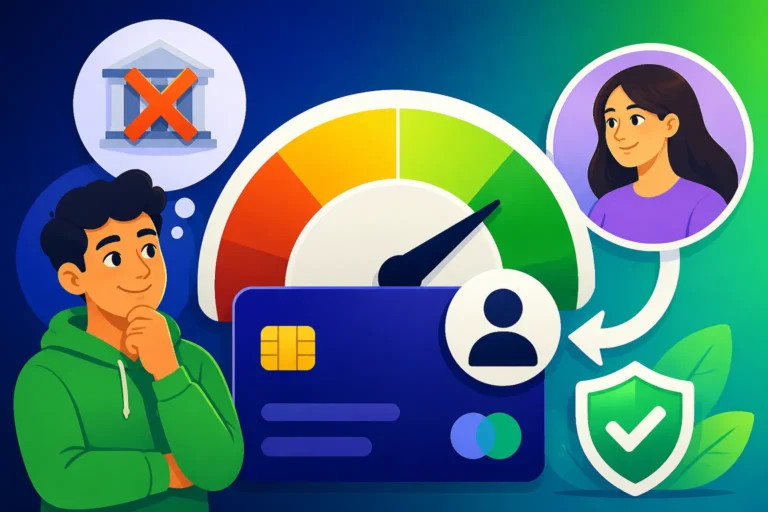
Becoming an authorized user on a family member or trusted friend’s established credit card account is one of the fastest ways to inject positive history into your profile. When you are added as an authorized user, the primary cardholder’s account history for that specific card is often copied onto your credit reports.
If the primary account holder has a flawless payment record, a high credit limit, and low ongoing balance utilization, those positive metrics immediately reflect on your report. This added history can help dilute the overall percentage of negative items on your file and provide a temporary lift in your overall score, making it easier to qualify for your own independent financial products later on.
However, this strategy carries mutual risks that must be carefully managed. If the primary cardholder suddenly misses a payment or maxes out the card, that negative data will also appear on your credit file. Before moving forward with this method, ensure both parties understand the commitments involved by reviewing our overview on Authorized User Benefits and Risks.
Reporting Rent and Monthly Utility Bills
Historically, monthly rent payments, electric bills, mobile phone plans, and water services were completely invisible to the major credit reporting agencies unless you defaulted and were sent to collections. Today, specialized reporting platforms allow you to turn these routine household expenses into verified positive payment data.
Through various rent-reporting services, you can verify your lease agreement and bank account to have your ongoing monthly rent payments sent directly to the credit bureaus. Some services can even backdate your rental history for up to 24 months, providing an instant infusion of positive installment-style reporting. If you pay your rent reliably every month, this is one of the lowest-hanging fruits available for credit recovery. To learn more about setting this up, check out Rent Reporting: Can Paying Rent Build Credit?.
Similarly, utility reporting tools allow you to link your primary checking account to scan for recurring utility and telecommunication payments. Once verified, these positive payments are factored into specific credit scoring models. While not all commercial lenders weigh utility data equally, it serves as valuable supportive evidence of your financial consistency.
Combining Credit Strong Accounts with Revolving Cards
To achieve a well-rounded credit profile, financial experts often recommend maintaining a strategic blend of revolving credit (credit cards) and installment credit (loans). Operating only one type of account limits your potential growth under modern scoring models.
By pairing a secured card with an installment account from Credit Strong, you effectively build both sides of your credit mix simultaneously. The secured card establishes revolving payment history and demonstrates your ability to manage open spending limits, while the Credit Strong account logs steady, predictable installment payments month after month.
This dual approach creates a powerful synergy. As both accounts mature, your payment history builds up a dense layer of recent, flawless reporting that gradually pushes older, negative credit marks into the background.
Managing Existing Negative Items While Building New Credit
Adding positive accounts is only half of the credit rebuilding equation. You must also actively address the negative items sitting on your credit reports. Leaving inaccurate or unverified negative entries unchecked can severely slow down your score’s recovery.
Auditing Your Reports for Inaccurate Errors
Credit bureaus process billions of data points every month, and errors occur far more frequently than most consumers realize. Accounts that do not belong to you, incorrect payment statuses, outdated balance figures, and duplicate collection entries can drastically pull down your score.
You are legally entitled to access your credit reports from Equifax, Experian, and TransUnion for free. Download your reports and meticulously examine every single line item. Look for closed accounts listed as open, late payments that were actually made on time, or old collection debts that have exceeded the statutory seven-year reporting window.
If you discover incorrect or unverifiable information, you have the legal right under federal law to dispute those items directly with the credit reporting agencies. The bureaus are required to investigate your claim and remove or correct any data that cannot be verified by the creditor. You can follow our step-by-step framework on How to Dispute Credit Report Errors (Step-by-Step) to clean up your file properly.
Dealing With Active Collections and Past Due Debts
If your credit reports contain valid, accurate collection accounts, ignoring them will not make them go away. While an unpaid collection damages your score, how you resolve that collection can impact your ability to qualify for future loans, mortgages, or apartment leases.
Many modern credit scoring models ignore paid collection accounts entirely, meaning that settling an old debt can provide an immediate boost under those specific algorithms. When dealing with collection agencies, you can often negotiate to settle the debt for less than the full amount owed, or request a written agreement where the collector agrees to delete the account from your credit reports upon receiving payment.
Navigating conversations with collection agencies requires a clear strategy to ensure you do not inadvertently restart legal statutes of limitations or pay accounts that are not legally enforceable. Read our dedicated guide on How to Fix Your Credit After Collections before contacting any third-party collectors.
| Negative Item Type | Standard Impact Duration & Management Strategy |
|---|---|
| 30 to 90 Day Late Payments | Stays for 7 years; impact drops significantly after 24 months |
| Charge-Offs | Stays for 7 years; pay or settle to show zero balance owed |
| Collection Accounts | Stays for 7 years; attempt negotiation or pay-for-delete |
| Chapter 7 Bankruptcy | Stays for 10 years; rebuild immediately with secured products |
Navigating Serious Derogatory Events
If your bad credit history is the result of major financial setbacks like foreclosure or bankruptcy, the path to recovery requires a structured long-term plan. While these events cause an immediate, severe drop in your credit score, their impact is not permanent.
Immediately following a bankruptcy discharge, your credit score will be low, but your debt-to-income ratio will often look vastly improved because qualifying dischargeable debts have been legally erased. This clean slate allows you to immediately begin rebuilding using low-risk products like secured cards or specialized builder accounts like Credit Strong.
By adding small, manageable lines of credit immediately after a major financial event, you signal to the market that your financial crisis is officially in the past. To explore a targeted recovery blueprint following major legal discharges, consult our step-by-step guide on How to Fix Your Credit After Bankruptcy.
Strategic Habits for Long-Term Credit Health
Building bad credit back into good credit is ultimately a game of habit formation. The tools and products you open are only as effective as the daily, monthly, and yearly financial routines you put behind them.
Setting Up Bulletproof Payment Systems
Payment history accounts for roughly 35% of your total credit score calculation, making it the absolute most important factor in your rebuilding journey. A single missed payment while trying to rebuild can undo a year’s worth of progress in an instant.
To ensure you never miss a payment deadline:
1. Log into every financial account and enable automated payments for at least the minimum amount due.
2. Align your payment due dates with your payday schedule whenever possible by contacting your card issuers.
3. Set up email and text alerts five to seven days prior to any upcoming bill due date.
4. Keep a modest cash buffer in your primary checking account to avoid overdraft fees or returned payments.
Automation removes human error and emotion from the credit-rebuilding process. Even if you forget a bill due date during a busy week, your automated systems ensure your payment registers as on-time with the credit bureaus.
Keeping Utilization Ultra-Low
Your credit utilization ratio—the percentage of your available revolving credit limits that you are currently using—is the second most influential factor in your credit score. High credit utilization signals financial distress to scoring algorithms, even if you make every payment on time.
If you have a secured credit card with a low spending limit, spending even a small amount can artificially inflate your utilization ratio. For example, if your credit limit is $200 and you place a $100 purchase on the card, your utilization ratio spikes to 50%, which will temporarily drop your credit score.
To maintain optimal scores, keep your reported balances below 10% of your total available limit across all cards. Pay off your card balance before the official statement closing date so that the bank reports a zero or minimal balance to the credit bureaus. If your utilization is currently high and dragging down your progress, apply the actionable steps outlined in How to Lower Your Credit Utilization Fast.
Monitoring Progress Without Panicking
Rebuilding bad credit history is a marathon, not a sprint. Your credit score will naturally fluctuate from month to month based on balance updates, reporting timing, and account aging. Obsessing over minor 5-point or 10-point drops can lead to unnecessary frustration and impulsive financial decisions.
Check your credit reports and scores through free monitoring tools once or twice a month to track broad trends, verify that payments are reporting accurately, and monitor for identity theft. Celebrate the major milestones—such as six months of consecutive on-time payments, reaching a 600 or 650 credit score milestone, or paying off a lingering collection account.
By consistently combining safe rebuilding tools like secured cards and Credit Strong accounts with accurate dispute management and low balance utilization, you will systematically erase the footprint of past financial mistakes. Over time, your bad credit history will transform into a resilient, healthy credit profile that opens doors to competitive mortgage rates, premium credit cards, and total financial independence. For additional fast-track methods to boost your score, check out our insights on How to Build Credit Fast: What Actually Works.
Disclaimer
This article is for general informational purposes only and does not constitute professional advice. Laws, prices and regulations vary by location and change over time. Consult a qualified professional for guidance on your specific situation.