Credit Freeze vs Credit Lock vs Fraud Alert
It's a scary thought, isn't it? The idea that someone could open credit cards, take out loans, or even buy a house in your name without you ever knowing. In today's digital world, identity theft and financial fraud are real, persistent threats that can wreak havoc on your credit and peace of mind. Navigating the world of credit protection can feel like wading through alphabet soup, with terms like 'credit freeze,' 'credit lock,' and 'fraud alert' often used interchangeably, leading to confusion and a false sense of security. This comprehensive guide is here to untangle those complexities, clearly explaining what each protection tool does, how they differ, and most importantly, when and how to use them effectively to safeguard your financial future.
Understanding the Threat: Why Credit Protection Matters
Let's be real, nobody wakes up eager to think about identity theft or financial fraud. It's not a pleasant topic, and frankly, it feels like something that only happens to "other people." But the truth is, in our increasingly connected world, personal data breaches are unfortunately common, and even a small slip-up can leave you vulnerable. Understanding why credit protection is so crucial is the first step toward taking proactive control of your financial security.
The Reality of Identity Theft Today
Identity theft isn't just about someone stealing your wallet anymore. It's far more sophisticated and often happens without you even realizing it until it's too late. Think about all the places your personal information lives: online shopping sites, social media, healthcare providers, even your favorite coffee shop's loyalty program. Each of these can be a potential weak point. Criminals are constantly finding new ways to exploit this data, from phishing scams that trick you into revealing your Social Security number to large-scale data breaches at major corporations. They might use your information to open new credit lines, file fraudulent tax returns, or even commit crimes in your name. It's a pervasive issue that demands our attention, even if it feels overwhelming.
It's not just the big news stories about millions of records being compromised that you need to worry about. Sometimes, it's a more targeted attack, or simply an old account credential floating around the dark web. The sheer volume of personal data being exchanged and stored means that the opportunities for criminals are unfortunately abundant. That sinking feeling in your stomach when you hear about another company breach is completely valid; it's a legitimate concern in our modern digital landscape.
The Impact on Your Financial Life
When identity theft strikes, the consequences can be devastating, far beyond just the immediate financial loss. Imagine trying to get a loan for a new car or a mortgage, only to find your credit score has plummeted because of accounts you never opened. Or worse, debt collectors hounding you for money you don't owe. Repairing the damage can take months, sometimes even years, and involve countless hours of phone calls, paperwork, and stress. It can disrupt major life plans, such as buying a home, securing a new job, or even just getting a simple cell phone contract.
Beyond the immediate hit to your credit score, the emotional toll can be immense. The feeling of violation, the frustration of proving you're not the one responsible, and the constant worry that it could happen again can be exhausting. That's why having the right protective measures in place isn't just about your money; it's about protecting your peace of mind and your future opportunities. Understanding how to check your own credit score for free and staying vigilant are powerful tools in your arsenal.
Credit Freeze: The Ultimate Lockdown
When people talk about truly locking down their credit, they're often referring to a credit freeze. This is arguably the strongest form of protection you can put in place against new account fraud. It's like putting a "Do Not Disturb" sign on your credit report that nobody can ignore – not even you, without a bit of effort.
What Exactly Is a Credit Freeze?
A credit freeze, also known as a security freeze, is a service that restricts access to your credit report. What does that mean in plain English? It means that lenders and creditors cannot access your credit file to open new accounts. If they can't see your credit report, they can't approve new credit in your name, even if a fraudster has your Social Security number and other personal details. This effectively stops identity thieves dead in their tracks when they try to apply for new credit cards, loans, or mortgages using your stolen information.
This isn't just a suggestion; it's a legal right granted to you by federal law. The key thing to remember is that you have to place a freeze with each of the three major credit bureaus individually: Equifax, Experian, and TransUnion. This isn't a one-and-done deal with a single company. Each bureau holds its own version of your credit report, so for maximum protection, you need to contact all three directly. Think of it like securing three different vaults, each holding a piece of your financial identity. This is a crucial step for anyone wondering How to Freeze Your Credit (All 3 Bureaus).
A credit freeze doesn't affect your existing credit accounts. You can still use your current credit cards, pay bills, and monitor your own credit report. It simply prevents new credit from being opened. It also won't impact your credit score, nor will it stop "soft inquiries," like those from companies pre-screening you for offers or when you check your own score. The real power of a credit freeze comes from its ability to prevent those "hard inquiries" that lead to new credit being issued.
How to Place and Lift a Credit Freeze
Placing a credit freeze is a straightforward process, though it does require a bit of legwork since, as I mentioned, you have to contact each of the "Big Three" credit bureaus individually. You can usually do this online through their websites, by phone, or by mail. When you initiate a freeze, each bureau will provide you with a unique PIN or password. This PIN is absolutely critical, so guard it carefully! You'll need it to "thaw" or temporarily lift the freeze later when you want to apply for new credit.
Lifting a credit freeze is just as easy, but again, you'll need that PIN or password. You can choose to temporarily lift the freeze for a specific period (e.g., 7-10 days while you're car shopping) or permanently remove it. You can also sometimes provide a specific lender with a one-time access code so only they can view your report during that time. The bureaus are legally required to lift a freeze within one business hour if you make the request online or by phone, or within three business days if you request it by mail. This flexibility means you're not locked out of applying for credit when you actually need it, but you maintain full control over who sees your data.
It's a small inconvenience for a huge amount of security. For instance, if you're planning to apply for a new apartment rental in Los Angeles next month, you'd want to go in and temporarily unfreeze your credit with all three bureaus a few days before your landlord runs a check. Don't forget that crucial step! It’s also important to understand that a credit freeze is free to place and lift, thanks to federal law. There's no cost barrier to this essential protection.
Pros and Cons of a Credit Freeze
Like any powerful tool, a credit freeze comes with its own set of advantages and disadvantages that are worth considering.
On the "pro" side, the biggest benefit is the unparalleled protection against new account identity theft. It's truly the strongest defense you can deploy, making it nearly impossible for fraudsters to open credit in your name. It's also free to place and lift, which is a huge bonus, eliminating any financial barrier to safeguarding your information. Furthermore, once a freeze is in place, it remains active until you lift it, meaning you don't have to remember to renew it regularly. This set-it-and-forget-it aspect offers long-term peace of mind.
However, there are "cons" to be aware of. The main drawback is the slight inconvenience when you legitimately need to apply for credit. You have to remember to lift the freeze with each individual bureau before a lender can check your credit, which can add a day or two to the application process if you don't plan ahead. If you forget your PIN or password, retrieving it can also be a hassle. A freeze also won't protect you from other forms of identity theft, like fraudulent tax returns, unauthorized charges on existing accounts, or medical identity theft. For comprehensive protection, you still need to be diligent about monitoring your accounts and looking for unusual activity.
Credit Lock: Convenient Protection on Demand
While a credit freeze offers robust, long-term protection, a credit lock is its more agile, on-demand cousin. It offers similar protection against new credit applications but with a focus on ease of use, often managed right from your smartphone.
What Is a Credit Lock and How Does It Differ?
A credit lock essentially functions much like a credit freeze, preventing access to your credit report when potential lenders or creditors try to pull it. The core difference lies in convenience and control. While a freeze is mandated by federal law and requires individual requests to each bureau, a credit lock is typically offered as a service by the credit bureaus themselves (or through third-party apps like Credit Strong). This means you often manage it through a mobile app or online portal, allowing you to turn access to your credit file on or off with a simple tap.
This instant control is the main draw. Imagine you're at a car dealership in Phoenix, Arizona, and suddenly decide to apply for financing. With a credit lock, you could likely open your app, toggle the lock off, allow the dealership to pull your credit, and then toggle it back on, all within a few minutes. With a freeze, you'd typically need to plan ahead and potentially wait a bit for the freeze to lift. A credit lock is designed for those who value instant access and quick changes to their credit report status.
Unlike a credit freeze, which is free by law, credit locks can sometimes come with a monthly fee, particularly if they are part of a broader credit monitoring or identity theft protection service. It's important to read the fine print with each bureau or service provider to understand any associated costs. For instance, Experian offers its CreditLock as part of its paid identity theft protection service, while TransUnion offers a similar service. Equifax offers a free credit lock through their Equifax Core Credit™ program. The flexibility and ease often come with a trade-off, either in terms of cost or how universally it applies across all three bureaus, if you're only using one bureau's service.
Managing Your Credit Lock with Ease
The beauty of a credit lock is its straightforward management. Most people interact with their credit lock through a user-friendly app on their smartphone or a secure online dashboard. This allows for near-instantaneous control: you want to apply for a loan? Tap a button to unlock. Done with the application? Tap another button to re-lock. This level of granular, immediate control is a significant advantage for those who frequently apply for new lines of credit or loans, or who simply prefer the feeling of being able to instantly secure and unsecure their credit file.
The process of "locking" and "unlocking" your credit usually involves simply logging into your account with the respective credit bureau or the service provider offering the lock. There's no PIN to remember (usually, as your login credentials serve this purpose) and no waiting periods for the changes to take effect. It's designed for efficiency and modern digital convenience. However, remember that if you're locking your credit, you ideally want to do it with all three bureaus to ensure comprehensive protection. A lock with just one bureau still leaves your credit vulnerable at the other two.
This ease of management also makes it a strong choice for those who might be less tech-savvy or who simply appreciate a simpler, more intuitive interface. Services like Credit Strong, for example, focus on empowering users to manage their credit health and can sometimes integrate features that complement the convenience of credit locks, allowing for a more holistic approach to financial well-being. Keeping an eye on Credit Monitoring: Is It Worth It? can also help you determine if a bundled service makes sense for you.
The Upsides and Downsides of Credit Locks
The primary "upside" of a credit lock is undoubtedly the convenience and instant control it provides. Being able to toggle your credit access on and off with a simple click or tap is incredibly appealing in our fast-paced world. This makes it much easier to manage when you're actively applying for new credit or want immediate protection. For many, this frictionless experience is worth any potential cost.
However, the "downsides" are equally important to consider. One major point is that credit locks are typically contractual services offered by the bureaus, not a federally mandated right like a freeze. This means the terms and conditions can vary, and they might not be free. As mentioned, some bureaus offer a credit lock as part of a premium, paid service package that might include credit monitoring or identity theft insurance. If you only lock your credit with one bureau, you're still exposed at the other two, so a complete lock requires subscribing to services from all three if they don't offer a universal solution.
Another consideration is that the legal protections for a credit lock might not be as robust as those for a credit freeze. While a lock is highly effective, the enforceability and the process for resolving issues if a breach occurs might differ slightly compared to the well-established legal framework of a credit freeze. Always check the specific terms and conditions of any credit lock service you consider, especially regarding liability and dispute resolution.
Fraud Alert: Your Early Warning System
If a credit freeze is a fortified vault and a credit lock is a smart lock with an app, then a fraud alert is like putting a watchman outside the vault – it’s an early warning system designed to make lenders more cautious before extending credit in your name.
What a Fraud Alert Does for You
A fraud alert is a statement added to your credit file that warns creditors that you may be a victim of identity theft. When a business sees this alert, they are supposed to take reasonable steps to verify your identity before extending new credit. This usually means contacting you by phone to confirm that you are indeed the one applying for credit. It's an extra layer of scrutiny designed to make it harder for someone to open accounts in your name.
What's really great about a fraud alert is that you only need to place it with one of the three major credit bureaus. Whichever bureau you contact is legally required to notify the other two. So, if you call Experian and request a fraud alert, they will automatically relay that information to Equifax and TransUnion, ensuring the alert is placed on all three of your credit reports. This makes it much simpler and less time-consuming than placing a freeze with each bureau individually.
A basic initial fraud alert stays on your credit report for one year. You have the right to renew it after that year if you feel you're still at risk. This type of alert also grants you the right to one free copy of your credit report from each of the three bureaus within a 12-month period, which is a fantastic tool for monitoring your financial health and spotting any suspicious activity. This can be especially helpful if you're trying to figure out How to Read Your Credit Report (2026 Guide).
How to Place and Extend a Fraud Alert
Placing an initial fraud alert is pretty straightforward, and thankfully, it's free. You just need to contact one of the three major credit bureaus – Equifax, Experian, or TransUnion. You can typically do this online, by phone, or by mail. When you call, be prepared to provide some personal identifying information to verify your identity. Once the alert is placed, it will remain on your credit file for one year.
If you believe you're a victim of actual identity theft, you can upgrade to an "extended fraud alert." This type of alert lasts for seven years and gives you even more rights, including two free credit reports from each bureau every 12 months. To place an extended fraud alert, you'll need to submit an Identity Theft Report, often obtained through the Federal Trade Commission (FTC). This provides official documentation of the theft, which can be invaluable when disputing fraudulent accounts. Knowing What to Do If You're a Victim of Identity Theft can guide you through this process.
To extend an existing fraud alert, or to renew one that's about to expire, you'll simply follow a similar process of contacting one of the credit bureaus. They will guide you through the necessary steps to keep that alert active for as long as you deem necessary. It's a proactive step that, while not as absolute as a freeze, certainly adds a significant hurdle for fraudsters.
Limitations and Best Use Cases for Fraud Alerts
While fraud alerts are a valuable tool, it's important to understand their limitations. Unlike a credit freeze or lock, which prevent new credit from being opened, a fraud alert only requests that creditors take extra steps to verify your identity. There's a human element involved here; while creditors are legally obligated to take "reasonable steps," what constitutes "reasonable" can sometimes be open to interpretation. It's possible, though less likely, that a diligent fraudster could still slip through if a creditor isn't as meticulous as they should be.
Another limitation is that a fraud alert doesn't stop unauthorized activity on existing accounts. If someone gets hold of your current credit card number, for instance, a fraud alert won't prevent them from making purchases. For that kind of protection, you'd need to actively monitor your existing account statements and transaction history.
However, fraud alerts shine in specific situations. They are an excellent immediate response if you suspect you've been a victim of identity theft but aren't ready to implement a full credit freeze, or if you simply prefer a less restrictive form of protection. They're also a great option if you need to keep your credit accessible for frequent applications, but still want an added layer of caution. For example, if you're a freelancer who applies for business credit lines often, an alert can be a good middle ground. Furthermore, for those who are building credit, services like Credit Strong that report to all three bureaus can work hand-in-hand with a fraud alert to ensure new, legitimate accounts are opened securely.
Comparing Your Protection Options: A Side-by-Side Look
It's clear that credit freezes, credit locks, and fraud alerts all aim to protect your credit, but they do so in different ways and with varying degrees of control and convenience. Let's break down these distinctions to help you decide which option, or combination of options, is right for you.
Key Differences in Action and Effect
The core difference boils down to how each tool acts on your credit file.
- Credit Freeze: This is the most restrictive option. It prevents anyone from accessing your credit report to open new accounts. Period. Unless you explicitly lift it, no new credit can be issued. It doesn't affect existing accounts or your credit score.
- Credit Lock: Similar to a freeze in its immediate effect (it prevents access), but typically offers more dynamic, often app-based control. You can turn it on and off with ease. It's a contractual service, which may come with fees or specific terms.
- Fraud Alert: This is a warning flag. It requests that creditors verify your identity before opening new credit. It doesn't outright prevent access but adds a mandatory step for lenders. It affects all three bureaus by contacting just one.
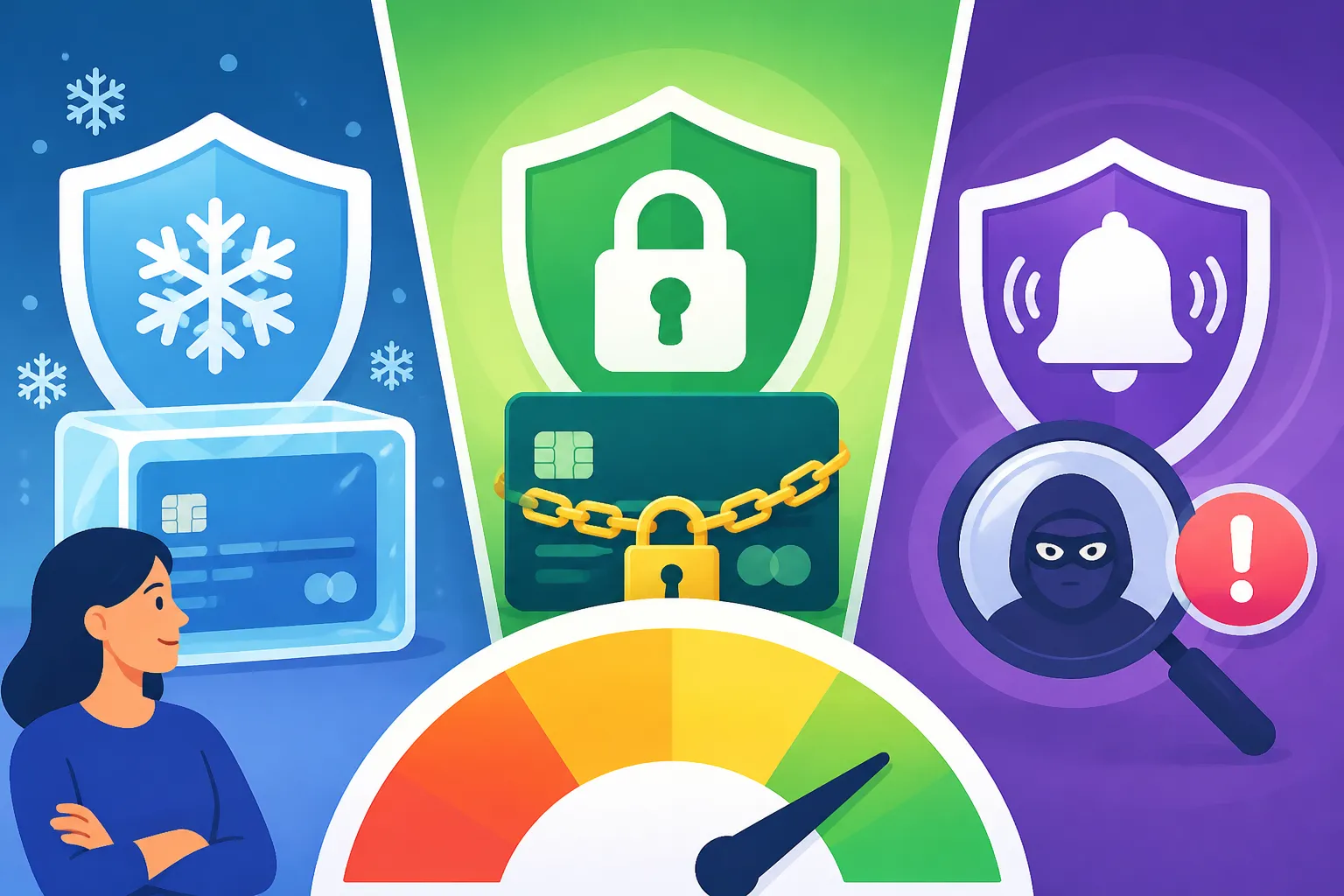
Understanding these actions is crucial. A freeze is a brick wall, a lock is a smart gate, and an alert is a vigilant guard dog. Each serves a purpose, but they operate with different mechanisms and levels of absolute control. For more detailed information on your reports, checking The 3 Credit Bureaus: Equifax, Experian & TransUnion is always a good idea.
When to Choose Each Option
Deciding which tool to use often depends on your personal situation, risk tolerance, and how frequently you anticipate needing to apply for new credit.
- Choose a Credit Freeze when: You want the strongest possible protection against new account fraud and you don't anticipate applying for new credit in the near future (e.g., you're not planning a mortgage, car loan, or new credit card in the next few months). It's an excellent choice for long-term, set-it-and-forget-it security. It's also ideal if you've been a victim of serious identity theft and want to completely shut down unauthorized access. Many individuals place a freeze on their credit as a default state and only lift it temporarily when needed.
- Choose a Credit Lock when: You desire strong protection against new account fraud but also value the convenience of instant on/off control. This is great for individuals who might apply for credit somewhat regularly but still want the ability to quickly secure their file when not actively seeking new credit. If you appreciate managing things via a mobile app and don't mind potential subscription fees, a lock could be a good fit.
- Choose a Fraud Alert when: You suspect identity theft has occurred, or you've been impacted by a data breach, and you want an added layer of protection without fully restricting access to your credit. It's a good immediate step if you're unsure about a full freeze or if you need to keep your credit easily accessible. It's also a solid choice for those who are actively trying to improve their credit, perhaps through a Credit Builder Loans Explained (Self, Kikoff & More) service, but want a watchful eye on their file.
Understanding the Costs Involved
The cost aspect can definitely influence your decision, especially if you're on a tight budget.
- Credit Freeze: This is the most budget-friendly option, as it is free to place and lift at all three major credit bureaus. This makes it an accessible and powerful tool for everyone, regardless of their financial situation. This no-cost aspect removes a significant barrier to entry for robust credit protection.
- Credit Lock: The cost for a credit lock varies. Some bureaus offer it as part of a free service (like Equifax's basic option), while others bundle it into paid premium credit monitoring or identity theft protection plans. For example, Experian and TransUnion typically offer their credit lock features as part of a subscription. If you want a lock with all three bureaus, you might end up paying multiple subscription fees unless you find a consolidated service.
- Fraud Alert: Similar to a credit freeze, placing a fraud alert (both initial and extended) is free. This makes it another accessible option for anyone looking to add a layer of protection without incurring any costs.
Here’s a quick summary table to help visualize the differences:
| Feature | Credit Freeze | Credit Lock | Fraud Alert |
|---|---|---|---|
| Purpose | Prevents new credit | Prevents new credit | Flags applications |
| Control | You lift/thaw | Instant on/off (app/online) | Creditors must verify |
| Cost | Free | Varies (often paid service) | Free |
| Duration | Indefinite (until lifted) | As long as service active | 1 year (initial), 7 years (extended) |
| Bureau Scope | Must contact all 3 | Varies by provider, ideally all 3 | Contact 1, applies to all 3 |
| Legal Basis | Federal Law | Contractual Service | Federal Law |
| Convenience | Less convenient to lift | Highly convenient | Least restrictive |
Real-World Scenarios: When to Use What
Let's move beyond the definitions and into practical, real-world situations. Knowing when to deploy each of these credit protection tools can make all the difference in safeguarding your financial identity.
After a Data Breach or Identity Theft
This is perhaps the most urgent scenario where quick action is vital. If you find out your personal information was exposed in a data breach – maybe your health insurance company had a breach, or a popular online retailer was compromised – or worse, you've already discovered you're a victim of identity theft (e.g., someone tried to open a credit card in your name), you need to act fast.
In these situations, a credit freeze is often the recommended first line of defense. It's the most secure way to prevent further new accounts from being opened using your compromised information. Placing a freeze with all three bureaus immediately puts a hard stop to new credit applications. This is especially critical if you know your Social Security number or other highly sensitive data has been exposed. Follow up by changing passwords on all your online accounts and monitoring your existing financial statements closely. If the theft is confirmed, you'll want to get an official identity theft report and place an How to Place a Fraud Alert on Your Credit as well, which often entitles you to free credit reports and extended protections.
If you discover actual fraudulent accounts, you'll also want to learn How to Dispute Credit Report Errors (Step-by-Step) and initiate disputes with the credit bureaus right away.
Proactive Protection for Peace of Mind
What if nothing has happened yet, but you just want to be smart about your financial security? This is where proactive measures come into play. Many people, myself included, prefer to live with their credit locked down as a default state simply for peace of mind.
For proactive protection, a credit freeze is an excellent long-term strategy. You set it up, keep your PINs safe, and then live your life knowing that new credit can't be opened in your name without your explicit action. This is particularly appealing for those who aren't planning any major credit applications soon, or for elderly relatives who are less likely to apply for new credit and might be more vulnerable to scams. It truly gives you a feeling of control over your financial future.
Alternatively, if you're someone who likes the idea of strong protection but values convenience and ease of management, a credit lock could be your go-to. If you find yourself frequently checking your credit score or engaging with tools like those offered by Credit Strong to build your credit responsibly, having an app-based credit lock can feel very empowering. You can keep your credit locked most of the time, then unlock it only for legitimate purposes.
A fraud alert can also be a good, low-friction proactive step, especially if you're not ready for a full freeze or lock. It reminds creditors to be cautious, which is always a good thing, and the year-long duration means you don't have to think about it too often. It’s also a good idea to know What Is a Soft Inquiry vs a Hard Inquiry? so you understand how different checks affect your credit.
Preparing for a Major Financial Application
This is a common scenario where knowing the differences between these tools becomes critical. Let's say you're about to apply for a mortgage in Denver, Colorado, or a significant car loan. If you have a credit freeze or lock in place, you must take action before the lender can pull your credit report.
If you have a credit freeze, you'll need to contact each of the three credit bureaus and temporarily lift or "thaw" the freeze for a specific period (e.g., 7-10 days) or for a specific creditor. It's crucial to do this a few business days before the application, just to ensure there are no delays. For example, if you're looking for a new home, you'll need to unfreeze your credit with Equifax, Experian, and TransUnion so the mortgage lender can review your creditworthiness. Don't forget this step, or your application could be delayed or even denied! This is especially important when you're preparing for a large purchase and don't want any surprises. You can learn more about How to Unfreeze Your Credit Temporarily if you're planning a major application.
If you have a credit lock, the process is usually much quicker. You can often log into the bureau's app or website and simply toggle the lock off for the duration of your application process, then toggle it back on when you're done. This ease of use is a major advantage for those navigating a significant financial decision like a home purchase or refinancing.
A fraud alert, on the other hand, doesn't require any action from you before applying for new credit. In fact, it's designed to help you in this situation by prompting the lender to contact you directly to verify the application. While it might add a slight delay as the lender contacts you, it won't prevent the application from moving forward, and it confirms that it's actually you applying.
Maintaining Your Financial Security
Putting a credit freeze, lock, or fraud alert in place is a fantastic step, but it's not a set-it-and-forget-it solution for all your financial security needs. A multi-layered approach is always best to truly protect yourself in the long run.
Regularly Monitoring Your Credit Reports
One of the most powerful things you can do is keep a close eye on your credit reports. Even with a freeze or lock, errors can appear, or existing accounts might be compromised. The Fair Credit Reporting Act (FCRA) entitles you to one free copy of your credit report from each of the three major bureaus (Equifax, Experian, and TransUnion) every 12 months via AnnualCreditReport.com. Use this right! Stagger your requests – get one from Experian now, TransUnion in four months, and Equifax eight months later – so you're essentially reviewing one report every four months.
When you get your report, don't just skim it. Go through it line by line. Look for accounts you don't recognize, addresses you've never lived at, or employers you've never worked for. Check for any inquiries you didn't authorize. These can all be red flags. Even seemingly small discrepancies could point to larger issues. Think of it as a regular check-up for your financial health. If you spot anything amiss, knowing How to Dispute Errors on Your Credit Report becomes your next vital step.
In addition to free annual reports, many banks and credit card companies now offer free credit score monitoring, and some even provide simplified credit reports or alerts for changes. These services, while not a replacement for a full report, can offer an ongoing snapshot and alert you to significant changes.
Other Steps to Safeguard Your Information
Beyond directly protecting your credit reports, there are numerous other habits and practices you should adopt to create a comprehensive shield around your personal and financial information.
First and foremost, practice strong password hygiene. Use unique, complex passwords for all your online accounts, especially for financial services. Consider a password manager to help you keep track of them. Enable two-factor authentication (2FA) wherever possible; this adds an extra layer of security that requires a second form of verification (like a code sent to your phone) even if someone has your password.
Be wary of phishing attempts. These are deceptive emails, texts, or calls designed to trick you into revealing sensitive information. Never click suspicious links or provide personal details unless you are absolutely certain of the source. If in doubt, go directly to the official website or call the company using a number you know to be legitimate.
Shred sensitive documents before throwing them away, like old bills or credit card offers. Don't leave your mail unattended for long periods. Be careful when using public Wi-Fi networks for sensitive transactions. These might seem like small steps, but together, they significantly reduce your vulnerability to various forms of identity theft. Protecting your information is an ongoing process, not a one-time fix.
The Role of Credit Bureaus and Other Tools
The credit bureaus are central to managing your credit profile and are the primary entities you'll interact with when placing freezes, locks, or alerts. But they're not the only players in the game; other tools and services can also enhance your overall financial security.
Working with Equifax, Experian, and TransUnion
These three companies – Equifax, Experian, and TransUnion – are the gatekeepers of your credit history. They collect information from lenders, public records, and other sources to compile your credit reports, which in turn are used to generate your credit scores. When you place a freeze, lock, or fraud alert, you're directly interacting with their systems to control access to the data they hold.
It's crucial to understand that while they all report on your credit, their data isn't always identical. One bureau might have a slightly different record of your payment history or account balances than another, leading to slight variations in your credit score across the board. This is why when implementing a credit freeze or, ideally, a credit lock, you need to engage with all three directly for complete protection. For a fraud alert, remember, contacting one bureau ensures all three are notified, which is a convenient aspect of that particular tool.
If you ever need to dispute an error, How to Dispute With Equifax, Experian, and TransUnion provides the necessary guidance. They each have specific processes and contact points for consumers, and navigating them can sometimes feel a bit bureaucratic. But remember, you have rights under the FCRA, and these bureaus are legally obligated to investigate your disputes and respond to your requests regarding credit protection.
Considering Credit Monitoring Services
Beyond freezes, locks, and alerts, many people opt for credit monitoring services, either offered directly by the credit bureaus or by third-party providers. These services typically track changes to your credit reports and often alert you to suspicious activity, such as new accounts being opened in your name, hard inquiries, or significant changes to your credit score.
While useful, it's important to understand what credit monitoring does and doesn't do. It's an alert system, not a prevention system. It tells you after something has happened, rather than preventing it from happening in the first place (which is the role of a freeze or lock). However, these alerts can be invaluable for catching fraudulent activity quickly, allowing you to take immediate action, such as placing an extended fraud alert or disputing new accounts. Some services also offer identity theft insurance, which can help cover legal fees and other costs associated with recovering from identity theft.
For those actively working on their credit, a service that bundles monitoring with credit-building tools, like Credit Strong, can be quite beneficial. These platforms often provide easy access to your credit scores and reports, helping you track progress and spot any unexpected changes. Just remember, no single tool is a silver bullet; a comprehensive approach combining freezes/locks, fraud alerts, vigilant self-monitoring, and responsible credit habits is the strongest defense.
Disclaimer
This article is for general informational purposes only and does not constitute professional advice. Laws, prices and regulations vary by location and change over time. Consult a qualified professional for guidance on your specific situation.