How to Freeze Your Credit in Michigan
Living in Michigan, you're probably no stranger to headlines about data breaches or stories of identity theft affecting friends, family, or even yourself. The constant worry that your personal information could be compromised is a legitimate fear, and it leaves many of us feeling exposed and vulnerable. Fortunately, there's a powerful tool at your disposal to help protect yourself: a credit freeze. This comprehensive guide will walk you through exactly how to freeze your credit in Michigan, offering peace of mind in an uncertain world.
Understanding What a Credit Freeze Is and Why It Matters in Michigan
Let's cut right to it: a credit freeze is essentially locking your credit reports. When your credit report is frozen, potential creditors, lenders, or anyone else who tries to access your report won't be able to do so unless you explicitly lift or "thaw" the freeze. This means that even if a scammer gets hold of your social security number and other personal details, they won't be able to open new credit accounts in your name, buy a new car from a dealership in Dearborn, or secure a mortgage in Traverse City. It's a proactive defense mechanism against identity theft and financial fraud.
Think of it like this: your credit report is a vault containing sensitive financial information. Without a freeze, anyone with the right combination (your personal data) can walk right in. With a freeze, you've added an extra layer of biometric security – only you can authorize entry. This is incredibly important in today's digital landscape where breaches from major corporations are unfortunately common. A credit freeze provides a significant barrier to criminals attempting to open fraudulent accounts. It's not just a minor inconvenience for them; it's a full-stop roadblock.
Key Benefits of Freezing Your Credit
The primary benefit is, of course, unparalleled protection against new account fraud. If someone tries to open a credit card, get a loan, or even rent an apartment in your name without your permission, the application will be denied because the lender can't access your credit report. This prevents the fraudulent account from ever appearing on your record, saving you countless hours and immense stress down the line trying to undo the damage.
Another significant benefit is peace of mind. Knowing that you've taken a crucial step to secure your financial identity can relieve a lot of anxiety, especially after a data breach. It empowers you by giving you direct control over who can access your most sensitive financial data. While tools like Credit Strong are excellent for building your credit, a credit freeze focuses squarely on protecting what you've already built or are trying to build.
When a Credit Freeze Is Particularly Useful
A credit freeze is beneficial in many situations. If you've ever been a victim of identity theft, or even if your personal information was exposed in a major data breach (like those seemingly endless notifications we all get), freezing your credit is one of the first and most effective steps you can take. Many Michigan residents choose to keep their credit frozen as a permanent measure, only unfreezing it when they genuinely need to apply for credit.
It's also a smart move if you're not planning to apply for new credit anytime soon. Why leave your financial information exposed if you don't have to? This can include periods when you're focusing on paying down existing debt, saving for a large purchase, or simply enjoying a stable financial period. For anyone who's concerned about their digital footprint and the constant threat of cybercrime, a credit freeze is a powerful, no-cost tool.
How to Initiate a Credit Freeze with the Three Major Bureaus
You can't just freeze your credit once and call it a day; you need to contact each of the three major credit reporting agencies individually: Equifax, Experian, and TransUnion. This is because lenders might check any one of the three, and a freeze with just one bureau won't protect you from a lender checking another. The good news is that placing and lifting a credit freeze is now free by federal law for all consumers, including those of us here in Michigan. This was mandated by the Economic Growth, Regulatory Relief, and Consumer Protection Act of 2018.
Here's how to go about freezing your credit with each bureau:
Equifax Credit Freeze
To freeze your credit with Equifax, you have a few options. The easiest way for most people is online:
- Online: Visit the Equifax website. Look for a section related to "security freeze" or "credit freeze." You'll be asked to create an account or log in if you already have one. Be prepared to provide your full name, current and previous addresses, date of birth, and Social Security Number for identity verification. Once verified, you can place the freeze.
- Phone: You can also call Equifax's automated line or speak to a representative. The number is typically available on their website, often in the security freeze section.
- Mail: If you prefer, you can send a written request by mail. This method takes longer, but it's an option. You'll need to include copies of documents that prove your identity, such as a driver's license or state ID, and a utility bill showing your current address in Michigan.
Equifax will provide you with a unique PIN (Personal Identification Number) or password. This PIN is crucial for temporarily lifting or permanently removing your freeze later, so keep it in a safe and memorable place.
Experian Credit Freeze
Experian also offers multiple ways to place a security freeze:
- Online: Head over to the Experian website and navigate to their "security freeze" page. Similar to Equifax, you'll need to go through an identity verification process. Make sure all the information you provide is accurate to avoid delays.
- Phone: You can call Experian directly to place a freeze. Their contact number for security freezes is readily available on their official website.
- Mail: Just like with Equifax, you can submit a written request via mail, including copies of your identification documents.
Experian will also issue you a PIN. Again, this is vital for managing your freeze, so store it securely. Remember that even with a freeze in place, you can still access your own credit report for free once every 12 months through official channels like AnnualCreditReport.com.
TransUnion Credit Freeze
Finally, let's tackle TransUnion:
- Online: Visit the TransUnion website and look for the section on "credit freeze" or "security freeze." You'll follow a similar process of identity verification, providing your personal details as requested.
- Phone: TransUnion provides a dedicated phone line for credit freezes, which you can find on their website.
- Mail: Sending a request via mail is another option, requiring the same identification documents as the other bureaus.
TransUnion will also provide you with a PIN. Always remember that each bureau operates independently, so getting a PIN from one doesn't mean you have one for all three. You'll have three separate PINs or passwords to manage if you freeze your credit with all of them.
Here’s a quick summary table of how to reach each bureau:
| Credit Bureau | Online Portal | Phone Number (General) | Mail Address (Check Website for Specifics) |
|---|---|---|---|
| Equifax | equifax.com | 1-800-685-1111 | Equifax Information Services LLC, P.O. Box 105788, Atlanta, GA 30348-5788 |
| Experian | experian.com | 1-888-397-3742 | Experian Security Freeze, P.O. Box 9554, Allen, TX 75013 |
| TransUnion | transunion.com | 1-888-909-8872 | TransUnion LLC, P.O. Box 2000, Chester, PA 19016 |
Always double-check the exact mailing addresses and phone numbers on the bureaus' official websites, as these can sometimes change.
Managing Your Frozen Credit: Thawing and Unfreezing in Michigan
Freezing your credit is a fantastic security measure, but it's also a practical tool that you need to know how to manage. There will inevitably be times when you actually want a legitimate lender to see your credit report – like when you're applying for a new car loan at a dealership in Southfield, looking for a new apartment in Ann Arbor, or trying to secure a competitive rate on a new credit card. This is where "thawing" or "lifting" your credit freeze comes in.
Temporarily Lifting Your Credit Freeze (Thawing)
When you need to apply for new credit, you'll need to temporarily unfreeze your report. This is often called "thawing" your credit. The process is similar to placing the freeze, but in reverse. You'll typically go back to each bureau's website, log in, and request a temporary lift.
You'll need:
- Your PIN or password: This is why it's so critical to keep it safe! Without it, unfreezing can be a much more complicated and time-consuming process.
- The specific dates: You can choose to lift the freeze for a set number of days (e.g., 3-5 days is common) or until a specific date.
- Optional: A specific creditor: Some bureaus allow you to unfreeze your report only for a particular lender, identified by a unique access code they provide. This adds an extra layer of control.
It's usually best to thaw your credit for the shortest necessary period. For instance, if you're applying for a mortgage, you might unfreeze it for a week or two to allow various checks. For a quick credit card application, a few days might suffice. Keep in mind that when you temporarily unfreeze, you need to do it with all three bureaus again, just like when you initiated the freeze. A credit freeze is effective on a national level, so moving from Detroit to Grand Rapids, or even out of state, won't impact its validity.
Permanently Removing Your Credit Freeze
If you decide you no longer want a credit freeze in place, perhaps because you're frequently applying for new credit or you simply feel comfortable without it, you can also permanently remove it. This process is identical to a temporary lift but you'll select the option for a permanent removal. You'll still need your PIN or password to do this. Once permanently removed, anyone can access your credit report again, so be sure this is what you want before proceeding.
Understanding the Timing for Freezes and Unfreezes
One of the most common questions is, "How fast does a credit freeze take effect?" Generally, online requests for placing or lifting a freeze take effect almost immediately, or at least within minutes. If you submit a request by phone, it's usually effective within 24 hours. Mail requests, understandably, take the longest, often a few days or even weeks after the bureau receives your request. When you're dealing with a time-sensitive credit application, planning ahead and using the online portals for thawing is always your best bet.
A credit freeze won't prevent existing creditors from accessing your report for account reviews, nor will it stop things like a legitimate credit builder loan from Credit Strong from reporting your positive payments. Your current credit card companies or lenders will still be able to monitor your accounts.
Common Questions and Misconceptions About Credit Freezes in Michigan
There's a lot of information floating around about credit, and it's easy to get confused. Let's clear up some common questions and misconceptions about credit freezes, especially as they pertain to those of us in Michigan.
Will Freezing My Credit Hurt My Credit Score?
This is one of the biggest myths out there, and it's simply not true. Freezing your credit has absolutely no impact on your credit score. Your credit score is calculated based on factors like your payment history, credit utilization, length of credit history, and credit mix. A credit freeze doesn't affect any of these factors. It's purely a security measure that restricts access to your report, not something that changes the underlying data or how it's scored. So, if you've been hesitant to freeze your credit out of fear it might ding your score, you can put that worry aside.
Can I Still Access My Own Credit Report When It's Frozen?
Yes, absolutely! Freezing your credit prevents third parties from accessing your report, but it does not stop you from accessing your own information. You can continue to check your credit reports for free once a year from each of the three major bureaus at AnnualCreditReport.com. In fact, checking your report regularly is highly recommended, even with a freeze, to ensure there are no errors or unauthorized activity on existing accounts. This is a crucial step in credit monitoring.
What About Existing Creditors and Collections?
A credit freeze doesn't affect accounts you already have open. Your existing credit card companies, utility providers, and lenders can still access your credit report for account maintenance, collection activities (if you have outstanding debt), or to send you pre-approved offers (unless you opt out of those separately). It also doesn't stop debt collectors from contacting you about existing debts. The freeze is specifically designed to stop new accounts from being opened in your name.
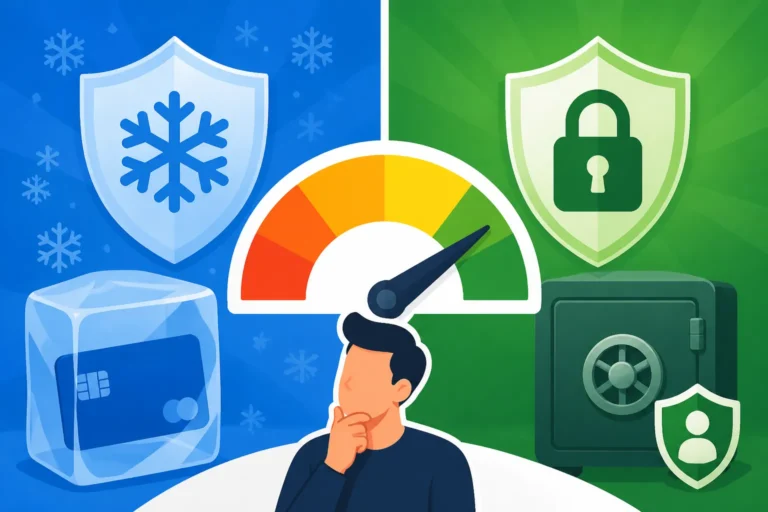
It's also important to differentiate a credit freeze from a fraud alert. While both protect you, a fraud alert typically requires businesses to take extra steps to verify your identity before extending credit. A freeze, however, completely blocks access unless you unfreeze it. This makes a freeze a much stronger form of protection.
Does a Credit Freeze Stop All Identity Theft?
While a credit freeze is incredibly powerful against new account fraud, it's not a silver bullet for all types of identity theft. For example, it won't prevent someone from:
- Filing fraudulent tax returns in your name.
- Opening a bank account (though some banks might check credit for certain types of accounts).
- Using your existing credit cards if they get your card number.
- Stealing your medical identity to get healthcare services.
- Using your identity to gain employment.
That's why a credit freeze should be part of a broader strategy for identity protection. This includes diligently reviewing your bank statements and credit card bills, setting up fraud alerts with your financial institutions, and being cautious about sharing personal information online or over the phone. Remember, credit-building tools like those offered by Credit Strong focus on helping you establish good credit, while a credit freeze is purely a protective measure against unauthorized access. The two serve different, but equally important, purposes in your financial life.
Navigating Specific Michigan Considerations for Your Credit Freeze
While credit freezes are governed by federal law, it's always good to be aware of any state-specific nuances. For residents of Michigan, the process for placing, temporarily lifting, or permanently removing a credit freeze is consistent with federal guidelines. Michigan state law does not impose additional fees for credit freezes or make the process more difficult; the federal free freeze mandate applies equally here.
This means you can expect the same no-cost, relatively straightforward online processes with Equifax, Experian, and TransUnion that people across the country experience. There aren't any special Michigan forms you need to fill out, or unique state agencies you need to contact for this specific purpose. The key is to work directly with the three major credit bureaus.
Child Credit Freezes in Michigan
One area where state law sometimes plays a role is in freezing the credit of minors. Fortunately, in Michigan, parents or legal guardians can freeze a child's credit report to prevent identity thieves from opening accounts in their name. This is a crucial step, as children are often easy targets for identity theft because their credit files are typically blank, and fraud may go undetected for years.
To freeze a child's credit, you'll generally need to contact each credit bureau and provide documentation proving your parental authority or guardianship, as well as the child's identity and proof of residency. This might include:
- A birth certificate for the child.
- A Social Security card for the child.
- Proof of your identity (e.g., driver's license).
- Proof of your address in Michigan.
It's a proactive measure that can safeguard your child's financial future long before they even think about their first credit card or student loan.
What Happens If You Move Out of Michigan?
A credit freeze is tied to your identity, not your physical location. So, if you decide to move from Michigan to another state, your credit freeze remains fully intact. You won't need to reapply for a freeze or take any special steps due to your change of residence. The protections afforded by the federal law apply uniformly across all 50 states. This simplifies things immensely, allowing you to focus on the practicalities of moving without having to worry about your credit security.
Remember, a credit freeze is a fundamental layer of security in your financial life. It doesn't replace careful budgeting, smart credit card usage, or actively building good credit habits (perhaps with the help of services like Credit Strong), but it does provide a critical shield against malicious activity.
Final Thoughts on Protecting Your Credit in Michigan
Taking control of your credit and protecting your financial identity is one of the smartest things you can do in today's world. Freezing your credit in Michigan, and across all three major credit bureaus, is a powerful, free, and effective way to put a robust barrier between your sensitive financial information and potential fraudsters. It empowers you to decide who gets to see your credit report, giving you a level of security that passive monitoring simply can't match.
While the process involves a few steps, primarily dealing with Equifax, Experian, and TransUnion directly, the peace of mind and protection it offers are immeasurable. Whether you've been a victim of a data breach, are worried about identity theft, or simply want to proactively secure your financial future, a credit freeze is a tool you should absolutely consider. Make it a part of your ongoing financial health strategy, right alongside building your credit and maintaining a healthy financial lifestyle.
Disclaimer
The information provided in this article is for general informational purposes only and does not constitute financial, legal, or professional advice. While we strive to provide accurate and up-to-date information, credit laws and practices can change. Always consult with a qualified financial advisor or legal professional for advice tailored to your specific situation.