How Long Does a Credit Freeze Last?
It can feel incredibly unsettling when you hear about data breaches or worry about identity theft, leaving you wondering how to truly protect your financial life. You've heard about credit freezes as a powerful tool, but a common question that pops up is, "How long does a credit freeze last?" This guide will clear up that confusion, diving deep into what a credit freeze entails, its duration, and how to effectively manage it to safeguard your credit.
Understanding the Purpose of a Credit Freeze
When the news is full of stories about personal data being compromised, it’s only natural to feel a bit exposed. You might be thinking, "What can I actually do to stop someone from opening accounts in my name?" That's where a credit freeze comes in. It’s one of the most robust protections available, essentially putting a lock on your credit reports with the major credit bureaus.
What Exactly Is a Credit Freeze?
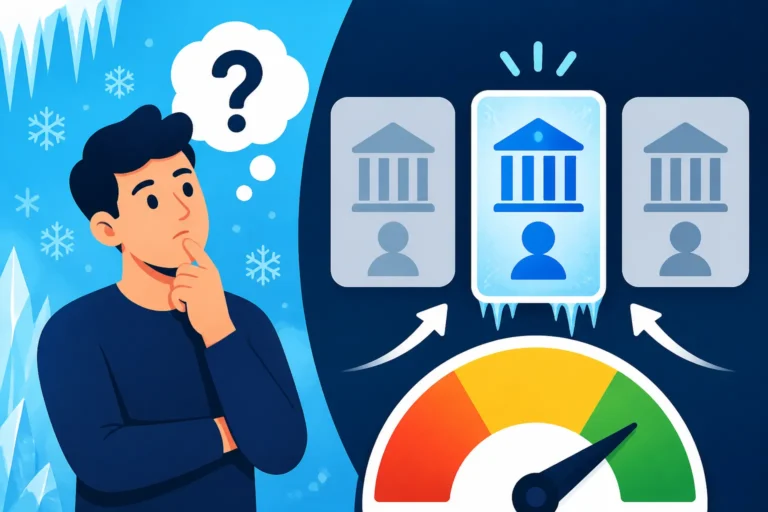
A credit freeze, officially known as a security freeze, is a service that restricts access to your credit report. This means that lenders and other entities generally cannot pull your credit report unless you temporarily lift or permanently remove the freeze. Think of it like a vault door with a very specific key – if someone tries to apply for new credit in your name, such as a credit card or a loan, the potential lender won't be able to access your credit file. Without access to your credit file, the application process grinds to a halt, effectively preventing unauthorized new accounts from being opened. It’s a proactive step to prevent identity thieves from using your stolen personal information to wreak havoc on your financial standing. This isn't just a suggestion; it's a right guaranteed to you by federal law.
Many people confuse a credit freeze with other credit protection measures. While a credit freeze is quite comprehensive, other tools like fraud alerts or credit locks offer different levels of security and convenience. Knowing the distinctions can help you choose the right layer of protection for your situation. Remember, the goal here is to empower you to take control, not just react when something bad happens.
Why You Might Need a Credit Freeze
There are several compelling reasons why you might consider placing a credit freeze on your reports. The most common and urgent reason is when you suspect you've been a victim of identity theft. If your wallet was stolen, your personal information was exposed in a data breach (like the one that affected Equifax a few years back), or you notice suspicious activity, a credit freeze can quickly shut down attempts to open new credit lines in your name. It's a rapid response mechanism to contain potential damage.
Beyond immediate threats, many individuals choose to maintain a credit freeze as a preventative measure for long-term security. Perhaps you've simply decided you won't be applying for new credit for the foreseeable future, or you want to add an extra layer of protection for your children's credit files. Even if you're actively working on improving your credit with tools like a Credit Strong account, you can still maintain a freeze, simply lifting it when you do need to apply for something specific. It grants peace of mind, knowing that even if your social security number falls into the wrong hands, it will be much harder for criminals to capitalize on it. This proactive approach can save you countless hours and immense stress down the line.
The Duration of a Credit Freeze: What You Need to Know
This is often the core question people have: how long does this protection really last? Will it expire after a year, leaving me vulnerable again? The good news is that for most people, the answer offers significant reassurance.
Indefinite Protection: The Standard Duration
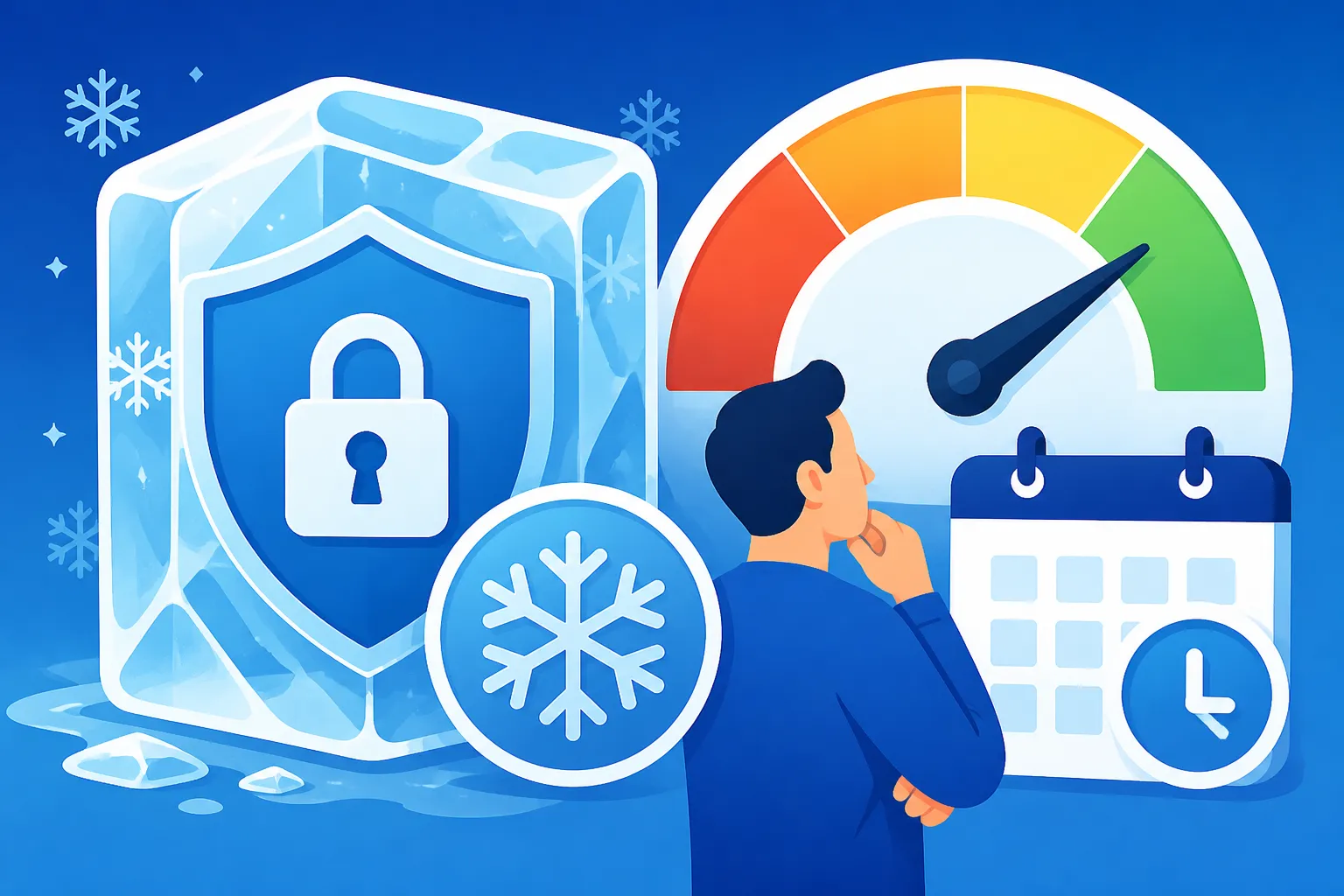
One of the most appealing aspects of a credit freeze is its indefinite nature. Unlike a fraud alert, which typically lasts for one year and then needs to be renewed, a credit freeze generally stays in place until you decide to lift or remove it. This "set it and forget it" aspect, at least in terms of duration, is a huge relief for many who are worried about ongoing vigilance. You initiate the freeze, and it remains active on your credit file with each of the three major credit bureaus – Equifax, Experian, and TransUnion – until you specifically instruct them to remove it.
This means you don't have to worry about remembering to renew it annually or having your protection lapse without your knowledge. It provides a continuous shield against unauthorized new credit accounts, giving you long-term peace of mind regarding your financial identity. This enduring protection is a key differentiator when comparing a credit freeze to other security measures available. It allows you to focus on other aspects of your financial health, such as figuring out How to Pay Off Credit Card Debt Fast or actively building your credit.
State-Specific Regulations and Exceptions
While the general rule is that a credit freeze lasts indefinitely until you remove it, it's worth noting that some state laws historically had specific provisions regarding the duration of credit freezes. However, federal law, specifically the Economic Growth, Regulatory Relief, and Consumer Protection Act of 2018, made credit freezes free for all consumers and largely standardized their indefinite duration across the country.
Before this federal mandate, some states might have had different rules regarding fees or how long a freeze would remain active without renewal. Now, thanks to the federal law, these variations are mostly a thing of the past for the core aspect of duration. There's generally no need to re-establish the freeze at a later date unless you've completely removed it yourself. Always be aware that while the duration is now typically indefinite, the process of placing or lifting a freeze might still have slight procedural differences between bureaus, or certain state consumer protection laws might offer additional, non-conflicting rights. For most people, however, the federal law ensures that your freeze remains until you say otherwise.
Managing Your Credit Freeze: Unfreezing and Re-freezing
A credit freeze is an incredibly effective safeguard, but it's not a static, unchangeable state. There will be times when you actually want someone to access your credit report, like when you're applying for a mortgage, a new credit card, or even a cell phone plan. Knowing how to responsibly manage your freeze is just as important as knowing how to put it in place.
How to Temporarily or Permanently Unfreeze Your Credit
When you need to apply for credit, you'll have to unfreeze your report. The process for unfreezing is straightforward but requires you to interact directly with each of the three credit bureaus: Equifax, Experian, and TransUnion. When you initially place the freeze, each bureau will provide you with a unique Personal Identification Number (PIN) or a password/account setup. This PIN or secure account access is your key to managing the freeze.
To unfreeze, you'll typically log into your account on their respective websites or call their dedicated phone lines. You'll then have the option to:
- Temporarily Lift the Freeze: This is the most common option. You can specify a date range (e.g., lift for 7 days) or provide a specific creditor with temporary access using a one-time PIN. This is perfect if you know exactly when and where you'll be applying for credit. For example, if you're getting a new car loan, you can lift the freeze for a week, and it will automatically re-engage after that period. This makes things easy without you having to remember to re-freeze. You can learn more about this by reading How to Unfreeze Your Credit Temporarily.
- Permanently Remove the Freeze: If you decide you no longer want the protection of a freeze at all, you can choose to remove it permanently. This means your credit report will be accessible to anyone who has a permissible purpose to view it, just as it would be if you had never placed a freeze. This is usually done if your financial situation has completely changed, or if you prefer to rely on other forms of credit monitoring.
It's crucial to keep your PINs or login credentials for each bureau in a safe and memorable place. Losing them can make the unfreezing process more complicated, potentially causing delays when you need credit access quickly.
The Impact of Freezing and Unfreezing on Your Credit Activities
Understanding when and how to lift a credit freeze is essential to avoid unnecessary delays or frustrating roadblocks in your financial life. If you apply for new credit while your report is frozen, the application will likely be denied because the lender cannot access the necessary information. It won't negatively impact your credit score directly, as the hard inquiry simply won't happen, but it will certainly halt your application in its tracks.
Therefore, plan ahead! Before applying for a new credit card, a loan, or even utilities that might check your credit (like a new internet provider or a cell phone contract), make sure you lift the freeze with the appropriate credit bureau(s). Many lenders only pull from one or two bureaus, but it's often safest to lift it with all three just to be sure. It typically takes a short period for the freeze to be lifted – usually within minutes or hours online, but it could take longer if done by mail.
Once your application has been processed, if you chose a temporary lift, the freeze will automatically reinstate itself. If you performed a permanent removal, then you would need to initiate a new credit freeze if you wanted that protection back. This flexibility allows you to maintain security while still navigating your financial needs. Some folks use services like Credit Strong to improve their credit profile and would need to ensure their freeze is lifted when Credit Strong reports to the bureaus, though typically Credit Strong operates with soft pulls, which aren't blocked by a freeze. For other types of new credit, you would need to manage the freeze directly.
Credit Freeze vs. Fraud Alert vs. Credit Lock: A Quick Comparison
Navigating the world of credit protection can feel like learning a new language. You hear terms like "credit freeze," "fraud alert," and "credit lock," and it's easy to mix them up. While they all aim to protect your financial identity, they function in distinct ways. Knowing these differences helps you choose the right tool for your specific situation.
Key Differences and When to Use Each
Let's break down the main distinctions to clarify when each tool is most effective.
| Feature | Credit Freeze | Fraud Alert | Credit Lock |
|---|---|---|---|
| Access Control | Strictly blocks access to credit file | Warns lenders to verify identity | Instantaneously locks/unlocks digitally |
| Duration | Indefinite (until you lift/remove) | 1 year (initial), 7 years (extended) | Indefinite (until you unlock) |
| Cost | Free | Free | Varies (often subscription-based) |
| Application | Must apply with each of the three bureaus | Apply with one, that bureau notifies others | Often managed through a specific bureau's app |
| Ease of Use | Requires PIN/account for lifting; can be a slight delay | No PIN needed; relies on lender vigilance | Instantaneous via app; very convenient |
| Best Use Case | Proactive, long-term identity theft prevention | Suspected or confirmed identity theft, active job/loan search | Quick, on-demand control; convenience-focused |
- Credit Freeze: This is the heavyweight champion of credit protection. It stops all access to your credit report for new credit applications. It's ideal for those who want maximum security and aren't planning to apply for new credit frequently. Once you place a freeze, it will stay in effect until you actively unfreeze it.
- Fraud Alert: A fraud alert, like those offered by Experian or TransUnion, places a note on your credit file advising lenders to take extra steps to verify your identity before extending credit. It's not a block, but rather a warning. An initial fraud alert lasts for one year. If you've been a victim of identity theft, you can place an extended fraud alert, which lasts for seven years and requires creditors to take reasonable steps to verify your identity. You can initiate a How to Place a Fraud Alert on Your Credit with just one bureau, and they are legally required to notify the other two.
- Credit Lock: This is essentially a digital version of a credit freeze, often managed through a credit bureau's mobile app. While it offers similar protection to a freeze by blocking access, it's designed for instantaneous locking and unlocking. Many credit locks are offered as part of a paid credit monitoring service, though some bureaus offer a basic lock for free. The convenience is appealing, but the cost or specific terms can vary. Learn more by understanding What Is a Credit Lock and How Does It Work?.
The Benefits of a Credit Freeze Over Other Options
While fraud alerts and credit locks offer their own advantages, the credit freeze stands out due to its comprehensive and long-lasting nature. The primary benefit is its undeniable power to prevent new credit accounts from being opened in your name. A fraud alert relies on the diligence of the lender to verify your identity, which, while mandated, can still sometimes be overlooked in busy financial institutions. A freeze, on the other hand, is a hard stop. If a lender can't access your report, they can't approve the credit.
Another significant benefit is its cost-effectiveness. Since federal law mandated that credit freezes be free for all consumers, it’s the most powerful free tool at your disposal for preventing new account fraud. Credit locks, while convenient, often come with a monthly fee for the advanced features that make them so appealing. For robust, long-term, and free protection against identity theft, the credit freeze is unparalleled. It truly empowers you to take charge of your financial security without having to invest in pricey monitoring services unless you choose to do so. This steadfast protection offers a solid foundation upon which you can build or repair your credit, whether that's through responsible credit card use or utilizing a product like Credit Strong.
Practical Steps for Applying a Credit Freeze
Implementing a credit freeze isn't difficult, but it does require a bit of legwork to ensure you're fully protected across the board. Since credit bureaus operate independently, you'll need to contact each one individually.
Contacting Each of the Big Three Bureaus
To ensure comprehensive protection, you must initiate a credit freeze with all three major credit reporting agencies: Equifax, Experian, and TransUnion. If you only freeze your credit with one or two bureaus, identity thieves could still open accounts by targeting lenders who pull credit reports from an unfrozen bureau. It's a bit like locking two doors but leaving the third one wide open.
Here’s a general overview of how to contact each one:
- Equifax: You can place an Equifax security freeze online through their dedicated security freeze page, by phone, or by mail. They will typically provide you with a 10-digit PIN, which you'll need to remember for lifting or removing the freeze.
- Experian: Experian also allows you to place a freeze online, by phone, or by mail. When you freeze your credit with Experian, you'll usually create an account on their website, which you'll then use to manage your freeze. They might not issue a traditional PIN in the same way Equifax does, relying instead on your secure online login.
- TransUnion: Similar to the others, TransUnion offers online, phone, and mail options. For online management, you'll create a TransUnion account and manage your freeze through their platform. If you opt for mail or phone, they might issue a PIN.
When you contact them, be prepared to provide personal identifying information, such as your full name, current and previous addresses, Social Security number, and date of birth, to verify your identity. This is a critical step in preventing unauthorized access, even by you! For a step-by-step guide, check out How to Freeze Your Credit All 3 Bureaus.
Keeping Track of Your Freeze Information
Once you've placed a freeze with each bureau, the most crucial step is to meticulously record and safely store the information they provide you. This usually includes:
- PINs (Personal Identification Numbers): Especially from Equifax and potentially TransUnion, these are unique numbers essential for managing your freeze by phone or mail.
- Account Usernames and Passwords: For online portals, particularly with Experian and TransUnion, you'll need these credentials to log in and manage your freeze digitally.
- Confirmation Numbers/Emails: Keep records of when you placed the freeze, as this can be helpful if any issues arise.
Treat these pieces of information like you would sensitive bank account details. Store them in a secure location that you can easily access but is difficult for others to find. This could be a password manager, a locked safe, or a secure cloud document. Do not just jot them down on a sticky note near your computer. The last thing you want is to need to unfreeze your credit quickly for something important (like applying for a new job or a loan) and be unable to because you’ve lost your PINs. Losing this information can make the process of lifting or removing the freeze much more cumbersome and time-consuming, sometimes requiring you to jump through extra hoops to verify your identity.
A credit freeze is a long-term solution, and good record-keeping ensures that "long-term" doesn't turn into "long and frustrating." It also allows you to be nimble when life calls for access to your credit, whether it's for a major purchase or simply improving your credit profile with services like Credit Strong.
Maximizing Your Credit Protection Strategy
While a credit freeze is incredibly powerful, it's just one part of a comprehensive credit protection strategy. Combining it with other good habits can give you an even stronger defense against identity theft and financial fraud.
Regularly Reviewing Your Credit Reports
Even with a credit freeze in place, it's vital to regularly check your credit reports from all three bureaus. Remember, a freeze stops new credit from being opened, but it won't prevent existing accounts from being fraudulently used or report errors from appearing. You're entitled to a free credit report from each of the three bureaus once every 12 months via AnnualCreditReport.com Review: Is It Accurate for Credit Monitoring?.
When you review your reports, look for anything suspicious: accounts you don't recognize, incorrect personal information (like addresses or employers), or inquiries you didn't authorize. Even if you don't find anything alarming, the act of checking helps you stay informed and quickly spot discrepancies. Finding an error, even a minor one, means you should follow up immediately to How to Dispute Credit Report Errors Step-by-Step. Consistent monitoring is your early warning system.
Setting Up Credit Monitoring and Alerts
Beyond periodic checks, consider setting up free credit monitoring and alerts. Many credit card companies, banks, and even the credit bureaus themselves offer free services that will notify you if there's significant activity on your credit report, such as a new account being opened or a hard inquiry. While a credit freeze will prevent unauthorized new accounts, these alerts can still be useful for monitoring existing accounts for fraudulent activity or catching soft pulls you weren't expecting.
Companies like Credit Karma or WalletHub offer free credit monitoring services based on VantageScore models, which can give you a good snapshot of your credit health, even if they don't use the exact FICO scores lenders typically see. These services don't necessarily provide the same deep dive as a direct credit report review, but they offer convenient updates. Being aware of any unexpected changes can prompt you to investigate further and ensure your financial identity remains secure.
What a Credit Freeze Does Not Protect Against
It's important to have realistic expectations about what a credit freeze can and cannot do. While it's fantastic for preventing new credit accounts, it doesn't protect against all forms of identity theft or fraud.
- Existing Accounts: A credit freeze won't prevent someone from fraudulently using your existing credit card numbers. If an identity thief gains access to your card details, they can still make purchases. You'll need to contact your card issuer directly and report the fraud.
- Government Benefits Fraud: It won't stop someone from filing a fraudulent tax return in your name or claiming your Social Security benefits. For these types of fraud, you'll need to contact the IRS or Social Security Administration directly and potentially file an How to Get an Identity Theft Report with the Federal Trade Commission (FTC).
- Utility or Cell Phone Accounts: While some utility providers check credit, others might not. A freeze might not prevent someone from opening a utility account or getting a cell phone in your name if those companies don't perform a hard credit pull.
- Medical Identity Theft: This involves someone using your name or insurance information to get medical care. A credit freeze offers no protection against this, and you'll need to monitor your Explanation of Benefits (EOB) statements for suspicious activity.
Therefore, while a credit freeze is an indispensable tool, it's not a silver bullet. It's a critical component of a layered defense strategy that includes vigilance, regular checks, and proactive reporting of any suspicious activity. Building a good credit score is a journey, and protecting your identity is a crucial part of that journey, whether you're starting from scratch or maintaining an excellent score.
Final Thoughts on Credit Freeze Duration
Dealing with the intricacies of financial protection can feel daunting, but understanding tools like the credit freeze empowers you to take significant control. The good news is that a credit freeze, once placed, generally lasts indefinitely until you choose to remove it, offering continuous, robust protection against identity theft. This set-it-and-forget-it aspect provides immense peace of mind.
Remember to freeze your credit with all three major bureaus—Equifax, Experian, and TransUnion—and keep your PINs or login information safe. While a credit freeze is a powerful safeguard, it works best when combined with regular credit report reviews and vigilance over your existing accounts. By taking these proactive steps, you’re not just reacting to potential threats; you’re building a strong, secure foundation for your financial future.
Disclaimer
The information provided in this article is for general educational purposes only and should not be considered financial or legal advice. Credit laws and regulations can change, and individual circumstances vary. Always consult with a qualified financial advisor or legal professional for advice tailored to your specific situation.