How to Build Credit With Bad Credit Using Experian Boost
It's incredibly frustrating when you're trying your hardest to improve your financial standing, but your past credit missteps feel like they're holding you hostage. You know you need to build credit, but traditional methods often seem out of reach when you're starting with a less-than-ideal credit score. This guide is all about exploring one modern tool, Experian Boost, and how it might just be the leg up you need to start moving the needle on your credit, even if it's currently in rough shape.
Understanding Experian Boost and How It Works
For years, building credit was a pretty rigid affair: get a credit card, take out a loan, and make payments on time. If you didn't have those traditional accounts, your credit file remained thin, or worse, your score suffered from past mistakes. Experian Boost came onto the scene to try and shake that up a bit, offering a way to factor in payments you're already making that weren't traditionally reported to credit bureaus.
How Experian Boost Works Its Magic
The core idea behind Experian Boost is brilliantly simple: it looks at your positive payment history for common household bills that typically don't show up on your credit report. When you sign up, you securely link your bank accounts that you use to pay these bills. Experian then scans your transaction data, identifies qualifying payments, and with your permission, adds that positive payment history to your Experian credit file. Think about it – you've been responsibly paying your utilities and streaming services for months, maybe even years, but that consistent good behavior often goes unrecognized by traditional credit scoring models. Experian Boost aims to change that.
It's important to understand that this isn't about reporting new credit accounts. Instead, it's about amplifying your existing responsible financial habits. If you consistently pay your electric bill, your phone bill, or your Netflix subscription on time, Experian Boost can capture that information and use it to potentially increase your Experian FICO Score. It's a way for your diligent financial management, even outside of loans and credit cards, to finally get the credit it deserves.
What Payments Qualify for Experian Boost
So, what exactly can you "boost" with? Experian Boost primarily focuses on recurring payments that you make from your linked bank account. This typically includes:
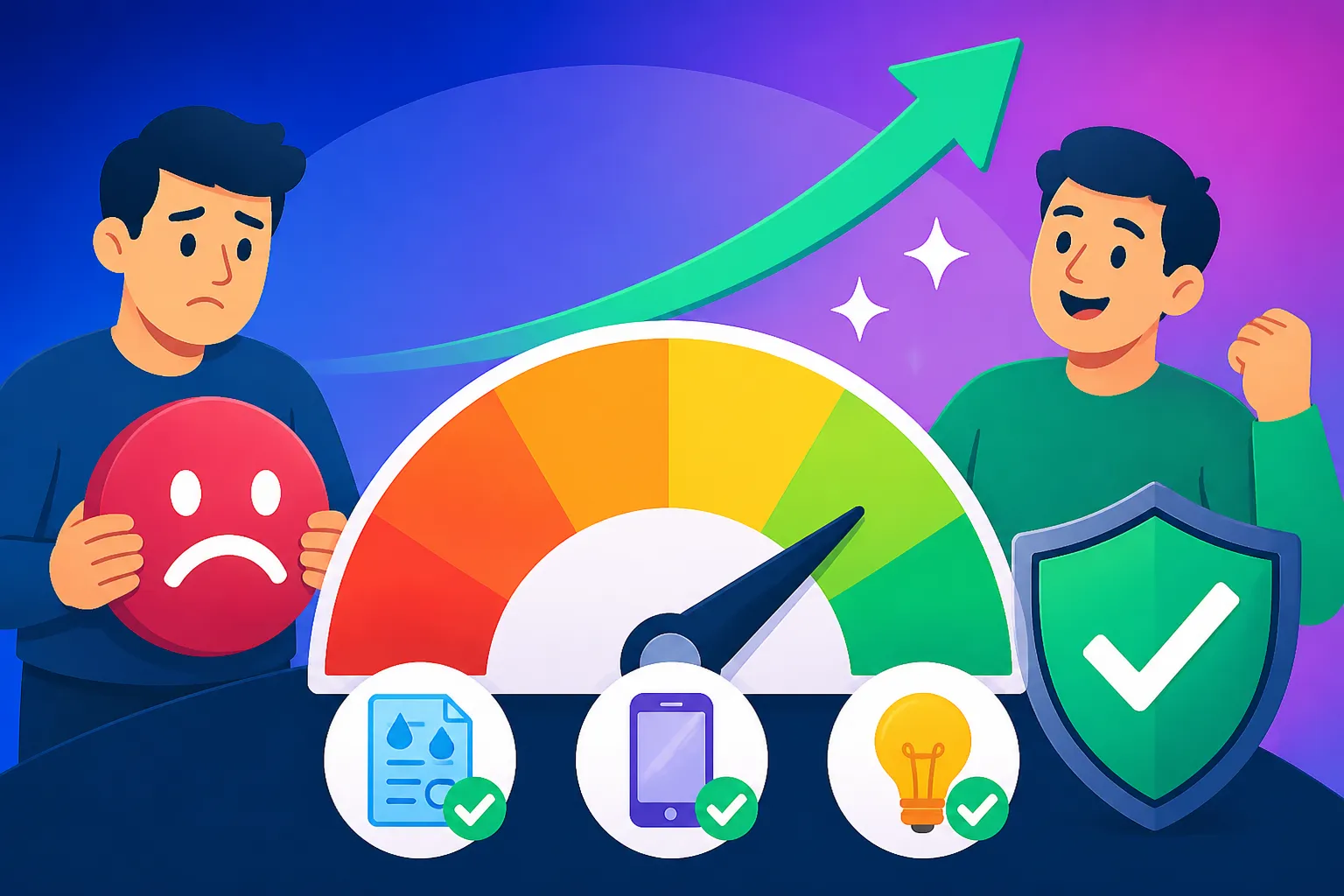
- Utility Bills: Think electricity, gas, water, and even internet bills. If you've been on time with these for a while, that's golden.
- Telecom Payments: Your cell phone bill, home phone service, etc. Most people pay these monthly, and consistent on-time payments can now work in your favor.
- Streaming Services: This is a big one for many households! Payments for services like Netflix, Hulu, Disney+, Spotify, and even some cable TV packages can often be identified and added.
- Other Subscriptions: Certain other recurring subscription services that show up as consistent payments from your linked bank account might also qualify.
The key is that these payments need to be easily identifiable as recurring, on-time payments from your linked bank account. If you pay your rent through a third-party service that reports to all three bureaus, that's different. Experian Boost is specifically for those payments that don't traditionally get reported but demonstrate your reliability. It's a nice way to capture and leverage financial habits you're likely already doing.
The Benefits of Using Experian Boost with Bad Credit
When you're dealing with bad credit, every little bit of improvement feels like a massive victory. Experian Boost can be particularly valuable in this scenario because it offers a non-traditional path to score improvement, especially for certain credit profile types.
Addressing Thin Files and Limited Credit History
One of the biggest hurdles for people with bad credit, or those just starting out, is having a "thin" credit file. This means you don't have many credit accounts, or perhaps your accounts are relatively new. Lenders look at your credit history to assess risk, and if there isn't much to go on, it's hard for them to make a confident decision. This can be a vicious cycle: you can't get credit without a good history, and you can't build a good history without credit.
Experian Boost can help break this cycle. By adding positive utility and streaming service payments, it effectively "thickens" your Experian credit file. It shows lenders a pattern of responsible financial behavior that they wouldn't otherwise see. This can be especially powerful if you're, for example, a young adult with limited traditional credit or someone who has avoided credit cards for years. It demonstrates reliability, which is a key factor in credit scoring, making you look like a less risky borrower. It's like finally getting recognized for all those small, consistent acts of financial responsibility. You can learn more about how to navigate having a Thin Credit File: How to Build a Credit History.
Potentially Overcoming Past Negative Items
While Experian Boost won't magically erase a bankruptcy or remove a collection account, it can help mitigate their impact over time. Credit scores are dynamic, and they look at a snapshot of your financial behavior. If your file is riddled with negative items but now also includes a year or two of perfectly on-time utility and streaming payments, that positive data can help offset some of the older, negative entries.
Imagine you have a couple of late payments from a few years ago that are still dragging down your score. By adding recent, consistent on-time payments through Boost, you're showing a current pattern of positive behavior. This demonstrates to lenders that you're turning things around, which can lead to a modest, but meaningful, increase in your score. For someone with bad credit, even a 10-20 point increase can make a difference in qualifying for a better interest rate on a loan or even getting approved for a starter credit card. It's not a complete overhaul, but it's a step in the right direction, adding more weight to your current good habits.
Setting Up and Maximizing Experian Boost
Getting started with Experian Boost is quite straightforward, designed to be user-friendly even for those who aren't tech-savvy. But like any tool, knowing how to use it best will yield the most impactful results.
Step-by-Step Enrollment Process
Here's how you typically get Experian Boost working for you:
- Visit the Experian Website: Head to the official Experian website or download their mobile app. You'll usually find a clear prompt to sign up for Experian Boost.
- Create or Log In to Your Account: If you don't already have one, you'll need to create a free Experian account. This involves providing some basic personal information to verify your identity.
- Securely Link Your Bank Account(s): This is the core step. Experian uses a secure third-party service to connect to your bank accounts. You'll enter your online banking login credentials, similar to how you might connect accounts to budgeting apps. Experian emphasizes that they only read your transaction data; they don't store your login details, nor can they access or move your money. This secure connection allows them to scan your past 24 months of transactions.
- Identify and Select Qualifying Payments: After scanning, Experian Boost will present you with a list of recurring payments it has identified (utilities, streaming, phone, etc.). You get to choose which of these positive payment histories you want to add to your Experian credit report. This gives you control over what data is reported.
- See Your Potential Score Boost: Once you select your payments and confirm, Experian Boost immediately calculates and shows you the potential increase to your FICO Score 8, which is the most widely used scoring model. The update to your Experian credit file is generally instant.
The whole process is designed to be quick and transparent, allowing you to see the immediate impact of your responsible payments. Remember, it's always wise to check your own How to Read Your Experian Credit Report periodically to ensure accuracy.
Tips for Optimizing Your Boost
To get the most out of Experian Boost, consider these practical tips:
- Link All Relevant Bank Accounts: If you use multiple checking accounts to pay different bills, link all of them. The more positive payment history Experian can find, the better your chances for a higher boost. Many people forget that they have an old account with a few streaming services tied to it, so check thoroughly.
- Ensure Consistent On-Time Payments: This seems obvious, but it's crucial. Experian Boost only looks for on-time payments. If you're frequently late on your utility bills, this feature won't help you, and in fact, it won't report those negative payments (which is a relief!). Set up auto-pay for all your eligible bills if you haven't already.
- Monitor and Re-evaluate Periodically: Your financial habits might change. You might add new streaming services or switch utility providers. Periodically log back into your Experian Boost account to ensure all eligible payments are being captured and that your boosted score reflects your current financial behavior.
- Understand What it Doesn't Cover: Remember that Experian Boost focuses on specific types of recurring payments. It won't pick up rent payments unless they're explicitly reported through a rent-reporting service (which is a different mechanism), nor will it capture payments for non-recurring expenses. Knowing its scope helps manage expectations.
By proactively linking your accounts and maintaining good payment habits, you can ensure Experian Boost consistently works in your favor, helping you build credit with bad credit.
Limitations and What Experian Boost Doesn't Do
While Experian Boost is a fantastic tool for many, it's not a magic wand that fixes all credit problems. It's essential to understand its limitations to have realistic expectations.
Not a Magic Bullet for Severe Bad Credit
If your credit score is in the low 500s or even 400s, often due to significant negative items like bankruptcies, foreclosures, or multiple collection accounts, Experian Boost isn't going to suddenly launch you into the "good" credit range. Its primary function is to add positive payment history from non-traditional accounts, which can lead to a modest increase in your score. Many users report an average increase of 13 points. While every point counts, a 13-point increase won't erase the impact of a recent Chapter 7 bankruptcy.
It's more effective for those with a limited credit history (thin file) or those with some negative marks but who are actively working to improve their credit and already have a decent payment history on their regular bills. If you have severe bad credit, you'll need a more comprehensive strategy, including addressing those negative items directly and establishing traditional credit accounts. For significant score improvements, tools like How to Remove Collections From Your Credit Report or even considering Credit Repair Companies vs DIY: Which Is Better? might be necessary alongside Experian Boost.
It Only Affects Your Experian FICO Score
This is perhaps the most crucial limitation to understand. Experian Boost, as the name implies, only affects your credit report and FICO Score that Experian calculates. It does not impact your credit scores with TransUnion or Equifax, the other two major credit bureaus.
Why does this matter? Because lenders use different credit bureaus and often different credit scoring models. While FICO Score 8 (the one Experian Boost affects) is widely used, a lender might pull your report from TransUnion or Equifax, or use a different FICO scoring model (like FICO Score 2 for mortgages or FICO Auto Score for car loans), none of which will reflect your Experian Boost data.
So, while your Experian score might look great, a lender checking your TransUnion score for an apartment rental might not see the same positive impact. This doesn't mean Experian Boost is useless; it simply means it's one piece of a larger credit-building puzzle. You need to be aware that its impact is localized to Experian.
Holistic Strategies for Building Credit with Bad Credit
Relying solely on Experian Boost when you have bad credit is like trying to build a house with only a hammer. It's a useful tool, but you're going to need a whole toolbox to get the job done right. To truly build credit when starting from a tough spot, a multi-pronged approach is key.
Secured Credit Cards and Credit Builder Loans
These are two of the most effective and widely recommended tools for individuals looking to build or rebuild credit, especially when traditional unsecured credit cards are out of reach.
- Secured Credit Cards: These cards require a cash deposit, which typically becomes your credit limit. For instance, if you deposit $200, your credit limit is $200. This deposit minimizes risk for the issuer, making them more accessible to people with bad credit. You use the card like any other credit card, making purchases and then paying your bill on time each month. The key is responsible usage: keep your utilization low (ideally under 30%) and pay your balance in full and on time. Over time, this consistent positive payment history is reported to all three major credit bureaus, leading to significant credit improvement. Some popular options include the Discover it Secured Card or the Capital One Platinum Secured Card. To delve deeper, check out Best Way to Build Credit With a Secured Card.
- Credit Builder Loans: These are a bit counterintuitive but highly effective. Instead of receiving a lump sum upfront, the money you "borrow" is held in a locked savings account or Certificate of Deposit (CD) by the lender. You make monthly payments on the loan for a set period (e.g., 6-24 months). Each on-time payment is reported to the credit bureaus. Once the loan term is complete, you receive the full amount that was held in the savings account, minus any fees or interest. It’s essentially a forced savings plan that builds credit. Companies like Self and Credit Strong specialize in these types of loans. Credit Strong, for example, offers various credit builder accounts that also often come with a secured card option, giving you two ways to build history with one provider. They report your payment progress to all three bureaus, providing a broad impact on your credit profile. You can learn more about these in How Credit Builder Loans Work.
Addressing Negative Items Directly
While building new positive credit is crucial, you can't ignore the negative items that are actively dragging your score down. This requires a more direct and proactive approach:
- Dispute Inaccuracies: The first step is always to review your credit reports from all three bureaus (Equifax, Experian, and TransUnion) for errors. The Fair Credit Reporting Act (FCRA) gives you the right to dispute any information you believe is inaccurate or incomplete. If a collection account, late payment, or charge-off is reported incorrectly, disputing it could lead to its removal, which can significantly boost your score. Check out our guide on How to Dispute Credit Report Errors Step-by-Step.
- Negotiate with Creditors: For legitimate but negative items like collection accounts, consider negotiating with the debt collector. You might be able to settle the debt for less than the full amount. In some cases, you might even be able to negotiate a "pay-for-delete" agreement, where the collector agrees to remove the negative entry from your credit report once you pay the agreed-upon amount. This is a powerful strategy, though it's not always guaranteed. Our article on How to Negotiate With Debt Collectors can offer valuable insights.
- Goodwill Letters: For single late payments, especially if you have a good payment history otherwise, a goodwill letter can sometimes convince the original creditor to remove the late payment from your report as a gesture of goodwill. It's a long shot, but worth a try!
Building credit with bad credit is a marathon, not a sprint. Combining the immediate, albeit localized, boost from Experian Boost with proven strategies like secured cards, credit builder loans, and directly addressing negative items will give you the most comprehensive and effective path to a healthier credit score.
Comparing Credit Building Methods with Bad Credit
To give you a clearer picture, here's a comparison of Experian Boost and some other common credit-building methods when you're starting with bad credit.
| Feature | Experian Boost | Secured Credit Card | Credit Builder Loan | Dispute Errors / Negotiate Debt |
|---|---|---|---|---|
| How it Works | Uses existing on-time utility/streaming payments | Requires deposit, use & pay like regular card | Make payments, funds released at end | Identify & challenge inaccuracies; bargain with collectors |
| Credit Bureaus Affected | Only Experian | All three (Equifax, Experian, TransUnion) | All three (Equifax, Experian, TransUnion) | All three (depends on which report is corrected) |
| Impact on Score | Modest increase, especially for thin files | Significant potential with responsible use | Significant potential with on-time payments | Potentially major, if negative items are removed |
| Cost | Free | Deposit required (refundable), potential annual fees | Monthly payments, may have small fees/interest | Potentially free (if DIY), or legal/credit repair fees |
| Time to See Results | Instant | 1-3 months (with consistent use) | 1-3 months (with consistent payments) | 30-45 days (for disputes), longer for negotiations |
| Best For | Thin files, minor score improvements | Establishing payment history, responsible spending | Building payment history, forced savings | Targeted removal of inaccurate/problematic items |
| Risk Involved | Low (only positive data reported) | High if not paid on time (can damage credit) | Low (as long as payments are made) | Medium (can go wrong if not done carefully) |
| Examples of Providers | Experian | Discover, Capital One, OpenSky | Self, Credit Strong, Fingerhut | DIY, Credit Repair Organizations |
As you can see, Experian Boost offers a quick, free, and low-risk way to give your Experian score a nudge. However, for comprehensive credit rebuilding, especially if you have significant negative marks or need to affect all three credit bureaus, combining it with secured cards, credit builder loans (like those from Credit Strong), and diligent dispute work will yield the best long-term results.
Disclaimer
Please remember that I am a credit blogger and not a financial advisor. The information provided in this article is for educational and informational purposes only and should not be considered financial advice. Always consult with a qualified financial professional for advice tailored to your specific situation. Credit scores and reporting can vary, and individual results with credit-building tools like Experian Boost may differ.