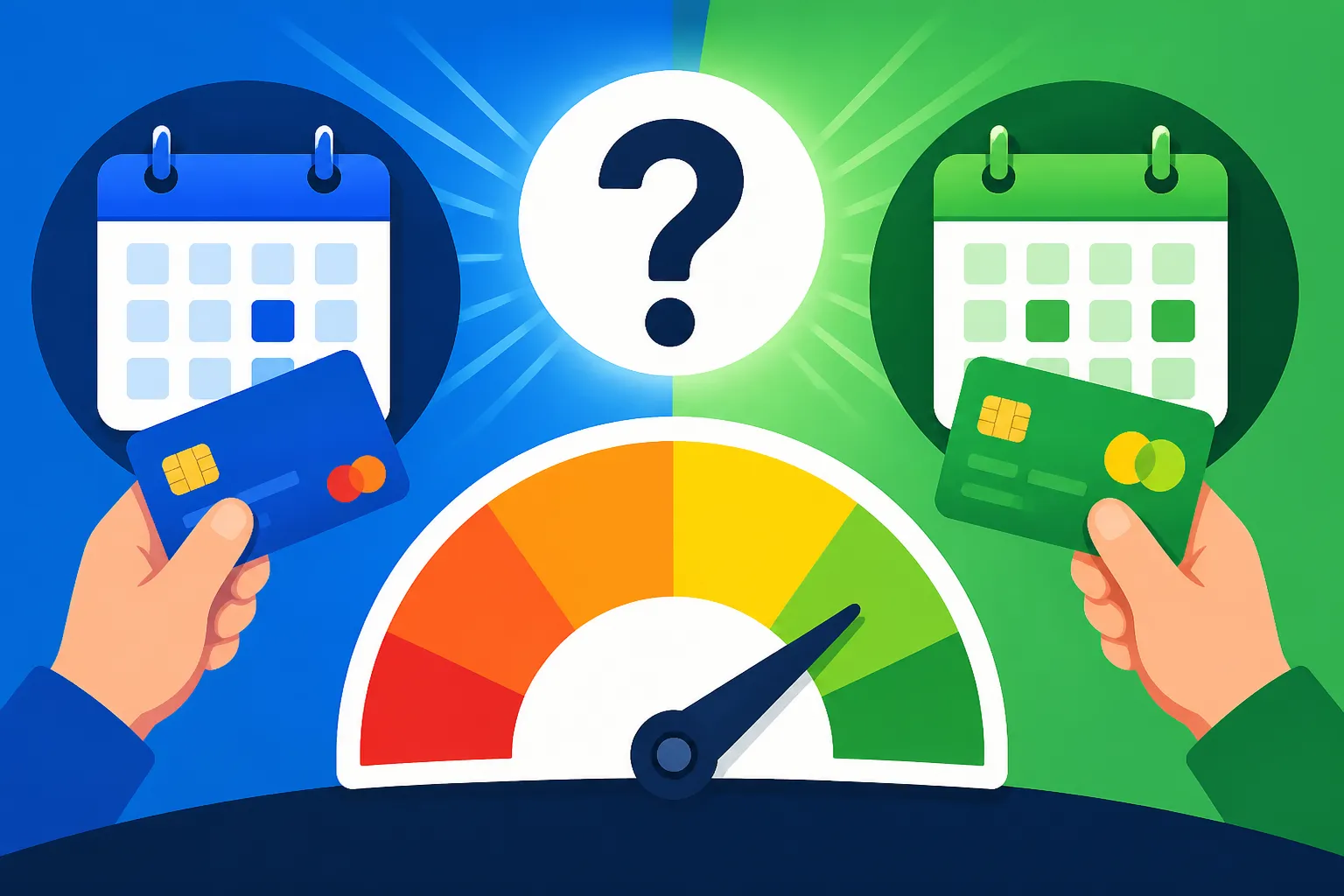
Does Paying Twice a Month Help Your Score?
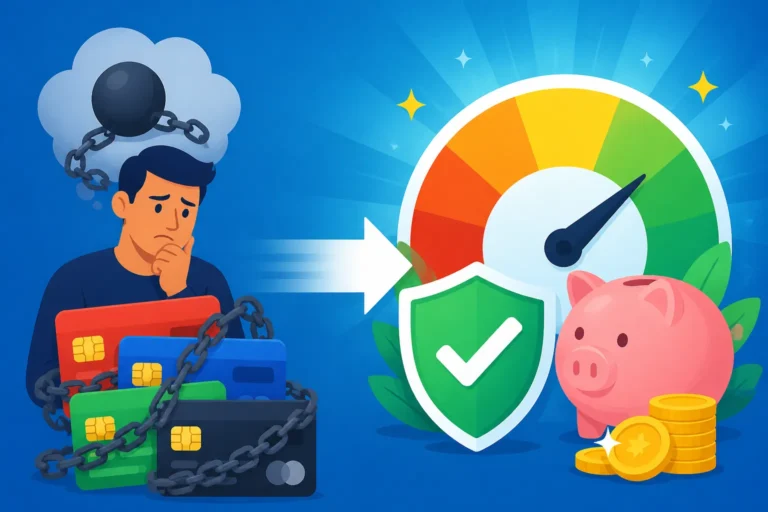
It’s a question many of us have pondered while staring at our credit card statement: does making extra payments, or paying your bill twice a month, actually help your credit score? It feels like it should, right? You’re showing more responsibility, managing your money more actively. But the world of credit scores isn't always intuitive, and it can be frustrating trying to figure out what truly makes a difference. This guide is here to cut through the confusion and explain exactly how your payment frequency might, or might not, impact your credit score.
The Pillars of Your Credit Score
Before we dive into the nitty-gritty of bi-monthly payments, it’s absolutely essential to understand what truly moves the needle on your credit score. There are five main factors that credit scoring models like FICO and VantageScore look at, and knowing them is key to making informed financial decisions. It’s not just about paying; it’s about how and when you pay, and how much credit you’re using.
Payment History: The Cornerstone of Good Credit
Think of your payment history as the biggest, heaviest pillar holding up your credit score. It accounts for a whopping 35% of your FICO Score, making it the single most important factor. This category simply tracks whether you pay your bills on time, every time. A single late payment (usually 30 days or more past due) can cause a significant drop in your score, and the impact can linger for years.
It’s about consistency and reliability. Creditors want to see that you can handle debt responsibly and that you’re a low risk for future borrowing. Whether you pay once a month, twice a month, or even more often, what truly matters here is that the payments are made before the due date. The credit bureaus generally only record whether a payment was made on time or was late, not the number of individual transactions you made to reach that payment.
Credit Utilization Ratio: The Sneaky Score Mover
This is where the idea of paying twice a month starts to get interesting. Your credit utilization ratio makes up about 30% of your credit score, making it the second most impactful factor. It's essentially how much of your available credit you're currently using. To calculate it, divide your total credit card balances by your total credit limits across all your revolving accounts. For example, if you have a credit card with a $1,000 limit and a $300 balance, your utilization for that card is 30%.
Lenders typically want to see a low credit utilization ratio, ideally below 30% across all your cards. Many credit experts even suggest aiming for under 10% for an excellent score. A high utilization ratio signals to lenders that you might be over-reliant on credit or struggling financially, which can lead to a lower score. This is often the "silent killer" of good credit scores because you can be paying all your bills on time, yet still see your score suffer if your balances are consistently high. To learn more about this crucial factor, check out our guide on Credit Utilization: The Complete Guide.
Other Factors That Play a Role
While payment history and credit utilization are the big two, other factors contribute to your score as well:
- Length of Credit History (15%): The longer you've had credit accounts open and maintained them responsibly, the better. This shows a track record of good behavior.
- New Credit (10%): Opening multiple new credit accounts in a short period can be seen as risky, potentially lowering your score due to the hard inquiries and shortened average age of accounts. Our article on Does Getting a New Credit Card Hurt Your Score? delves deeper into this.
- Credit Mix (10%): Having a healthy mix of different types of credit (like credit cards, installment loans, mortgages) can show you can manage various forms of debt. However, it's not a reason to take on debt you don't need.
Understanding these components, especially payment history and utilization, helps demystify how various payment strategies, including paying twice a month, fit into the bigger picture of your credit health.
The Real Impact of Paying Twice a Month on Your Credit Score
Now, let's address the burning question directly. Does paying your credit card twice a month directly improve your credit score? Not in the way you might think. Credit scores don't reward you for more frequent payments. They primarily care about two things: making your payments on time and keeping your credit utilization low. However, paying more often can absolutely have a significant indirect positive effect on your score.
No Direct Boost to Payment History
When a credit card issuer reports your activity to the three major credit bureaus (Equifax, Experian, and TransUnion), they generally report whether you made your minimum payment by the due date. They don't typically report the number of payments you made during the billing cycle. As long as you fulfill your payment obligation on time, whether you do it in one lump sum or several smaller installments, it's recorded as an "on-time" payment.
So, if your goal is to directly impress the credit scoring algorithms by showing more payment activity, that's not how they're designed to work. The crucial part is simply not missing a payment. This is why tools that encourage consistent, on-time payments, like a credit builder loan from a service like Credit Strong, are effective. They help establish that reliable payment history, which is the core of good credit.
The Powerful Indirect Benefit: Lowering Credit Utilization
Here’s where paying twice a month shines, and it's a game-changer for many people. Your credit card issuer typically reports your statement balance to the credit bureaus once a month, usually a few days after your statement closing date. If you only make one payment right before the due date, your reported balance might still be quite high, even if you pay it off in full.
Let's imagine you have a credit card with a $2,000 limit. You spend $1,000 on it throughout the month. If your statement closes with that $1,000 balance and you pay it off in full a week later, the credit bureaus might still see that $1,000 balance (50% utilization) for that month, even though you paid it off promptly. This high reported utilization can temporarily ding your score.
However, if you pay $500 mid-month and then another $500 by the due date, your balance at the statement closing date could be significantly lower, or even zero if you've paid off all your spending. When the card issuer reports to the bureaus, they’ll report this much lower (or zero) balance. This immediately translates to a lower credit utilization ratio, which can give your credit score a healthy boost. This strategy is particularly effective if you tend to use a large portion of your credit limit each month.
Better Cash Flow Management and Reduced Risk of Late Payments
Another often-underestimated benefit of paying twice a month is improved financial discipline and reduced risk. By breaking your monthly payment into two smaller, more manageable chunks, you might find it easier to keep track of your spending and ensure you always have enough funds to cover your obligations.
This proactive approach can prevent you from inadvertently overspending and ending up with a balance you can't pay off in full, or worse, missing a payment altogether. Missing a payment is one of the most damaging things you can do to your credit score, as discussed in our guide on How Many Points Does a Late Payment Drop Your Score?. By splitting payments, you're essentially creating a mini-check-in point, making it less likely you’ll lose track and miss a crucial deadline. This consistent positive behavior is exactly what services like Credit Strong aim to foster.
Practical Strategies for Optimizing Your Payments
If you're looking to leverage payment frequency to your advantage, or simply want to optimize your credit card management, here are some actionable strategies to consider. It’s about being smart, consistent, and understanding the nuances of how credit reporting works.
Understanding Your Statement and Reporting Dates
This is the secret sauce for maximizing the utilization benefit of bi-monthly payments. Your credit card statement has a statement closing date (or billing cycle end date) and a payment due date.
- Statement Closing Date: This is the date your credit card company calculates your total balance for the month and generates your statement. The balance on this date is usually what gets reported to the credit bureaus.
- Payment Due Date: This is the deadline by which your payment must be received to avoid late fees and a negative mark on your credit report.
To keep your reported credit utilization low, you want to ensure your balance is low on or just before your statement closing date. Making a significant payment a week or two before this date can dramatically reduce the balance that gets reported. You'd then make another payment (if needed) before the actual payment due date to cover any new spending or remaining balance.
Setting Up Automatic Payments
Whether you pay once or twice a month, automation is your best friend when it comes to payment history. Set up automatic payments for at least the minimum amount due. This ensures you never miss a payment, protecting the most significant factor of your credit score. If you plan to pay more, you can still automate the minimum and then make an additional manual payment.
Many banks and credit card companies offer flexible auto-pay options. Some even let you choose how much you pay (minimum, statement balance, or custom amount) and on what date. This can be a seamless way to ensure you're always on time. If you use a service like Credit Strong, they often have built-in mechanisms for consistent, on-time payments, which makes managing this aspect a breeze.
The "Sweet Spot" for Credit Utilization
We've talked about keeping utilization below 30%, but for truly excellent credit scores, aiming for even lower is beneficial. Many credit gurus suggest aiming for under 10% credit utilization on each card, and overall.
If you typically carry a balance, making an extra payment mid-cycle to bring your utilization down before the statement closing date can make a big difference. Even if you pay your cards off in full every month, being mindful of when your statement closes and making a proactive payment can ensure the bureaus always see a very low or zero balance, which is optimal. Remember, a low credit utilization ratio can significantly improve your credit score.
Utilizing Alerts and Reminders
Life gets busy, and it's easy to forget things. Set up alerts with your credit card issuer to remind you a few days before your statement closing date and your payment due date. Many banking apps and budgeting tools like Mint or YNAB can also provide these reminders.
This combination of understanding your dates, automating minimum payments, proactively paying down balances, and setting reminders creates a robust system for credit card management that will keep your credit score in prime condition.
When Bi-Monthly Payments Make the Most Sense (and When They Don't)
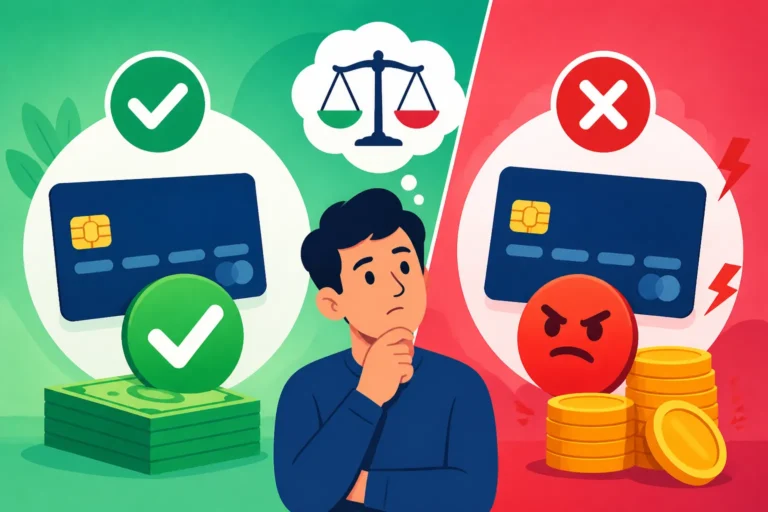
While the strategy of paying twice a month can be incredibly beneficial for some, it's not a one-size-fits-all solution. Understanding your own financial habits and credit goals will help you determine if this approach is right for you.
Bi-Monthly Payments for High-Spenders or Those with Lower Credit Limits
This strategy truly shines for individuals who frequently use a significant portion of their credit limit each month. If you have a low credit limit (say, $500) and routinely put $300-$400 worth of expenses on it, your credit utilization will often be reported as high (60-80%), even if you pay it off in full. In this scenario, making a payment mid-cycle to bring that balance down before the statement closing date can prevent a consistent drag on your credit score.
Similarly, if you're someone who uses your credit card for almost all your daily spending (for rewards, for instance), your balance can quickly balloon. Even if you have a high limit, you might still report high utilization if you wait until the last minute to pay. Splitting payments helps keep that reported balance consistently low, giving your score a boost.
Recovering from Past Credit Missteps
If you're actively working to improve a damaged credit score, implementing a bi-monthly payment strategy can be a powerful tool. By consistently ensuring a low credit utilization ratio is reported, you're building a strong positive payment pattern that can help offset the impact of older negative items. Combined with making all your payments on time, this can accelerate your credit repair journey. Tools like Credit Strong, which focus on building responsible payment habits, can complement this approach by establishing a positive installment loan history. For a broader overview, consider our guide on How to Raise Your Credit Score (Step-by-Step).
When It Might Be Overkill
For individuals with substantial credit limits and low spending habits, or those who consistently pay off their statement balance in full well before the due date, making payments twice a month might be unnecessary. If your reported credit utilization is already consistently below 10-20% without extra effort, the marginal benefit to your score might not justify the added attention and manual payments.
For example, if you have a $10,000 credit limit and only spend $500 a month on the card, your utilization is already 5%. Paying that $500 once a month by the due date will likely result in a reported utilization of 5% or even 0% if you time it right. The effort of splitting that payment into two might not yield a noticeable additional benefit for your credit score. In these cases, simply making one timely payment of the full statement balance is perfectly sufficient.
The key takeaway here is to assess your individual situation. Look at your credit reports, understand your spending patterns, and see if high reported balances are an issue for you. If they are, then a bi-monthly payment strategy can be a very effective way to improve your credit health. If not, don't feel pressured to add unnecessary complexity to your financial routine.
Here’s a quick overview of when this strategy is most impactful:
| Scenario | Impact of Bi-Monthly Payments | Reasoning |
|---|---|---|
| High Credit Utilization | High Benefit | Significantly lowers reported balances, boosting score. |
| Low Credit Limits & High Spend | High Benefit | Prevents constant high utilization from being reported. |
| Building or Repairing Credit | Medium-High Benefit | Establishes strong payment habits & optimizes utilization for quicker improvement. |
| Worried About Overspending | Medium Benefit | Encourages better cash flow management and discipline. |
| Ample Credit Limits & Low Spend | Low Benefit | Utilization is likely already low; minimal additional score impact. |
| Always Pay in Full Before Due Date | Low Benefit | Already achieving optimal utilization; no significant extra gain. |
Ultimately, paying twice a month isn't a magic bullet that instantly inflates your score just for the effort. It's a smart financial habit that can powerfully impact the crucial credit utilization factor and help maintain pristine payment history by reducing the chance of accidental misses. When used strategically, it's a fantastic way to optimize your credit health.
Disclaimer
The information provided in this article is for general informational purposes only and does not constitute financial or legal advice. Credit scores and their calculations can be complex and may vary based on different scoring models and individual circumstances. It is always recommended to consult with a qualified financial advisor for personalized advice regarding your specific situation.