Does Paying Off a Card Early Help Your Score?
It’s a common scenario: you’ve made a credit card payment, maybe even paid more than the minimum, and you’re hopeful it’ll give your credit score a nice bump. But then you check your score, and… nothing. Or worse, it barely budges. This can feel incredibly frustrating, especially when you’re trying to be responsible and improve your financial standing. The truth is, how and when you pay your credit card can absolutely impact your credit score, but it’s more nuanced than just "paying early." This guide will break down the specifics, helping you understand how to make your payments work smarter for your credit health.
Understanding How Your Credit Card Payments Are Reported
Before diving into the "early payment" strategy, it’s essential to understand the mechanics of how your credit card activity gets reported to the major credit bureaus – Equifax, Experian, and TransUnion. This isn't just about sending money; it's about the timing and the numbers that actually show up on your credit report, which then feed into your credit score.
The Critical Role of Payment History
First and foremost, your payment history is the bedrock of your credit score. It accounts for a whopping 35% of your FICO score, making it the most influential factor. Lenders want to see that you consistently pay your bills on time. A single late payment, especially if it’s more than 30 days past due, can cause a significant drop in your score and stay on your report for up to seven years. So, while "early" payments are great, ensuring every payment is on time is non-negotiable. Missing a payment due date, even by a day, won't necessarily be reported as late unless it extends past the 30-day mark, but it can still incur late fees and impact your standing with the issuer. Consistency and reliability are what the credit bureaus are looking for here. You can learn more about this crucial factor by checking out our guide on Payment History: Why It's 35% of Your Score.
Credit Utilization: The Unsung Hero of Early Payments
While payment history is king, credit utilization is the queen, making up about 30% of your credit score. This factor refers to how much of your available credit you're currently using. For example, if you have a credit card with a $1,000 limit and a current balance of $300, your credit utilization is 30%. Most financial experts recommend keeping your overall credit utilization below 30% to maintain a good credit score, with lower being even better. Many highly-rated scores often see utilization below 10%. This is where the concept of "paying early" truly comes into its own and can make a tangible difference to your score. The lower your reported utilization, the better it looks to potential lenders, signaling that you manage your credit responsibly and aren't overly reliant on it. Our comprehensive guide on Credit Utilization: The Complete Guide dives deeper into this topic.
Statement Closing Date Versus Payment Due Date
This distinction is key to understanding how "early" payments affect your score. Your credit card account has two important dates:
- Statement Closing Date: This is the day your credit card issuer "closes" your billing cycle and generates your monthly statement. The balance on this date is the one they typically report to the credit bureaus.
- Payment Due Date: This is the deadline by which your payment for the statement balance must be received to avoid late fees and a negative mark on your credit report. This date is usually 21-25 days after your statement closing date.
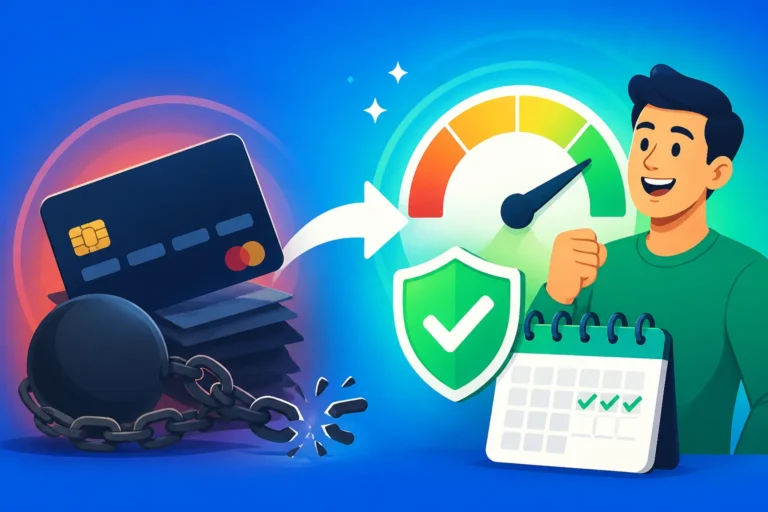
Many people focus solely on the payment due date, ensuring they pay by then. However, to truly impact your credit score positively through early payments, you need to think about the statement closing date. When you make a payment before the statement closes, it reduces the balance that gets reported to the credit bureaus, thereby lowering your credit utilization for that reporting cycle. This is the secret sauce for using "early payments" to boost your score. If you pay off your card after the statement closes but before the due date, you'll still avoid interest and late fees, but the higher balance from the statement closing date will likely still be what's reported to the credit bureaus for that month.
When "Paying Early" Really Helps Your Score: Before the Statement Closes
This is the golden ticket for credit score optimization using payment timing. When you pay down your credit card balance before your statement closing date, you directly influence the credit utilization ratio that the bureaus see.
Reducing Your Reported Credit Utilization
Imagine you have a credit card with a $5,000 limit. Throughout the month, you use it for various purchases, and your balance climbs to $2,000. If your statement closing date is on the 15th of the month and you pay off $1,500 by the 14th, your reported balance will be just $500. This means your credit utilization for that card drops from 40% ($2,000/$5,000) to a much healthier 10% ($500/$5,000). This lower reported utilization is a strong positive signal to the credit bureaus and can lead to an increase in your credit score. Many people even aim to pay their balance down to zero, or at least a very small amount (like 1-9% utilization), before the statement closes. Tools like those offered by Credit Strong, which help you build credit through a secured savings loan or a secured credit card, are designed around responsible credit behavior, including keeping utilization low, which reinforces these good habits from the start.
An Illustrative Scenario
Let's consider Sarah. She has a credit card with a $1,000 limit. Her statement closing date is the 5th of every month, and her payment due date is the 30th.
- Scenario A (Paying "early" for utilization): By the 4th, Sarah has spent $800, bringing her utilization to 80%. Knowing this is too high, she makes a payment of $750 on the 3rd. When her statement closes on the 5th, her reported balance is $50 ($800 – $750). Her reported utilization is now a fantastic 5% ($50/$1,000), which will look excellent on her credit report and positively impact her score. She then pays the remaining $50 by the 30th.
- Scenario B (Paying "on time," but not for utilization): Sarah spends $800 by the 5th, and her statement closes with an $800 balance. Her reported utilization is 80%. She then pays the full $800 on the 20th, well before the 30th due date. While she avoids interest and a late payment, her credit score for that month will still reflect the 80% utilization reported by her issuer on the 5th, which could ding her score.
As you can see, the timing around the statement closing date is paramount for utilization. This is why some savvy credit users advocate for making multiple payments throughout the month or paying their balance almost entirely off right before the statement cuts. Our article When Does a Credit Card Report to the Bureaus? provides even more detail on this reporting cycle.
The Benefit of Multiple Payments in a Cycle
Making multiple payments throughout your billing cycle is a fantastic strategy to keep your reported utilization low. Instead of waiting until the end of the month, you might pay down a large purchase shortly after you make it. This ensures that even if you use a significant portion of your credit limit temporarily, your balance is reduced before the statement closing date. This practice can be especially helpful if you have a lower credit limit and tend to use a large percentage of it regularly. It helps you stay agile and proactive in managing your reported debt levels. For those focused on rapidly improving their financial standing, understanding How to Lower Your Credit Utilization Fast can offer even more tailored strategies.
The Impact of Paying Before the Due Date (But After the Statement)
While paying before your statement closing date offers the most direct benefit to your credit utilization, paying your bill after the statement closes but before the payment due date is still incredibly important. It just impacts a different aspect of your credit score.
Ensuring a Perfect Payment History
The primary benefit of paying before the payment due date is to ensure a pristine payment history. This is, as mentioned, the most significant factor in your credit score. Consistently paying on time demonstrates reliability and responsibility to lenders. Even if your credit utilization for that month isn't optimal because you paid after the statement closed, preventing a late payment is paramount. A single 30-day late payment can erase months, or even years, of careful credit building. Missing the due date can trigger late fees and potentially a penalty APR, increasing the cost of your debt. This is why even when you're focusing on paying down your overall debt, managing your monthly payments meticulously is crucial. Learn more about managing these payments in our article, Statement Balance vs Current Balance: What to Pay.
Avoiding Interest Charges and Late Fees
Another massive advantage of paying your full statement balance before the due date is avoiding interest charges. Most credit cards offer a grace period, meaning you won't be charged interest on new purchases if you pay your entire statement balance by the due date. If you only make the minimum payment, or pay late, you'll start accruing interest on the remaining balance (and potentially on new purchases, depending on your card's terms). Over time, interest can significantly increase the total cost of your purchases and make it harder to pay off your debt. Paying early, even if it's just before the due date, saves you money and helps you stay on track with your financial goals. While services like Credit Strong help you build a positive credit history, they also inherently encourage timely payments, which helps you avoid these unnecessary fees.
Strategies for Optimizing Your Credit Card Payments
Now that we understand the nuances, let's look at actionable strategies you can implement to optimize your credit card payments and positively influence your credit score.
The "Pay Twice a Month" Method
This popular strategy directly addresses the credit utilization factor. By making one payment in the middle of your billing cycle and another before your statement closing date, you can keep your reported balance consistently low. For example, if your statement closes on the 15th, you might make a payment around the 1st or 2nd, and then another smaller payment around the 13th or 14th to bring the reported balance down to your target utilization. This method ensures that when the credit bureaus check your report, they see a much lower debt-to-limit ratio. This is a proactive way to manage your credit and can be especially effective for those who frequently use their credit cards.
Keep Your Overall Utilization Low
Beyond just paying before the statement closes, it's vital to maintain a low overall credit utilization across all your credit accounts. If you have multiple cards, the bureaus often look at your combined utilization as well as individual card utilization. Aim for that magic 1-9% for optimal scores. If you find yourself consistently using a high percentage of your available credit, it might be a sign that you need to adjust your spending habits or look into increasing your credit limits (though be careful with hard inquiries). Organizations like Credit Strong emphasize building positive credit behaviors, and maintaining low utilization is a core component of that. Many individuals wonder about How Much of Your Credit Limit Should You Use? – this is exactly why this topic is so important.
Automate Your Minimum Payments, Then Pay More
A fantastic safety net is to set up automatic payments for at least your minimum due amount. This ensures you'll never miss a payment due date, protecting your crucial payment history. Then, on top of that, make additional manual payments throughout the month or before your statement closes to reduce your reported utilization. This hybrid approach gives you the best of both worlds: guaranteed on-time payments and optimized reported balances.
| Payment Strategy | Impact on Payment History | Impact on Credit Utilization | Effect on Interest/Fees | Potential Score Impact |
|---|---|---|---|---|
| Pay Before Statement Close | Excellent (if done consistently) | Significantly Lowers Reported Balance | Avoids interest on reported balance | Highest positive impact (for utilization) |
| Pay Before Due Date (After Statement) | Excellent | No change to reported balance for that cycle | Avoids interest and late fees | Positive (for payment history, less for utilization) |
| Pay Minimum On Time | Good | Can lead to higher reported utilization | Accrues interest on remaining balance | Neutral to slightly negative (due to utilization) |
| Pay Late (30+ Days) | Negative | Can lead to higher reported utilization | Accrues interest and late fees | Significant negative impact |
Regularly Review Your Credit Reports
Always keep an eye on your credit reports from Equifax, Experian, and TransUnion. You can get a free copy of your credit report from each bureau once a year via AnnualCreditReport.com. Reviewing them helps you verify that your payments are being reported correctly and that your utilization reflects your efforts. It also allows you to catch any errors or fraudulent activity that could be harming your score. Understanding How Credit Scores Work: The Complete Guide (2026) will highlight why constant monitoring is a smart move.
Dispelling Common Credit Payment Myths
There are a lot of misconceptions floating around about how credit card payments affect your score. Let's clear up a couple that are directly related to paying your card.
"Carrying a Balance Helps Your Credit Score"
This is one of the most persistent and damaging myths out there. The idea is that if you carry a small balance from month to month, it shows lenders you're actively using credit and managing it. In reality, carrying a balance only benefits the credit card company, as you'll be charged interest. For your credit score, a reported balance (even a small one) contributes to your credit utilization. The ideal scenario for your score is to have your reported utilization be very low, preferably between 1-9%, or even $0, especially on most cards. A $0 reported balance doesn't hurt your score, it generally helps it by keeping utilization at its absolute lowest. Our article Does Carrying a Balance Help Your Credit Score? tackles this myth in full detail.
"Paying Off All Debt Immediately Resets Your Score to Zero"
Another anxiety-inducing thought is that aggressively paying off all your credit card debt, especially if you then close the accounts, will somehow reset your credit history or score to zero. This isn't true. Your credit history is a long-term record. Paying off debt is almost always a good thing. What can sometimes cause a temporary dip is closing accounts, especially older ones, as this can reduce your overall available credit (thus potentially increasing your utilization ratio on remaining cards) and shorten your average age of accounts. The act of paying off debt itself is beneficial. In fact, learning How to Pay Off Credit Card Debt Fast is a great step toward improving your overall financial health and credit standing.
The Bottom Line: Timing is Everything
When it comes to credit card payments and your credit score, paying on time is the absolute minimum requirement. But if you want to supercharge your efforts and see a more immediate positive impact on your score, the key is to pay your balance down before your statement closing date. This strategy effectively lowers your reported credit utilization, which is a major scoring factor.
Think of it this way: you’re not just paying off debt; you’re strategically managing the data points that lenders and credit bureaus use to assess your creditworthiness. By being mindful of your statement closing date and aiming to keep your reported balance as low as possible, you’re taking proactive steps to optimize your credit score. Whether you use the "pay twice a month" method or simply make sure your balance is nearly zero right before the statement cuts, consistency in these practices will lead to healthier credit and open up more financial opportunities for you in the long run.
Disclaimer
Please note that this content is intended for informational purposes only and does not constitute financial or legal advice. Credit score outcomes can vary based on individual financial situations and the specific algorithms used by credit bureaus and scoring models. It is always recommended to consult with a qualified financial advisor for personalized advice.