What Does 100% Credit Utilization Do to Your Score?
It’s a truly awful feeling, isn't it? You log into your credit card account, or maybe you check your latest credit score update, and there it is: your credit card balance is at 100% of your limit. A knot forms in your stomach because you instinctively know this isn't good news for your credit score. This guide is here to walk you through exactly what happens when your credit utilization hits the maximum, why it’s such a big deal, and most importantly, how to pick yourself back up and start rebuilding.
The Immediate Fallout of 100% Credit Utilization
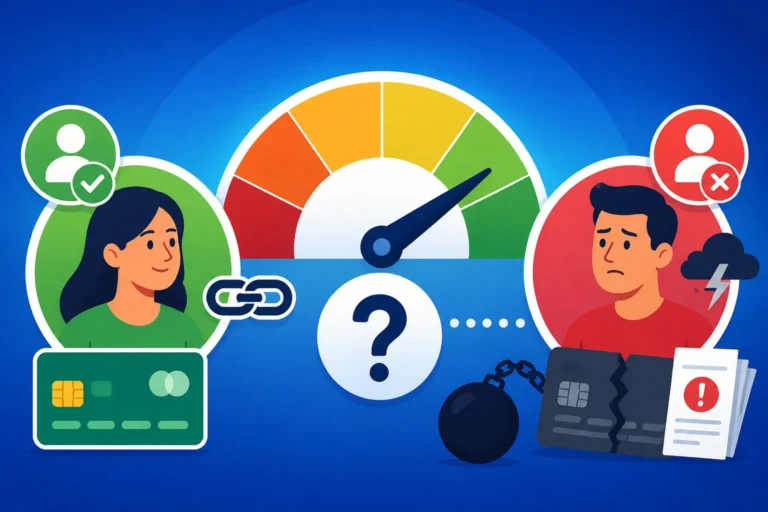
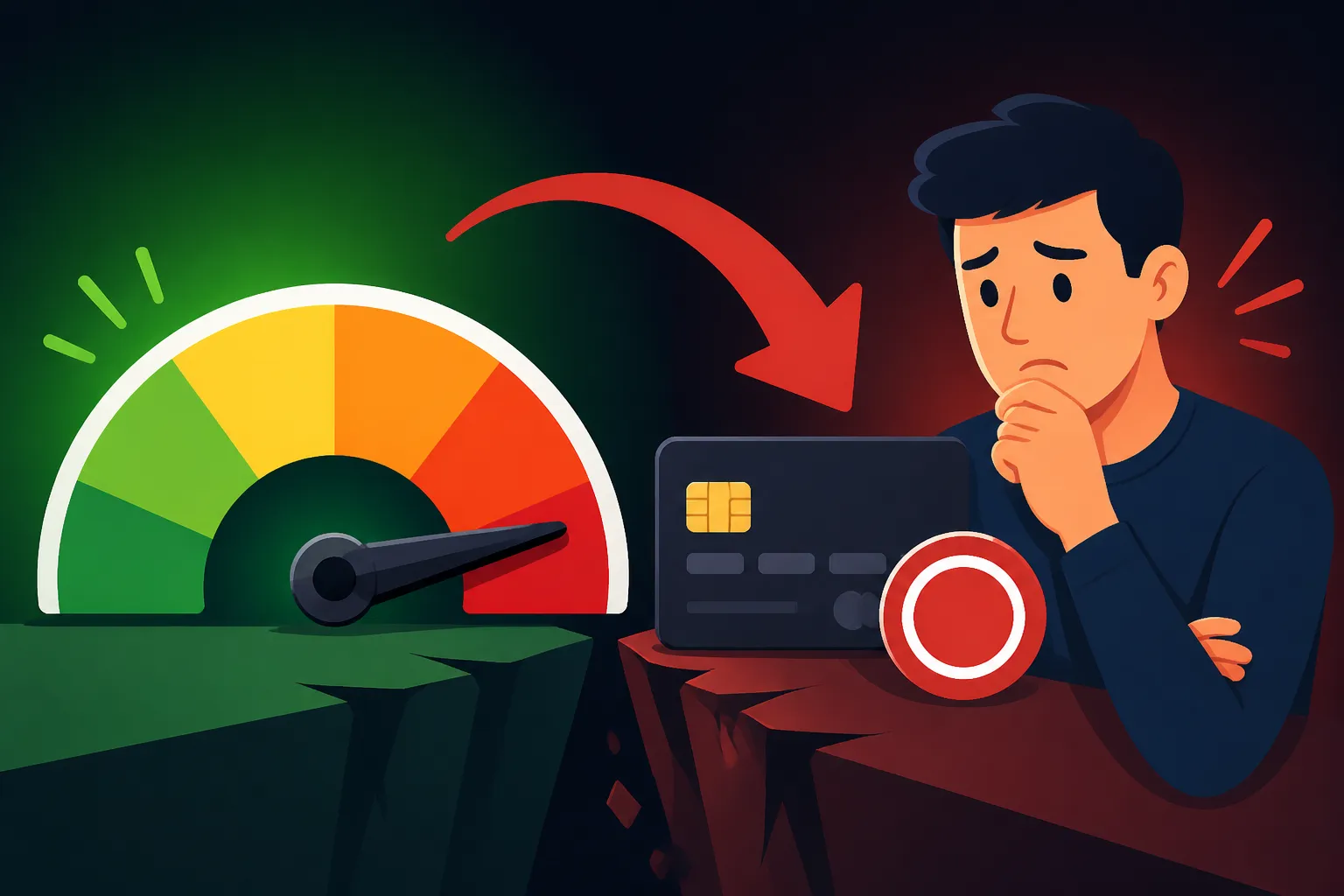
When your credit cards are maxed out, it’s not just a financial tight spot; it's a huge red flag waving furiously on your credit report. The impact on your credit score can be swift and severe, often dropping it by a significant number of points almost overnight. This isn't just a slight dip; it can be a plunge that pushes you from good credit into fair or even poor territory.
A Major Hit to Your Credit Score
Credit utilization is a critical component of your FICO Score and VantageScore models, making up about 30% of your overall score. To put it simply, it's a measure of how much of your available credit you're actually using. When you hit 100% utilization, you’re telling the credit bureaus that you're using every single penny of the credit extended to you. Lenders see this as a high-risk indicator. They start to worry that you might be struggling financially and could have trouble making your payments on time.
Imagine you have a credit card with a $1,000 limit, and you’ve charged $1,000 to it. Your utilization is 100%. If you had $10,000 in available credit across multiple cards and one of them was maxed out, your overall utilization might be lower, but the individual card’s 100% utilization still carries a heavy weight. This factor alone can easily cause your score to drop by dozens of points, sometimes even 50 to 100 points or more, depending on your starting score and other factors in your credit history. It's one of the fastest ways to see a significant negative change in your creditworthiness. We talk more about this in our guide on How Many Points Does High Utilization Cost You?.
Signalling High Risk to Lenders
Beyond the pure number drop, 100% credit utilization sends a loud and clear message to any potential lender: you are a high credit risk. Lenders look at your credit report to assess your ability to manage debt and repay new loans. When they see maxed-out credit cards, they interpret it as a sign of financial distress or an over-reliance on credit. This can significantly reduce your chances of being approved for new lines of credit, such as a personal loan, an auto loan, or even a mortgage.
Even if you are approved for new credit, the terms you’ll be offered will likely be far less favorable. You could be looking at much higher interest rates, stricter repayment terms, or requiring a co-signer. This isn't just about getting new plastic; it impacts big life decisions like buying a home or a car. It's a fundamental part of What Affects Your Credit Score? The 5 Factors, and utilization is near the top of that list.
Understanding Credit Utilization Ratios
Before we dive deeper into the ramifications, let's make sure we're all on the same page about what credit utilization actually means and how it's calculated. It's not just a fancy term; it's a crucial metric that savvy consumers pay close attention to.
How Credit Utilization is Calculated
Credit utilization, often referred to as your Credit Utilization Ratio (CUR), is simply the amount of credit you're using compared to the total amount of credit available to you. It's expressed as a percentage.
Here's the basic formula: (Total Credit Card Balances / Total Credit Limits) x 100 = Credit Utilization Ratio.
For example, if you have one credit card with a $2,000 limit and a $1,000 balance, your utilization is ($1,000 / $2,000) * 100 = 50%. If you have two cards, one with a $2,000 limit and a $1,000 balance, and another with a $3,000 limit and a $0 balance, your overall utilization is ($1,000 / ($2,000 + $3,000)) * 100 = ($1,000 / $5,000) * 100 = 20%. Both individual card utilization and overall utilization are important, but maxing out any card sends a very strong negative signal. It's not uncommon for people to misunderstand this, thinking as long as their overall utilization is low, individual card balances don't matter as much. Unfortunately, the credit bureaus consider both.
Why the 30% Rule Matters and the 10% Ideal
You’ve probably heard of the "30% rule" when it comes to credit utilization. This widely cited guideline suggests that you should aim to keep your total credit utilization, and ideally individual card utilization, below 30% of your available credit. So, if you have a total credit limit of $10,000, you'd want to keep your balances below $3,000. Going over this threshold generally starts to have a negative impact on your score, and the higher you go, the worse it gets.
However, many credit experts and lenders actually recommend aiming for an even lower percentage, often below 10%. Why? Because people with the absolute best credit scores often have very low utilization. When your utilization is under 10%, you're seen as an extremely responsible borrower who isn't relying heavily on credit. This signals stability and excellent debt management. Hitting 100% utilization, as you can imagine, blasts past these recommended thresholds entirely, putting you squarely in the high-risk category. For a deeper dive into this, check out our comprehensive guide on Credit Utilization: The Complete Guide.
The Domino Effect of Maxing Out Your Cards
The impact of 100% credit utilization isn't just a single hit to your score; it creates a ripple effect that can make your financial life much harder in several ways. It's like one bad move on the chessboard that sets up a series of difficult challenges.
Increased Interest Payments and Debt Spiral Risk
One of the most immediate and painful consequences of maxing out your credit cards is the surge in interest payments. When your balance is high, the interest charges on that large amount become substantial. Credit card interest rates, known as APRs (Annual Percentage Rates), can be quite high, often ranging from 15% to 25% or even more. If you're only making the minimum payments on a maxed-out card, a significant portion of that payment will go towards interest, doing little to reduce your principal balance.
This can quickly lead to a debt spiral, where interest compounds, and your debt seems to grow despite your efforts to pay it down. It becomes incredibly frustrating to feel like you're just treading water, and it can take a serious toll on your mental and financial well-being. Understanding How to Pay Off Credit Card Debt Fast becomes paramount in such a situation.
Difficulty Obtaining New Credit or Favorable Terms
As we touched on earlier, a 100% utilization ratio paints you as a high-risk borrower. This makes it incredibly difficult to get approved for any new credit, whether it's another credit card, a personal loan, or even a cell phone contract without a significant deposit. Lenders simply don't want to take on additional risk when your current credit profile suggests you're already struggling to manage your existing debt.
Even if you do get approved, the terms will be far from ideal. You might be offered loans with sky-high interest rates, short repayment periods, or burdensome fees. This means that if an unexpected expense comes up, like a car repair or a medical bill, your options for affordable borrowing will be severely limited, potentially pushing you further into a financial corner. You might not qualify for the best rewards credit cards or those with introductory 0% APR offers that could actually help you get out of debt.
Potential Account Closures or Credit Limit Reductions
It might sound counterintuitive, but if a lender sees you're consistently maxing out your credit card, they might take action to mitigate their own risk. This can include reducing your credit limit or, in extreme cases, closing your account entirely. If your credit limit is reduced, and you still have a high balance, your utilization ratio will increase even further, potentially causing more damage to your credit score.
For example, if you have a $2,000 limit and a $2,000 balance (100% utilization), and the issuer cuts your limit to $1,000, your utilization immediately jumps to 200%! This is a serious problem. Account closures, especially for older accounts, can also negatively impact your Credit Age: How Length of History Affects Your Score which is another factor in your credit score. Lenders are constantly assessing their portfolio risk, and those who appear to be overextended often become targets for such actions.
Strategies to Recover from 100% Credit Utilization
The good news is that hitting 100% credit utilization isn't a permanent sentence for your credit score. Credit utilization has no memory; as soon as you pay down your balances, your score can rebound fairly quickly. The key is to take deliberate, consistent steps to reduce your debt and rebuild your financial health.
Prioritize Payments and Reduce Balances
The absolute first step is to focus all your available funds on paying down those maxed-out credit card balances. Every dollar you put towards the principal reduces your utilization and lessens the interest charges you'll accrue.
- Attack the Highest Interest Rates First (Debt Avalanche): If you have multiple cards, focus on the one with the highest interest rate first while making minimum payments on the others. This strategy, known as the debt avalanche method, saves you the most money in the long run.
- Smallest Balance First (Debt Snowball): Alternatively, some people find motivation by paying off the card with the smallest balance first, then rolling that payment into the next smallest. This is called the debt snowball method and can provide psychological wins.
- Increase Payments: Even an extra $20 or $50 above the minimum payment can make a significant difference over time. Review your budget ruthlessly to find areas where you can cut back, even temporarily, to free up more money for debt repayment. You might be surprised at how much you can free up when you're truly dedicated. Our guide on How to Lower Your Credit Utilization Fast offers more practical tips.
Consider Debt Consolidation or Balance Transfers
If you're drowning in high-interest credit card debt from multiple maxed-out cards, debt consolidation or a balance transfer might be worth exploring.
- Balance Transfer Cards: These cards offer a promotional 0% APR period for a set number of months (e.g., 12-18 months) on transferred balances. This can give you a crucial window to pay down debt aggressively without accruing new interest. Be aware, however, that these usually come with a balance transfer fee (typically 3-5% of the transferred amount) and require a decent credit score to qualify. If your score has taken a hit from 100% utilization, qualifying might be challenging. Learn more about Balance Transfer Cards: How They Work to see if this is an option for you.
- Debt Consolidation Loans: A personal loan taken out to pay off all your credit card debt can simplify your payments into one monthly bill, often with a lower, fixed interest rate. This can make debt management much more straightforward and potentially save you money on interest. Again, approval and favorable terms depend on your creditworthiness, which might be an uphill battle after maxing out cards.
Explore Credit Building Tools
Once you start bringing down those balances, or if you need to establish more positive credit history, consider credit-building tools. Products like a secured credit card or a credit builder loan can help you add positive payment history to your report and diversify your credit mix.
A secured credit card requires a deposit, which often becomes your credit limit. You use it like a regular credit card, but your deposit secures the line of credit. Regular, on-time payments on a secured card can slowly but surely help improve your payment history and utilization, as long as you keep the balance low.
Credit builder loans are another excellent option. Companies like Credit Strong offer these loans where you make regular payments into a locked savings account, and once the loan is paid off, you get access to the funds. These payments are reported to the credit bureaus, building positive payment history without needing a lump sum upfront. This kind of structured approach can be incredibly effective when you're trying to intentionally rebuild your credit after a setback. Many folks find these tools invaluable for their journey on How to Raise Your Credit Score (Step-by-Step).
Here's a quick look at how different utilization levels might impact your score, keeping in mind these are general guidelines and individual results vary:
| Credit Utilization Range | General Impact on Credit Score | Lender Perception |
|---|---|---|
| 0-9% | Excellent | Extremely low risk, excellent money management |
| 10-29% | Good to Very Good | Responsible borrower, managing credit well |
| 30-49% | Fair to Good | Acceptable, but starting to show signs of potential reliance on credit |
| 50-74% | Poor to Fair | Elevated risk, may indicate financial strain |
| 75-99% | Very Poor | High risk, likely experiencing significant financial difficulty |
| 100%+ | Catastrophic | Extreme high risk, major financial distress, potential for default is very high |
Remember, the goal is to get those percentages down as quickly and efficiently as possible. When you successfully pay down your balances, your score can improve. This highlights the importance of understanding Does Paying Off Credit Cards Raise Your Score?
Disclaimer
The information provided in this guide is for general informational purposes only and does not constitute financial, legal, or credit advice. Always consult with a qualified financial professional for advice tailored to your specific situation. Credit scores and reporting practices can vary, and individual results may differ.