Does Using 100% of Your Limit Hurt Your Score?
It's a common scenario, isn't it? You've got a credit card, you see that available limit, and sometimes, especially when life throws unexpected expenses your way, it can feel almost inevitable to use a good chunk of it – maybe even all of it. But then that sinking feeling hits: "Is this going to trash my credit score?" It's a valid and often frustrating question because the answer isn't always immediately obvious, and the consequences can feel pretty severe. This guide is here to unravel the truth about using 100% of your credit limit, explain exactly how it impacts your financial standing, and most importantly, give you actionable strategies to avoid the pitfalls and get your credit health back on track.
The Harsh Reality of Maxing Out Your Credit Card
Let's not sugarcoat it: hitting 100% of your credit limit is almost always a detrimental move for your credit score. It's one of those credit habits that can cause an immediate and significant dip, and it's something lenders pay very close attention to. Understanding why this happens is the first step toward preventing it.
Understanding Credit Utilization Ratio
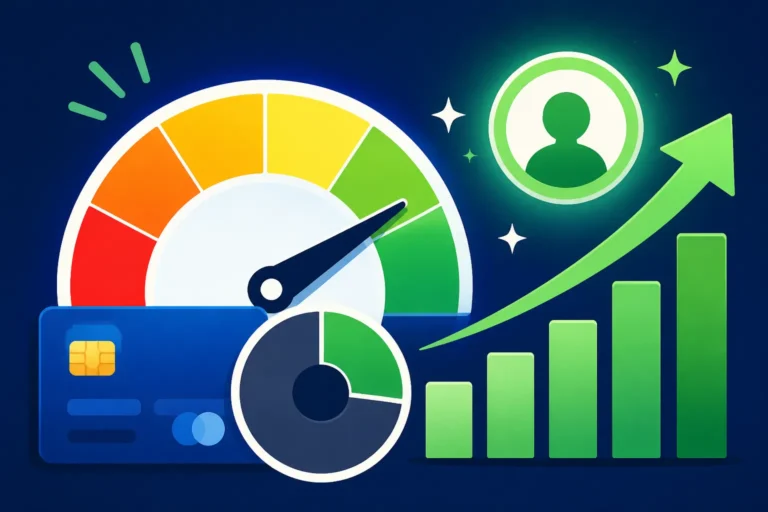
The term "credit utilization ratio" might sound a bit technical, but it's actually quite simple to grasp, and it's absolutely crucial to your credit health. In plain English, your credit utilization ratio (CUR) is the amount of credit you're currently using divided by your total available credit. So, if you have a credit card with a $1,000 limit and you have a $500 balance, your utilization is 50%. If you use the entire $1,000, your utilization shoots up to 100%.
This ratio is a massive factor in how your credit score is calculated, making up about 30% of your FICO score. Think about it: that's almost a third of your entire score tied to how much of your available credit you're actually using. Many people mistakenly believe that as long as they pay their balance in full by the due date, it doesn't matter how much they use. Unfortunately, that's not quite how it works. The credit bureaus generally report your balance once a month, typically around your statement closing date. So, even if you pay it all off a few days later, if that 100% balance was reported, that's what impacts your score for the next month. It can be a real punch to the gut when you've diligently paid your bill, only to see your score drop because of the reported utilization.
The Immediate Impact on Your Credit Score
When you max out a credit card, you're not just making a small dent in your score; you're often causing a substantial drop. This isn't speculation; it's a well-documented aspect of how credit scoring models like FICO and VantageScore operate. They see a 100% utilization rate as a strong indicator of increased risk. Imagine you have a $5,000 limit across all your cards, and you suddenly use $4,000 of it. That's 80% utilization overall, which is already quite high. Now imagine you have a single card with a $500 limit, and you spend $500 on it. That one card is at 100% utilization, and even if your other cards are low, this single high utilization can flag you as a higher risk.
The impact isn't just theoretical; it translates into real points off your score. While the exact number varies based on your overall credit profile, someone with an otherwise excellent credit history might see a significant drop, while someone with an already struggling score could see an even more pronounced decrease. It's a clear signal to lenders that you might be over-reliant on credit, potentially struggling financially, or just not managing your credit accounts wisely. This is why understanding How Credit Scores Work: The Complete Guide is so crucial, as it lays out all the factors at play.
Why High Utilization is a Red Flag for Lenders
Lenders aren't just looking at numbers for fun; they're assessing risk. When they see a high credit utilization ratio, especially one that hits 100%, it sends up multiple red flags that can hinder your financial future.
Perceived Risk and Financial Stress
From a lender's perspective, a maxed-out credit card screams "financial stress." It suggests that you might be living paycheck to paycheck, using your credit card as an extension of your income, or facing unforeseen financial difficulties that forced you to exhaust your available credit. This perception makes you look like a riskier borrower. If you're struggling to pay off a maxed-out card, how likely are you to take on and responsibly repay a new loan, like a mortgage or a car loan?
This isn't about judgment; it's about statistics. Data shows that consumers who consistently carry high balances or max out their cards are more likely to default on their debts. Lenders use this historical data to make informed decisions. They want to see that you can manage credit responsibly, demonstrating that you use it as a convenience rather than a necessity to cover basic expenses. Keeping your credit utilization low shows prudence and stability, which builds confidence with potential lenders.
Impact on Future Borrowing Opportunities
The ripple effects of a maxed-out credit card extend far beyond just a lower number on your credit report. A significantly dropped credit score can slam the door on many future financial opportunities or make them far more expensive.
Imagine you're trying to get a mortgage to buy your first home in a competitive market like Boise, Idaho. A high credit utilization ratio could mean you're offered a much higher interest rate, costing you thousands over the life of the loan, or worse, your application could be outright denied. The same goes for a car loan; you might end up paying hundreds more in interest each year simply because your credit score signals higher risk. Even seemingly smaller things, like getting approved for a new apartment lease or qualifying for a cell phone plan without a hefty deposit, can become an uphill battle. Landlords and utility companies often check credit reports to gauge your financial reliability. If they see maxed-out cards, they'll view you as a risk for late payments on rent or bills. This is why understanding What Credit Score Do You Need to Buy a House? or What Credit Score Do You Need for a Car Loan? is so important, as high utilization could push you out of the qualifying range.
Strategies to Recover and Improve Your Credit Utilization
Alright, so you know the problem. Now let's talk about solutions. The good news is that credit utilization is a dynamic factor in your credit score, meaning it can change relatively quickly as you pay down balances. It's not like a bankruptcy that stays on your report for years.
The Golden Rule: Keep Utilization Low
The most fundamental piece of advice for credit utilization is to keep it low. Seriously, this is the golden rule. Financial experts and credit scoring models generally suggest aiming for a credit utilization ratio of under 30% on each card and overall. If you can get it even lower, say under 10%, that's fantastic and often leads to an even better score.
How do you achieve this? It starts with mindful spending and strategic payments. If you have a credit card with a $2,000 limit, try not to let your balance exceed $600 (30%) or ideally $200 (10%). If you find yourself needing to use your card for larger purchases, make extra payments throughout the month to keep the balance low. Don't wait until the due date. Remember, what gets reported to the credit bureaus is often your balance on your statement closing date. So, if you charge $1,000 on a $2,000 limit card, but pay $800 of it before your statement closes, your reported utilization will be just $200/$2,000, or 10%—a much healthier number! This is why knowing Should You Pay Off Your Card Before the Statement Date? is such a powerful strategy.
Increasing Your Available Credit
Another way to lower your utilization, without necessarily paying off debt (though paying off debt is always the best solution!), is to increase your total available credit. This can be done in a couple of ways:
One option is to request a credit limit increase on an existing card. If you've been a responsible cardholder, always paying on time, your issuer might be willing to boost your limit. Just be cautious: sometimes requesting an increase can trigger a hard inquiry, which can cause a slight temporary dip in your score. More importantly, don't view a higher limit as an invitation to spend more; the goal is to lower your utilization by having more available credit while keeping your balance the same or lower. You can learn more about this by reading Should You Ask for a Credit Limit Increase?.
Another path is to open a new credit card. This immediately boosts your total available credit. However, this comes with its own set of considerations. A new credit card application will result in a hard inquiry, and a new account can temporarily lower the average age of your credit history. You also run the risk of accumulating more debt if you aren't disciplined. This strategy is only advisable if you can manage the new credit responsibly and keep the balance on all cards low.
For those looking to build a stronger overall credit profile, especially if your current credit lines are limited, tools like a credit builder loan from a company like Credit Strong can be beneficial. While not directly increasing a credit card limit, a credit builder loan adds a new type of credit to your report (an installment loan), diversifying your credit mix and demonstrating a consistent payment history. Over time, a more robust credit profile can lead to better credit card offers with higher limits, indirectly helping your utilization by providing more overall available credit.
Debt Repayment Strategies
If you've maxed out a card, the most effective way to improve your utilization is to pay down the debt. This sounds simple, but it can be challenging. Here are a few popular strategies:
- Debt Snowball or Debt Avalanche: The debt snowball method focuses on paying off your smallest balance first, regardless of interest rate, to build momentum and psychological wins. The debt avalanche method, on the other hand, prioritizes debts with the highest interest rates first, which can save you more money in the long run. Both are effective for tackling debt head-on.
- Balance Transfer Cards: If you have good credit despite high utilization, you might qualify for a balance transfer credit card with a 0% introductory APR. This can give you a window of time (often 12-18 months) to pay down your high-interest debt without accumulating more interest charges. Just be aware of balance transfer fees and ensure you can pay off the transferred amount before the promotional period ends. You can investigate How to Pay Off Credit Card Debt Fast for more methods.
- Debt Consolidation Loan: For larger amounts of debt spread across multiple cards, a personal loan for debt consolidation could be an option. This combines several debts into one payment, often at a lower interest rate, simplifying your repayment plan and potentially freeing up cash flow.
No matter which strategy you choose, the key is consistency and paying more than the minimum payment. Minimum payments are designed to keep you in debt for as long as possible, benefiting the credit card companies, not you.
Common Misconceptions and Pro Tips
There are a lot of old wives' tales floating around about credit, and some of them can actually harm your score if you follow them. Let's clear up a couple of big ones.
The Myth of Carrying a Balance
One of the most persistent credit myths is that you need to carry a balance from month to month to build good credit. This is simply not true and can cost you a lot of money in interest. Credit scoring models don't care if you carry a balance; they care if you pay on time and how much of your available credit you're using.
Paying your statement balance in full every single month is the absolute best practice. Not only does this prevent you from paying a dime in interest, but it also demonstrates responsible credit usage, which is a major positive for your payment history (35% of your FICO score!). So, please, don't purposefully carry a balance; it's a financial drain with no credit-building benefits.
Timing Your Payments for Maximum Impact
As we touched on earlier, the timing of your payments is crucial for managing your credit utilization. It's not just about paying before the due date; it's about paying before your statement closing date.
Each credit card has a statement closing date (sometimes called a cycle closing date). This is the day your credit card company calculates your balance and generates your monthly statement. It's also usually the balance they report to the three major credit bureaus (Equifax, Experian, and TransUnion). So, even if your payment due date is, say, the 20th of the month, if your statement closes on the 5th, the balance reported on the 5th is what hits your credit report. If you make a large purchase right before the 5th and don't pay it down, that high balance will be reported.
A savvy strategy is to pay down your balance several days before your statement closing date. If you've used a lot of your credit limit, making multiple smaller payments throughout the month can also help keep that reported balance low. This is a powerful, yet often overlooked, tactic to optimize your Credit Utilization: The Complete Guide and see those score benefits faster. Remember, consistent, low utilization is key to maintaining a healthy credit score. If you're wondering Does Paying Off Credit Cards Raise Your Score?, this strategy makes a huge difference!
| Credit Utilization Ratio (CUR) | What it Means to Lenders | Impact on Credit Score (General) | Action Recommended |
|---|---|---|---|
| 0-9% | Excellent! Low Risk | Very Positive | Ideal; keep balances very low |
| 10-29% | Good; Manageable Risk | Positive | Maintain; demonstrates responsible use |
| 30-49% | Fair; Elevated Risk | Neutral to Slightly Negative | Pay down; aim for below 30% |
| 50-79% | High; Significant Risk | Negative | Urgent action; focus on repayment |
| 80-100% | Very High; Extreme Risk | Severely Negative | Immediate action; pay down as much as possible |
This table illustrates why keeping your credit utilization low is so vital. Any time your utilization creeps above 30%, you're sending a less favorable signal to lenders. When it hits 100%, it's a clear indication of potential financial distress, and your credit score will reflect that. To learn more about improving your score, consider reading How to Raise Your Credit Score (Step-by-Step).
Disclaimer
This article is for general informational purposes only and does not constitute professional advice. Laws, prices and regulations vary by location and change over time. Consult a qualified professional for guidance on your specific situation.