What Does 20% Credit Utilization Do to Your Score?
It's completely normal to feel confused about how every little financial decision impacts your credit score, especially when you hear numbers like "20% utilization" thrown around. You're not alone in wondering if there's some secret formula or magic threshold you need to hit. Understanding precisely what credit utilization is and how maintaining a specific percentage, like 20%, can affect your score is crucial for anyone looking to improve their financial standing. This guide will break down this key credit factor, explain its significance, and provide actionable insights to help you manage it effectively.
Understanding Credit Utilization at its Core
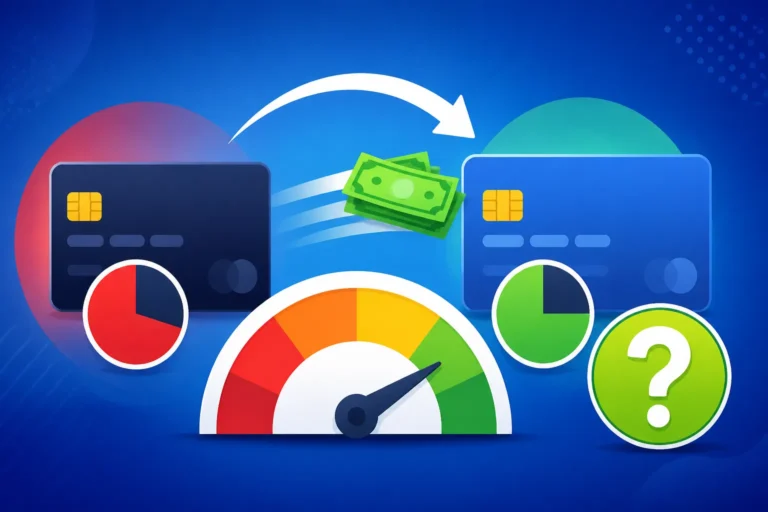
Credit utilization, often referred to as your credit utilization ratio, is a super important piece of your credit puzzle. Simply put, it's the amount of credit you're currently using compared to the total amount of credit you have available across all your credit accounts. Think of it like this: if you have a total credit limit of $10,000 and you've currently charged $2,000 to your cards, your credit utilization is 20% ($2,000 / $10,000).
The Basics of How It's Calculated
Calculating your credit utilization is pretty straightforward, but it's important to remember that it's usually looked at in two ways: per individual card and across all your credit cards combined. Lenders and credit scoring models, like FICO and VantageScore, tend to consider both, though the overall utilization across all your accounts often carries more weight.
For a single card, you take the balance on that card and divide it by its credit limit. So, if you have a card with a $5,000 limit and a $1,000 balance, that's a 20% utilization for that specific card. Then, to get your overall utilization, you add up all your outstanding balances from all your credit cards and divide that by the sum of all your credit limits. For instance, if you have one card with a $5,000 limit and $1,000 balance (20%) and another with a $3,000 limit and a $300 balance (10%), your total credit used is $1,300, and your total credit available is $8,000. Your overall utilization would be roughly 16.25%. It's a snapshot in time, usually reported by your lenders to the credit bureaus once a month, which is why your score can fluctuate.
Why It Matters So Much to Your Credit Score
Your credit utilization ratio is a huge factor in your credit score calculations – second only to your payment history. It typically accounts for about 30% of your FICO Score, which is the most widely used scoring model. Why is it so important? Because lenders see high utilization as a sign of financial stress or over-reliance on credit. If you're consistently maxing out your credit cards or keeping very high balances, it suggests you might be struggling to manage your finances and could be a higher risk for defaulting on future payments.
Conversely, maintaining low credit utilization signals to lenders that you're responsible with credit. It shows that you have access to credit but aren't dependent on it. This responsible behavior makes you look like a lower risk borrower, which typically leads to a higher credit score. It's not just about getting approved for new credit; a good score influenced by low utilization can also get you better interest rates on loans, lower insurance premiums, and even make it easier to rent an apartment. If you're wondering What Affects Your Credit Score? The 5 Factors, utilization is definitely near the top.
The Impact of 20% Credit Utilization on Your Score
When people talk about credit utilization, you'll often hear advice to keep it "below 30%" or even "below 10%." So, what about hitting that 20% mark? It's generally a very healthy target that can have a positive impact on your credit score.
Why 20% is Often Considered a Sweet Spot
For most credit scoring models, keeping your utilization at or below 20% is seen as a very positive indicator of responsible credit management. While the absolute "best" utilization is often considered to be below 10% (and even 0% in some specific scenarios, though carrying a small balance can sometimes be beneficial if paid off quickly), 20% strikes a great balance. It demonstrates that you're actively using your credit accounts but not leaning too heavily on them. It suggests you have a good handle on your spending and aren't stretched thin financially.
Falling into the 1% to 20% range for your credit utilization often puts you in a good position to see positive movement in your credit score, especially if other factors like payment history are also strong. It's often where people start to see their scores climb from the "fair" to "good" range, and sometimes even into "very good" territory, depending on their overall credit profile. Consistently keeping your utilization at 20% or less shows a pattern of responsible behavior over time, which the credit bureaus love to see.
Real-World Scenarios and Score Outcomes
Let's imagine a few scenarios to illustrate the impact.
Scenario 1: High Utilization
Sarah has a total credit limit of $10,000 across two credit cards. She's been using her cards quite a bit lately, and her combined balance is $7,500. This puts her credit utilization at a whopping 75%. Sarah might have a credit score in the low 600s or even high 500s. Lenders would see this as a red flag, making her less likely to get approved for new credit or a loan at a favorable rate. She might feel stuck, wondering How to Get Out of Credit Card Debt (Step-by-Step).
Scenario 2: 20% Utilization
Mark also has a total credit limit of $10,000. He uses his credit cards for everyday expenses but always pays them down before the statement closes, keeping his reported balance to around $2,000. His utilization is consistently 20%. Mark likely has a credit score in the mid-to-high 700s, assuming a good payment history. He appears responsible and low-risk to lenders.
Scenario 3: Very Low Utilization (Under 10%)
Emily has the same $10,000 total credit limit but keeps her balances even lower, typically around $500-$800, resulting in 5-8% utilization. With a solid payment history and long credit age, Emily is probably enjoying a credit score well into the high 700s or even 800s. She has the best chance for top-tier interest rates and approvals.
As you can see, maintaining that 20% (or lower) utilization is a powerful lever for your credit score. It's a concrete action you can take to show financial health. If you're curious about What Is a Good Credit Score? (2026 Ranges Explained), achieving a good utilization rate is a critical step towards reaching those higher tiers.
How to Achieve and Maintain 20% Utilization (or Lower)
Now that you know how important it is, let's talk about practical ways to keep your credit utilization in that healthy 20% range or even lower. It's all about strategic spending and smart management.
Strategies for Managing Your Spending
The most direct way to control your credit utilization is by controlling your spending. This might sound obvious, but it requires discipline.
- Create a Budget: Know exactly where your money is going each month. A clear budget helps you identify areas where you can cut back and ensures you have enough funds to cover your credit card payments. If you only have $2,000 for discretionary spending after bills, don't put $3,000 on your credit card.
- Pay Down Balances Frequently: Don't wait for your monthly statement. If you can, make multiple payments throughout the month, especially before your statement closing date. This is often when your credit card issuer reports your balance to the credit bureaus. For example, if your credit limit is $5,000 and you spend $1,000 early in the month, pay that $1,000 off. Then if you spend another $500, pay that off too. By the time your statement closes, your reported balance could be much lower, even if you used your card significantly. This strategy is key if you're working on How to Raise Your Credit Score (Step-by-Step).
- Prioritize High-Interest Debt: If you have multiple cards, focus on paying down the ones with the highest interest rates first to save money, which can free up more cash to reduce other balances. This approach, often called the debt avalanche method, helps you pay off debt more efficiently.
- Consider Credit Builder Products: If you're starting with a low credit limit or no credit at all, it can be hard to keep utilization low. A secured credit card or a credit builder loan can help. For instance, companies like Credit Strong offer credit builder loans that essentially help you save money while building a positive payment history. This adds a new tradeline to your report and can indirectly help your utilization by increasing your overall available credit (once you qualify for traditional credit cards) or by showing a diversified credit mix.
Utilizing Your Credit Cards Wisely
It's not just about how much you spend, but also how you manage your credit accounts.
- Know Your Statement Closing Date: This is super important. Your credit card issuer typically reports your balance to the credit bureaus shortly after your statement closes. If you pay your balance down before this date, the lower balance is what gets reported, which helps your utilization.
- Request Credit Limit Increases: If you've been a responsible cardholder for a while and your financial situation has improved, consider asking your credit card issuer for a credit limit increase. A higher limit, assuming you don't increase your spending, will automatically lower your utilization ratio. For example, if you have a $2,000 balance on a $5,000 limit (40% utilization), and your limit increases to $10,000, your utilization immediately drops to 20%—without you paying off a single dollar! Just be aware that some credit limit increases might trigger a hard inquiry, which can temporarily ding your score.
- Avoid Closing Old Accounts (Especially If They Have High Limits): Closing an old credit card, especially one with a high limit, can actually hurt your credit utilization. If you close an account, that available credit is no longer part of your total credit limit calculation, which can instantly push your utilization ratio higher. It can also shorten your average age of accounts, another factor in your score. Think carefully before closing accounts, especially if they are your oldest ones. This is part of learning How to Use a Credit Card to Build and Keep Good Credit.
- Don't Max Out Cards Even if You Plan to Pay Them Off: While you might plan to pay off a large purchase right away, if that balance is reported to the credit bureaus while it's high, it can temporarily lower your score. It’s better to keep reported balances low.
Here’s a quick overview of how different utilization percentages generally affect your credit score:
| Credit Utilization Percentage | General Impact on Credit Score | Lender Perception |
|---|---|---|
| 0% (no reported balance) | Excellent (but may show no usage) | Very low risk |
| 1-9% | Excellent | Ideal; very low risk |
| 10-19% | Very Good | Low risk, responsible |
| 20-29% | Good | Acceptable risk, responsible |
| 30-49% | Fair to Average | Moderate risk |
| 50-74% | Poor to Below Average | Higher risk |
| 75%+ | Very Poor | High risk, financial distress |
Remember, these are general guidelines, and your specific score impact will depend on your entire credit report.
Beyond Utilization: Other Factors Affecting Your Score
While credit utilization is incredibly important, it's just one piece of the puzzle. A truly healthy credit score comes from managing all aspects of your credit responsibly. Knowing How Credit Scores Work: The Complete Guide means understanding all the components.
Payment History and Length of Credit History
Your payment history is the single most important factor, making up about 35% of your FICO Score. Even if your utilization is perfect, a single late payment can severely damage your score. Lenders want to see that you pay your bills on time, every time. If you’ve struggled with this, understanding How to Remove Late Payments From Your Credit Report is a crucial step.
The length of your credit history (about 15% of your FICO Score) also plays a big role. The longer you've had credit accounts open and in good standing, the better. It gives lenders more data to assess your long-term reliability. This is why closing old accounts, even if you don't use them, isn't always a good idea. Building a long credit history is a fundamental part of How to Build Credit From Scratch (2026 Guide).
Credit Mix and New Credit
Your credit mix (about 10% of your FICO Score) refers to the different types of credit you have, such as credit cards (revolving credit), auto loans, mortgages, or personal loans (installment credit). Having a healthy mix demonstrates that you can responsibly manage various types of debt. While it's not a factor you should go out of your way to manipulate (e.g., taking out a loan you don't need), it can contribute positively over time. This is another area where a product like a Credit Strong credit builder loan could be beneficial, as it adds an installment loan to your credit profile, diversifying your mix.
New credit (also about 10% of your FICO Score) refers to recent applications for credit and new accounts opened. When you apply for new credit, it typically results in a hard inquiry on your credit report, which can cause a small, temporary dip in your score. Opening multiple new accounts in a short period can be seen as risky by lenders. It's best to space out credit applications and only apply for credit when you genuinely need it.
Managing your credit utilization at 20% or below is a fantastic goal and will undoubtedly put you on a strong path to a healthier credit score. But remember, it's part of a larger ecosystem. Keep an eye on your payment history, the age of your accounts, and your overall credit behavior. Regularly checking your credit report will help you stay on top of all these factors and spot any potential issues. Knowing How Long Does It Take to Improve Your Credit Score? can help set realistic expectations.
Disclaimer
This article is for general informational purposes only and does not constitute professional advice. Laws, prices and regulations vary by location and change over time. Consult a qualified professional for guidance on your specific situation.