Does a Balance Transfer Reset Your Utilization?
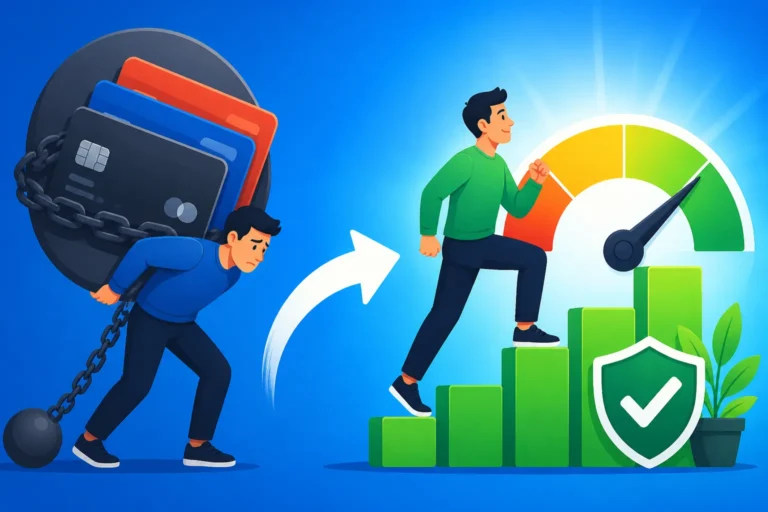
It’s a common scenario: you’re drowning in high-interest credit card debt spread across multiple cards, and you hear about balance transfers as a magical solution. You might even hope it's a way to "reset" your credit utilization, making all those high balances disappear from your credit score's immediate radar. But the reality is a bit more nuanced than that. This guide will dive deep into what a balance transfer truly does for your credit utilization and how to use this powerful tool strategically to improve your financial standing.
Understanding Credit Utilization First
Before we talk about how a balance transfer affects your credit, it’s crucial to understand what credit utilization is and why it holds so much power over your credit score. Many people look at their overall debt number and think that's the only issue, but how that debt stacks up against your available credit is a huge piece of the puzzle.
What Exactly is Credit Utilization? And Why it Matters So Much
Credit utilization, in simple terms, is the ratio of your current credit card balances to your total available credit. Imagine you have a credit card with a $5,000 limit and you've spent $2,500 on it. Your utilization for that single card is 50%. If you have another card with a $3,000 limit and a $500 balance, its utilization is about 16.7%. Your overall credit utilization is calculated by summing all your credit card balances and dividing that by the sum of all your credit card limits. So, if your total credit limits across all cards are $10,000 and your total balances are $3,000, your overall utilization is 30%.
This percentage matters a lot. It's a huge factor in your credit score, typically accounting for about 30% of your FICO Score. Lenders see high utilization as a red flag, indicating that you might be over-reliant on credit or struggling financially. When your utilization is high, it signals higher risk to potential lenders, which can lead to denied applications or less favorable terms.
You’ve probably heard about the "sweet spot" for credit utilization: keeping it below 30%. Ideally, many credit experts suggest aiming even lower, under 10%, for the best possible impact on your score. It’s a delicate balance, and understanding it is the first step in mastering your credit. For a comprehensive breakdown, check out our guide on Credit Utilization: The Complete Guide.
How High Utilization Hurts You Beyond Just Your Score
The negative effects of high credit utilization extend far beyond just seeing a lower number on your credit score report. It can significantly impact your financial life in tangible ways that often catch people by surprise.
First off, when your utilization is high, it immediately signals to lenders that you're using a large portion of your available credit. This makes you look like a riskier borrower, and in response, they'll likely offer you higher interest rates on new loans or even deny you credit entirely. Imagine trying to get a new car loan or a mortgage; a high utilization ratio can be a significant roadblock, potentially costing you thousands of dollars in extra interest over the life of a loan or preventing you from achieving your goals altogether.
Furthermore, some credit card companies might actually lower your credit limits if they see consistently high utilization, believing you’re a higher risk for default. This creates a vicious cycle: a lower credit limit immediately increases your utilization ratio, even if your balance hasn't changed, further damaging your score and making it even harder to manage your debt. It’s a frustrating situation that can feel like you’re constantly swimming against the current.
The Truth About Balance Transfers and Utilization
Now that we've firmly established what credit utilization is and why it's so important, let's tackle the core question: does a balance transfer reset your utilization? The short answer is no, not in the way many people hope. It doesn't magically wipe the slate clean or make your debt disappear.
What a Balance Transfer Actually Does for Utilization
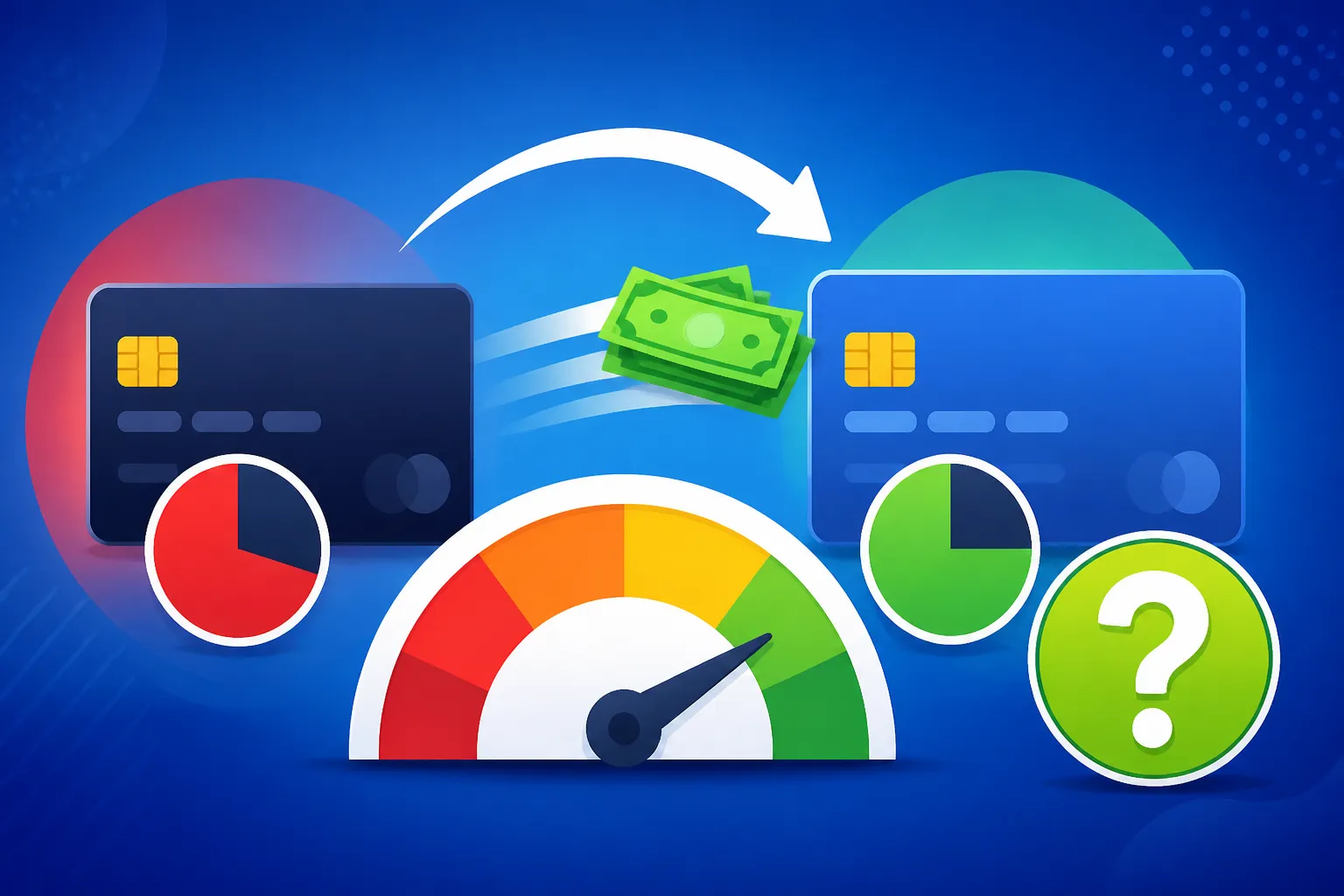
A balance transfer is essentially a debt consolidation tool. You're taking debt from one (or more) credit cards and moving it to a new credit card, typically one with a lower or 0% introductory APR for a set period. It's like moving all your dirty laundry from several baskets into one giant new hamper. The laundry is still there, just in a different place.
So, when you initiate a balance transfer, what happens to your credit utilization?
- Utilization on the old card(s) drops: This is the immediate and most noticeable effect. If you transfer a $3,000 balance from a card with a $5,000 limit, that card's utilization will go from 60% down to 0% (or whatever small balance remains). This individually looks great on your credit report for that specific card.
- Utilization on the new card skyrockets: The balance you transferred will now appear on your new balance transfer card. If you move $5,000 to a card with a $5,000 limit, that new card's utilization instantly hits 100%.
- Overall utilization might remain the same (initially): This is the crucial point many people misunderstand. Because you're just shifting debt, your total amount of credit used across all your cards usually remains the same right after the transfer. Therefore, your overall credit utilization ratio won't necessarily "reset" or significantly change initially.
Let's say you have three cards:
- Card A: $1,000 balance / $2,000 limit (50% util)
- Card B: $2,000 balance / $4,000 limit (50% util)
- Card C: $0 balance / $4,000 limit (0% util)
Your total debt is $3,000, and your total credit limit is $10,000. Overall utilization: 30%.
Now, you get a new balance transfer card (Card D) with a $5,000 limit and transfer $3,000 from Cards A and B to Card D.
- Card A: $0 balance / $2,000 limit (0% util)
- Card B: $0 balance / $4,000 limit (0% util)
- Card C: $0 balance / $4,000 limit (0% util)
- Card D: $3,000 balance / $5,000 limit (60% util)
Your total debt is still $3,000, and your total credit limit is now $15,000 (if you keep the old cards open). Your new overall utilization is 20%. So, it can improve your overall utilization if the new card adds significantly to your total credit limit. However, the debt itself hasn't gone anywhere. The true benefit comes from paying down that transferred balance, not just moving it around.
The Temporary Dip and the Long-Term Strategy
It's common to see a temporary dip in your credit score right after a balance transfer, especially if the new card dramatically increases your utilization on that specific card or if applying for the new card involves a hard inquiry. Don't panic if this happens. This is often a short-term fluctuation as the credit bureaus process the new account and the shifting balances.
The real benefit and strategy behind a balance transfer are long-term. The idea isn't to just shuffle debt but to use the 0% or low APR introductory period as a window of opportunity. This is your chance to make aggressive payments, knowing that every dollar goes directly toward the principal balance, rather than being eaten up by high interest.
Think of it like this: you've now consolidated your debt onto one card, and you have X number of months (often 12-21 months) to pay it down without accumulating interest. During this time, your focus should be relentlessly chipping away at that balance. As you pay it down, the utilization on your new balance transfer card will start to decrease, and this is what will positively impact your overall credit utilization and, consequently, your credit score in the long run.
The old cards, now with zero balances, will also contribute positively to your overall utilization, provided you keep them open and don't rack up new debt on them. This strategic approach, rather than a "reset," is how a balance transfer truly helps improve your credit.
The Real Benefits of a Balance Transfer
While a balance transfer doesn't "reset" your credit utilization, it offers several incredibly powerful benefits that, when used correctly, can be a game-changer for your financial health and credit score. It's a tool for active debt management, not passive magical debt disappearance.
Saving Money with 0% APR Introductory Offers
This is, hands down, the biggest and most compelling reason to consider a balance transfer. Imagine you have a credit card balance of $5,000 accruing interest at 20% APR. That means you're paying around $83 in interest every single month just to keep that balance. Over a year, that's nearly $1,000 that isn't even touching your principal. It feels like throwing money away, doesn't it?
A balance transfer card with a 0% introductory APR for 12, 15, or even 21 months offers a crucial reprieve. During this period, every single dollar you pay goes directly towards reducing your principal balance. This is an immense opportunity to attack your debt head-on without the crippling burden of interest payments. It's a window of time where you can significantly reduce your debt much faster than you ever could while paying high interest. This is the primary function of these cards and why so many people utilize them as part of their debt reduction strategy. For more details on these offers, check out our guide on Balance Transfer Cards: How They Work.
Simplifying Payments and Debt Management
Beyond the interest savings, a balance transfer can bring a much-needed sense of order to chaotic financial situations. If you're like many people, you might have balances spread across three, four, or even five different credit cards. Keeping track of multiple due dates, minimum payments, and interest rates can be overwhelming, leading to missed payments and added stress.
Consolidating these debts into a single payment on one card simplifies your financial life considerably. You only have one due date to remember, one minimum payment to make, and one interest rate (or lack thereof during the intro period) to track. This reduction in complexity can free up mental bandwidth and make it easier to stick to your debt repayment plan. It helps you gain control and feel more empowered over your finances, rather than feeling constantly behind.
For those looking to manage debt while simultaneously working on their credit profile, after getting their credit card debt under control through a balance transfer, exploring options like a credit-builder loan can be a good next step. While Credit Strong doesn't offer balance transfers, it's an example of a service that helps individuals establish a positive payment history and build their credit mix, contributing to a stronger financial foundation once high-interest card debt is handled. However, make sure to deal with the high-interest debt first. If you're juggling multiple debts, comparing options like Debt Consolidation vs Balance Transfer can help you choose the best path.
Potential for Long-Term Credit Improvement
While the immediate impact on overall utilization might not be a "reset," a successful balance transfer definitely has the potential for significant long-term credit improvement. Here's how:
- Lower Overall Utilization: If you diligently pay down the transferred balance during the 0% APR period, your total outstanding debt will decrease. As your total debt goes down while your total available credit remains the same (assuming you keep old accounts open), your overall credit utilization ratio will naturally fall. This is a massive positive for your credit score. Many people wonder Does Paying Off Credit Cards Raise Your Score?, and the answer is a resounding yes, largely due to its impact on utilization.
- Individual Card Utilization: With your old cards now showing zero balances, their individual utilization ratios plummet to 0%. This looks excellent on your credit report. It shows responsible management, even if the debt moved elsewhere.
- Payment History: By focusing on one payment, you're less likely to miss due dates. A consistent, on-time payment history is the most crucial factor in your credit score. Avoiding late payments on multiple cards is easier when you only have one to worry about, and this strengthens the largest component of your score. For more on what influences your score, read What Affects Your Credit Score? The 5 Factors.
It’s crucial to remember that this potential for improvement hinges entirely on your ability to pay down the transferred balance. If you transfer debt only to rack up new debt on your old cards or fail to pay off the transferred amount before the promotional APR expires, you could end up in a worse position.
Navigating a Balance Transfer Successfully
Successfully using a balance transfer is all about strategy and discipline. It's not a set-it-and-forget-it solution. To truly leverage its power and avoid common pitfalls, you need a solid plan.
Don't Spend on the New Card Or the Old Ones
This is perhaps the single most important rule for anyone undertaking a balance transfer. The entire purpose of the 0% APR period is to give you breathing room to pay down existing high-interest debt. If you start making new purchases on the balance transfer card, you’re defeating the purpose. Often, new purchases on a balance transfer card accrue interest immediately, even while the transferred balance enjoys the 0% APR. This can create a confusing and expensive mess.
Even more critically, avoid using your old cards once their balances are transferred. Many people, feeling a sense of relief with zero balances, fall back into old spending habits and quickly run up new debt on those cards. This is the fastest way to undermine all the hard work and potential benefits of a balance transfer. Your goal is to reduce overall debt, not just move it around and then create more. If you can't trust yourself not to spend, consider putting the old cards in a safe place, or even freezing them temporarily.
Create a Solid Repayment Plan
Without a clear, actionable plan, that 0% APR period can fly by, leaving you right back where you started, but now with a higher interest rate on your new card. Before you even apply for a balance transfer, you need to know exactly how you're going to pay off the transferred balance within the promotional period.
Here’s how to approach it:
- Calculate Monthly Payments: Divide the total amount you’re transferring by the number of months in the 0% APR period. This gives you the monthly payment you need to make to pay off the balance entirely before interest kicks in. For example, if you transfer $6,000 and have a 15-month 0% APR period, you need to pay $400 a month ($6,000 / 15 months).
- Adjust Your Budget: Now, look at your current budget. Can you realistically make that monthly payment? If not, where can you cut expenses? Are there opportunities to earn extra income? Be honest with yourself. This step is non-negotiable.
- Automate Payments: Set up automatic payments for at least the minimum, but ideally for your calculated "pay-off" amount, to ensure you never miss a payment. Missed payments can not only incur fees but also sometimes revoke your promotional APR.
A structured approach is vital. For more detailed strategies on tackling debt, explore resources like How to Pay Off Credit Card Debt Fast. Remember, the balance transfer is a tool, but your consistent effort is what truly makes the difference.
Monitor Your Credit Reports Closely
After initiating a balance transfer, it's more important than ever to keep a close eye on your credit reports. Things don't always update immediately, and you want to ensure everything is reported accurately.
Here’s what to look for:
- Accurate Balances: Check that the balances on your old cards have decreased or gone to zero as expected, and that the new balance transfer card accurately reflects the transferred amount. Sometimes, reporting lags, or there might be small residual balances due to transfer fees or pending interest that didn't get moved.
- Utilization Ratios: Observe how your individual card utilization and overall utilization are being reported by each of the three major credit bureaus – Equifax, Experian, and TransUnion. Sometimes these numbers can vary slightly between bureaus. Understanding How to Read Your Credit Report is crucial here.
- New Hard Inquiries: Remember that applying for a new balance transfer card typically results in a hard inquiry on your credit report. This is normal, but just be aware of it.
- Payment History: Make sure your consistent, on-time payments are being recorded accurately. Payment history is the most significant factor in your credit score, so any errors here need to be addressed immediately.
You're entitled to a free credit report from each of the three major bureaus once a year through AnnualCreditReport.com. Take advantage of this. Checking your own credit report is a soft inquiry and won't hurt your score. If you spot any discrepancies, be prepared to dispute them. Catching errors early can save you a lot of headache down the line. Regularly reviewing your credit information is a key part of How to Repair Your Credit: The Complete Guide (2026).
Example of Balance Transfer Impact on Utilization
To illustrate the point about utilization not "resetting" but shifting, let's look at a hypothetical scenario using a table:
| Card Account | Old Limit | Old Balance | Old Utilization | New Limit | New Balance | New Utilization | Notes |
|---|---|---|---|---|---|---|---|
| Before Transfer | |||||||
| Credit Card 1 | $5,000 | $3,500 | 70% | High utilization, accruing interest. | |||
| Credit Card 2 | $3,000 | $2,000 | 67% | Also high, adding to interest burden. | |||
| Credit Card 3 | $2,000 | $500 | 25% | Manageable, but contributing to overall debt. | |||
| Totals | $10,000 | $6,000 | 60% Overall | High overall utilization, multiple payments. | |||
| After Transfer | |||||||
| Credit Card 1 | $5,000 | $0 | 0% | $5,000 | $0 | 0% | Balance transferred to new card. |
| Credit Card 2 | $3,000 | $0 | 0% | $3,000 | $0 | 0% | Balance transferred to new card. |
| Credit Card 3 | $2,000 | $0 | 0% | $2,000 | $0 | 0% | Balance transferred (or paid off separately if small enough). |
| New Transfer Card | $8,000 | $6,000 | 75% | New card absorbs all transferred debt, 0% intro APR. | |||
| New Totals | $18,000 | $6,000 | 33.3% Overall | Same total debt, but now lower overall utilization due to increased total limit. |
As you can see, the total debt remains the same immediately after the transfer. However, because the new balance transfer card often comes with its own new credit limit, the overall available credit increases. In this example, the total credit limit went from $10,000 to $18,000 (assuming the old cards are kept open). This immediately drops the overall utilization from 60% to 33.3%, which is a significant improvement and much closer to the recommended 30% threshold.
The individual utilization on the old cards drops to 0%, which is fantastic. The new transfer card, however, now shows very high utilization (75% in this example). The goal from this point is to aggressively pay down the $6,000 on the new card to bring its utilization down and further improve that 33.3% overall figure. This illustrates that it's a strategic move, not a "reset."
Final Thoughts on Balance Transfers and Your Credit
It’s completely understandable to hope for a magical “reset” button when you’re staring down significant credit card debt. The allure of making high balances disappear from your credit utilization overnight is strong. However, as we’ve explored, a balance transfer doesn't truly "reset" your utilization in the way you might initially imagine. It's not about erasing the debt; it's about strategically relocating it.
What a balance transfer does offer is an incredibly powerful opportunity: a grace period from interest. This can be a lifeline, allowing you to pay down the principal balance more effectively and efficiently. When used wisely, with a clear repayment plan and disciplined spending habits, it can dramatically improve your overall credit utilization over time, leading to a healthier credit score and a much lighter financial burden. So, while it's not a magic trick, it's a very real and effective tool for regaining control of your credit journey.
Disclaimer
The information provided in this article is for general informational purposes only and does not constitute financial, credit, or legal advice. Always consult with a qualified financial advisor or credit counselor for advice tailored to your specific situation. Terms and conditions for balance transfer cards, interest rates, and credit reporting practices can vary and are subject to change.