How to Remove a Repossession From Your Credit Report
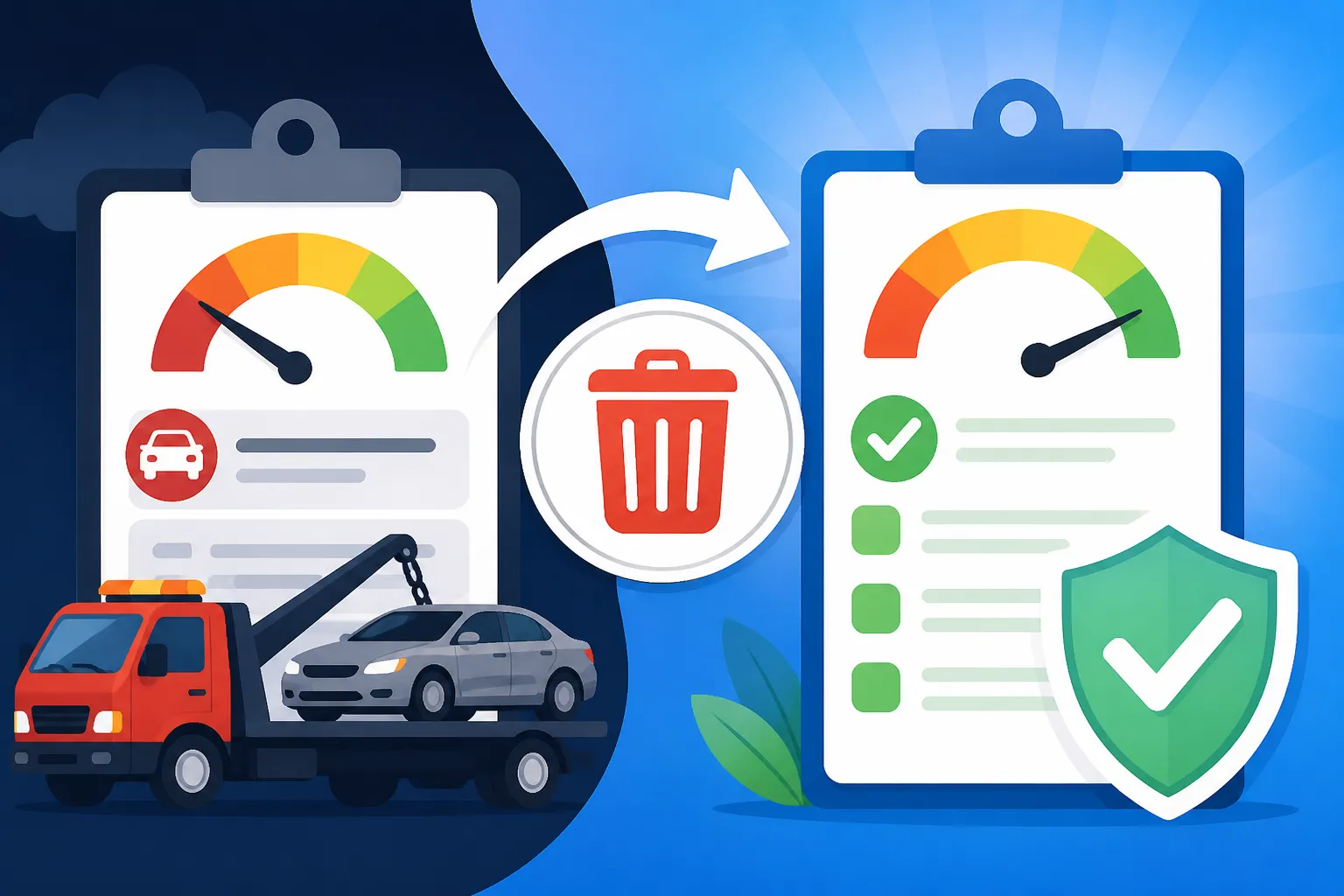
Finding out a vehicle or other property you rely on has been repossessed can feel like a financial earthquake. It’s a gut-wrenching experience that leaves you not only without a crucial asset but also with a huge dent in your credit. The good news is that while removing a legitimate repossession from your credit report is incredibly tough, there are paths to either get it removed if it's incorrect or to mitigate its damage and rebuild your financial standing. This guide will walk you through understanding repossessions, identifying opportunities for removal, and taking concrete steps to repair your credit.
The Devastating Impact of a Repossession on Your Credit
A repossession isn't just about losing an item; it's a major red flag that screams "high risk" to potential lenders. Understanding exactly what a repossession entails and how deeply it affects your credit is the first step toward addressing it.
What Constitutes a Repossession?
At its core, a repossession happens when a creditor takes back property that was used as collateral for a loan because the borrower failed to make payments as agreed. The most common scenario we see is a car repossession, but it can extend to other financed items like furniture, appliances, or even homes (though home repossessions are typically called foreclosures). The key here is that the item serves as security for the debt. When you default, the lender has the legal right to seize that collateral.
There's also a distinction between voluntary and involuntary repossession. A voluntary repossession occurs when you proactively return the collateral to the lender because you know you can't keep up with payments. While this might sound better, it still gets reported as a repossession on your credit report and carries significant negative weight. The main difference might be avoiding some of the more aggressive collection tactics and potential fees associated with an involuntary seizure, but the credit impact itself is often quite similar. Both types demonstrate a failure to meet loan obligations, which is exactly what lenders are wary of.
How a Repossession Crushes Your Credit Score
A repossession is one of the most severe negative marks that can appear on your credit report, and its impact is immediate and profound. It can cause your credit score to plummet by 50 to 100 points or even more, depending on your credit profile before the event. This isn't a small dip; it's a significant drop that can push you from good credit territory into fair or even poor credit almost overnight. The reason for this severe impact lies in the core components of your credit score.
Credit scoring models, like FICO and VantageScore, heavily weigh your payment history – it accounts for about 35% of your FICO score. A repossession clearly indicates a failure to pay as agreed, hitting this crucial factor hard. Beyond the initial drop, a repossession will typically remain on your credit report for seven years from the original delinquency date. During this entire period, it will continue to negatively influence your score and your ability to secure new credit at favorable terms. Imagine trying to get another car loan, a mortgage, or even a basic credit card with a recent repossession on your file; lenders will see that history and often deny applications or offer extremely high interest rates, making it incredibly difficult to move forward financially.
Identifying Potential Avenues for Repossession Removal
While a repossession feels permanent, there are specific circumstances under which you might be able to get it removed from your credit report. These opportunities usually hinge on inaccuracies or certain timelines.
Errors and Inaccuracies: Your Best Bet
The most common and often most effective way to challenge a repossession on your credit report is by finding errors or inaccuracies. Creditors and credit bureaus are human, and mistakes happen. It’s your legal right under the Fair Credit Reporting Act (FCRA) to have accurate information reported. If any detail about the repossession is incorrect, you have grounds to dispute it. This is why carefully examining your credit reports is absolutely crucial.
What kind of errors should you be looking for?
- Incorrect Dates: The date of original delinquency, the repossession date, or the date it was reported might be wrong. Even a slight discrepancy can be enough to warrant a dispute.
- Wrong Balance Owed: After a repossession, there's often a deficiency balance, which is the difference between what you owed and what the lender recouped from selling the collateral. If this balance is incorrect, it's an error.
- Duplicate Entries: Sometimes, a repossession might appear twice, or the original creditor and a collection agency might both report it in a way that makes it seem like two separate negative items.
- Incorrect Account Ownership: If the account was sold to a debt collector, but the reporting still lists the original creditor inaccurately, or if the debt isn't actually yours.
- Inaccurate Personal Information: While less likely to get the repossession removed entirely, incorrect names, addresses, or account numbers associated with the repossession could point to a mixed file or identity theft, which can be grounds for dispute.
The key here is diligent review. Get your credit reports from all three major bureaus – Equifax, Experian, and TransUnion – and scrutinize every single detail related to the repossession. If you find anything that doesn't match your records or seems off, you have a potential opening.
The Seven-Year Reporting Window
For most negative items, including repossessions, there's a strict reporting timeline. According to the FCRA, a repossession can generally stay on your credit report for seven years from the date of the original delinquency. This means the date you first missed a payment that led to the repossession, not the date of the actual repossession or the date the debt was charged off. It’s important to understand this timeline because once seven years have passed, the credit bureaus are legally obligated to remove it.
Many people confuse this reporting period with the statute of limitations on debt collection. The statute of limitations dictates how long a creditor or debt collector has to sue you to collect the debt. This period varies by state and debt type, but it's often shorter than the seven-year reporting period. So, even if the statute of limitations has passed and they can no longer sue you, the repossession can still legally appear on your credit report until the seven-year mark is up. Knowing these dates helps you manage expectations and plan your strategy. If a repossession is still showing up beyond the seven-year mark, that is a clear reporting error and grounds for immediate dispute.
Paying Off the Deficiency Balance
When your property is repossessed, the lender typically sells it at auction. If the sale price doesn't cover the remaining loan balance, plus the costs associated with the repossession and sale, you'll be left with what's called a "deficiency balance." For example, if you owed $15,000 on a car, and it sold for $10,000, and the repossession costs were $2,000, you'd owe a $7,000 deficiency balance.
Paying off this deficiency balance does not automatically remove the repossession from your credit report. The repossession event itself is a historical fact. What paying the debt does is update the status of the account on your credit report from "unpaid repossession" or "charged off" to "paid repossession" or "satisfied." While this is certainly better than an unpaid status, as it shows you eventually took care of the obligation, the repossession entry will still remain on your report for the full seven years.
In rare cases, you might be able to negotiate a "pay-for-delete" arrangement, but this is incredibly uncommon for repossessions. Pay-for-delete is usually reserved for smaller, less severe negative items like collections or late payments. For something as significant as a repossession, creditors are usually unwilling to remove an accurate reporting simply because the debt is paid, as it accurately reflects a past default. However, if you're dealing with a collection agency that purchased the deficiency balance, they might be more amenable to negotiation than the original lender. It never hurts to ask, but manage your expectations.
Step-by-Step Guide to Disputing Inaccurate Repossession Entries
If you've identified errors on your credit report related to a repossession, it's time to take action. The dispute process can feel daunting, but breaking it down into manageable steps makes it much easier.
Obtain Your Credit Reports
Your first and most critical step is to get copies of your credit reports from all three major credit bureaus: Equifax, Experian, and TransUnion. You are legally entitled to one free report from each bureau every 12 months through the official website, AnnualCreditReport.com. Do not skip this step and rely on free credit monitoring services like Credit Karma, as these often provide only summaries or VantageScores, not your full, official credit reports used by lenders.
It's vital to pull all three because they might contain different information. A creditor might report to one bureau but not another, or there might be errors on one report that aren't present on the others. By having all three, you ensure you're seeing the complete picture and can identify every single inaccuracy. Download them and save them, then print them out to meticulously go through them with a highlighter.
Identify and Document All Errors
Once you have your reports in hand, go through each one line by line, specifically focusing on the repossession entry. Look for:
- Incorrect Account Number: Does the account number match your records?
- Wrong Original Creditor: Is the creditor listed correctly?
- Inaccurate Date of Last Activity/Original Delinquency: This is crucial for the seven-year timeline. Make sure it's correct.
- Discrepancy in Repossession Date: Does the date of repossession align with your understanding?
- Incorrect Balance Owed: Is the deficiency balance accurate, or has it been inflated with fees you don't recognize or that were already paid?
- Duplicate Entries: Does the repossession appear more than once from the same creditor or from different creditors for the same underlying debt?
- "Paid" Status Not Reflected: If you paid the deficiency, does it show as "paid" or "satisfied"? If not, that's an error.
As you find errors, highlight them and make notes. This documentation will be essential for your dispute letters. Gather any supporting documents you have that prove the error, such as payment receipts, loan agreements, correspondence with the creditor, or even a police report if you believe the repossession was fraudulent.
Submit Your Dispute to the Credit Bureaus
With your identified errors and supporting documentation, you're ready to file a dispute. You can dispute online, by mail, or sometimes by phone. While online disputes are faster, sending your dispute by certified mail with a return receipt requested provides a physical paper trail, which can be invaluable if issues arise later. You'll need to dispute with each bureau that is reporting the inaccuracy. For example, if Experian and TransUnion show an error, you must send a dispute to both. You can learn more about this process in our guide, "How to Dispute With Equifax, Experian, and TransUnion".
Your dispute letter should be clear, concise, and professional. State exactly which item on your report you are disputing, why it is inaccurate, and what evidence you are including to support your claim.
Here's a basic structure for your dispute letter:
- Your Personal Information: Full name, address, date of birth, Social Security number.
- Date and Bureau Address: Date you're sending it, and the specific credit bureau's dispute department address.
- Statement of Dispute: Clearly state that you are disputing an item on your credit report.
- Account Identification: Provide the account name (e.g., "XYZ Auto Loan"), account number, and clearly identify the specific inaccurate information (e.g., "The repossession date is listed as 01/01/2020, but my records show it was 01/01/2021.").
- Reason for Dispute: Briefly explain why it's inaccurate.
- Requested Action: Clearly state what you want to happen (e.g., "Please investigate this inaccuracy and remove the repossession entry from my report.").
- Enclosures: List any supporting documents you are attaching (send copies, never originals!).
- Signature.
Remember to send separate letters to each bureau for each item you are disputing if the error is different or on different reports. Keep copies of everything you send, including the certified mail receipts.
Dispute Directly with the Creditor
While disputing with the credit bureaus is essential, you also have the right to dispute directly with the original creditor or the collection agency reporting the repossession. This is often an effective dual approach. When you dispute with the creditor, they are required by law to investigate the information and report back to you and the credit bureaus. Sometimes, it's easier to resolve the issue directly at the source.
You can use a similar letter format as your dispute to the credit bureaus. Clearly state the inaccuracy, provide your supporting documents, and request that they correct the information with all three credit bureaus. If you don't receive a satisfactory response from the creditor, you can also consider filing a complaint with the Consumer Financial Protection Bureau (CFPB). They act as a watchdog for consumers and can often help mediate disputes that aren't being resolved through traditional channels.
What Happens After You Dispute?
Once you submit your dispute, the credit bureau has 30 days (sometimes up to 45 days if you send additional information during the investigation) to investigate your claim. They will contact the creditor or collection agency to verify the information.
- If the information is found to be inaccurate or unverifiable: The repossession entry must be removed from your credit report. This is the best-case scenario and why finding those errors is so important.
- If the information is updated: Sometimes, they don't remove it entirely but correct the specific error (e.g., changing a date or balance). This is still a win, as accurate reporting is always the goal.
- If the information is verified as accurate: The repossession will remain on your report. You will receive a letter from the credit bureau explaining the outcome of their investigation. If you disagree, you can try disputing again with new information or a different angle, or consider contacting an attorney if you believe your rights under the FCRA have been violated. To understand more about the process, check out "What Happens After You File a Credit Dispute?".
Navigating Repossessions When the Information is Accurate
Sometimes, despite your best efforts, the repossession entry on your credit report is entirely accurate. While it won't be removed, you're not entirely without options. The focus shifts from removal to mitigation and demonstrating responsibility.
The Power of a Goodwill Letter
A goodwill letter is a heartfelt request to a creditor to remove a negative item from your credit report, even if it's accurate. While primarily used for isolated late payments, it can be attempted for a repossession, though the success rate is considerably lower due to the severity of the item. This approach relies on the creditor's discretion and your compelling story.
To be effective, your goodwill letter needs to be more than just an ask. You must:
- Acknowledge Responsibility: Own up to the situation without making excuses.
- Explain Mitigating Circumstances: Share a brief, compelling story about why the repossession occurred. Was it due to a sudden job loss, a medical emergency, a natural disaster, or another unforeseen hardship? This isn't about blaming, but about explaining a temporary, unusual situation.
- Demonstrate Future Responsibility: Show how you've since course-corrected. Have you paid off the deficiency balance? Have you established new positive credit? Are you now in a stable financial position? This proves you're a changed, lower-risk borrower.
- Make a Specific Request: Politely ask for the repossession to be removed as a "goodwill gesture," emphasizing its current impact on your life (e.g., preventing you from buying a house, getting a job that requires good credit).
While a direct repossession removal via goodwill is a long shot, particularly for the original creditor, it's still worth a try if you have a genuinely strong case and a history of otherwise good payments with that lender. For more details on this strategy, read "What Is a Goodwill Letter and Does It Work?".
Debt Settlement and Pay-for-Delete Attempts
As mentioned earlier, paying off the deficiency balance will update the status of the repossession but won't typically remove the entry itself. However, if the debt has been sold to a collection agency, you might have a sliver of an opportunity for a "pay-for-delete."
Here's how it generally works:
- Confirm Ownership: First, ensure the collection agency actually owns the debt and is reporting it. You can request a "What Is Debt Validation and How to Request It".
- Negotiate: Contact the collection agency and propose a settlement for less than the full amount. During this negotiation, explicitly state that your offer is contingent on them agreeing, in writing, to remove the entire repossession entry from all three credit bureaus once the agreed-upon payment is made.
- Get it in Writing: This is non-negotiable. Do not pay a single cent until you have a written agreement from the collection agency clearly stating that they will delete the repossession from your credit report upon receipt of payment. Without this, they have no obligation to remove it, and you'll just end up with a "paid collection" that still features the repossession.
- Make Payment and Follow Up: Once you have the written agreement, make the payment. Then, monitor your credit reports closely for 30-45 days to ensure they uphold their end of the bargain.
It's crucial to understand that many original creditors, and even many collection agencies, will outright refuse a pay-for-delete for a repossession. They often argue that removing accurate information is against their reporting policies and potentially violates agreements with the credit bureaus. However, some smaller, less scrupulous collection agencies might agree, especially if it means collecting something on a long-standing, difficult debt. For a deeper dive into this, check out "Pay for Delete: Does It Really Work?".
Considering Credit Counseling or Debt Management Plans
If you're overwhelmed by a repossession and other debts, a non-profit credit counseling agency can be a valuable resource. These agencies can help you:
- Budgeting and Financial Education: They can help you create a realistic budget and develop better money management skills to prevent future financial issues.
- Debt Management Plans (DMPs): While not typically designed for repossessions themselves, a DMP can help you manage other unsecured debts (like credit cards) that might be contributing to your overall financial stress. Under a DMP, the agency negotiates with your creditors to potentially lower interest rates and combine multiple payments into one manageable monthly payment. This can free up funds to tackle other issues and prevent further negative marks.
- Negotiation Assistance: They might be able to help you negotiate the deficiency balance on the repossession, though direct removal is still unlikely.
These services focus on holistic financial health, which is crucial for long-term recovery after a repossession.
Strategies for Rebuilding Your Credit After a Repossession
Even if you can't get the repossession removed, all hope is not lost. The best long-term strategy is to actively build new, positive credit history to offset the negative impact. Time and consistent good financial behavior are your most powerful allies. If you're looking to recover, our guide on "How to Build Credit After a Repossession" offers a comprehensive plan.
Establish New Positive Credit History
This is paramount. You need to show lenders that despite past issues, you are now a responsible borrower.
- Secured Credit Cards: These are often the easiest credit cards to get after a repossession. You put down a cash deposit (e.g., $200-$500), which then becomes your credit limit. You use the card like a regular credit card, making small purchases and paying them off in full and on time every month. This demonstrates responsible credit usage without posing a high risk to the lender. Many companies offer secured cards designed specifically for rebuilding credit.
- Credit Builder Loans: These are specifically designed to help people build or rebuild credit. Instead of receiving a lump sum upfront, the loan amount is held in a locked savings account while you make regular monthly payments. Once the loan is paid off, you receive the money. The payments are reported to the credit bureaus, building positive payment history. Lenders like Credit Strong offer these types of loans, providing a structured way to improve your credit by making on-time payments, which are reported to all three major credit bureaus. This can be an excellent tool for demonstrating financial discipline.
- Become an Authorized User: If you have a trusted family member or friend with excellent credit, they might be willing to add you as an authorized user on one of their credit card accounts. Their good payment history can then reflect on your credit report, giving your score a boost. However, it's crucial that the primary cardholder maintains good habits, as their missteps could also affect your score.
- Small Installment Loans: Consider a small personal loan from a credit union, if you can qualify. Even a small, manageable loan that you pay off consistently can add positive payment history and diversify your credit mix.
The key with all these options is consistent, on-time payments. Every single payment you make on time creates a positive entry that slowly, but surely, starts to outweigh the negative repossession. For a more detailed guide on starting from scratch, see "How to Build Credit From Scratch (2026 Guide)".
Monitor Your Credit Regularly
Once you start rebuilding, it's more important than ever to keep a close eye on your credit reports and scores.
- Free Credit Reports: Continue to pull your free reports from AnnualCreditReport.com annually. Check for new errors, ensure your positive accounts are reporting correctly, and verify that the repossession is still showing the correct information.
- Credit Monitoring Services: Many banks and credit card companies offer free credit monitoring. Services like those from Experian or TransUnion (sometimes paid, sometimes free tiers) can alert you to changes on your report, such as new accounts being opened or inquiries being made. This helps you catch potential identity theft or new errors quickly. To explore if these services are right for you, read "Credit Monitoring: Is It Worth It?".
Early detection of any issues allows you to address them before they cause further damage.
Cultivate Healthy Financial Habits for Long-Term Success
Ultimately, rebuilding your credit after a repossession is about adopting and maintaining sound financial habits.
- Create and Stick to a Budget: Understand exactly where your money is going and ensure you can comfortably make all your payments on time.
- Build an Emergency Fund: Having savings for unexpected expenses can prevent you from relying on credit or missing payments during tough times.
- Manage Credit Utilization: For any credit cards you do have, keep your credit utilization ratio low (ideally below 10-30%). This means not using a high percentage of your available credit.
- Avoid New Debt Where Possible: Focus on paying down existing debt and only take on new credit when absolutely necessary and manageable.
- Understand Your Credit Cards: Using credit cards wisely means paying your statement balance in full every month to avoid interest and build a strong payment history. Our guide "How to Use a Credit Card to Build and Keep Good Credit" offers great advice here.
The repossession will eventually fade in impact as new positive information accumulates. It takes time, patience, and diligence, but it is absolutely possible to recover.
When to Enlist Professional Help for Repossession Issues
While a lot of credit repair can be done yourself, there are times when bringing in a professional can make a significant difference, especially with something as complex as a repossession.
Understanding Credit Repair Companies
Credit repair companies are businesses that help consumers identify and dispute inaccurate or questionable items on their credit reports. They act on your behalf, sending dispute letters to credit bureaus and creditors. They can be particularly helpful if you have multiple negative items, feel overwhelmed by the process, or struggle to get results on your own.
When considering a credit repair company, it's crucial to choose wisely:
- Reputation and Reviews: Look for companies with a long track record and positive reviews. Be wary of companies that promise guaranteed results or demand upfront payment for services not yet rendered, as these are red flags for scams.
- Transparency: A legitimate company will clearly explain their services, fees, and what they can realistically achieve. They can't remove accurate, verifiable information from your report.
- Legal Compliance: Ensure they operate within the confines of the Credit Repair Organizations Act (CROA).
A reputable credit repair company can streamline the dispute process, saving you time and stress. They know the ins and outs of credit reporting laws and how to craft effective dispute letters. Companies like Lexington Law or Credit Saint are examples of well-known credit repair services, though their effectiveness can vary based on individual circumstances. Our article "Credit Repair Companies vs DIY: Which Is Better?" offers a deep dive into this decision, and "How to Spot a Credit Repair Scam" is essential reading to protect yourself.
When to Seek Legal Assistance
In certain situations, a consumer law attorney might be your best recourse. This is especially true if you believe:
- Wrongful Repossession: If your property was repossessed illegally, perhaps because you were not actually in default, or the lender violated state laws regarding repossession procedures. For example, some states have specific rules about "breach of peace" during a repossession.
- FCRA Violations: If a credit bureau or creditor fails to investigate your dispute properly, re-reports an item that was supposed to be removed, or otherwise violates your rights under the Fair Credit Reporting Act. An attorney can help you understand your legal options and potentially pursue damages.
- Harassment by Debt Collectors: If collection agencies are engaging in abusive, deceptive, or unfair practices to collect the deficiency balance, an attorney specializing in the Fair Debt Collection Practices Act (FDCPA) can intervene.
Legal action is often a last resort, but it can be a powerful tool when your rights have been violated. Consulting with an attorney specializing in consumer law can provide clarity on whether you have a viable legal case.
Comparing Repossession Removal Strategies
To help visualize the different approaches to dealing with a repossession on your credit report, here's a helpful comparison table:
| Strategy | Likelihood of Full Removal (Accurate Entry) | Effort Required | Potential Cost | Key Considerations |
|---|---|---|---|---|
| Disputing Inaccuracies | High | Medium | Low (DIY) | Requires meticulous review of reports and documentation. |
| Goodwill Letter | Very Low | Low | None | Relies entirely on creditor discretion; strong story needed. |
| Pay-for-Delete (Collection Agency) | Low-Medium (Rare) | Medium | Varies | Must get agreement in writing; not all agencies agree. |
| Credit Repair Company | Medium (for errors) | Low (they do work) | Monthly fees | Vetting is crucial to avoid scams; focuses on errors. |
| Legal Action (FCRA/Wrongful Repossession) | High (if case is strong) | High | High | Best for clear violations or illegal repossession. |
| Rebuilding Credit | N/A (mitigates impact) | High | Varies | Long-term strategy; focuses on adding positive history. |
Ultimately, dealing with a repossession is a marathon, not a sprint. Be patient, be persistent, and focus on the actions that will lead to the best possible outcome for your financial future.
Disclaimer
The information provided in this guide is for general informational purposes only and does not constitute financial, legal, or credit advice. Credit laws and regulations are complex and can vary by state. It is always recommended to consult with a qualified financial advisor, credit counselor, or legal professional for advice tailored to your specific situation.