What Is a 609 Dispute Letter? (Myth vs Reality)
It's incredibly frustrating when you're trying to improve your credit score, only to feel like you're fighting an uphill battle against inaccurate or questionable items on your credit report. Many people, understandably, look for any edge they can get, and that's where the "609 dispute letter" often comes into conversation. This guide will dive deep into what a 609 letter is, what it isn't, and whether it's truly the magic bullet some claim it to be for clearing up your credit history.
The Allure of the 609 Dispute Letter: What People Hope For
Let's be real, the credit repair journey can feel overwhelming. You see negative items—late payments, collections, charge-offs—and you just want them gone. Quickly. This desire for a fast, effective solution is precisely why the concept of a "609 dispute letter" has gained so much traction online, often presented as a secret weapon or a loophole in the system.
The Promise of Easy Removal: Why It Sounds So Good
Imagine a simple letter you could send that would legally force credit bureaus to remove almost any negative item, regardless of its accuracy, just because they couldn't produce an original contract. Sounds too good to be true, right? Well, for many, that's the enticing promise of the 609 dispute letter. The idea is that Section 609 of the Fair Credit Reporting Act (FCRA) grants consumers a special power to demand proof of an original contract, and if the creditor or bureau can't cough it up, the item must be deleted. This narrative often paints a picture of quick fixes and dramatic score increases, which is hugely appealing when you're struggling with bad credit. People facing the daunting task of figuring out How to Remove Negative Items From Your Credit Report are naturally drawn to anything that promises a simpler path.
The "Magic Bullet" Misconception: How It's Often Portrayed Online
Online forums and some credit repair "gurus" frequently hype up the 609 letter as a "magic bullet." They suggest it's a hidden trick that credit bureaus don't want you to know about, implying that standard dispute methods are deliberately made difficult to keep consumers in the dark. You might encounter templates and scripts online promising guaranteed results, often pushing the idea that original, wet-ink signatures are required for debts to be valid. This portrayal leads people to believe that simply citing "Section 609" in a letter will bypass the usual dispute process and force immediate deletion, even for legitimate debts. It fosters a sense of hope that there's an easy way out of a difficult financial situation.
Common Negative Items Targeted
Given its supposed power, the 609 letter is often recommended for virtually any negative mark on a credit report. This includes:
- Collection Accounts: Many people believe that because debt collectors purchase old debts, they won't have the original paperwork, making these accounts easy targets for a 609 dispute. The goal is often to learn How to Remove Collections From Your Credit Report.
- Charge-Offs: Accounts that creditors have written off as uncollectible are frequently challenged, with the hope that the original creditor won't bother responding to a detailed request for documentation.
- Late Payments: While these are usually directly from original creditors, some believe the "original contract" argument could still apply, especially if the account is old.
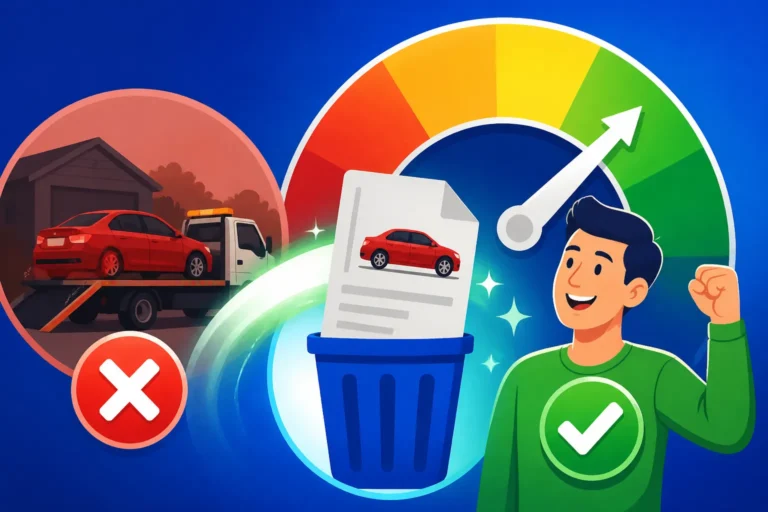
- Bankruptcies and Repossessions: Even severe negative items like these are sometimes targeted, fueled by the misconception that without the original underlying contract, the reporting is invalid.
The allure is clear: if such a letter could effectively challenge these difficult-to-remove items, it would be a game-changer for anyone trying to rebuild their credit.
What a 609 Dispute Letter Actually Is (and Isn't)
Now, let's peel back the layers and get down to brass tacks. The online hype around the 609 letter often creates a distorted view of what it actually is and what it can legally accomplish. It's crucial to understand the reality versus the circulating myths.
Debunking the "Secret Loophole": It's Not a Special Legal Document
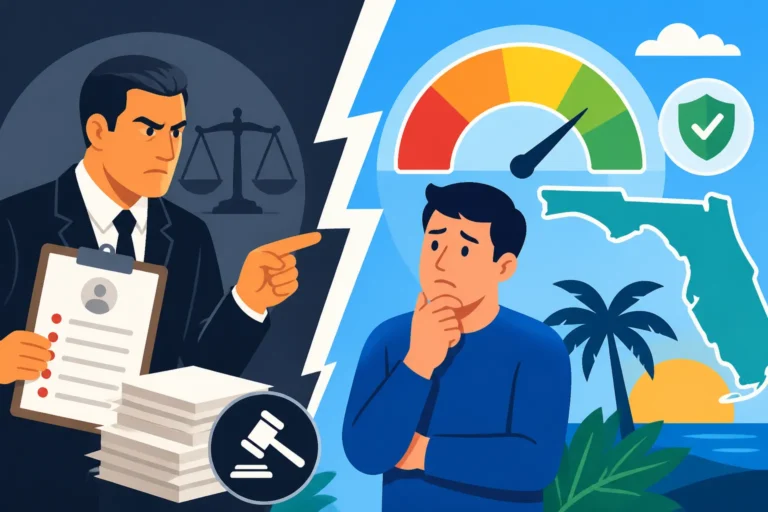
First and foremost, the idea that a "609 dispute letter" is some kind of secret legal document or loophole is a myth. There is no specific, officially recognized document called a "609 dispute letter" that grants consumers extraordinary powers beyond the standard dispute process. What people refer to as a "609 letter" is essentially a type of credit dispute letter that focuses on demanding verification of debt, often citing Section 609 of the FCRA. However, the interpretation of Section 609 by online proponents is often flawed and doesn't align with how credit bureaus and the law actually operate. It's not a magical phrase or a hidden clause that forces deletion simply by being mentioned.
The Fair Credit Reporting Act (FCRA) Section 609: Its True Purpose
Let's look at what Section 609 of the FCRA actually states. This section is primarily about disclosure. It gives you the right to request and receive all the information in your credit file that the credit bureaus maintain on you. This includes:
- The sources of the information.
- The identity of any person who procured a credit report on you.
- A written summary of your rights under the FCRA.
Crucially, Section 609 does not explicitly state that a credit bureau must provide you with a copy of your original signed contract for a debt when you dispute an item. Instead, Section 611 of the FCRA is the section that outlines your right to dispute inaccuracies and requires credit bureaus to investigate and verify disputed information. The verification standard for credit reporting agencies is typically whether the information they have on file matches what the original creditor or debt collector is reporting. It doesn't usually require them to obtain the original signed contract from the creditor to confirm its existence, unless there's a specific legal requirement or clear evidence of fraud. This misunderstanding of the FCRA is at the core of the 609 letter myth.
Standard Dispute vs. 609 Dispute: Understanding the Difference
The fundamental difference lies in their perceived legal basis and expected outcomes.
Standard Dispute:
A standard dispute, as outlined in FCRA Section 611, is what you do when you believe an item on your credit report is inaccurate, incomplete, or unverifiable. You clearly state why you believe the information is wrong (e.g., "This payment was not late," "This account is not mine," "The balance is incorrect"). The credit bureau then has a limited time (usually 30 days) to investigate by contacting the data furnisher (the creditor or collector). If the furnisher cannot verify the information, or if they confirm it's inaccurate, the item must be corrected or removed. This is the legitimate and widely recognized process for How to Dispute Credit Report Errors Step-by-Step.
The "609 Dispute" (Mythical Version):
The mythical 609 dispute, as promoted by some, doesn't necessarily focus on inaccuracy. Instead, it demands that the credit bureau produce the original contract (often emphasizing a "wet-ink signature") to prove the debt's validity. The underlying assumption is that if they can't produce this specific document, the item must be removed, regardless of whether the debt is actually owed or accurately reported. This approach attempts to shift the burden of proof in a way that isn't typically mandated by the FCRA for credit reporting verification.
Here’s a quick comparison:
| Feature | Standard FCRA Section 611 Dispute | Mythical "609 Dispute" Letter |
|---|---|---|
| Legal Basis | FCRA Section 611: Right to dispute inaccurate or unverifiable info. | Misinterpretation of FCRA Section 609 to demand original contracts. |
| Primary Focus | Accuracy and completeness of reported data. | Production of original signed contract/debt validation. |
| Burden of Proof (You) | Prove the item is inaccurate or unverifiable based on facts. | Demand the bureau prove the debt with specific documents. |
| Bureau's Obligation | Investigate, verify with furnisher, correct/remove if inaccurate/unverified. | Bureau must provide original contract or delete (incorrect). |
| Effectiveness | Highly effective for legitimate errors and unverified items. | Rarely effective for accurate debts; often leads to re-verification. |
While you have the right under FCRA Section 609 to request information from your file, it doesn't automatically mean credit bureaus are required to provide original loan documents, especially when they are simply reporting information provided by a creditor. They primarily verify that the information they have matches what was reported, not necessarily the underlying legal contract.
How to Write a 609 Dispute Letter (The Right Way)
Given the reality that a "609 letter" isn't a magic wand, the "right way" to write one is actually to craft a proper dispute letter that uses the relevant sections of the FCRA correctly. If you're going to invoke FCRA, do it accurately and strategically. The goal isn't to trick the bureaus but to compel them to investigate legitimate concerns.
Gathering Your Documentation: What You Actually Need
Before you even think about putting pen to paper, you need to gather your evidence. This isn't about hoping the bureau can't find a document; it's about presenting a case based on facts.
- Your Credit Reports: Get copies of your credit reports from all three major bureaus: Equifax, Experian, and TransUnion. You can do this annually for free at AnnualCreditReport.com. Compare them side-by-side because discrepancies are often key to successful disputes. Check out How to Get All 3 Credit Reports for Free if you're unsure how.
- Identify the Inaccuracy: Pinpoint exactly what is wrong with the item you're disputing. Is the account number incorrect? Is the balance wrong? Was a payment reported late when it was actually on time? Is it an account you never opened? The more specific you are, the stronger your case.
- Supporting Evidence: This is crucial. If you're disputing a late payment, do you have bank statements or cancelled checks showing it was paid on time? If you're disputing an account as "not mine," do you have proof of address from the time the account was opened showing you weren't living where the application stated? Keep copies of everything, and never send originals.
- Personal Identification: Include copies of documents that prove your identity and current address. This might include a driver's license, passport, Social Security card, or a utility bill. This helps the bureaus verify you are who you say you are and prevent fraud.
Remember, the goal is to show the bureau why their information is incorrect or unverified, not to demand original contracts from them directly, as they are not the original creditors.
Structuring Your Letter: Professionalism Over Trickery
Your dispute letter should be clear, concise, professional, and factual. Avoid accusatory language or vague demands. A well-structured letter is far more effective than one filled with legal jargon you don't fully understand. Many resources provide a good How to Write a Credit Dispute Letter Template which can be very helpful.
Here’s a breakdown of what your letter should include:
-
Your Information:
- Full Name
- Current Address
- Date of Birth
- Social Security Number (optional, but speeds up identification)
- Contact Phone Number
-
Date: The date you are writing the letter.
-
Credit Bureau's Address: Send to the specific bureau you are disputing with (e.g., Equifax, Experian, or TransUnion).
-
Clear Statement of Dispute:
- State clearly that you are disputing specific information on your credit report.
- Reference the account name, account number, and clearly state why you believe the information is inaccurate or incomplete. Be specific! For example, "I am disputing the XYZ Bank credit card account number 12345, reported as a 30-day late payment in October 2023. My records indicate this payment was made on time on October 15, 2023."
- Cite FCRA Section 611, which outlines your right to dispute inaccurate information, rather than exclusively Section 609 for original contracts. You can mention Section 609 to request all information in your file related to the disputed item, but not as the sole basis for demanding deletion without evidence of inaccuracy.
-
Request for Investigation:
- Politely request that they investigate the disputed item and remove or correct it if it cannot be verified or is found to be inaccurate.
-
Enclosures:
- List all supporting documents you are including (copies only!). Example: "Enclosed are copies of my driver's license, a utility bill, and a bank statement showing the on-time payment for October 2023."
-
Closing:
- A professional closing, such as "Sincerely," followed by your handwritten signature and typed name.
Remember, the credit bureaus are obligated to investigate. Your job is to give them a clear, actionable reason to do so, backed by evidence. If you're looking for guidance specific to each bureau, you might want to read How to Dispute With Equifax, Experian, and TransUnion.
Sending Your Letter and What to Expect: Certified Mail Is Key
Once your letter is ready, how you send it is almost as important as what's inside.
- Certified Mail, Return Receipt Requested: This is non-negotiable. Sending your dispute letter via certified mail with a return receipt provides you with proof that the credit bureau received your letter and when. This timestamp is crucial if you ever need to follow up or take further action. Keep your mailing receipts!
- Mail to All Relevant Bureaus: If an error appears on multiple credit reports, send a separate, customized dispute letter (with copies of your supporting documents) to each credit bureau reporting the error.
- Response Time: Under the FCRA, credit bureaus generally have 30 days (sometimes up to 45 days if you provide additional relevant information during the 30-day period) to investigate your dispute. During this time, they contact the data furnisher for verification.
- Potential Outcomes:
- Deletion/Correction: If the investigation finds the information to be inaccurate or the furnisher cannot verify it, the item will be removed or corrected. Success!
- Verification: The furnisher might verify the information as accurate. If this happens, the item will remain on your report. You'll need to consider your next steps, which could include pursuing debt validation directly with the creditor or challenging the bureau's investigation.
- No Response: While rare, if you don't hear back within the statutory timeframe, you may have grounds to send a follow-up letter or even consider filing a complaint with the CFPB or your state attorney general.
Be prepared for the process to take time, typically a few weeks to a couple of months. Patience and diligent record-keeping are your best friends in credit repair.
The Reality of 609 Dispute Letter Effectiveness
Now, for the big question: Does the "609 dispute letter" actually work as advertised? For many, the reality is a far cry from the online promises, especially when it comes to removing accurate negative information.
Why Credit Bureaus Must Verify: Their Obligations Under FCRA
Credit bureaus aren't just paper pushers; they have a legal responsibility under the FCRA to ensure the information they report is accurate. When you file a dispute, whether it explicitly mentions Section 609 or not, the bureaus are obligated under FCRA Section 611 to:
- Investigate the dispute: They must forward all relevant information about the dispute to the data furnisher (the creditor or collection agency).
- Review information from the furnisher: The furnisher must then investigate and report the results back to the bureau.
- Report the results to you: The bureau must inform you of the outcome of the investigation.
- Correct or delete inaccuracies: If the information is found to be inaccurate, incomplete, or unverifiable, they must correct or remove it.
The key here is "verifiable." If the furnisher confirms the debt and its details based on their records, the item will likely remain, even if they don't produce an "original wet-ink signature." For instance, a debt collector like Midland Credit Management or Portfolio Recovery Associates typically receives electronic files and account numbers from the original creditor. They don't usually receive a box of physical, signed contracts. Their verification process relies on these electronic records and their internal account management systems, which are generally sufficient for re-verification purposes with the credit bureaus.
The "No Original Contract" Myth: Why It Often Falls Flat
This is the biggest misconception driving the 609 letter craze. The idea that a debt must be validated by an original, physically signed contract is largely a myth in the context of credit reporting disputes.
- Legal vs. Reporting Requirements: While a signed contract might be crucial evidence if a debt collector were to sue you in court, it's generally not the standard for credit reporting verification. Credit reporting agencies rely on information provided by data furnishers. If a furnisher can verify the debt through their own records (electronic statements, account history, etc.), that's typically enough for the bureau to deem the item "verified."
- Electronic Records are Valid: In today's digital age, many contracts are agreed upon electronically. There isn't always a physical "wet-ink signature" to begin with. The law generally recognizes electronic contracts and records as valid.
- The Burden of Proof: When you dispute, the burden is on the furnisher to verify the information. However, that doesn't mean they have to produce a specific type of document, like an original contract, to do so. They just need to confirm that the information they reported is accurate according to their records. If they do, the item remains.
So, while you might request an original contract in your dispute letter, expecting its absence to automatically lead to deletion for an otherwise accurate, legitimate debt is usually wishful thinking.
When a 609 Letter Might Work (and why): Focus on Inaccuracies
The rare instances where a "609-style" letter seems to work are almost always because the letter inadvertently hits on a real inaccuracy or an unverifiable item.
- True Inaccuracies: If you include demands for original contracts but also point out genuine inaccuracies (e.g., incorrect dates, wrong balances, mixed-up accounts), the bureau and furnisher are obligated to investigate these. If they can't verify the correct information, or if the furnisher admits an error, the item gets corrected or removed. In these cases, it's not the "609" magic, but the underlying factual inaccuracy that leads to the positive outcome. This is the same result you'd get from a standard dispute.
- Furnisher's Inability to Verify (Regardless of Contract): Sometimes, especially with very old debts or smaller, less organized debt collectors, the furnisher might simply not have adequate records to verify any of the disputed information, not just the original contract. They might not respond within the FCRA timeframe, or their records might genuinely be insufficient. In such cases, the bureau must remove the item. Again, this isn't due to the magical power of Section 609 for original contracts, but rather the furnisher's failure to meet their general FCRA obligation to verify information.
- "Fatigue" or Low Priority: In some very rare situations, a debt collector might choose not to respond to a detailed dispute simply because the cost and effort of digging up old records for a small debt aren't worth it. This isn't a legal loophole but a business decision, and it's not something you can reliably count on.
Ultimately, if a "609 letter" helps you, it's typically because it functioned as a standard, albeit perhaps overly aggressive, dispute letter that forced the bureau and furnisher to confront a genuine problem with the reported data.
Long-Term Impact on Your Credit: It's About More Than Just Removal
Focusing solely on removing negative items, especially through questionable methods, can sometimes overshadow the broader goal of long-term credit health. While getting rid of collections or charge-offs is great, sustainable credit repair is about more than just deletions.
- Building Positive History: Even if you remove a negative item, you still need to build a positive credit history. This involves making on-time payments, keeping credit utilization low, and managing a mix of credit accounts responsibly. Services like Credit Strong are designed to help people build payment history through a credit builder loan, which reports positive payments to the credit bureaus. This proactive approach is often more impactful than relying solely on disputes.
- Understanding Your Rights: A better understanding of your rights under the FCRA and how to effectively dispute inaccurate items (as opposed to hoping to invalidate accurate ones) empowers you to maintain a healthy credit profile. Learning How to Repair Your Credit The Complete Guide 2026 involves multiple strategies, not just one.
- Avoiding Scams: The hype around 609 letters has also unfortunately fueled credit repair scams that charge exorbitant fees for ineffective services. It's important to be wary of anyone promising guaranteed deletion of accurate information. Learning How to Spot a Credit Repair Scam is crucial for protecting yourself.
A healthy credit score is built on a foundation of responsible financial behavior and accurate reporting. While disputes are a vital tool, they are one part of a larger strategy.
Alternative and More Effective Strategies for Credit Repair
While the 609 letter might not be the magic solution many hope for, there are numerous proven, legitimate, and far more effective strategies to tackle negative items and build a strong credit profile. These methods align with consumer protection laws and have a track record of success.
Direct Disputes with Bureaus (Standard Method): The Proven Path
This is the bread and butter of credit repair, and it's what the FCRA was actually designed for. If you believe an item on your credit report is inaccurate, incomplete, or unverifiable, you have the right to dispute it directly with the credit bureaus (Equifax, Experian, TransUnion).
- Focus on Factual Inaccuracies: The most successful disputes clearly state why the information is wrong. Did they report a payment late when you paid it on time? Is the account balance incorrect? Is it an account that doesn't belong to you? These are the types of disputes that bureaus are legally obligated to investigate thoroughly.
- Provide Supporting Evidence: Always back up your claims with evidence. This could be bank statements, canceled checks, correspondence from the creditor, or an identity theft report if applicable. The more proof you have, the stronger your case.
- Online, Mail, or Phone: You can dispute online, by mail, or sometimes by phone. While online disputes are fast, sending a detailed letter via certified mail often provides a clearer paper trail. For a full breakdown, refer to How to Dispute Credit Report Errors Step-by-Step. This is the most straightforward and legitimate way to get errors corrected.
Negotiating with Creditors: Goodwill Letters and Pay-for-Delete
Sometimes, even accurate negative items can be removed or improved through direct negotiation with the original creditor or debt collector. This requires a bit of finesse and understanding of their motivations.
- Goodwill Letters: If you have an otherwise stellar payment history and made a single late payment due to an extenuating circumstance (e.g., medical emergency, job loss), a goodwill letter can sometimes convince the original creditor to remove the late payment as a gesture of goodwill. While there's no guarantee, it's a polite request that can sometimes pay off. Learn more about What Is a Goodwill Letter and Does It Work?.
- Pay-for-Delete: This strategy is often used with collection agencies. The idea is to negotiate with the debt collector to pay a portion or all of a debt in exchange for them agreeing to remove the collection account from your credit report. This is a verbal or written agreement before you pay. Be cautious, as not all collection agencies agree to this, and it's not always enforceable by the bureaus. However, it can be a viable option for How to Remove Collections From Your Credit Report. Make sure to get any agreement in writing. You might find more detail in Pay for Delete Does It Really Work?.
- Debt Validation: For collection accounts, you have the right to request debt validation from the collector within 30 days of their first contact. This requires them to prove the debt is yours and that they have the legal right to collect it. If they can't validate it, they must stop collection activities and remove it from your report. This is a powerful tool to understand what exactly you might owe, and to whom.
Building Positive Credit History: The Long Game
Beyond removing negative items, the most impactful and sustainable way to improve your credit is to build a solid history of responsible credit use. This takes time, but the results are lasting.
- On-Time Payments: This is the single most important factor (35%) in your FICO score. Make every payment on time, every time. Set up auto-pay, reminders, whatever it takes.
- Keep Credit Utilization Low: This is the second most important factor. Try to keep your credit card balances below 30% of your available credit, and ideally even lower, under 10%.
- Secured Credit Cards: If you have bad credit or no credit, a secured credit card can be a great way to start. You put down a deposit, which becomes your credit limit, and you use it like a regular credit card. Your responsible usage is reported to the bureaus.
- Credit Builder Loans: Products like those offered by Credit Strong (or similar companies like Self) are specifically designed to help people build credit. You make regular payments into a savings account, and those payments are reported to the credit bureaus as if they were loan payments. Once the "loan" is paid off, you get access to the money. It's a structured way to create positive payment history without needing a traditional loan.
- Authorized User: Becoming an authorized user on someone else's well-managed credit card can boost your score if their history is positive. Just ensure they have excellent credit habits.
- Experian Boost/UltraFICO: These newer programs allow you to potentially include payments for utilities, telecom, and streaming services (Experian Boost) or banking activity (UltraFICO) in your credit score calculations. While not a substitute for traditional credit, they can offer a slight bump for some.
Focusing on these strategies helps create a strong foundation for your credit health. If you're starting from scratch, you'll find a lot of valuable information in How to Build Credit From Scratch 2026 Guide.
Seeking Professional Help: When DIY Isn't Enough
Sometimes, the credit repair process is simply too complex, time-consuming, or emotionally draining to handle on your own. This is where professional credit repair companies can come in handy.
- What They Do: Reputable credit repair companies, like Lexington Law or Credit Saint, will analyze your credit reports, identify questionable items, and dispute them on your behalf. They handle the correspondence, follow-ups, and documentation, taking the burden off your shoulders. They understand the intricacies of consumer protection laws like the FCRA, the Fair Debt Collection Practices Act (FDCPA), and state-specific regulations.
- When to Consider It: If you have numerous errors, old accounts that are hard to track, or feel overwhelmed by the process, a professional service can be incredibly valuable. They often have experience with different types of negative items and how to best dispute them.
- Cost vs. Benefit: Credit repair services typically involve monthly fees. You need to weigh this cost against the potential benefits of an improved credit score (lower interest rates on loans, better access to credit, etc.). Be sure to research companies thoroughly, read reviews, and understand what services they provide. You'll want to avoid any company that promises guaranteed results or asks for upfront payment for services not yet rendered, as these are red flags for scams.
- Credit Counseling: If you're struggling with overwhelming debt, a non-profit credit counseling agency can help you create a budget, explore debt management plans, and negotiate with creditors. This is distinct from credit repair, but often works hand-in-hand to improve your overall financial situation.
Deciding between DIY and professional help is a common dilemma, and you can explore the pros and cons in Credit Repair Companies vs DIY Which Is Better?. No matter which path you choose, remember that credit repair takes time and consistent effort. Expect the process to take anywhere from a few months to over a year, depending on the severity of your credit issues. For a clearer picture of timelines, consider reading How Long Does Credit Repair Take?.
Final Thoughts on the 609 Dispute Letter
When it comes to the "609 dispute letter," the reality is often less exciting than the myth. It's not a secret legal loophole that bypasses the rules of credit reporting. While you certainly have the right to request information from your credit file under FCRA Section 609, using it to demand original contracts for deletion of otherwise accurate debts usually won't work. Credit bureaus are primarily concerned with the accuracy and verifiability of the information as reported by the data furnishers, not necessarily the underlying legal contracts proving debt in a court of law.
The most effective way to improve your credit score involves a combination of diligently disputing actual inaccuracies, strategically negotiating with creditors for legitimate debts, and consistently building a positive payment history. Focusing on these proven methods will yield far better and more sustainable results than chasing after a mythical "magic bullet."
Disclaimer
I am a lifestyle blogger, not a financial advisor or legal professional. The information provided in this article is for educational and informational purposes only and does not constitute financial or legal advice. Credit laws can be complex and vary by state. It is always recommended to consult with a qualified financial advisor or legal expert for personalized advice regarding your specific credit situation.