Is 700 a Good Credit Score?
It's incredibly common to check your credit score and see a number like 700 and immediately wonder, "Is this good enough?" You might feel like you're in a decent spot, but maybe there's still a nagging doubt about whether you could qualify for the best rates or if there are hidden pitfalls. This comprehensive guide is here to shed light on what a 700 credit score truly signifies in today's financial landscape, what doors it opens, and how you can confidently navigate your credit journey.
Demystifying Credit Score Ranges
When you first dive into the world of credit scores, it can feel like trying to understand a secret language. We're often told to "have good credit," but what does that even mean, numerically speaking? A 700 credit score falls into a very specific category, and understanding its place within the broader spectrum is the first step to truly appreciating its value.
FICO vs. VantageScore Explained
The first thing to remember is that you don't just have one credit score. It's a bit like having different teachers grade the same assignment with slightly different rubrics. The two primary scoring models you'll encounter are FICO Scores and VantageScores. Both range from 300 to 850, but they use proprietary algorithms that might weigh certain factors differently. This is why you might see a 700 score on one platform and a 705 or even 695 on another. It's not necessarily an error; it's just different models at play.
FICO Scores are generally what most lenders use when making decisions for mortgages, auto loans, and many credit cards. They have various versions (FICO Score 8, FICO Score 9, etc.), and what a lender pulls can vary by industry. VantageScore is also widely used, often by free credit monitoring services like Credit Karma or Capital One CreditWise. While the exact numbers might differ slightly, both models categorize scores into similar tiers, making a 700 generally recognizable across the board. Understanding this distinction is crucial for anyone trying to decipher their standing, especially if you're trying to figure out, "Why Is My Credit Score Different on Different Sites?"
Where "Good" Credit Begins
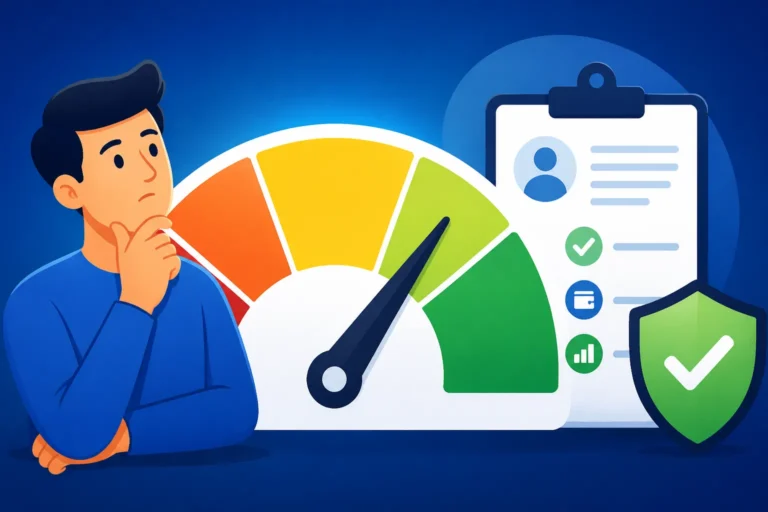
For most lenders and financial institutions, a 700 credit score lands firmly in the "good" credit range. Generally, FICO defines a "good" score as anything from 670 to 739. VantageScore typically places "good" credit between 661 and 780. So, whether you're looking at FICO or VantageScore, a 700 is consistently considered a positive marker.
This "good" designation means that lenders view you as a responsible borrower with a decent history of managing debt. You're past the "fair" or "poor" categories, which often come with higher interest rates and more limited product choices. It's a comfortable spot to be in, signaling reliability without necessarily being the absolute top tier. This also means you'll likely avoid the stricter terms and higher scrutiny faced by those with lower scores.
What a 700 Credit Score Means for You
Now that we know a 700 is considered "good," let's talk about what that really translates to in your everyday financial life. This isn't just an arbitrary number; it has tangible impacts on your purchasing power, borrowing costs, and even your ability to secure certain services.
Access to Favorable Lending Opportunities
With a 700 credit score, you're generally going to find yourself in a much better position when seeking various types of credit. Whether it's a personal loan, an auto loan, or even certain credit cards, lenders are more likely to approve your applications and offer more attractive terms than they would to someone with a lower score. This means less stress during the application process and a higher chance of getting the money you need when you need it.
For instance, when you apply for a credit card, a 700 score usually puts you in the running for cards with better rewards programs, lower interest rates, and higher credit limits. You'll likely move beyond the realm of basic secured cards and into products designed for those with established credit. This doesn't mean you'll get every premium card, but your options certainly broaden significantly. If you're wondering, "What Credit Score Do You Need for a Credit Card?", 700 is a great starting point for many desirable options.
Securing Better Interest Rates
This is where a "good" credit score really shines: interest rates. A 700 score typically qualifies you for lower interest rates on loans compared to individuals with fair or poor credit. Over the life of a loan, even a seemingly small difference in APR can save you thousands of dollars. For example, on a $30,000 car loan over five years, a 700 score might get you an interest rate of 6-8%, whereas a 600 score could easily push that into double digits.
The savings aren't just theoretical. Imagine paying an extra $50 a month on a loan just because your credit score was 50 points lower. That adds up to $3,000 over five years – money that could have gone into your savings, investments, or even a nice vacation. A 700 score helps you keep more of your hard-earned money in your pocket, making it a powerful tool for financial efficiency.
Renting Apartments and Utility Services
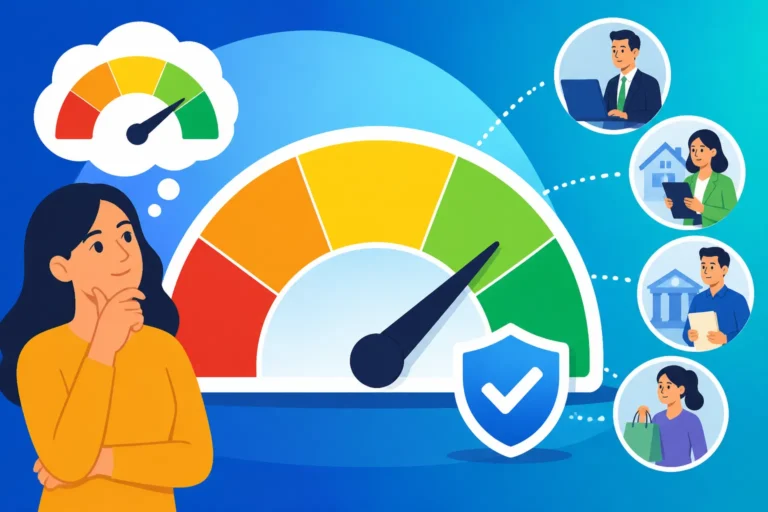
Credit scores aren't just for big loans; they're increasingly important for everyday necessities. Landlords often check your credit report to gauge your financial responsibility, and a 700 score presents a strong case for you as a reliable tenant. In competitive rental markets, a good score can give you an edge over other applicants.
Similarly, utility companies (electric, gas, water, even internet providers) might check your credit before opening an account. If your score is low, they might require a security deposit. With a 700 score, you're very likely to bypass these deposits, saving you upfront cash and hassle. It's these small, often overlooked, financial conveniences that really highlight the practical benefits of maintaining good credit. Landlords, for example, often want to see a history of timely payments and responsible debt management, which a 700 score typically reflects.
The Benefits and Limitations of a 700 Score
While a 700 credit score is undeniably a solid foundation, it's essential to understand both the advantages it brings and where its limits lie. It's not a perfect score, and recognizing that helps you set realistic expectations for your financial goals.
Mortgage and Auto Loan Realities
For significant purchases like homes and cars, a 700 credit score is generally sufficient to get approved for financing. However, it might not always land you in the absolute best interest rate tier. For a mortgage, lenders typically reserve their most competitive rates for borrowers with scores in the mid-700s and above, often 740+. A 700 score will definitely get you a mortgage, but you might find yourself with a slightly higher interest rate compared to someone with an 760 or 800 score.
Let's consider an example: a 30-year, $300,000 mortgage. If a 700 score gets you a 6.8% interest rate, but an 760 score qualifies you for 6.5%, that 0.3% difference translates to hundreds of dollars more in interest paid per month and tens of thousands over the life of the loan. For auto loans, the threshold for "super prime" rates is often around 720 or 740, meaning a 700 score could still mean paying a bit more than the absolute lowest advertised rates. So, while it opens the door, it might not open it all the way to the executive suite. Knowing "What Credit Score Do You Need to Buy a House?" means understanding these nuances.
Credit Card Approvals and Perks
As mentioned, a 700 score broadens your credit card options considerably. You'll likely qualify for many excellent cashback, travel rewards, and low-APR cards from major issuers. This is where you start to see real value in terms of sign-up bonuses and ongoing benefits. Brands like Chase, American Express, and Capital One offer a range of cards that become accessible at this score level.
However, some of the most exclusive, ultra-premium travel cards or those with the highest credit limits often look for scores in the 750+ range. These cards might come with extraordinary perks, concierge services, or incredibly lucrative bonus categories. While a 700 is great, it's not the golden ticket to every single top-tier product out there. It's like having a great seat at a concert, but maybe not front row, center.
Insurance Premiums and Other Costs
Believe it or not, your credit score can influence more than just loan rates. In many states, insurance companies (auto, home, renters) use a credit-based insurance score, which is derived from your credit report, to help determine your premiums. The reasoning is that studies have shown a correlation between credit history and the likelihood of filing claims. A 700 credit score generally translates to lower insurance premiums, as you're seen as a less risky client.
This can lead to significant savings over time. Imagine getting a better rate on your car insurance for years because of your good credit. These often overlooked benefits quietly contribute to your overall financial well-being, making a good credit score a powerful asset beyond just borrowing money.
How to Potentially Improve a 700 Credit Score
Even with a solid 700, there's always room to grow. Pushing your score higher can unlock even better rates and opportunities, especially for big financial moves. The good news is that the strategies to improve a 700 score are largely the same ones that build credit from scratch, just with a focus on optimization.
Maintaining Flawless Payment History
This is the cornerstone of any good credit score. Payment history accounts for 35% of your FICO score, making it the single most important factor. If you already have a 700 score, chances are your payment history is already quite good. The goal now is to keep it absolutely perfect. One single late payment (even 30 days late) can drop a good credit score significantly, sometimes by as many as 50 to 100 points, depending on your overall credit profile.
Set up automatic payments for all your bills, or at the very least, payment reminders. Don't just pay on time; aim to pay before the due date whenever possible. If you foresee a problem making a payment, contact your creditor immediately to discuss options. Being proactive is always better than letting a payment become delinquent. It's about consistency and reliability, proving to lenders that you are a dependable borrower month after month. For more detailed steps, check out our guide on how to Raise Your Credit Score (Step-by-Step).
Optimizing Credit Utilization
Credit utilization is the second most impactful factor, making up 30% of your FICO score. This refers to the amount of credit you're using compared to your total available credit. If you have a credit card with a $10,000 limit and you owe $1,000, your utilization is 10%. A good rule of thumb is to keep your overall credit utilization below 30%, but for excellent scores, aiming for under 10% is ideal.
If your score is 700, you might have utilization hovering around 20-30%. To improve, focus on paying down credit card balances. If you can pay your balance in full before the statement closing date, that's even better, as most creditors report your statement balance to the credit bureaus. Another strategy is to request a credit limit increase on an existing card (but only if you won't be tempted to spend more). This increases your total available credit, which can lower your utilization ratio if your spending stays the same. Understanding "How Much of Your Credit Limit Should You Use?" is key to this strategy.
Diversifying Your Credit Mix
While not as impactful as payment history or utilization, having a healthy mix of different types of credit (e.g., credit cards, installment loans like auto loans or mortgages) can positively influence your score, accounting for about 10% of your FICO score. If your credit profile heavily favors credit cards, consider adding an installment loan.
Credit builder loans, such as those offered by Credit Strong, can be an excellent way to do this without taking on new debt you don't need. With a Credit Strong account, you make small, fixed payments over time, which are reported to the credit bureaus as an installment loan. Once the loan is paid off, you receive the funds, essentially saving money while building your credit history. This strategy helps demonstrate your ability to manage different types of credit responsibly, which can nudge your score higher.
Increasing Your Length of Credit History
The length of your credit history (the age of your oldest account, the age of your newest account, and the average age of all your accounts) makes up about 15% of your FICO score. The longer your history, the better, as it provides more data for lenders to assess your reliability.
The best advice here is to simply keep your oldest accounts open and in good standing. Even if you have an old credit card you rarely use, don't close it unless absolutely necessary. Closing an old account can shorten your average age of accounts and reduce your total available credit, which can inadvertently hurt your score. Patience is truly a virtue when it comes to this aspect of your credit score. If you're wondering how long it generally takes, our article on How Long Does Credit Repair Take? can give you some realistic timelines.
Strategic New Credit Applications
New credit accounts for about 10% of your FICO score. While opening new accounts can initially cause a slight dip in your score due to the hard inquiry, it's a necessary step to continue building and diversifying your profile. The key is to be strategic. Avoid applying for too many credit accounts in a short period, as this can signal desperation to lenders and negatively impact your score.
Instead, space out your applications. If you're looking for a new credit card or loan, research options that align with your financial goals and that you're likely to be approved for with a 700 score. Each new account, once established and managed responsibly, contributes to a thicker, more robust credit file over time. Think of it as carefully adding new, healthy branches to an already strong tree.
Common Misconceptions About Good Credit
The world of credit is full of old wives' tales and outdated advice. When you're aiming for a high credit score, it's crucial to separate fact from fiction. Many well-intentioned but misguided tips can actually hurt your progress.
The Myth of Needing a "Perfect" Score
There's often an obsession with reaching an 850, the elusive "perfect" credit score. While an 850 is certainly impressive, it's generally unnecessary for qualifying for the best rates and terms on most financial products. Once your score reaches the mid-700s, say around 760 or above, the marginal benefits of gaining additional points significantly diminish.
Lenders often lump scores in the 760-850 range into the same "excellent" tier for pricing purposes. So, while an 850 might make you feel like a credit superstar, a 760 will likely get you the same fantastic mortgage rate or premium credit card offer. Don't stress yourself trying to chase those last few points if it means taking on unnecessary financial risks or making impractical decisions. Focus on maintaining a consistently strong score rather than chasing perfection. Our article on What Is a Perfect Credit Score (850)? delves deeper into this.
Checking Your Own Score Hurts It
This is one of the most persistent myths out there! Many people shy away from checking their credit score frequently because they believe it will harm their score. This is simply not true. Checking your own credit score results in a "soft inquiry," which has absolutely no impact on your credit score.
Soft inquiries happen when you check your own credit, when a lender pre-approves you for an offer (without you applying), or when an employer or insurance company checks your credit. They are visible only to you and sometimes the company that pulled it, but they are not factored into your credit score calculations. You should absolutely be checking your credit score regularly to monitor your progress and spot any potential errors. You can even check your credit score for free through various services.
Closing Credit Accounts Automatically Improves Scores
This is another common mistake people make, thinking that fewer credit accounts equals better credit. In reality, closing an old credit card can often lower your score, even if you rarely use it. There are two main reasons for this:
- Reduced Average Age of Accounts: When you close an old account, you eliminate a significant chunk of your credit history. This can lower the average age of all your accounts, which negatively impacts the "length of credit history" factor (15% of your FICO score).
- Increased Credit Utilization: Closing a credit card also reduces your total available credit. If you still carry balances on other cards, your credit utilization ratio (debt-to-limit) will immediately jump, which is a major negative factor for your score.
While there are some situations where closing an account might make sense (e.g., an annual fee card you no longer need, or one that tempts you to overspend), it should always be done with careful consideration of the potential impact on your score. For instance, if you have a Credit Strong account that has matured and you no longer need that specific tradeline, you'd want to ensure you have other healthy accounts before closing it, to avoid any unintended dips in your score.
Tools and Habits for Credit Management
Managing your credit effectively isn't just about making one-time changes; it's about developing consistent habits and utilizing the right tools. A 700 credit score is a testament to good habits, and building on that foundation requires continued diligence.
Regular Credit Monitoring
The easiest way to stay on top of your credit is to monitor it regularly. Many financial institutions and services offer free credit monitoring that allows you to see your score and get alerts about changes to your credit report. This isn't just about seeing the number; it's about vigilance.
By keeping an eye on your credit report and score, you can quickly identify any suspicious activity that might signal identity theft or errors that could be dragging your score down. Catching and addressing these issues early is far easier than trying to fix them months or years later. Services like Experian, Equifax, and TransUnion (the three main credit bureaus) also offer paid monitoring services that provide more in-depth alerts and features. Our guide on How to Check Your Credit Score for Free provides a comprehensive list of options.
Budgeting for Debt Repayment
A core component of managing credit, regardless of your score, is smart budgeting. To maintain or improve a 700 score, you need a clear understanding of your income and expenses. This allows you to allocate funds effectively towards debt repayment, especially for credit card balances that contribute to utilization.
Create a realistic budget that prioritizes paying off high-interest debt and making all payments on time. Tools like Mint, YNAB (You Need A Budget), or even a simple spreadsheet can help you track your spending and identify areas where you can save. The more efficiently you manage your money, the easier it becomes to keep your credit utilization low and avoid late payments. If you're struggling to pay off debt, consider exploring strategies like the debt snowball or debt avalanche, which are covered in our article on How to Pay Off Credit Card Debt Fast.
Reviewing Your Credit Report Annually
Beyond just checking your score, you should pull your full credit reports from all three major bureaus at least once a year. You can do this for free at AnnualCreditReport.com. This allows you to scrutinize every detail for accuracy.
Credit reports can contain errors that negatively impact your score without you even realizing it. These could be anything from incorrect account balances, accounts that don't belong to you, or outdated personal information. If you find an error, you have the right to dispute it with the credit bureau. Correcting inaccuracies can sometimes provide a quick boost to your score. For specific steps, refer to our guide on How to Dispute Credit Report Errors (Step-by-Step).
| Credit Score Range (FICO) | General Category | Lending Opportunities | Typical APR on Auto Loan (Example) | Common Mortgage Access |
|---|---|---|---|---|
| 800-850 | Exceptional | Best rates, premium offers | 4-6% | Elite, lowest rates |
| 740-799 | Very Good | Excellent rates, wide access | 5-7% | Very favorable rates |
| 670-739 | Good | Favorable rates, good access | 6-8% | Good, solid rates |
| 580-669 | Fair | Average rates, limited access | 9-15% | Challenging, higher rates |
| 300-579 | Poor | High rates, very limited access | 15%+ | Difficult, subprime |
Disclaimer: Interest rates are examples and vary widely based on market conditions, lender, and individual borrower profile.
Your Next Steps with a 700 Credit Score
Having a 700 credit score is a fantastic achievement and puts you in a strong position financially. It demonstrates a history of responsible borrowing and opens many doors to favorable lending terms. However, it's also a score that presents an opportunity for continued growth.
If your goal is to secure the absolute lowest interest rates on a mortgage or an auto loan, or if you want access to the most exclusive credit card perks, aiming for the mid-700s (740+) or even higher would be your next logical step. By consistently applying the strategies we've discussed – maintaining perfect payment history, optimizing utilization, strategically diversifying your credit mix, and preserving the length of your credit history – you can gradually nudge your score upwards. Remember, building and improving credit is a marathon, not a sprint. With patience and diligent habits, you can elevate your financial standing even further.
Disclaimer
The information provided in this article is for general informational purposes only and does not constitute financial, legal, or credit advice. While we strive to provide accurate and up-to-date content, individual circumstances may vary. It is always recommended to consult with a qualified financial professional or credit counselor for advice tailored to your specific situation. Credit scores and lending terms are subject to change based on market conditions and lender policies.