Is 640 a Good Credit Score?
Feeling unsure about your credit score, especially when you hear different numbers thrown around, is a perfectly normal experience. It's frustrating to think you're doing well, only to wonder if a 640 credit score is actually considered "good" when it comes time for big financial decisions. This guide is here to cut through the confusion and explain exactly what a 640 credit score means for your financial life and, more importantly, how you can boost it for a brighter future.
Understanding Credit Score Ranges
When you check your credit score, you're often given a number that falls into a specific range, usually labeled something like "Poor," "Fair," "Good," "Very Good," or "Excellent." These ranges aren't just arbitrary; they're how lenders quickly assess your creditworthiness and decide whether to offer you a loan, a credit card, or even an apartment.
Where Does 640 Fall?
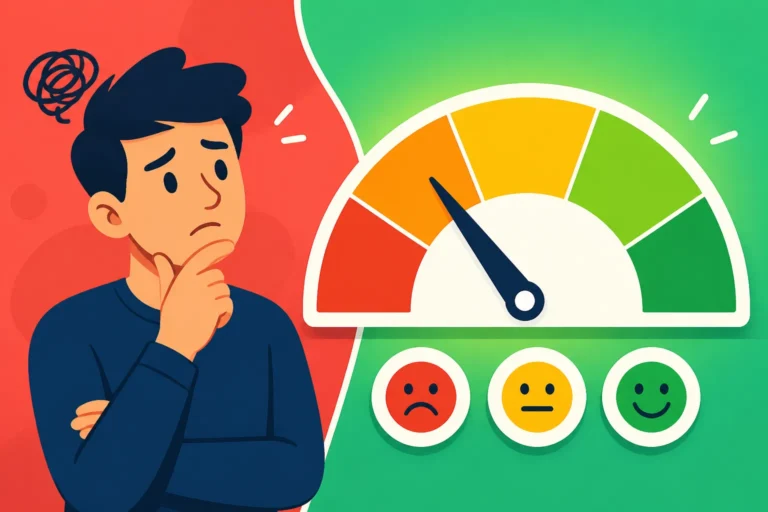
A 640 credit score typically falls into the "Fair" category for most widely used credit scoring models, like FICO Scores and VantageScore. While it's certainly not in the "Poor" territory, it's also not yet in the "Good" range that often unlocks the best interest rates and loan terms.
For example, FICO Scores generally range from 300 to 850. A score between 580 and 669 is usually considered "Fair." VantageScore, another popular model, also typically categorizes scores in the 600-660 range as "Fair." This means you're moving in the right direction if you're coming from a lower score, but there's still room for significant improvement to access more favorable financial products. You can dive deeper into these categories by checking out our guide on Credit Score Ranges: Poor to Excellent Explained.
Why Credit Score Ranges Matter
Lenders use these credit score ranges as a shorthand to evaluate the risk associated with lending you money. A higher score indicates a lower risk, meaning you're more likely to repay your debts on time. Conversely, a lower score suggests a higher risk, which can lead to lenders being more cautious or charging higher interest rates to compensate for that perceived risk.
Think of it this way: if you're a landlord, would you prefer a tenant with a history of paying on time and consistently, or one with a spotty record? Lenders are no different. A score in the "Fair" range, like 640, tells them that you might be a slightly elevated risk compared to someone with a "Good" or "Excellent" score. This can translate into less favorable loan terms, higher down payments, or even outright denials for certain types of credit. It's a critical piece of your financial identity that impacts your ability to achieve major life goals.
What You Can Expect with a 640 Credit Score
Having a 640 credit score means you're in a unique position. You're not entirely shut out of the credit world, but you're also not getting the VIP treatment. You'll likely qualify for many financial products, but the terms and conditions might not be as sweet as those offered to individuals with higher scores. Let's break down what this means for different aspects of your financial life.
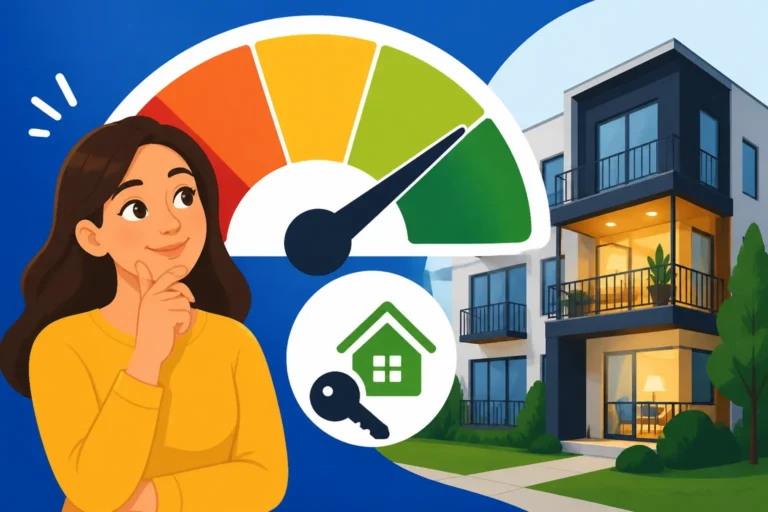
Mortgages and Home Loans
Getting a mortgage with a 640 credit score is definitely possible, but your options might be somewhat limited, and the terms won't be top-tier. For instance, an FHA loan (backed by the Federal Housing Administration) is often accessible to borrowers with lower credit scores, sometimes even as low as 500 with a 10% down payment, or 580 with a 3.5% down payment. Your 640 score puts you comfortably within the FHA loan eligibility.
However, a conventional mortgage, which is not government-backed, typically requires a minimum credit score of 620, but the best rates and terms are usually reserved for scores in the 700s and above. With a 640, you might face a higher interest rate, which translates to a larger monthly payment and more interest paid over the life of the loan. You may also need a larger down payment or have fewer options for lenders. It's a prime example of how even a slightly higher score can save you thousands over time. If you're wondering more about what score you need, check out our guide on What Credit Score Do You Need to Buy a House?.
Auto Loans
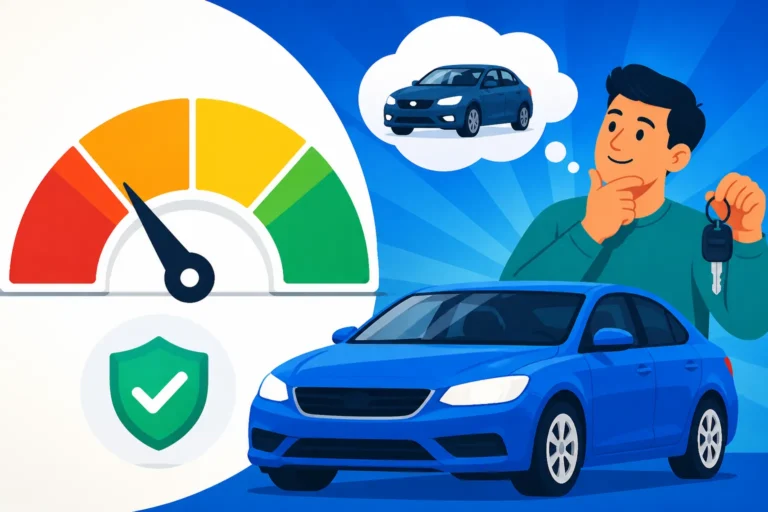
When it comes to buying a car, a 640 credit score will likely get you approved, but again, expect to pay a higher interest rate compared to someone with excellent credit. Lenders consider vehicle loans secured debt, meaning the car itself acts as collateral. This generally makes them more accessible to borrowers with fair credit.
According to recent data, borrowers with "fair" credit scores (typically 601-660) might see average auto loan interest rates ranging anywhere from 10% to 15% or even higher, depending on market conditions, the lender, and the specific car you're financing. In contrast, someone with a "very good" score (720-779) could qualify for rates below 5%. That difference can add hundreds, if not thousands, to the total cost of your vehicle. Shopping around with multiple lenders and potentially considering a slightly less expensive vehicle can help offset these higher rates.
Credit Cards and Personal Loans
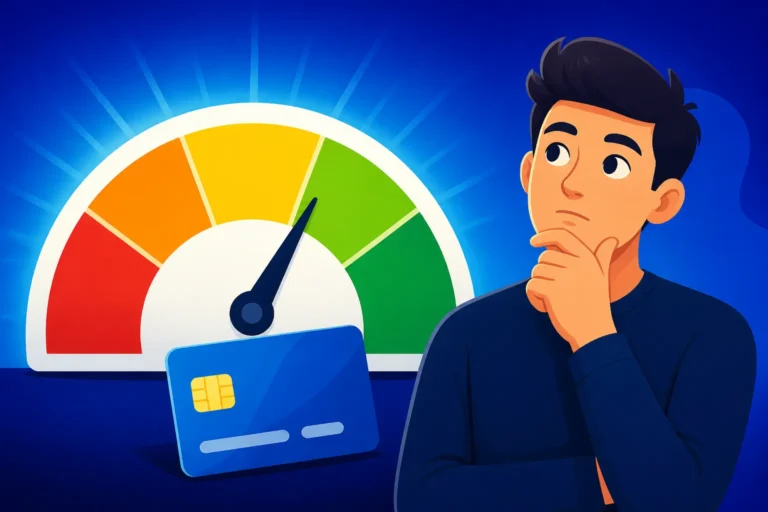
Securing a credit card or a personal loan with a 640 credit score is also within reach, but you'll need to be strategic. For credit cards, you might qualify for certain unsecured cards designed for people building or rebuilding their credit, though they often come with higher interest rates, lower credit limits, and sometimes annual fees.
A better strategy for many with a 640 score is to start with a secured credit card. These cards require a cash deposit, which typically becomes your credit limit, reducing the risk for the lender. As you use it responsibly and make on-time payments, it helps build your credit history, and many secured cards offer a path to upgrade to an unsecured card over time. We have a detailed guide on Secured Credit Cards: How They Build Credit that can help you understand this option. Similarly, personal loans may be available, but they will come with higher interest rates to reflect the perceived risk. Lenders like Discover Personal Loans or LendingClub might approve applicants with fair credit, but the APR will be significantly higher than someone with a 700+ score.
Another excellent option for boosting your credit from a 640 is a credit builder loan. These are small loans designed specifically to help you establish or improve your credit history. Companies like Credit Strong offer credit builder loans where the loan amount is held in a CD account while you make payments. Once the loan is paid off, you get access to the funds, and your consistent payments are reported to the major credit bureaus, helping to improve your score. It’s a smart way to demonstrate responsible financial behavior without accumulating new credit card debt. You can learn more about these tools by reading Credit Builder Loans Explained (Self, Kikoff & More).
Renting an Apartment and Utilities
Landlords and utility companies often check credit scores as part of their application process. With a 640 score, you're generally in a decent position, but some landlords, especially in competitive rental markets, might prefer applicants with higher scores.
If your score is on the lower end of what they typically accept, you might be asked to pay a larger security deposit, or provide a co-signer to guarantee your rent payments. Utility companies are usually more forgiving, but with a 640 score, there's a chance you might have to pay a deposit to get services like electricity or gas turned on. This isn't a huge hurdle, but it's an extra upfront cost to be aware of. Showing proof of consistent income and positive references can sometimes help mitigate concerns about a fair credit score when renting.
Strategies to Improve a 640 Credit Score
The good news about a 640 credit score is that it's a solid foundation to build upon. You're not starting from scratch, and with focused effort, you can absolutely push that number higher into the "Good" and "Very Good" ranges. The key is consistency and understanding the factors that influence your score. For a broader look at improving your score, consider our comprehensive guide on How to Raise Your Credit Score (Step-by-Step).
Focus on Payment History
This is hands down the most crucial factor, accounting for 35% of your FICO Score. Late payments are credit score poison, so making sure all your bills are paid on time, every time, is paramount. Even one payment that's 30 days late can drop your score significantly and stay on your report for up to seven years.
To avoid missing payments, set up automatic payments for all your credit accounts, loans, and even utility bills. If auto-pay isn't an option, create calendar reminders or use budgeting apps that notify you when bills are due. Consider paying your bills a few days before the due date to ensure they are processed on time, especially if you're mailing payments. If you have any recent late payments, you might explore options like a goodwill letter to see if the creditor will remove it, as discussed in How to Remove Late Payments From Your Credit Report.
Manage Credit Utilization
Your credit utilization ratio, which is the amount of credit you're using compared to your total available credit, makes up 30% of your FICO Score. Lenders like to see you using a small portion of your available credit. A general rule of thumb is to keep your overall credit utilization below 30%, but aiming for even lower, like under 10%, can significantly help your score.
For example, if you have a credit card with a $1,000 limit, try not to carry a balance higher than $300. If you have multiple cards, the 30% rule applies to each card individually, as well as your total combined available credit. One effective strategy is to pay down your balances multiple times throughout the month, rather than waiting for the statement due date. This can ensure a lower balance is reported to the credit bureaus. You can find more detailed advice on this in our article How Much of Your Credit Limit Should You Use?.
Address Negative Items If Applicable
If your 640 score is due to past negative marks like collections or charge-offs, addressing these can provide a significant boost. While these items can remain on your report for up to seven years, their impact lessens over time. However, actively working to resolve them can show creditors you're taking responsibility.
For collections, you might try to negotiate a "pay for delete" agreement where the collection agency agrees to remove the entry from your credit report after you pay the debt. Be sure to get any such agreement in writing before making a payment. If you have older collections, it's crucial to understand the statute of limitations in your state before engaging with debt collectors. You can learn more about this process and its potential benefits in our guide on How to Remove Collections From Your Credit Report.
Consider Credit Building Tools
Since a 640 is a fair score, it's a great time to actively build more positive credit history. Secured credit cards are an excellent way to do this. You put down a deposit, which acts as your credit limit, and then use the card like a regular credit card, making small purchases and paying them off in full and on time. This demonstrates responsible credit behavior to the bureaus.
Credit builder loans are another fantastic tool. As mentioned earlier, providers like Credit Strong offer loans specifically designed to help you build credit. The money from the loan is held in a savings account or CD, and as you make on-time payments, these payments are reported to the credit bureaus. Once you've paid off the loan, you receive the funds. It's a low-risk way to create a positive payment history and improve your credit mix, especially if you have a thin credit file. Our article How to Build Credit From Scratch (2026 Guide) covers these methods in detail.
Review Your Credit Report Regularly
Errors on your credit report are surprisingly common and can drag your score down without you even realizing it. The Fair Credit Reporting Act (FCRA) gives you the right to a free copy of your credit report from each of the three major bureaus (Equifax, Experian, and TransUnion) once every 12 months via AnnualCreditReport.com. Take advantage of this.
Carefully review each report for inaccuracies such as incorrect account balances, accounts you don't recognize, or late payments that you actually made on time. If you find any errors, dispute them immediately with the credit bureau and the creditor. Removing an error could give your score an immediate lift. We highly recommend reading How to Read Your Credit Report (2026 Guide) and How to Dispute Credit Report Errors (Step-by-Step) to guide you through this process.
The Journey from 640 to a Higher Score
Improving your credit score from 640 isn't an overnight fix; it's a marathon, not a sprint. However, with consistent effort and smart financial habits, you can absolutely reach a higher score. Understanding the timeline and maintaining those good habits are crucial for long-term success.
Realistic Timelines for Improvement
How long it takes to improve your score from 640 depends on several factors, including how diligently you apply the strategies mentioned above and what negative items (if any) are on your report.
- Minor Changes (e.g., lowering utilization): You might see a noticeable improvement in as little as 1-3 months if you significantly pay down credit card balances. Credit utilization updates quickly.
- Consistent On-Time Payments: If you're simply focusing on making all payments on time and have no major derogatory marks, you could see a steady, gradual increase over 6-12 months. Each month of positive payment history strengthens your file.
- Addressing Negative Items: Removing an incorrect negative item (like a late payment or collection) can sometimes lead to a more dramatic jump in score, but the dispute process itself can take 30-45 days. If you're working on something like a credit builder loan, it will typically take 12-24 months for the full impact of the positive payment history to fully mature and influence your score significantly. For a more comprehensive understanding of timelines, consult How Long Does Credit Repair Take?.
The key takeaway is that persistence pays off. Don't get discouraged if you don't see massive jumps immediately. Every positive action contributes to a healthier credit profile over time.
Maintaining Good Habits
Once you start seeing your score rise, the work isn't over. Maintaining a good credit score requires ongoing vigilance and consistent financial discipline. This means continuing to make all your payments on time, keeping your credit utilization low, and regularly checking your credit reports for accuracy.
Think of it like maintaining your physical health: it's not a one-time diet or exercise routine; it's a lifestyle. Similarly, good credit habits should become part of your everyday financial routine. Continue to use your credit cards responsibly, only borrowing what you can comfortably pay back, and diversify your credit mix over time with different types of accounts, such as a mix of credit cards and installment loans (like an auto loan or a credit builder loan from Credit Strong). These practices will help solidify your improved score and open doors to even better financial opportunities in the future.
Credit Score Impact Table
Here's a quick overview of what a 640 credit score generally means for various financial products compared to higher score ranges:
| Credit Score Range | Typical Score (Example) | Common Lenders | Interest Rates & Terms | Approval Odds |
|---|---|---|---|---|
| Poor | 300-579 | Subprime Lenders | Very High Interest | Low |
| Fair | 580-669 (640) | Some Mainstream, Subprime | Higher Interest, Possible Fees | Moderate |
| Good | 670-739 | Mainstream Lenders | Average to Good Rates | High |
| Very Good | 740-799 | Most Mainstream, Preferred | Excellent Rates | Very High |
| Excellent | 800-850 | Top Lenders | Best Possible Rates | Almost Certain |
Disclaimer
This article is for general informational purposes only and does not constitute professional advice. Laws, prices and regulations vary by location and change over time. Consult a qualified professional for guidance on your specific situation.