What Can You Get With a 550 Credit Score? (Buy a House)
It's incredibly frustrating when you have a goal as big and important as buying a house, only to feel like your credit score is standing squarely in your way. Many people find themselves with a 550 credit score, wondering if the dream of homeownership is completely out of reach. This guide will dive deep into the realities of what you can (and can't) expect with a 550 credit score when trying to secure a mortgage, and more importantly, outline concrete steps you can take to move closer to that dream.
Understanding Your 550 Credit Score
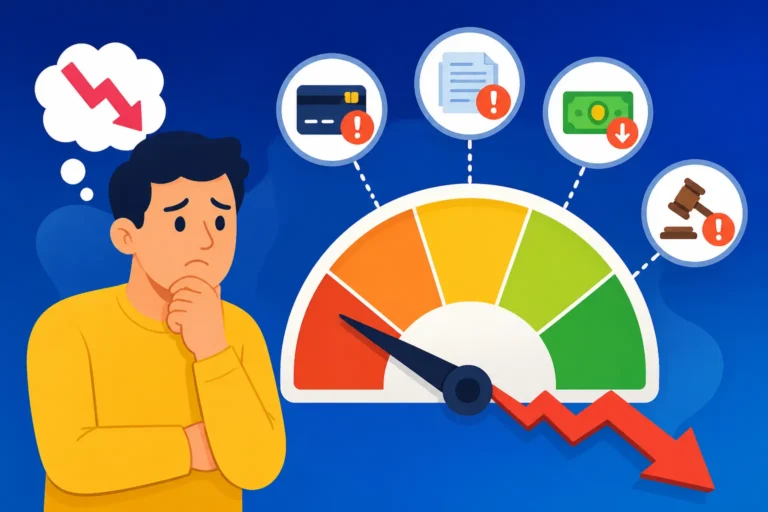
Let's be upfront: a 550 credit score is generally considered "poor" by most conventional lending standards. It's a tough pill to swallow, especially when you're trying to make a significant life purchase like a home. This score often reflects past financial difficulties, like late payments, collections, or high credit card balances, which lenders interpret as a higher risk. But understanding why your score is where it is, and how lenders perceive it, is the first critical step toward changing your financial future.
What a 550 Score Really Means
When credit bureaus like Experian, TransUnion, and Equifax calculate your score, they're essentially assessing your reliability as a borrower. A 550 score signals to potential lenders that you might have a higher likelihood of defaulting on a loan. This isn't a judgment on you as a person, but rather a statistical prediction based on your credit history. It often means you'll face significant hurdles when trying to access credit, especially for large sums like a mortgage. It can feel like you're stuck in a financial rut, watching others move forward while you're left behind, and that feeling is completely valid.
For most financial products, a score in this range will result in denied applications, or if approved, extremely high interest rates and unfavorable terms. It's a clear indicator that improvements are needed before you can realistically achieve prime lending rates or easily qualify for a mortgage.
How Lenders View a Low Credit Score for Mortgages
Mortgage lenders are in the business of assessing risk. When they see a 550 credit score, they see a significant risk of default. This doesn't mean they won't lend to you, but it severely limits your options and increases the cost of borrowing. Conventional lenders, for instance, are often looking for scores well into the "good" or "excellent" range (670 and above) to offer their most competitive rates.
For a score of 550, most lenders will either decline your application outright or, if they have programs for lower scores, they will attach very stringent conditions. This might include requiring a much larger down payment, higher interest rates that could add tens of thousands of dollars to the total cost of your home over time, or demanding a co-signer with excellent credit. They might also scrutinize every other aspect of your financial profile—your debt-to-income ratio, employment history, and savings—with a magnifying glass, looking for any additional red flags.
The Reality of Buying a House with a 550 Credit Score
So, can you buy a house with a 550 credit score? The short answer is: it's extremely challenging, but not entirely impossible under very specific circumstances. However, it's crucial to understand that your options will be severely limited, and the terms of any potential loan will likely be far from ideal. Let's break down the different types of mortgages and how a 550 score impacts your eligibility.
Conventional Loans and Your Credit Score
Conventional loans are not insured or guaranteed by the government, meaning lenders take on more risk themselves. Because of this, they tend to have the strictest credit requirements. Generally, you'll need a credit score of at least 620, and sometimes even higher (680 or more) to get a competitive interest rate. With a 550 credit score, obtaining a conventional loan is highly improbable.
Even if you managed to find a lender willing to consider a conventional loan with such a low score (which would be rare), you'd likely face an exorbitant interest rate, very high closing costs, and potentially a requirement for a significant down payment—think 20% or more—to mitigate the lender's risk. The financial burden of such a loan could be overwhelming, making the dream of homeownership quickly turn into a financial nightmare. Your best bet for a conventional loan is to focus on improving your score first. You might want to explore articles like "How to Raise Your Credit Score (Step-by-Step)" to prepare.
FHA Loans: A More Accessible Option, But Still a Hurdle
Federal Housing Administration (FHA) loans are government-insured mortgages that are often touted as the go-to option for first-time homebuyers or those with less-than-perfect credit. The FHA has lower minimum credit score requirements compared to conventional loans, which makes them seem like a viable path for someone with a 550 score. Officially, the FHA allows for credit scores as low as 500, provided you can make a 10% down payment. If your score is 580 or higher, you could qualify with a lower 3.5% down payment.
However, here's the crucial caveat: while the FHA allows these lower scores, individual lenders who offer FHA loans often impose their own, stricter requirements, known as "lender overlays." Many lenders won't touch an FHA loan application with a score below 580 or even 620, regardless of the official FHA guidelines. So, while a 550 score technically falls within the FHA's absolute minimum range if you put 10% down, finding a lender willing to approve you at that specific score is incredibly difficult. You'd need to shop around extensively and might still face significant challenges.
VA and USDA Loans: Specific Requirements
For those who qualify, VA loans (for eligible veterans and active-duty service members) and USDA loans (for properties in eligible rural areas) are excellent options that come with attractive terms, including no down payment requirements in many cases.
- VA Loans: While the Department of Veterans Affairs doesn't set a minimum credit score, lenders offering VA loans typically look for scores of 620 or higher. A 550 score would make it very challenging to secure a VA loan, as lenders still need to assess your repayment risk.
- USDA Loans: These loans, designed to help low to moderate-income individuals purchase homes in designated rural areas, usually require a minimum credit score of 640. This means a 550 score would unfortunately disqualify you from this program.
In summary, while FHA loans might offer a glimmer of hope with a 550 score, it's far from a guarantee. Your best strategy is to focus on credit improvement before applying.
Strategies to Improve Your Credit Score for Homeownership
The most realistic path to buying a home with a 550 credit score is to first dedicate yourself to improving that score. It might seem daunting, but even small, consistent steps can lead to significant gains over time. Don't underestimate the power of a few months of focused effort.
Immediate Steps to Boost Your Score
There are a few key areas you can tackle right away to start seeing positive movement in your credit score:
- Payment History: This is the single most important factor in your credit score, accounting for 35% of your FICO score. If you have any outstanding debts, make sure to pay all your bills on time, every single time. Set up automatic payments or calendar reminders if needed. A single late payment can severely damage your score. If you have past late payments, you might explore options like writing a goodwill letter to see if a creditor will remove it. More information on this can be found in resources like "How to Remove Late Payments From Your Credit Report".
- Credit Utilization: This is the second most important factor, making up 30% of your score. It refers to how much of your available credit you're currently using. If you have a credit card with a $1,000 limit and a $900 balance, your utilization is 90%—and that's far too high. Lenders prefer to see utilization below 30%, ideally even lower, like under 10%. Pay down your credit card balances as much as possible, even if it's just a little each month.
- Dispute Errors: Get a copy of your credit reports from all three major bureaus (Experian, TransUnion, and Equifax) via AnnualCreditReport.com. Review them meticulously for any errors, such as accounts that aren't yours, incorrect balances, or duplicate entries. These errors can drag down your score. If you find any, dispute them immediately. The process of "How to Dispute Credit Report Errors (Step-by-Step)" can be incredibly helpful here.
Long-Term Credit Building for a Mortgage
Beyond immediate fixes, building a solid credit history for a mortgage requires a more sustained effort.
- Secured Credit Cards: If you struggle to get approved for traditional credit cards, a secured credit card can be a fantastic way to build positive payment history. You put down a deposit, which becomes your credit limit, and then you use it like a regular credit card. Make small purchases and pay them off in full every month. This demonstrates responsible credit behavior to the credit bureaus. Learn more about them in "Secured Credit Cards: How They Build Credit".
- Credit Builder Loans: These are designed specifically to help people establish or rebuild credit. Companies like Credit Strong offer credit builder loans where you make regular payments into a savings account, and at the end of the term, you get access to the funds. The payments are reported to the credit bureaus, helping to establish a positive payment history and diversify your credit mix. It’s a structured way to prove your reliability. For a deeper dive into how these loans work, check out "Credit Builder Loans Explained (Self, Kikoff & More)".
- Become an Authorized User: If you have a trusted family member with excellent credit and a long, positive credit history, they might be willing to add you as an authorized user on one of their credit cards. This can quickly add a positive tradeline to your credit report, boosting your score. However, it’s crucial that the primary cardholder uses the card responsibly and pays on time, as their activity will reflect on your report. For more details on this strategy, read "How to Become an Authorized User to Build Credit".
- Maintain Old Accounts: Don't close old credit accounts, especially if they have a good payment history. The length of your credit history (credit age) is another important factor in your score. Closing accounts can shorten this history and reduce your overall available credit, negatively impacting your utilization.
- Avoid New Debt and Hard Inquiries: While you're actively trying to raise your score, try to avoid applying for new credit unless absolutely necessary. Each application typically results in a hard inquiry, which can cause a small, temporary dip in your score. You also want to focus on reducing existing debt, not adding to it. If you have many recent hard inquiries, you might want to learn about "How to Remove Hard Inquiries From Your Credit Report".
Working with a Housing Counselor
Navigating the path to homeownership, especially with a lower credit score, can feel overwhelming. That's where a HUD-approved housing counseling agency can be an invaluable resource. These non-profit organizations offer free or low-cost services, including:
- Budgeting and Financial Planning: They can help you create a realistic budget, identify areas to save, and develop a plan to manage your debts.
- Credit Repair Strategies: While they can't magically "fix" your credit, they can guide you through the process of disputing errors, negotiating with creditors, and understanding how to build a stronger credit profile.
- Understanding Mortgage Options: They can help you understand the different types of mortgages available, explain their requirements, and connect you with lenders who might be more flexible.
- First-Time Homebuyer Programs: Housing counselors often have up-to-date information on local and state programs that offer down payment assistance or more favorable loan terms for eligible buyers. For instance, if you're in a metropolitan area like Atlanta, Georgia, they could inform you about specific local housing initiatives.
This is a proactive step that many people overlook, but it can provide structured guidance and support as you work towards your homeownership goals.
Alternative Paths to Homeownership with a Lower Score
While focusing on credit repair is paramount, there are a couple of other avenues you might explore that could potentially help you qualify for a mortgage, even with a slightly lower score. These often come with their own set of challenges and risks, so it's essential to weigh them carefully.
Saving for a Larger Down Payment
One of the most effective ways to offset a lower credit score in the eyes of a lender is to come to the table with a significantly larger down payment. A larger down payment means you're borrowing less money, which reduces the lender's risk. If you have a 550 credit score, and you're applying for an FHA loan (where a 10% down payment is required for scores between 500-579), coming in with 15% or even 20% down could make your application more appealing.
Lenders see a substantial down payment as a sign of financial stability and a strong commitment to the purchase. It indicates that you have savings and are less likely to walk away from the property. This strategy buys you credibility, even if your credit score isn't perfect yet. It can be a slow process, especially when trying to manage existing debts, but it shows a disciplined approach to your finances that lenders appreciate. Consider if saving more vigorously for a down payment is a viable option for your specific financial situation.
Finding a Co-Signer
Another option, though one that requires careful consideration, is finding a co-signer with excellent credit. A co-signer essentially guarantees the loan, promising to make payments if you default. This adds their strong credit history and financial stability to your application, making it much more attractive to lenders.
While a co-signer can open doors to a mortgage you might not otherwise qualify for, it comes with significant risks for both parties. For the co-signer, the loan appears on their credit report, impacting their debt-to-income ratio and potentially their ability to secure other credit. If you miss payments, their credit score will suffer, and they could be on the hook for the entire debt. For you, the primary borrower, it means your financial decisions directly affect someone else's financial well-being. This step should only be taken with someone you trust implicitly and after a very open and honest discussion about the responsibilities and potential consequences.
Local and State First-Time Homebuyer Programs
Beyond federal options like FHA, many states and local municipalities offer their own first-time homebuyer programs. These programs are often designed to assist residents with down payment assistance, closing cost credits, or even more flexible underwriting standards. For example, the California Housing Finance Agency (CalHFA) or the Texas State Affordable Housing Corporation (TSAHC) offer various programs with different criteria.
While these programs can be a fantastic resource, it's important to research their specific credit score requirements. While they might be more flexible than conventional loans, it's rare to find a program that will approve a mortgage with a 550 credit score without some form of significant financial offset or a commitment to credit improvement. These programs are usually aimed at individuals with fair to good credit, meaning a score of 620-640 or higher. However, some might offer avenues for credit counseling that could lead to eventual qualification. It's always worth checking with your local housing authority or a HUD-approved counselor to see what specific opportunities exist in your area.
Here's a quick comparison of common mortgage types and their typical credit score considerations:
| Mortgage Type | Typical Minimum Credit Score (Lender Overlays) | Official FHA/VA/USDA Guidelines (if applicable) | Down Payment Flexibility | Considerations for 550 Score |
|---|---|---|---|---|
| Conventional Loan | 620-680+ | N/A | Varies (often 3-20%) | Extremely difficult to obtain; almost certainly denied. Focus on significant credit repair first. |
| FHA Loan | 580-620+ (most lenders) | 500 (with 10% down), 580 (with 3.5% down) | Low (3.5% or 10%) | Theoretically possible with 10% down, but finding a lender willing to approve at 550 is very challenging due to lender overlays. |
| VA Loan | 620+ | No official minimum | None (for qualifying veterans) | Unlikely to be approved; lenders impose their own score minimums for risk assessment. |
| USDA Loan | 640+ | No official minimum | None (for qualifying rural properties) | Very unlikely to be approved due to typical lender score requirements. |
| Local/State Programs | Varies (often 600+) | N/A | Varies (often down payment assistance) | Some might offer credit counseling, but direct mortgage approval at 550 is rare. Check specific program requirements. |
Remember, the journey to homeownership with a 550 credit score is a marathon, not a sprint. It involves strategic planning, consistent effort in improving your credit, and sometimes, exploring less conventional avenues. Don't let the initial frustration stop you. With dedication, you can absolutely turn your credit situation around and eventually qualify for a mortgage that makes sense for your financial future. Resources like "How to Repair Your Credit: The Complete Guide (2026)" can provide a comprehensive roadmap for your credit improvement journey. Also, learning "How to Read Your Credit Report (2026 Guide)" is crucial to understand what lenders see.
Disclaimer
The information provided in this article is for general informational purposes only and does not constitute financial, legal, or credit advice. Credit scores and lending requirements can vary, and it is always recommended to consult with a qualified financial advisor, credit counselor, or mortgage lender for personalized advice tailored to your specific situation.