Is 560 a Good Credit Score?
It’s incredibly frustrating when you check your credit score, hoping for good news, only to see a number that feels like it’s holding you back. Many folks find themselves looking at a 560 credit score and immediately wonder, "Is this bad? What does this even mean for me?" If you're in that boat, feeling confused and a little disheartened, know that you're not alone. This guide is here to break down exactly what a 560 credit score signifies, what financial hurdles it might present, and most importantly, how you can begin to turn things around.
Understanding Credit Score Ranges and What They Imply
When we talk about credit scores, it’s not just about one number; it’s about where that number falls within a spectrum. Lenders categorize scores into different ranges, and each range carries specific implications for your financial opportunities. A 560 credit score definitely places you in a particular category, and understanding that is the first step toward navigating your financial path forward.
Where Does 560 Fall on the Spectrum?
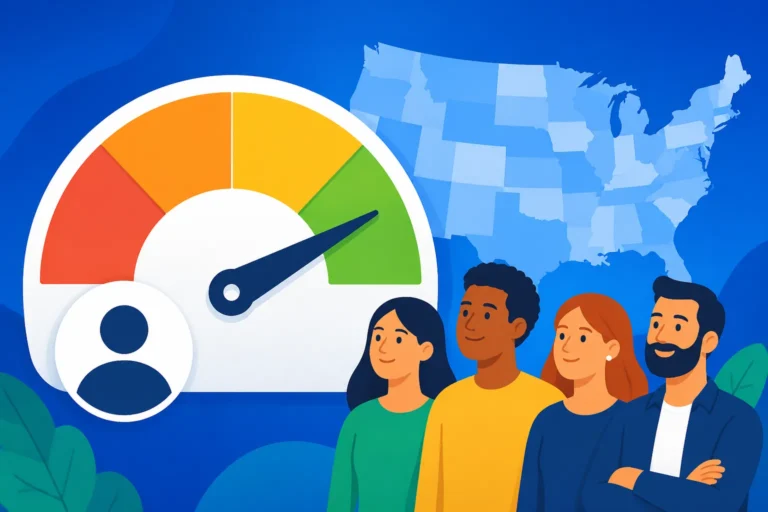
Most widely used credit scoring models, like FICO and VantageScore, categorize a 560 score as either "Poor" or "Very Poor." For instance, with FICO, scores typically range from 300 to 850, and anything below 580 is generally considered "Poor." VantageScore, with a similar 300-850 range, often places a 560 in the "Very Poor" category. This isn't just semantics; it’s how potential lenders will view your creditworthiness.
Think of it like a report card for your financial reliability. A score in the poor or very poor range signals to lenders that there's a higher risk involved in lending you money. It suggests you might have had difficulties managing credit in the past, such as missed payments, high debt levels, or even more serious events like bankruptcies or collections. While it might feel like a personal judgment, it's strictly a statistical assessment of risk based on your credit history.
What Do Different Ranges Mean for You?
Each credit score range opens or closes certain doors in the financial world. Let's look at a quick overview:
| Credit Score Range | FICO Classification | VantageScore Classification | Implications for You |
|---|---|---|---|
| 300-579 | Poor | Very Poor | Significant difficulty getting approved for loans, credit cards, mortgages, or car loans. If approved, interest rates will be very high, and terms will be unfavorable. May require collateral or a co-signer. |
| 580-669 | Fair | Poor | Limited options, still high interest rates. Some secured credit cards or credit builder loans might be available. Often requires deposits or fees. |
| 670-739 | Good | Fair | Decent options for credit products with reasonable interest rates. Mortgages and car loans become more accessible. |
| 740-799 | Very Good | Good | Access to a wide range of top-tier credit products with competitive interest rates and favorable terms. |
| 800-850 | Exceptional | Excellent | Best possible rates and terms on virtually any credit product. |
As you can see, a 560 score falls squarely into the "Poor" or "Very Poor" category, making many financial opportunities challenging. This doesn't mean all hope is lost, but it does mean you’ll need to be strategic and patient in your efforts to improve. Understanding this context helps you set realistic expectations for what to expect when applying for credit or loans right now.
What a 560 Credit Score Means for Your Finances
Living with a 560 credit score isn't just about a number; it translates into real-world financial consequences that can make everyday life more expensive and accessing essential services more difficult. It's important to be realistic about these challenges so you can prepare for them and work towards overcoming them.
Accessing Loans and Credit Cards
With a 560 credit score, you'll find that traditional lenders, like major banks offering unsecured credit cards or conventional personal loans, are likely to deny your applications. They view you as a high-risk borrower, and their primary goal is to minimize that risk. If by some chance you do get approved, perhaps for a subprime personal loan or a high-fee credit card, the terms will almost certainly be unfavorable.
For example, securing a car loan with a 560 credit score is often a tough climb. You might be offered extremely high interest rates, potentially in the double digits, which can add thousands of dollars to the total cost of the vehicle over the loan's lifetime. Lenders will also likely demand a substantial down payment, more stringent income requirements, or even a co-signer with excellent credit to mitigate their risk. Similarly, a mortgage might be out of reach, as lenders typically look for scores significantly higher, often 620 or more for an FHA loan, and even higher for conventional mortgages.
When it comes to credit cards, your options will be limited to secured credit cards or specific credit builder products. A secured credit card requires a cash deposit, which then acts as your credit limit. While it's a great tool for rebuilding, it's not the same as an unsecured card that offers a credit line without a deposit. For instance, you might consider how secured credit cards work if you're looking to start building credit from this point. These cards are designed for people in your situation, helping you demonstrate responsible credit behavior without posing excessive risk to the issuer.
Impact on Interest Rates and Terms
One of the most significant impacts of a 560 credit score is on the interest rates you'll be offered. When a lender assesses you as high-risk, they charge a higher interest rate to compensate for that perceived risk. This means you'll pay substantially more for any money you borrow.
Consider a personal loan: someone with an excellent credit score might qualify for an APR of 6-8%, while someone with a 560 score could be looking at an APR of 25% or even higher. Over the life of a loan, this difference can amount to a staggering sum. Even for a small loan, the higher interest can make repayment incredibly challenging, potentially trapping you in a cycle of debt. It’s a harsh reality, but understanding this motivates many people to prioritize improving their score to save money in the long run.
Beyond Loans: Housing, Utilities, and Employment
The influence of your credit score extends far beyond just loans and credit cards. Your 560 score can affect other critical aspects of your life. For instance, when you try to rent an apartment, many landlords perform credit checks. A low score might lead to a denial, or they might require a larger security deposit, sometimes two or three months' rent, to offset their risk. Some landlords might even insist on a co-signer.
Even setting up utility services can be affected. Utility companies like electric or gas providers might require a security deposit before they’ll turn on service if your credit score is low. This can add unexpected upfront costs when you're trying to move or establish a new household.
In some industries, particularly those involving financial handling or sensitive data, potential employers might run a credit check as part of their background screening process. While they can't see your actual score, they can see your credit report details. A history of financial mismanagement, as indicated by a 560 score, could negatively impact your job prospects for certain positions. This isn't always the case, but it's a concern many people with lower scores face.
Common Reasons for a 560 Credit Score
It's natural to feel frustrated or even confused about why your credit score is 560. Credit scores aren't random; they're a direct reflection of your credit history. Understanding the common culprits behind a low score is crucial for developing a targeted plan to improve it. Many factors affect your credit score, but a 560 typically points to significant negative events.
Late Payments and Defaults
The single most influential factor in your credit score is your payment history, accounting for a massive 35% of your FICO score. If you have a 560 score, it’s highly likely that a history of late payments, missed payments, or even outright defaults on loans or credit cards is a major contributor.
When you miss a payment by 30 days or more, lenders report this to the credit bureaus. Each late payment is a serious black mark that can cause your score to plummet by dozens of points, especially if your score was higher to begin with. Multiple late payments, or a series of them, can absolutely decimate your score. A default, which happens when you fail to make payments for an extended period, is even worse and can lead to accounts being sent to collections or even charged off. These items can remain on your credit report for up to seven years, continuously dragging down your score. Learning how to remove late payments from your credit report can be a key step, but it often requires a proactive approach.
High Credit Utilization
Another significant factor, making up 30% of your FICO score, is credit utilization. This is the amount of credit you're currently using compared to your total available credit. If you have a credit card with a $1,000 limit and you've charged $900 on it, your utilization is 90%, which is extremely high.
A 560 score often indicates a very high credit utilization ratio, possibly across multiple accounts. Lenders see high utilization as a sign that you might be over-reliant on credit, struggling financially, or at risk of not being able to pay back what you owe. Ideally, you want to keep your credit utilization below 30%, and many experts even recommend staying below 10% for the best scores. If you're maxing out your cards or consistently using a large portion of your available credit, it's a clear red flag that will pull your score down.
Short Credit History or Lack of Mix
While less impactful than payment history or utilization, the length of your credit history (15% of your FICO score) and your credit mix (10%) also play a role. If you have a very short credit history, perhaps you’re just starting out, or you haven't used credit much, your score might be lower simply due to a lack of data. Lenders prefer to see a long history of responsible borrowing.
Similarly, having only one type of credit, like just a credit card, might not be as beneficial as having a healthy mix of different account types, such as installment loans (like a car loan or mortgage) and revolving credit (like credit cards). A limited or undiversified credit history can prevent your score from reaching higher tiers, even if your payment history is otherwise good. This is a common challenge for individuals who are trying to build credit from scratch.
Negative Public Records
Finally, severe negative items on your credit report can also lead to a 560 score. These include things like bankruptcies, foreclosures, repossessions, or civil judgments. These are considered major derogatory marks and have a profoundly negative impact on your score, often dropping it by hundreds of points initially.
These public records stay on your report for an extended period – a Chapter 7 bankruptcy, for example, can remain for up to 10 years, while foreclosures typically last 7 years. Even after these events, it takes considerable time and effort to rebuild your credit. If you have any of these on your report, they are almost certainly the primary drivers of a 560 score. In such cases, understanding how to remove negative items from your credit report becomes an immediate priority, although some items, like bankruptcies, can be challenging to remove if accurate.
Actionable Steps to Improve a 560 Credit Score
A 560 credit score can feel like a heavy burden, but it's not a life sentence. The good news is that credit scores are dynamic, and with consistent effort and strategic actions, you absolutely can improve yours. It won't happen overnight, but every positive step contributes to a better financial future.
Prioritizing On-Time Payments
Since payment history is the most critical factor, making all your payments on time, every single time, is paramount. This might sound obvious, but it's often the hardest habit to consistently maintain, especially if you're juggling multiple bills.
Set up reminders, whether through calendar alerts, sticky notes, or automatic payments directly from your bank account. If you have multiple credit cards or loans, consider creating a simple spreadsheet or using a budgeting app to track due dates and minimum amounts. Even if you can only afford the minimum payment, make sure it’s paid by the due date. Over time, a consistent record of on-time payments will slowly but surely demonstrate reliability to lenders and help counterbalance past late marks. For those struggling with numerous late payments, understanding what a goodwill letter is and if it works might provide a potential avenue for relief on older, isolated incidents.
Reducing Credit Utilization
Tackling high credit utilization can provide a relatively quick boost to your score. Remember, keeping your utilization below 30% is key, and ideally even lower.
Start by paying down your credit card balances. Focus on the card with the highest utilization first, or the one with the smallest balance to get a quick win (this is often called the debt snowball method). If you have multiple cards, spread your payments across them to reduce utilization on all accounts, as lenders look at both individual card utilization and your overall utilization. Even small, consistent payments beyond the minimum can make a difference. If you can’t pay down balances significantly, consider asking for a credit limit increase on an existing card if you trust yourself not to use the extra credit. This can lower your utilization ratio without you paying down debt, but it needs to be used cautiously. Learn more about how to pay off credit card debt fast to accelerate this process.
Building a Positive Credit History
With a 560 score, you need to actively build new, positive credit. This means opening accounts that report to all three major credit bureaus (Equifax, Experian, and TransUnion) and managing them responsibly.
- Secured Credit Cards: These are fantastic tools for rebuilding. You provide a cash deposit, which becomes your credit limit. Use it for small, regular purchases, pay it off in full every month, and treat it like a debit card. This demonstrates responsible usage without risk to the issuer. You can find detailed information on how to build credit fast using secured credit cards.
- Credit Builder Loans: Products like those offered by Credit Strong or Self are designed specifically for people with low or no credit. You take out a small loan, but the money is held in a savings account or CD while you make monthly payments. Once the loan is paid off, you get access to the funds, and the on-time payments are reported to the credit bureaus, boosting your history. These can be incredibly effective and are a great way to show consistent payment behavior without incurring traditional debt.
- Authorized User Status: If you have a trusted family member or friend with excellent credit and a long history of on-time payments, they might be willing to add you as an authorized user on one of their credit cards. Their positive history can then appear on your credit report, giving your score a boost. Just ensure they are responsible with their credit, as their missteps could also impact you.
Consistency is key here. The longer you maintain these accounts with on-time payments and low utilization, the more your credit history will strengthen.
Reviewing Your Credit Report for Errors
It might surprise you how many credit reports contain errors that can unfairly drag down your score. A 560 score is a strong indicator that you should meticulously review your credit reports.
You are entitled to a free copy of your credit report from each of the three major bureaus—Equifax, Experian, and TransUnion—once every 12 months through AnnualCreditReport.com. Take the time to go through each report line by line. Look for:
- Accounts you don't recognize: These could be signs of identity theft.
- Incorrect payment statuses: An account showing a late payment when you paid on time.
- Incorrect balances or credit limits: These can inflate your utilization ratio.
- Duplicate accounts: The same debt listed twice.
- Accounts that are past the statute of limitations: Most negative items should fall off after seven years.
If you find errors, you have the right to dispute them. Learning how to dispute credit report errors is a powerful way to potentially remove damaging information and improve your score. The bureaus are legally obligated to investigate your claims. Fixing errors can sometimes lead to a significant score increase relatively quickly. This thorough review is a critical part of how to check your credit score for free and accurately understand your financial standing.
Improving a 560 credit score is a journey, not a sprint. It requires discipline, patience, and consistent positive action. By focusing on these actionable steps, you're not just moving a number; you're building a stronger financial foundation for your future. While the path might seem long, knowing that you're actively working to How to Raise Your Credit Score (Step-by-Step) and take control of your financial narrative is incredibly empowering. Many people find success by starting with small, manageable steps and building momentum over time. Remember, how long does credit repair take? It varies, but consistent effort always yields results.
Disclaimer
This article is for general informational purposes only and does not constitute professional advice. Laws, prices and regulations vary by location and change over time. Consult a qualified professional for guidance on your specific situation.