How Long Does It Take to Improve Your Credit Score?
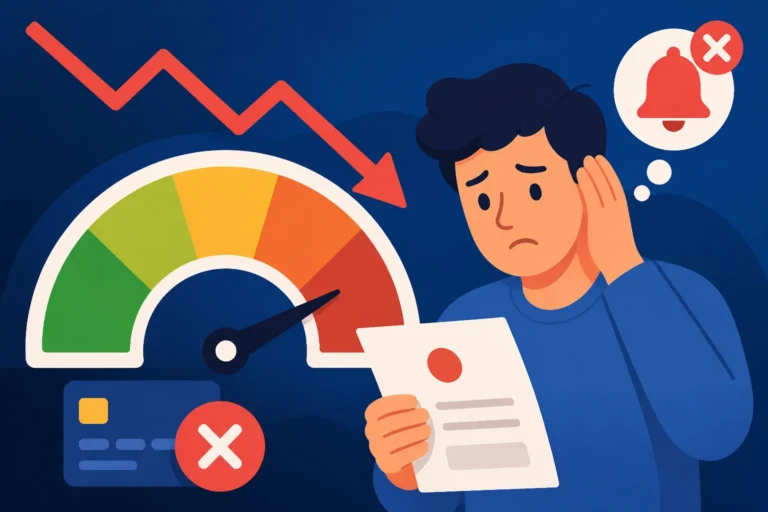
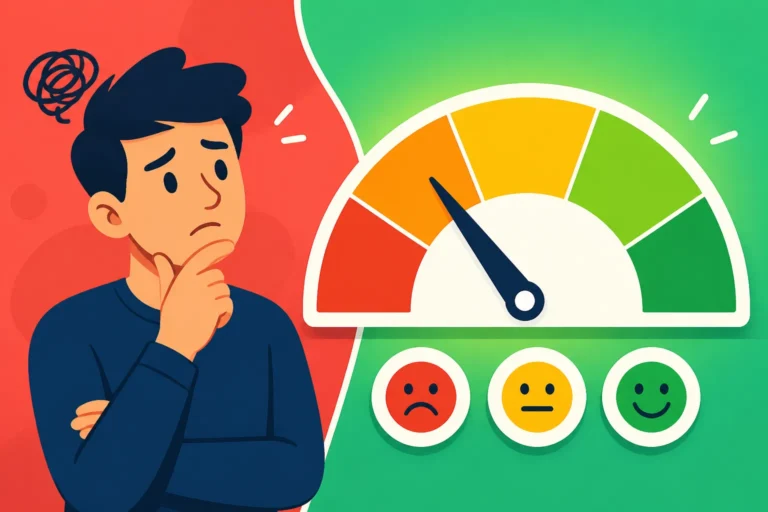
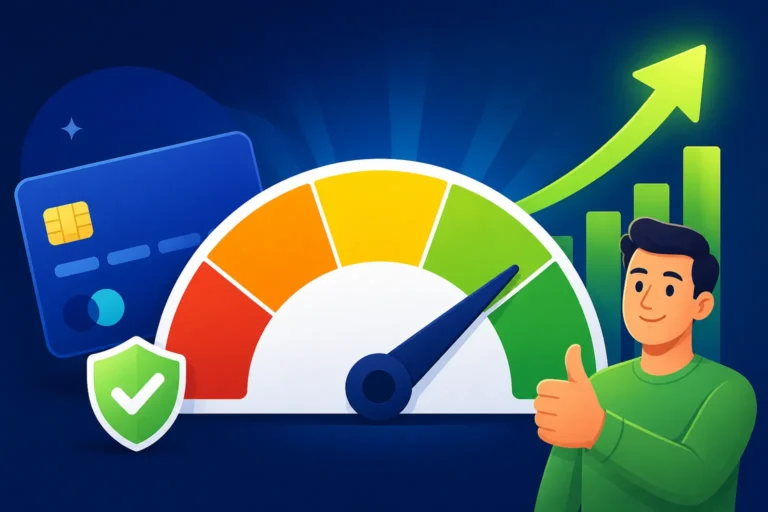
It's incredibly frustrating to know you need a better credit score but feel like you're staring into a black hole when it comes to how long it will actually take. You've heard everything from "a few weeks" to "years," leaving you wondering what to believe. This guide will cut through the noise, offering a realistic look at the timelines involved in improving your credit score, depending on where you're starting and what steps you're taking to make those changes.
The Many Factors That Influence Your Credit Improvement Timeline
When you're trying to boost your credit score, there's no single answer to "how long?" It's not like baking a cake where you follow a recipe and it's done in an hour. Your credit score is a dynamic snapshot of your financial history, and several moving parts dictate how quickly you'll see positive changes. Understanding these foundational elements is the first step toward setting realistic expectations.
Your Starting Point: Low Score vs. Fair Score
Where you begin on your credit journey makes a huge difference in how quickly you can climb. If you're starting with a very low credit score, say in the "poor" range (typically below 580), you might actually see more significant jumps initially compared to someone already in the "fair" or "good" categories. This isn't because it's easier to fix bad credit, but because there's more room for improvement. Small positive actions, like paying off a small collection or opening your first secured credit card, can have a disproportionately large impact when your score is very low.
On the other hand, if you're already hovering in the mid-600s or low 700s, moving up another 50-100 points can feel like a much slower grind. At this level, lenders want to see a consistent, long-term history of excellent financial behavior. You're no longer just fixing major issues; you're optimizing your credit profile, which often takes more time and meticulous management of factors like credit utilization and credit mix.
The Severity and Age of Negative Items
The types of negative marks on your report also heavily influence the timeline. A single late payment, while certainly not ideal, is far less damaging and easier to overcome than a bankruptcy or multiple charge-offs. Minor dings tend to fade in impact over a year or two, especially as new, positive payment history accumulates. However, more severe items stick around for longer, both on your report and in their influence on your score.
For instance, a Chapter 7 bankruptcy stays on your report for 10 years, while most other negative items, like collections, charge-offs, and late payments, generally drop off after seven years. While these items remain, they will continue to suppress your score to varying degrees. The good news is that their impact lessens over time. A collection account from five years ago typically hurts your score less than one from five months ago, giving you a chance to build positive history around it. Understanding "How Long Do Items Stay on Your Credit Report?" can provide a clearer picture.
Consistency and Proactivity of Your Actions
Ultimately, the speed of your credit improvement is a direct reflection of your consistent effort. Someone who makes a few positive changes and then reverts to old habits won't see lasting improvement. But if you commit to paying all bills on time, keeping credit card balances low, and regularly checking your credit report for errors, you'll build momentum. Each month of responsible credit use reinforces positive habits and slowly but surely builds a stronger credit profile.
Conversely, sporadic efforts will yield sporadic results. If you only dispute one error and then forget about the rest of your report, or if you pay down debt only to run it back up, your score will fluctuate without significant long-term gains. It's about a sustained, thoughtful approach to your financial health.
Common Credit Challenges and Their Typical Resolution Periods
Dealing with different types of negative marks on your credit report can feel like playing whack-a-mole. Each challenge has its own timeline for resolution and impact on your score. Knowing what to expect for common issues can help you prioritize your efforts and manage your expectations.
Removing Late Payments and Collections
Late payments are one of the most common negative marks and can drop your score significantly, especially if it's your first one. Generally, a single 30-day late payment can cause a 50-100 point drop, particularly if you have a high score. These entries stay on your report for seven years from the date of the delinquency. While their impact diminishes over time, they will continue to affect your score for years. You might see some recovery within 6-12 months if you maintain perfect payment history afterward, but a full recovery to your pre-late payment score can take 1-2 years or even longer. For specific guidance, you might want to learn "How to Remove Late Payments From Your Credit Report."
Collection accounts are often more severe. They can also stay on your report for seven years from the date of the original delinquency that led to the collection. Paying off a collection doesn't automatically remove it from your report; it simply updates the status to "paid collection." While this is better than an unpaid collection, the negative mark still remains. You might see a small score bump after paying, but the biggest improvement often comes when the collection finally ages off your report. Strategies like "pay-for-delete" can sometimes get collections removed sooner, but these are not guaranteed.
Addressing High Credit Utilization
Credit utilization is one of the most dynamic factors in your credit score, meaning it can change rapidly. This is the amount of credit you're using compared to your total available credit, and it accounts for about 30% of your FICO score. If your credit utilization is high (above 30%), paying down those balances can lead to a quick credit score increase, often within 1-2 billing cycles (30-60 days). This is because credit card issuers typically report your updated balances to the credit bureaus monthly.
For example, if you have a credit card with a $5,000 limit and a $4,000 balance (80% utilization), paying it down to $500 (10% utilization) could result in a significant score boost once the new balance is reported. You could see an improvement of 20-50 points, sometimes more, depending on your overall credit profile. This rapid response makes reducing utilization a powerful tool for relatively fast credit score improvement. To dive deeper, check out our guide on "Credit Utilization: The Complete Guide."
Building Credit From Scratch
Starting with no credit history (often called a "thin file") means your goal isn't just to improve, but to establish credit. This process inherently takes time because lenders and credit bureaus need data to assess your reliability. You won't have a scorable FICO score until you've had at least one account open for six months and that account has been reported to the credit bureaus. So, the absolute minimum time to get a scorable credit score is around six months.
During this initial period, strategies like getting a secured credit card or a credit builder loan are incredibly effective. A secured credit card, like those from Capital One or Discover, requires a deposit, which then becomes your credit limit. By using it responsibly and paying on time, you build positive payment history. Similarly, a credit builder loan, such as those offered by Credit Strong, helps you establish an installment loan history. With these tools, you can often go from no credit to a fair or even good score (mid-600s) within 12-18 months of consistent, responsible use. Learn more in our comprehensive guide on "How to Build Credit From Scratch (2026 Guide)".
Strategies for Faster Credit Score Improvement
While there's no magic wand to instantly fix your credit, certain strategies can accelerate the improvement process. These methods often involve either directly addressing negative information or establishing new, positive credit behaviors that quickly get reported to the bureaus.
Secured Cards and Credit Builder Loans
For those looking to establish or rebuild credit, secured credit cards and credit builder loans are excellent tools that can show results within a year. As mentioned, secured credit cards require a cash deposit, which acts as collateral. This makes them less risky for lenders, making them easier to obtain for people with poor or no credit. Once you get one, using it for small, regular purchases and paying the balance in full each month will rapidly build positive payment history. You might see initial score improvements within 6-12 months as this new, positive history starts to populate your credit report. Over 12-18 months, consistent use can significantly raise your score. Dive deeper with our guide on "Secured Credit Cards: How They Build Credit."
Credit builder loans, like those offered by institutions such as Credit Strong, work a little differently. Instead of getting money upfront, you make payments into a locked savings account, and once the loan is paid off, you receive the funds. These payments are reported to the credit bureaus, creating a positive installment loan history. This helps diversify your credit mix, which can be beneficial for your score. Similar to secured cards, consistent on-time payments over a 6-12 month period can lead to noticeable score improvements, especially if you have a thin credit file or are recovering from past mistakes. Find out more about "Credit Builder Loans Explained (Self, Kikoff & More)."
Disputing Errors on Your Credit Report
This is one of the quickest ways to potentially improve your credit score, as it directly removes inaccurate negative information. Credit reports, unfortunately, are not always perfect. Errors, such as incorrect late payments, accounts that aren't yours, or duplicate collection entries, can drag down your score unfairly. The Fair Credit Reporting Act (FCRA) gives you the right to dispute these errors with the credit bureaus (Equifax, Experian, and TransUnion) and the original creditor.
Once you file a dispute, the credit bureaus generally have 30 days (sometimes up to 45 days, depending on circumstances) to investigate. If they cannot verify the information, or if it's found to be inaccurate, the item must be removed or corrected. A successful dispute can lead to a score increase almost immediately after the change is reflected on your report, often within 1-2 months. This method can be incredibly effective for fast credit score improvement if you find significant errors. Our guide on "How to Dispute Credit Report Errors (Step-by-Step)" offers a complete walkthrough.
Strategic Debt Paydown
Focusing on paying down high-interest credit card debt isn't just good for your wallet; it's a stellar strategy for credit score improvement. As we discussed earlier, your credit utilization ratio has a significant, and often immediate, impact on your score. By systematically reducing your credit card balances, especially on cards that are near their limit, you can see your score tick up relatively quickly.
One effective approach is to target the card with the highest utilization first. For example, if you have three cards and one has a 90% utilization rate, reducing that one to under 30% will likely yield a greater score boost than making small payments across all cards. Once a lower balance is reported to the credit bureaus (usually with your next statement), your score should respond. This could mean seeing a 10-30 point jump within a month or two, depending on how much you reduce your utilization and where your score stands overall. This is a sustained effort, however, as maintaining low balances is key to long-term good credit.
Understanding Credit Score Models and Reporting Cycles
It's easy to get frustrated when you take positive steps but don't see your credit score budge right away. Part of this delay comes from how credit scores are calculated and how information is reported. Different scoring models emphasize different aspects, and the timing of updates plays a crucial role.
FICO and VantageScore Differences
You actually have many different credit scores, not just one. The two primary scoring models are FICO and VantageScore. While both aim to assess your creditworthiness, they use slightly different algorithms and can weigh factors differently. FICO scores, developed by the Fair Isaac Corporation, are widely used by 90% of top lenders. VantageScore, created by the three major credit bureaus (Equifax, Experian, and TransUnion), is also popular, especially with free credit monitoring services.
Because of these differences, your FICO score might improve at a different pace or show a different number than your VantageScore. For instance, VantageScore 3.0 can sometimes score you with a shorter credit history than older FICO models, meaning you might see a VantageScore sooner if you're building credit from scratch. Understanding "FICO Score vs VantageScore: What's the Difference?" can help you interpret the scores you see from various sources and better gauge your progress. These differences mean that while one score might show improvement, another might lag slightly, adding to the perceived "time it takes."
Credit Bureau Reporting Cycles
Your credit information isn't updated in real-time. Instead, creditors typically report account activity to the three major credit bureaus (Equifax, Experian, and TransUnion) once a month. This usually happens around your statement closing date or shortly thereafter. This reporting cycle is why you won't see an immediate score change the moment you pay off a credit card balance or make an on-time payment.
For example, if your credit card statement closes on the 15th of the month and you pay your balance in full on the 10th, that lower balance will usually be reported to the bureaus shortly after the 15th. Then, it might take a few more days for the credit bureaus to process that information and for your credit score provider (like your bank or a credit monitoring service) to update your score based on the new data. This means there's usually a lag of 3-6 weeks between taking an action and seeing its effect reflected in your credit score.
The Impact of Hard Inquiries vs. Soft Inquiries
Understanding inquiries is important for managing your credit over time. A "hard inquiry" occurs when you apply for new credit, like a credit card, mortgage, or car loan. It signals to lenders that you're seeking more credit, and too many hard inquiries in a short period can suggest you're a risky borrower. Each hard inquiry can cause a small dip in your credit score (typically 1-5 points) and remains on your credit report for two years, though its impact generally diminishes after about 12 months.
"Soft inquiries," on the other hand, do not affect your credit score. These occur when you check your own credit, when a current lender reviews your account, or when pre-approved offers for credit are generated. You can check your credit as often as you like without fear of lowering your score. While hard inquiries do affect your score, their impact is relatively minor compared to payment history or utilization, and it's temporary. You'll likely see a recovery within a year if you don't acquire too many new inquiries. For more details on this, explore "How Many Points Is a Hard Inquiry Worth?"
Maintaining Momentum: What to Do After Initial Improvement
Seeing your credit score improve for the first time is a huge morale booster, but the journey doesn't end there. True credit health is about consistent habits and a long-term strategy. You want to ensure those hard-earned points stick around and continue to grow.
Continuous Monitoring and Good Habits
Once you start seeing positive changes, it’s crucial to maintain the habits that got you there. This means continuing to pay all your bills on time, every single time. Payment history is the most significant factor in your credit score, accounting for 35% of your FICO score. Even one late payment can set you back considerably. Set up automatic payments or calendar reminders to ensure you never miss a due date.
Regularly checking your credit report, ideally once a quarter, is also vital. You can get a free copy of your credit report from each of the three major bureaus annually through AnnualCreditReport.com. This allows you to monitor for new errors, signs of identity theft, or accounts that aren't truly yours. Catching these issues early means you can dispute them quickly, preventing them from dragging down your score unnecessarily. Checking "How to Read Your Credit Report (2026 Guide)" can help you understand what you're looking at.
Expanding Your Credit Mix Responsibly
As your credit score improves and your financial situation stabilizes, you might consider diversifying your credit portfolio. Your "credit mix" accounts for about 10% of your FICO score. Lenders like to see that you can responsibly manage different types of credit, such as revolving accounts (credit cards) and installment accounts (mortgages, auto loans, personal loans).
However, this isn't an invitation to open every new credit card offer you receive. Any new credit application will result in a hard inquiry, causing a small temporary dip in your score. The key is strategic, responsible expansion. If you only have credit cards, perhaps a small personal loan (if needed and affordable) could help diversify your mix once your score is strong enough to qualify for favorable terms. Always ensure that any new credit aligns with your financial needs and that you can comfortably manage the payments. The goal is to show responsible management, not to accumulate unnecessary debt.
Patience and Long-Term Vision
Perhaps the most important aspect of credit improvement is patience. While some changes, like reducing high credit utilization or removing an error, can yield relatively quick results (within a few months), sustained, significant credit score growth typically takes time. Building a long and positive credit history is fundamental to achieving excellent credit scores. The "length of credit history" makes up 15% of your FICO score.
This means the longer you maintain good habits—paying on time, keeping utilization low, and not opening too many new accounts—the stronger your credit profile will become. Aiming for an excellent score (750+) isn't a sprint; it's a marathon that requires years of consistent, smart financial decisions. Don't get discouraged if you don't see huge jumps every month. Focus on the positive trajectory, celebrate small victories, and stay committed to the long-term vision of financial stability.
Credit Improvement Timeline Overview
To give you a clearer picture, here's a general overview of how different actions might impact your credit score timeline:
| Credit Action/Item | Initial Score Impact | Time to See Initial Improvement | Time for Significant/Full Recovery |
|---|---|---|---|
| Reducing High Credit Utilization | High negative | 1-2 billing cycles (30-60 days) | 1-3 months |
| Disputing & Removing Credit Report Errors | Variable negative | 30-45 days | 1-2 months (after removal) |
| Opening & Using Secured Credit Card | Initial small dip | 3-6 months | 12-18 months for good score |
| Taking Out a Credit Builder Loan | Initial small dip | 3-6 months | 12-18 months for good score |
| Missed Payment (30-day) | Significant negative | 6-12 months (for partial recovery) | 1-2 years (less impact) / 7 years (removal) |
| Collection Account | Significant negative | Small bump if paid | 7 years (removal) |
| Bankruptcy (Chapter 7) | Very significant negative | Years (rebuilding credit) | 10 years (removal) |
| Becoming an Authorized User | Positive | 1-2 billing cycles (30-60 days) | Immediate to ongoing |
| Paying Down Other Installment Debt | Small positive | 1-3 months | Ongoing |
| Freezing Your Credit | No direct impact | N/A | N/A |
This table provides general estimates. Individual results can vary based on your unique credit history and other factors. Remember, a combination of consistent positive actions yields the best and most lasting results. For a detailed plan, check out "How to Raise Your Credit Score (Step-by-Step)."
Disclaimer
Please note that this information is for educational purposes only and does not constitute financial or legal advice. Credit scores and reporting are complex, and individual situations vary greatly. Always consult with a qualified financial advisor for personalized guidance.