Does Checking Your Own Credit Score Hurt It?
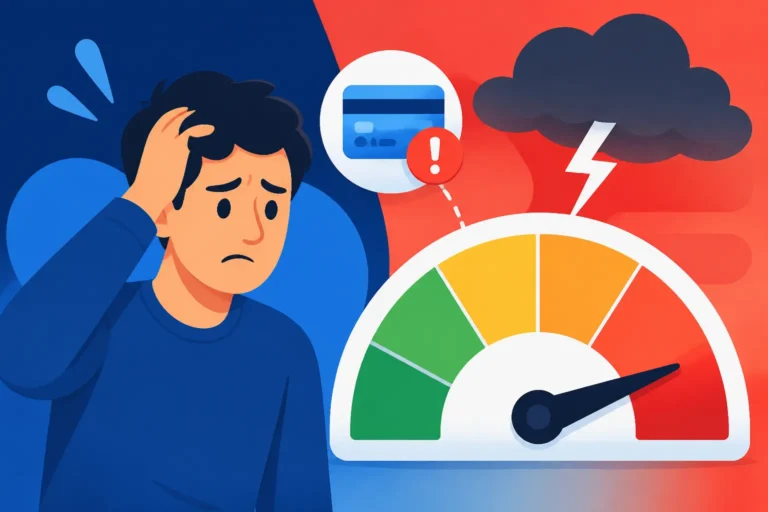
It’s a common fear, isn’t it? That nagging worry that just looking at your credit score, checking in on something so fundamental to your financial health, might actually harm it. Many people hesitate to check their credit scores regularly because they've heard whispers or outright myths that doing so can knock a few points off, making them think it's better to stay in the dark. This guide is here to clear up that confusion once and for all, helping you understand how credit score checks actually work and empowering you to monitor your credit with confidence.
Understanding Credit Score Checks: The Two Main Types
When we talk about checking your credit, there are really two distinct types of inquiries that can happen, and understanding the difference between them is absolutely crucial. These two types are often the source of all the confusion and worry, but once you know what’s what, the mystery disappears.
Soft Inquiries: Your Allies in Financial Awareness
Think of a soft inquiry as a casual peek at your credit information. It's like someone quickly glancing at your financial resume without actually asking for a deep dive or making any official record that might impact your standing. These inquiries happen all the time, often without you even realizing it, and the best part is that they do not affect your credit score in any way, shape, or form. They're invisible to lenders and don't contribute to the factors that determine your score.
A classic example of a soft inquiry is when you check your own credit score through a service like Credit Karma, Experian's own free score check, or even through your bank or credit card company's dashboard. These tools are designed to give you personal insight into your credit health without any negative repercussions. Another common scenario where soft inquiries occur is when lenders pre-approve you for credit card offers or loans. They're basically doing a preliminary check to see if you meet their general criteria before sending you an invitation. Employers might also perform a soft inquiry as part of a background check, though they need your permission to do so. In all these cases, the inquiry is purely for informational purposes and poses no risk to your score. If you're using a credit-building service like Credit Strong, for instance, to monitor your progress or access your score, these interactions are also typically soft inquiries, designed to help you, not hinder you.
Hard Inquiries: When Lenders Get Serious
Now, hard inquiries are a different beast entirely. These are the serious, official requests for your full credit report that happen when you actively apply for new credit. When you fill out an application for a new credit card, a mortgage, an auto loan, or even some personal loans, you're usually giving permission for a lender to pull a hard inquiry. This signals to the credit bureaus and other potential lenders that you're actively seeking new credit, and it suggests a higher level of risk compared to someone who isn't.
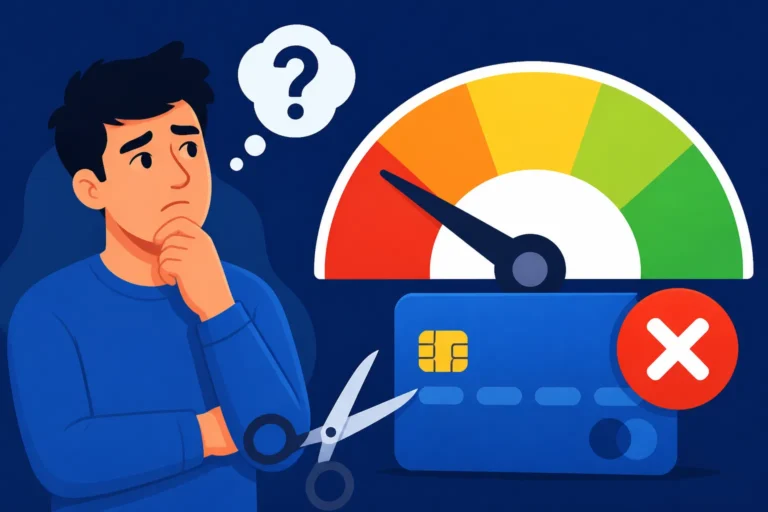
Because a hard inquiry indicates you're taking on new debt or expanding your credit lines, it can have a small, temporary negative impact on your credit score. Typically, a single hard inquiry might ding your score by a few points, usually somewhere between 1 to 5 points. While that might not sound like a lot, multiple hard inquiries in a short period can add up, making you look like a riskier borrower to future lenders. This is because multiple applications could suggest you're desperately seeking credit or might be overextending yourself financially. The impact typically fades over time and hard inquiries remain on your credit report for two years, though their influence on your score diminishes much faster, usually within a few months.
The Myth vs. Reality of Checking Your Own Score
The confusion around credit checks is widespread, and it's completely understandable why so many people get it wrong. The financial world can feel like a labyrinth, and when you hear terms like "credit inquiry" or "credit pull," it’s natural to associate any check with a negative outcome.
Why the Confusion Exists
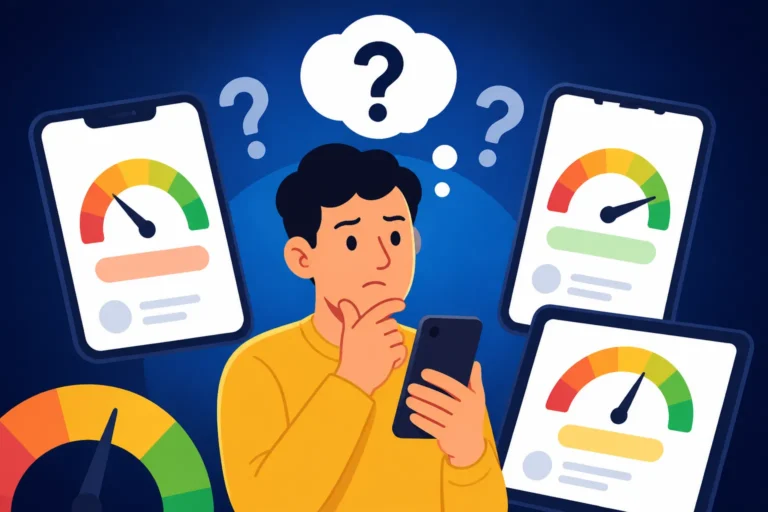
For years, people have been told to be careful with their credit, and that advice, while well-intentioned, often lacked the crucial distinction between soft and hard inquiries. Many folks simply heard "checking your credit hurts it" and internalized that as a universal truth. It's like hearing that eating too much sugar is bad for you, but then avoiding all fruit because it contains natural sugars. The nuance is lost, and fear takes over. Plus, the credit reporting system itself can seem opaque, with different scores from different sources, and the language used often doesn't make it clear which type of check is being performed. This lack of clear communication from various entities, coupled with anecdotal evidence where someone applied for a loan (a hard inquiry) and then saw their score drop, reinforces the misconception that any check is detrimental.
The underlying frustration is valid: you want to be financially responsible and monitor your progress, but you’re afraid the very act of monitoring will set you back. It feels like a Catch-22, and that’s a frustrating position to be in for anyone trying to improve their financial standing.
The Truth: Self-Checks are Safe and Smart
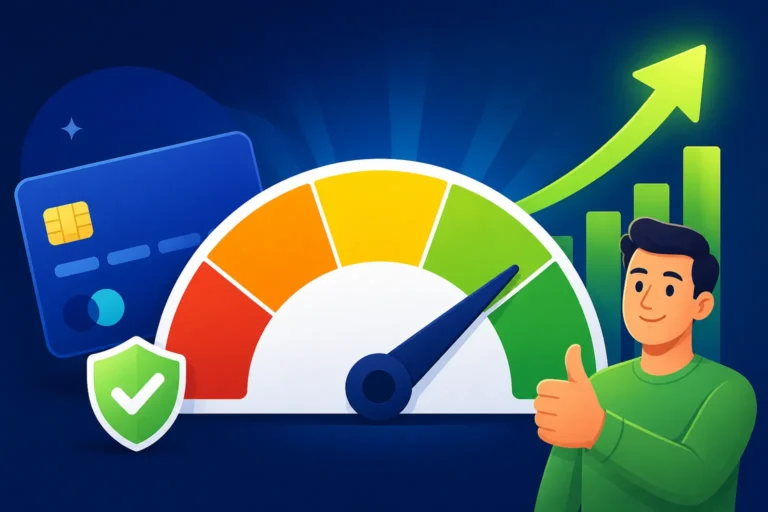
Let's cut straight to it: checking your own credit score through personal financial tools and services is a soft inquiry and absolutely does not hurt your credit score. This is one of the most important pieces of information you can internalize about your credit health. In fact, it's not just harmless; it's incredibly beneficial. Regularly checking your score is a smart, proactive step in managing your finances, not a reckless one. It empowers you to stay on top of your financial picture, catch potential errors, and see how your financial habits are truly impacting your score.
Think of it this way: your credit score is like a financial report card. Would you avoid looking at your kid's report card because you're afraid it'll somehow lower their grades? Of course not! You'd look at it to understand their performance, celebrate successes, and identify areas for improvement. The same logic applies here. Services like Credit Karma, various banking apps, and even certain credit-building platforms like Credit Strong provide access to your scores and reports using soft inquiries precisely because they want to encourage responsible monitoring. They know that an informed consumer is a more financially stable consumer. So, go ahead and check; you're doing yourself a favor.
Where and How to Safely Check Your Credit Score
Now that we've debunked the myth, you might be wondering, "Okay, so where can I actually check my score without worrying?" The good news is, there are plenty of legitimate, safe, and often free ways to do it. You don't need to pay an arm and a leg or sign up for shady services.
Free Credit Score Providers
The landscape of free credit score providers has expanded significantly over the past decade, making it easier than ever to keep tabs on your credit. Many popular platforms offer free access to one or more of your credit scores, and they do so using a soft inquiry. This means you can check as often as you like without any impact on your score.
Some of the most well-known services include:
- Credit Karma: Provides free VantageScore 3.0 scores from TransUnion and Equifax, along with monitoring and insights.
- Experian, TransUnion, and Equifax: The three major credit bureaus themselves often offer free access to your FICO Score or VantageScore, typically tied to a free account on their website or app. For example, Experian allows you to check your FICO Score 8.
- Credit Card Issuers and Banks: Many banks and credit card companies now offer free credit score access to their customers as a perk. Check your online banking portal or credit card statement; you might find it right there. Capital One's CreditWise, Chase Credit Journey, and Discover's Credit Scorecard are great examples.
- Credit-Building Platforms: Services designed to help you build or improve credit, like Credit Strong, often include free credit score tracking as part of their offerings. They understand that transparency is key to building financial confidence and usually provide clear dashboards showing your progress without ever generating a hard inquiry for your own viewing.
These services pull your information using a soft inquiry, meaning they simply access your existing credit file to generate a score for your personal viewing. This is completely different from a lender pulling your report to make a lending decision.
Annual Credit Report and Bureau Websites
Beyond just your score, it's equally important to examine your full credit report. While your score is a snapshot, your report provides the detailed history of your credit accounts, payment performance, and any public records.
The official, federally mandated website for obtaining your free credit reports is AnnualCreditReport.com. This site allows you to get a free copy of your credit report from each of the three major bureaus—Equifax, Experian, and TransUnion—once every 12 months. During the COVID-19 pandemic, access was expanded to weekly, and that enhanced frequency has been extended. It's a goldmine of information, and checking these reports is a soft inquiry, so no harm done! It’s highly recommended that you check all three, because sometimes your information can be different on each. You might be surprised to learn that Why Are My 3 Credit Reports Different?, so a thorough review is always best.
When you access your reports through AnnualCreditReport.com, you're getting the raw data that feeds into your scores. This is where you can truly dig deep into your credit history, verify account information, and spot any discrepancies. While the site itself doesn't provide a score, knowing how to interpret these reports is vital for maintaining a healthy credit profile. To help illustrate the differences between these various methods, here's a quick comparison:
| Feature | Free Credit Score Providers (e.g., Credit Karma, Bank Apps, Credit Strong) | AnnualCreditReport.com | Direct Bureau Websites (Paid Score) |
|---|---|---|---|
| Inquiry Type | Soft Inquiry | Soft Inquiry | Soft Inquiry |
| Cost | Free | Free | Often Paid Subscription |
| What it Shows | Credit Score (VantageScore or specific FICO version), sometimes simplified report details, monitoring alerts. | Full Credit Report (no score) | Specific FICO Score, detailed report. |
| Frequency | Often daily, weekly, or monthly | At least once every 12 months per bureau (currently weekly) | Varies by subscription |
| Impact on Score | None | None | None |
| Primary Purpose | Personal monitoring, general credit health overview, credit building progress. | Detailed historical record review, error checking. | In-depth score analysis, advanced monitoring. |
Keep in mind that while you can sometimes pay for scores directly from the credit bureaus, even those paid services typically generate a soft inquiry when you're checking your own score for your personal use. The key distinction isn't whether it costs money, but whether you are initiating an application for new credit with a lender.
Why Regular Credit Score Monitoring is Crucial
Ignoring your credit score is a bit like ignoring your car's check engine light—it might seem fine for a while, but eventually, a small problem can become a major headache. Regularly checking your credit score and report isn't just a good habit; it's an essential part of responsible financial management.
Spotting Errors and Fraud Early
Credit reports are not infallible. Despite best efforts, errors can creep in. This could be anything from a misreported late payment to an account that doesn't belong to you at all. Left unchecked, these errors can drag down your score, potentially costing you higher interest rates on loans or even outright denial of credit. Imagine applying for a mortgage only to find out an old, incorrect collection account is holding you back – that's a frustration no one needs! By regularly reviewing your credit report (which you can do for free at AnnualCreditReport.com), you can catch these mistakes early and take action. If you find something fishy, knowing How to Dispute Credit Report Errors Step-by-Step is your next move.
Beyond simple errors, monitoring your credit is your front-line defense against identity theft. If a fraudster opens an account in your name, it will eventually appear on your credit report. Regular checks, especially through services that offer credit monitoring alerts, can flag suspicious activity almost immediately. The faster you catch it, the easier it is to mitigate the damage and protect your financial future. These monitoring services, like those often provided by companies such as Credit Strong, can send you notifications when new accounts are opened or significant changes occur, giving you peace of mind and an early warning system.
Tracking Progress and Understanding Impact
Building good credit doesn't happen overnight; it's a marathon, not a sprint. Regular monitoring allows you to see the tangible results of your efforts. Did your score jump after you paid down a significant portion of your credit card debt? Did it dip slightly after you opened a new account? Seeing these movements helps you understand the direct impact of your financial decisions, reinforcing good habits and highlighting areas where you might need to adjust.
This continuous feedback loop is invaluable for anyone on a credit-building journey. For instance, if you're actively working to improve your score, like many individuals who seek to learn How to Raise Your Credit Score Step-by-Step, monitoring helps you confirm that your strategies are actually working. It keeps you motivated and informed, transforming what can feel like an abstract goal into a concrete, trackable objective.
Preparing for Major Financial Steps
Life is full of big financial milestones: buying a house, purchasing a car, renting an apartment, or even starting a business. In almost every one of these scenarios, your credit score will play a significant role. Knowing your credit score before you apply for a major loan gives you a huge advantage.
If you know you'll be applying for a mortgage in the next year, for example, regularly checking your score allows you to identify any issues and work on improving it well in advance. This proactive approach can mean the difference between getting approved for the best interest rates versus settling for less favorable terms (or being denied altogether). Imagine knowing What Credit Score Do You Need to Buy a House? or What Credit Score Do You Need to Rent an Apartment? and then having the time to get your score to that optimal range. Being prepared means less stress, potentially significant savings over the life of a loan, and greater confidence when you walk into a lender's office.
How Hard Inquiries Actually Impact Your Score (and How to Mitigate It)
While checking your own score is harmless, we can't ignore the actual impact of hard inquiries. It's important to understand how they work, so you can make informed decisions about when and how to apply for new credit.
The Real Impact of a Hard Pull
When a lender performs a hard inquiry, it signals to credit scoring models that you're taking on more potential debt. This is usually seen as a slight increase in risk, leading to a small, temporary dip in your credit score. Typically, one hard inquiry might reduce your FICO Score by a modest 1 to 5 points. While it's not a catastrophic drop, it's still a drop, and it will remain on your credit report for up to two years, though its actual impact on your score usually fades after a few months. Understanding How Many Points Is a Hard Inquiry Worth? can help you put this into perspective.
The impact isn't just about the immediate point drop. Multiple hard inquiries in a short period can be a red flag. If lenders see several inquiries for different types of credit (say, a car loan, a credit card, and a personal loan) within a few weeks, it might suggest financial distress or an attempt to quickly accumulate a lot of debt. This perceived risk can lead to credit denials or offers with higher interest rates. It also affects the "new credit" factor in your score, which typically accounts for about 10% of your overall score.
"Rate Shopping" and How It's Treated
Here's where things get a little nuanced, and it's a crucial point for anyone planning a major purchase like a car or a home. Credit scoring models, like FICO and VantageScore, understand that consumers often "rate shop" for the best loan terms. They realize you're not trying to open multiple mortgages; you're just looking for one mortgage with the most favorable rate.
To account for this, these models have special rules. If you apply for multiple auto loans, mortgages, or student loans within a specific timeframe (often 14 to 45 days, depending on the scoring model), they are typically treated as a single hard inquiry for scoring purposes. This "deduplication" period allows you to compare offers from different lenders without being penalized for each individual inquiry. For other types of credit, like credit cards, this rule generally doesn't apply, and each application will likely be treated as a separate hard inquiry. It's wise to understand the differences in how various scoring models work, so checking out resources on FICO Score vs VantageScore What's the Difference? can be very insightful.
Minimizing the Damage of Necessary Hard Inquiries
Since some hard inquiries are unavoidable when you need new credit, the key is to be strategic about them. Here's how you can minimize their impact:
- Plan Your Applications: Don't apply for credit impulsively. If you know you'll need a new credit card or a loan, take the time to research and ensure you meet the eligibility criteria before applying. This reduces the chance of unnecessary denials that lead to wasted hard inquiries.
- Utilize Pre-Qualification/Pre-Approval: Many lenders offer pre-qualification or pre-approval processes that use a soft inquiry. This allows you to see your likelihood of approval and get an idea of potential rates without any impact on your score. Only proceed to the full application (which triggers a hard inquiry) once you're confident in your chances.
- Group "Rate Shopping" Inquiries: For mortgages and auto loans, try to do all your rate shopping within a focused 14-to-45-day window. This way, the scoring models will likely count them as a single inquiry, saving your score from multiple hits.
- Maintain Good Credit Habits: The best defense against the minor impact of hard inquiries is a strong overall credit profile. If your payment history is excellent, your credit utilization is low, and you have a good credit mix, a few points from a hard inquiry will be easily absorbed and quickly recover. Tools like Credit Strong can help you establish these foundational good habits, setting you up for success when you do need to apply for new credit.
Beyond the Score: Why Your Full Credit Report Matters Too
While your credit score is a convenient snapshot of your creditworthiness, it’s like a book cover without the story. To truly understand your financial narrative, you need to delve into the pages of your full credit report. This is where the real details lie, and overlooking them can be a costly mistake.
What Your Report Reveals That Your Score Doesn't
Your credit score is a three-digit number derived from the information within your credit report. It’s an algorithm’s interpretation, but it doesn’t show you why your score is what it is. Your credit report, on the other hand, breaks down every single piece of information that contributes to that score. It lists every credit account you’ve ever had, from credit cards and auto loans to mortgages and student loans. For each account, you’ll see the opening date, credit limit or original loan amount, current balance, and, critically, your payment history—whether payments were made on time, late, or missed entirely.
Furthermore, your report details public records like bankruptcies or foreclosures, any collection accounts, and even lists past addresses and employers. It's a comprehensive dossier of your financial life. A score might tell you that your payment history is "good," but the report will show you exactly which payments were on time for which accounts and if there was ever a 30, 60, or 90-day late payment. Understanding How to Read Your Credit Report 2026 Guide is truly foundational for anyone serious about mastering their financial health. It’s the difference between hearing a doctor say "you're healthy" and seeing all your test results and medical history yourself.
How to Get Your Free Credit Reports Annually
As discussed, AnnualCreditReport.com is the singular, government-authorized source for your free credit reports from Equifax, Experian, and TransUnion. You are legally entitled to at least one free report from each bureau every 12 months, and currently, you can access them weekly due to extended pandemic relief measures. This is not the site that gives you a score (though some of the bureaus might try to upsell you one), but it gives you the raw data that forms your score.
It's highly recommended that you take advantage of this free access. Don't just check one report; check all three. It’s a common misconception that all three bureaus will have identical information, but that's often not the case. Lenders don't always report to all three bureaus, or they might report at different times, leading to discrepancies. This is why you might find that Why Are My 3 Credit Reports Different?. Regularly reviewing each report for accuracy, outdated information, or signs of fraud is one of the most powerful things you can do to protect and improve your credit. Treat it as an annual financial check-up, a crucial step that complements the regular monitoring of your credit score.
Disclaimer
The information provided in this guide is for general informational purposes only and does not constitute financial, legal, or credit advice. While we strive to provide accurate and up-to-date content, credit laws and practices can change. Always consult with a qualified financial professional or credit counselor for advice tailored to your specific situation.