Why Did My Credit Score Drop After Closing a Credit Card?
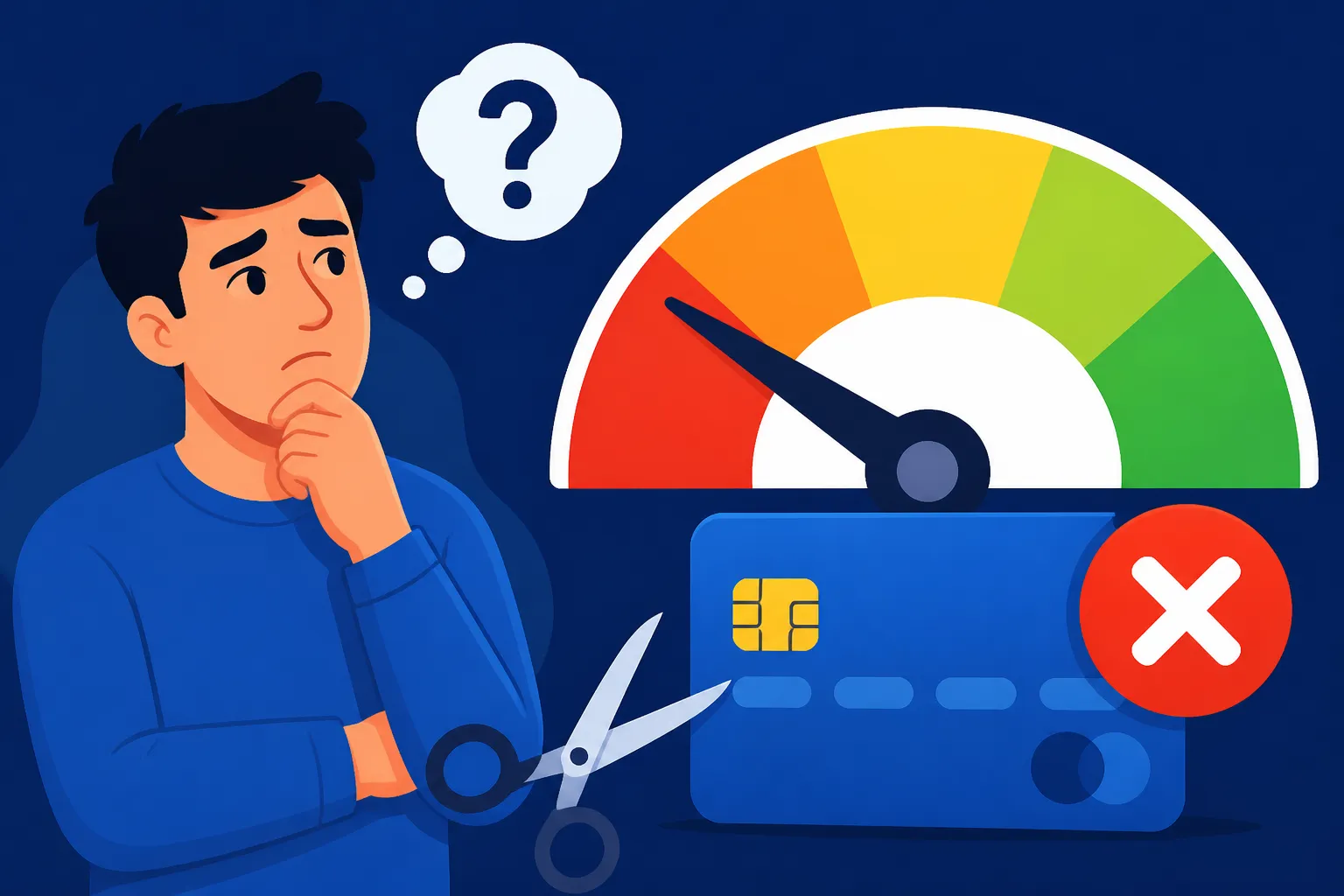
It’s a truly perplexing and often frustrating experience: you decide to be responsible, tidy up your finances, and close a credit card you no longer use, only to see your credit score take an unexpected hit. You thought you were doing the right thing, maybe even simplifying your financial life, but the numbers tell a different story. This guide is here to unravel that mystery, explaining exactly why your credit score might drop after closing a credit card and what you can do about it.
The Interconnected Web of Credit Score Factors
First off, let’s talk about why closing a credit card isn't always the straightforward positive move you might assume it is for your credit score. Your credit score isn't just about debt; it's a complex calculation that considers several factors, and closing an account can impact a few of them in ways you might not immediately realize. It’s like pulling one thread in a carefully woven tapestry – seemingly small, but it can affect the whole picture.
When you decide to close a credit card, you’re not just saying goodbye to a piece of plastic; you’re altering your entire credit profile, which lenders use to assess your trustworthiness. The major credit scoring models, like FICO and VantageScore, look at your payment history, the amount of debt you owe, the length of your credit history, how much new credit you’ve applied for, and the types of credit you use. Closing a card can throw a wrench into the delicate balance of these elements, often without you even realizing the potential repercussions until the score drops. Understanding How Credit Scores Work: The Complete Guide is crucial here, as it lays the foundation for why certain actions have certain effects.
Many people think that fewer credit cards automatically equals a better score, but that's not always true. Credit scores reward responsible credit use over time, and simply reducing your active accounts doesn't automatically signal improved financial health to the algorithms. In fact, it can sometimes be interpreted as reducing your overall credit capacity, which has its own set of consequences we’ll dive into.
Understanding the Impact on Your Credit Utilization Ratio
One of the most immediate and significant reasons your credit score can drop after closing a credit card is its effect on your credit utilization ratio. This is a big one, often overlooked, and it accounts for about 30% of your FICO Score.
How Credit Utilization is Calculated
Your credit utilization ratio is essentially how much credit you're currently using compared to your total available credit. It's calculated by taking your total outstanding credit card balances and dividing them by your total credit limits across all your revolving accounts. For example, if you have two credit cards, each with a $5,000 limit, and you carry a $1,000 balance on one and a $500 balance on the other, your total credit limit is $10,000, and your total balance is $1,500. Your utilization would be $1,500 / $10,000 = 15%. This is generally considered quite good, as keeping your utilization below 30% is a common recommendation, and below 10% is often ideal. For a deeper dive, check out Credit Utilization: The Complete Guide.
The Domino Effect of Closing a Card
When you close a credit card, you don't just eliminate its balance (assuming you paid it off before closing, which is smart); you also eliminate its credit limit from your total available credit. Let’s revisit our example: you have two cards, both with $5,000 limits, total available credit of $10,000, and a combined balance of $1,500, giving you 15% utilization. Now, imagine you close one of those cards, let's say the one with no balance. Your total available credit immediately drops from $10,000 to $5,000 (the limit of your remaining card). Your $1,500 balance remains the same, but now your utilization jumps to $1,500 / $5,000 = 30%.
See how that works? Even if you paid off the card you closed, the loss of its limit can cause your utilization on your remaining cards to suddenly spike relative to your new, lower total credit limit. A higher utilization ratio signals to lenders that you might be relying too heavily on credit, even if your actual debt amount hasn't changed. This perceived increase in risk is a major trigger for a credit score drop. It's one of the primary reasons Why Did My Credit Score Drop? Common Reasons often includes changes to credit limits or closed accounts.
This impact can be even more pronounced if the closed card had a high credit limit, as its removal significantly shrinks your overall credit capacity. It’s not just about what you owe, but also about the potential credit you could use.
How Closing a Card Affects Your Credit History and Mix
Beyond utilization, closing a credit card can also affect two other crucial components of your credit score: the length of your credit history and your credit mix. These factors might not cause an immediate dramatic dip like utilization, but their long-term effects are just as important.
The Length of Your Credit History
The length of your credit history accounts for about 15% of your FICO Score. Lenders like to see a long history of responsible credit use because it gives them more data points to assess your reliability. This factor considers two main things: the age of your oldest account and the average age of all your accounts.
When you close a credit card, especially an old one you’ve had for a very long time, you might think it immediately disappears from your report. However, negative information like a closed account in good standing usually stays on your credit report for up to 10 years after the account is closed. The good news is that as long as it remains on your report, it will continue to contribute to the length of your credit history calculation. The problem usually arises down the road. If that closed account was one of your oldest, once it eventually drops off your report after a decade, your average age of accounts could decrease, leading to a score dip then.
For instance, if you have a card you opened 15 years ago, and then a few newer cards, closing that 15-year-old card now won't instantly reduce your average age. But in 10 years, when that card falls off your report, your average age will suddenly decrease, impacting your score. This is why financial advisors often recommend keeping your oldest accounts open, even if you rarely use them, just to preserve that long history. Consider this a crucial aspect of Credit Age: How Length of History Affects Your Score.
Your Credit Mix
Your credit mix, while only accounting for about 10% of your FICO Score, still plays a role. Lenders prefer to see that you can responsibly manage different types of credit, not just credit cards. This typically means a healthy mix of revolving credit (like credit cards) and installment credit (like auto loans, mortgages, or personal loans).
If the credit card you closed was one of only a few revolving accounts you had, or if it significantly altered the balance between your revolving and installment debts, it could negatively impact your credit mix. For someone just starting out, or someone who primarily used credit cards, losing one account might make their credit profile look less diverse. While this impact is usually less severe than utilization, it’s still a piece of the puzzle. If you're looking to diversify your credit, exploring options like Credit Builder Loans Explained (Self, Kikoff & More) could be beneficial. Many find that a well-rounded portfolio, perhaps including a loan from a provider like Credit Strong, demonstrates broader financial responsibility.
Table: How Closing a Credit Card Impacts Key Score Factors
Let’s put it into a clear, simple table to illustrate the potential impact of closing a credit card on the major credit score components.
| Credit Score Factor | Typical Percentage of FICO Score | Potential Impact of Closing a Credit Card | Why It Matters |
|---|---|---|---|
| Payment History | 35% | No direct negative impact if account was in good standing; continues to report for 10 years. | Consistent on-time payments are the foundation of good credit. Closing an account doesn't erase past good behavior. |
| Credit Utilization | 30% | Significant negative impact. Reduces total available credit, potentially increasing your ratio on remaining cards. | High utilization signals higher risk to lenders, indicating you might be over-reliant on credit. |
| Length of Credit History | 15% | Potential long-term negative impact. Once the closed account drops off (up to 10 years), average age of accounts may decrease. | Lenders prefer a long history of responsible credit use, as it provides more data points for assessment. |
| Credit Mix | 10% | Minor negative impact. Could reduce the diversity of your credit accounts, especially if you have few other revolving lines. | A mix of revolving and installment credit shows you can manage different types of debt, indicating financial versatility. |
| New Credit | 10% | No direct impact from closing a card. | Frequent new credit applications (hard inquiries) can suggest financial distress and slightly lower your score temporarily. |
As you can see, credit utilization is the big one that usually causes the immediate headache, while credit history impacts can sneak up on you over time.
Mitigating the Damage and Rebuilding Your Score
So, you've closed a card, and your score has dipped. Don't panic! It's not a permanent sentence. There are absolutely steps you can take to mitigate the damage and work towards How to Raise Your Credit Score (Step-by-Step).
Keep Other Accounts Active and Low-Balance
The most crucial step is to be extra vigilant with your remaining credit accounts. If your credit utilization ratio jumped because you closed a card, your immediate goal should be to lower it. This means:
- Pay down balances aggressively: Focus on paying off as much as you can on your active credit cards. This directly reduces your total outstanding balance and, in turn, your utilization.
- Make multiple payments per month: Instead of waiting for the statement due date, try to make smaller payments throughout the month. This can help keep your reported balance low, especially if your credit card issuer reports your balance mid-cycle.
- Keep usage low: For any cards you do use, try to keep your spending well below 30% of the limit, aiming for under 10% if possible.
By actively managing your existing credit and demonstrating responsible behavior, you send a clear signal to the credit bureaus that you're in control. This proactive approach can help offset the negative impact of the closed account relatively quickly.
Consider Other Credit-Building Tools
If you find that closing a card has severely limited your available credit or made your credit profile look thin, you might consider other credit-building tools. For example, a secured credit card like the Secured Credit Cards: How They Build Credit can be a great way to add a new line of revolving credit without much risk, as it requires a deposit.
Another excellent option is a credit-builder loan. Products from companies like Credit Strong are specifically designed to help people establish or rebuild their credit history by making small, regular payments that are reported to all three major credit bureaus. You essentially make payments into a savings account, and once the loan term is up, you get access to the funds. It's a fantastic way to add positive payment history and diversify your credit mix with an installment loan. Many people find these types of loans, sometimes from providers like Credit Strong, invaluable for showing consistent financial responsibility.
Review Your Credit Reports Regularly
It's always a good practice to regularly check your credit reports from Equifax, Experian, and TransUnion. After closing an account, it's even more important to ensure that the account is correctly reported as "closed by consumer" and that no inaccurate information pops up. You can get your free credit reports at AnnualCreditReport.com. Staying on top of what's on your report helps you catch any errors that could further impact your score and helps you monitor your progress as you work to rebuild. Understanding How to Read Your Credit Report (2026 Guide) can empower you to identify any discrepancies.
Patience is a Virtue
Credit repair and rebuilding take time. While the drop might be immediate, the recovery won't happen overnight. It typically takes a few months to see significant improvement in your score after negative events, provided you are consistently practicing good credit habits. Factors like payment history, which makes up 35% of your score, steadily build positive influence over time. How Long Does It Take to Improve Your Credit Score? is a good resource to set realistic expectations.
It’s crucial to remember that closing a credit card isn’t inherently bad, especially if it was an account causing you stress or high fees. But understanding how it affects your credit score allows you to make informed decisions and take proactive steps to minimize any negative impact and get your score back on track.
Disclaimer
This article is for general informational purposes only and does not constitute professional advice. Laws, prices and regulations vary by location and change over time. Consult a qualified professional for guidance on your specific situation.