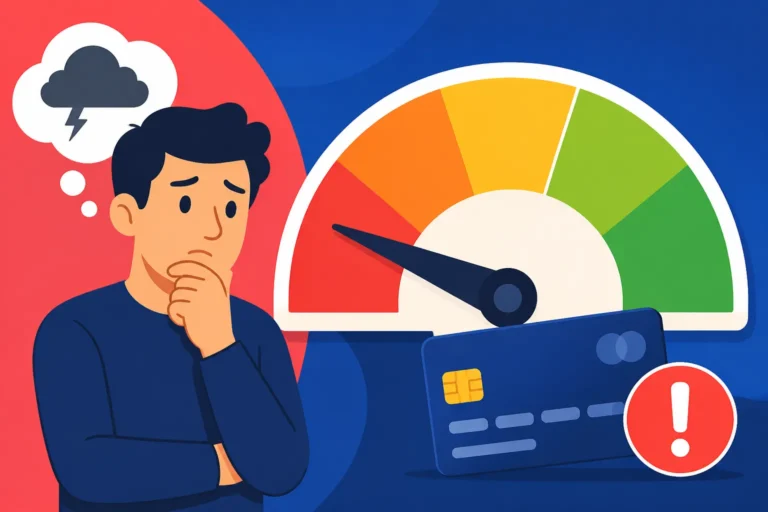
How to Raise Your Credit Score From 500 to 600
It's incredibly frustrating to see your credit score hovering around the 500 mark. You feel stuck, like you're constantly hitting brick walls when you try to get ahead financially, whether it's for a new apartment, a car, or even just a decent interest rate on a loan. This guide is here to tell you that you're not alone, and more importantly, that you absolutely can turn things around. We're going to walk through practical, actionable steps to help you raise your credit score from 500 to 600 and beyond, setting you on a path to a much healthier financial future.
Understanding Your Starting Point: What a 500 Credit Score Means
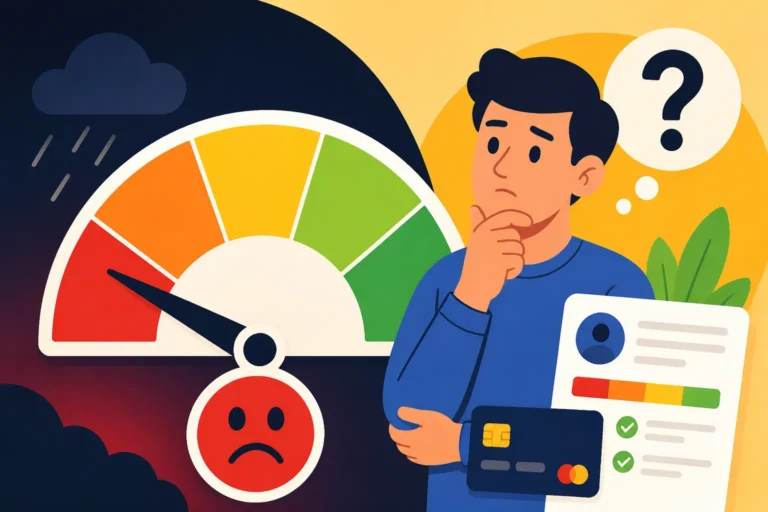
When your credit score sits around 500, it falls squarely into the "poor" category for both FICO and VantageScore models. This isn't just a number; it's a gatekeeper that can make everyday financial tasks significantly more challenging and expensive. It often feels like you're being penalized for past mistakes, making it hard to move forward, and that feeling is completely valid.
The Harsh Realities of a 500 Score
Let's be real about what a 500 credit score means for your daily life. Lenders view scores in this range as a high risk, and because of that, they're often reluctant to extend credit to you at all. If you do get approved for something, say a personal loan or a new credit card, the interest rates will be sky-high. We're talking about annual percentage rates (APRs) that can eat up a huge chunk of your payments, making it incredibly difficult to pay off debt. You might find yourself needing a co-signer for loans, or facing outright denials for things like car loans, mortgages, or even certain rental agreements.
Beyond loans and credit cards, a low score can impact other areas. Landlords often check credit as part of their screening process, and a 500 score could mean you'll be asked for a larger security deposit or simply passed over for another applicant. Utility companies might require significant deposits before they'll turn on your power or water. Even some employers, especially those in financial or security-sensitive roles, check credit as part of their background checks. It’s a frustrating cycle, where having a low score makes it harder to save money and improve your financial situation, but understanding these hurdles is the first step to overcoming them.
Key Factors Contributing to a Low Score
A 500 credit score doesn't usually happen overnight; it's typically the result of several negative marks accumulating over time. The biggest culprits often include a history of late payments, which are absolute poison to your score because payment history is the most significant factor (about 35% of your FICO score). Just one payment that's 30, 60, or 90 days past due can send your score plummeting.
Another major factor is high credit utilization. This is how much credit you're using compared to your total available credit. If you have a credit card with a $1,000 limit and you owe $900 on it, your utilization is 90% – far too high. Lenders prefer to see utilization below 30%, ideally even lower, because high utilization signals that you might be over-reliant on credit and struggling financially. Collections, charge-offs, bankruptcies, or repossessions also leave deep, long-lasting scars on your credit report, staying there for years and making it incredibly difficult to secure new credit. Sometimes, a limited credit history can also keep scores low, as lenders have less information to assess your reliability.
Immediate Actions to Start Your Credit Score Climb
The good news is that you can start taking steps right now to begin improving your credit score. It won't happen overnight, but consistent effort in these areas will yield results. Think of it as laying the groundwork for a stronger financial future.
Get Your Free Credit Reports and Spot Errors
The absolute first thing you need to do is get your hands on your credit reports from all three major bureaus: Equifax, Experian, and TransUnion. You're legally entitled to one free report from each bureau every 12 months, and you can access them all through AnnualCreditReport.com. Don't skip this step – these reports are the blueprint of your financial history, and they hold the key to understanding why your score is where it is.
Once you have them, read every single line meticulously. Look for any accounts you don't recognize, incorrect balances, outdated information, or even accounts that show you as the owner but aren't yours. Identity theft is sadly common, and even simple data entry errors can wreak havoc on your score. If you find anything that looks inaccurate or unfamiliar, you need to dispute it right away. This can be a huge boost to your score, especially if it removes a significant negative mark. The process for how to dispute credit report errors (step-by-step) can seem daunting, but it's a critical step toward cleaning up your file. You'll submit disputes directly to the credit bureaus, often with supporting documentation, and they're legally obligated to investigate within a certain timeframe.
Tackle Late Payments and Collections Strategically
Late payments and collections are major score destroyers, but you're not powerless against them. For recent late payments, especially if it's an isolated incident and you usually pay on time, consider sending a goodwill letter. This is a polite request to the creditor to remove the late payment from your report as a gesture of goodwill, especially if you've been a good customer otherwise. While it's not guaranteed to work, it's definitely worth a try. You can find templates and tips on what is a goodwill letter and does it work?
When it comes to collections, the strategy can be more complex. First, verify the debt. You have a right to request debt validation to ensure the debt is legitimate and accurate. If it's old debt nearing the end of its reporting period (typically seven years), it might be better to let it age off rather than paying and potentially resetting the clock. However, if the collection account is recent and valid, negotiating a "pay-for-delete" agreement might be an option. This is where you offer to pay the debt (or a portion of it) in exchange for the collection agency agreeing to remove the item from your credit report. This can be a game-changer for your score, as how to remove collections from your credit report is a question many people struggle with. Be sure to get any such agreement in writing before making a payment.
Drastically Reduce Credit Utilization
Your credit utilization ratio is the second most important factor in your credit score, making up about 30% of your FICO score. If your score is 500, it's highly likely your utilization is way too high. To put it simply, if you have a credit card with a $2,000 limit and you owe $1,800 on it, your utilization is 90%. Lenders want to see this ratio below 30%, and ideally even below 10%, to consider you a responsible borrower. Reducing this ratio will almost certainly give your score a quick lift.
Start by focusing intensely on paying down your credit card balances. Even if you can only make small extra payments, every little bit helps. If you have multiple cards, prioritize paying down the one with the highest balance relative to its limit, or the one with the highest interest rate. You might also consider making multiple payments throughout the month rather than just one large payment at the end. This ensures that when your creditor reports your balance to the credit bureaus, it shows a lower utilization. For more details on how much of your credit limit should you use?, it’s worth diving into. Another strategy, if you're approved, is to ask for a credit limit increase on an existing card. If your limit goes up but your balance stays the same, your utilization ratio drops instantly. Just be sure not to start spending more if your limit increases!
Building a Positive Credit History (The Long Game to 600 and Beyond)
Once you've addressed immediate issues, the next phase is about consistently building a positive credit history. This is where you proactively add good payment behavior to your report, showing lenders that you can manage credit responsibly.
Consider a Secured Credit Card
For someone with a 500 credit score, getting approved for a traditional, unsecured credit card can be extremely difficult. That's where secured credit cards come in. These cards require a cash deposit, which typically becomes your credit limit. For example, if you deposit $300, your credit limit is $300. This deposit acts as collateral, reducing the risk for the lender, which is why they are more accessible to individuals with lower credit scores.
The magic of a secured credit card is that it reports your payment activity to the credit bureaus, just like a regular credit card. By using it responsibly – making small purchases you can afford to pay off in full every single month – you start building a positive payment history. It's crucial to keep your utilization low on this card, just like any other. If your limit is $300, try to keep your balance below $30. After 6 to 12 months of consistent, on-time payments, many secured card issuers will even convert your card to an unsecured one and refund your deposit. Learning more about secured credit cards and how they build credit can really pave the way for a healthier financial profile.
Explore Credit Builder Loans
Credit builder loans are a fantastic tool for establishing or rebuilding credit, and they work a little differently than traditional loans. Instead of receiving the money upfront, the loan amount is held in a locked savings account or certificate of deposit (CD) by the financial institution. You then make regular, on-time payments, typically over 6 to 24 months. Each payment you make is reported to the credit bureaus, building positive payment history.
Once you've successfully paid off the entire loan, you receive the money that was held in the account. It's essentially a forced savings plan that also helps your credit. Brands like Credit Strong specialize in these types of products, providing a structured way for individuals to demonstrate financial responsibility without needing prior good credit. These loans are designed to be low-risk for both you and the lender, making them an excellent stepping stone when your score is in the 500s. They are also useful because they add a different type of credit to your report (an installment loan), which diversifies your credit mix – a factor that contributes to your score. The overall concept of credit builder loans explained (Self, Kikoff & More) is something worth understanding deeply if you're looking to elevate your score.
Become an Authorized User Carefully
Another strategy that can sometimes offer a quicker boost to your credit score is becoming an authorized user on someone else's credit card. If you have a trusted family member or friend with excellent credit and a long, positive payment history, they might be willing to add you to one of their accounts. When they do, that account's history (including its low utilization and on-time payments) can then appear on your credit report.
This can instantly add positive data to your credit file, potentially giving your score a lift. However, this strategy comes with significant caveats. First, you need to ensure the primary cardholder is truly responsible. If they miss payments or max out the card, that negative activity will also show up on your report and hurt your score. Second, make sure the card issuer actually reports authorized user activity to the credit bureaus. Not all of them do. And third, while you might get a card with your name on it, it's often best not to use it, to avoid any potential for overspending or disputes with the primary cardholder. Always discuss expectations upfront and understand the benefits and risks of being an authorized user.
Add Alternative Data to Your Report
In recent years, the credit landscape has evolved to recognize more types of financial data beyond traditional loans and credit cards. You might be able to leverage your on-time payments for things like rent and utilities to boost your credit score. Services exist that allow you to report your rent payments to the credit bureaus. Since rent is often your largest monthly expense, consistently paying it on time is a strong indicator of financial responsibility, but it traditionally hasn't appeared on credit reports. Now, through services, your positive rent reporting can be added, helping to build your credit history.
Similarly, some services, like Experian Boost, allow you to connect your bank account to include your on-time utility and cell phone payments in your Experian FICO Score. While this only impacts one of the three bureaus and might not dramatically increase your score, every little bit helps when you're working from a 500 score. These "alternative data" methods are becoming increasingly popular for people with thin credit files or those trying to rebuild. They're a way to give credit bureaus a fuller picture of your financial habits.
Monitoring Progress and Avoiding Pitfalls
As you embark on this journey to improve your credit score, it's not just about taking action; it's also about staying vigilant, monitoring your progress, and steering clear of common traps that can derail your efforts.
Regularly Check Your Credit Score and Reports
Building credit is a marathon, not a sprint, and monitoring your progress is key to staying motivated and catching any new issues early. You should be checking your full credit reports from AnnualCreditReport.com at least once a year, rotating through the three bureaus (e.g., Experian in January, TransUnion in May, Equifax in September) to get a free report every four months. This ensures you're continually reviewing for errors or suspicious activity.
Beyond the full reports, many banks, credit card companies, and financial apps now offer free credit score monitoring, often displaying your FICO Score or VantageScore. Services like Credit Karma provide VantageScores from TransUnion and Equifax, and while not identical to FICO, they give you a good general idea of your credit health and show you specific factors impacting your score. Regularly checking your credit score for free helps you see the impact of your actions and adjust your strategy if needed. It’s immensely satisfying to see those numbers tick up after all your hard work.
Beware of Credit Repair Scams
Unfortunately, where there's financial stress, there are often unscrupulous actors looking to profit. When you're trying to raise your credit score from 500 to 600, you might encounter companies promising instant fixes or guaranteed score increases. Be incredibly wary of any company that tells you not to contact the credit bureaus yourself, asks for an upfront fee before performing any services, or advises you to create a "new" credit identity. These are huge red flags.
Legitimate credit repair companies can help you navigate the dispute process, but they cannot remove accurate negative information from your report. No one can legally guarantee to remove legitimate items from your credit report. Always do your research, check reviews, and understand exactly what services you're paying for. If something sounds too good to be true, it almost certainly is. Knowing how to spot a credit repair scam can save you a lot of money and further frustration.
Understand the Timeframe for Improvement
Patience is crucial when it comes to credit repair. While some quick wins are possible, such as disputing an error or sharply reducing utilization, significant score increases from 500 to 600 typically take time. Negative items like late payments and collections can stay on your report for up to seven years, though their impact diminishes over time. A bankruptcy can linger for up to ten years.
However, the good news is that new, positive information starts to outweigh older negative information fairly quickly. Consistently making on-time payments, keeping your credit utilization low, and managing a mix of credit (like a secured card and a Credit Strong credit builder loan) will build a solid foundation. You might start seeing noticeable increases in your score within 3 to 6 months if you're diligent, but reaching a 600 and then pushing higher towards a "good" credit score can realistically take anywhere from 6 months to a couple of years, depending on the severity of your negative items and your consistent efforts. Understanding how long does credit repair take will help manage expectations and keep you focused on the long-term goal.
Here's a quick overview of some actions and their typical impact:
| Action | Immediate Impact | Long-Term Impact (to 600+) | Key Considerations |
|---|---|---|---|
| Disputing Errors | Medium to High | High | Requires careful review of reports, documentation. |
| Paying Down High Utilization | High | High | Prioritize highest balances, pay frequently. |
| Secured Credit Card | Low (initially) | High | Consistent, low utilization payments are key. Deposit required. |
| Credit Builder Loan | Low (initially) | High | Builds payment history, forced savings. Reputable providers like Credit Strong. |
| Becoming an Authorized User | Medium to High | Medium | Relies on primary user's good habits, not all issuers report. |
| Goodwill Letter for Late Payments | High (if successful) | High (if successful) | Not guaranteed, best for isolated, recent late payments. |
| Pay-for-Delete (Collections) | High (if successful) | High (if successful) | Get it in writing, verify debt first. |
| Rent/Utility Reporting | Low to Medium | Medium | Varies by service and credit bureau model. |
| Avoiding New Debt | N/A | High | Prevents further negative impact. |
Building your credit score from a 500 isn't just about the numbers; it's about regaining control of your financial life. Each positive step you take builds momentum, and before you know it, you'll be well on your way to that 600 mark and beyond. Stay persistent, stay informed, and celebrate every small victory along the way!
Disclaimer
The information provided in this article is for general informational purposes only and does not constitute financial, legal, or credit advice. It is essential to consult with a qualified financial advisor or credit counselor for advice tailored to your specific situation. Credit scores and reporting practices can vary, and individual results may differ.