Is 720 a Good Credit Score?
You've just checked your credit score, and you're staring at a solid 720. It's a number that usually brings a sigh of relief, but also often sparks a nagging question: "Is this actually good good? What does a 720 really unlock, and can I do even better?" This guide will break down exactly what a 720 credit score means for your financial life, from lending opportunities to strategies for pushing it even higher.
Understanding What a 720 Credit Score Means
When you see that 720, it’s a strong signal to lenders that you're a responsible borrower. It puts you squarely in what's considered the "Good" to "Very Good" category across most common scoring models, positioning you favorably for a wide range of financial products. This isn't just a random number; it's a summary of your financial habits, showing how reliably you've managed debt in the past.
The FICO and VantageScore Spectrum
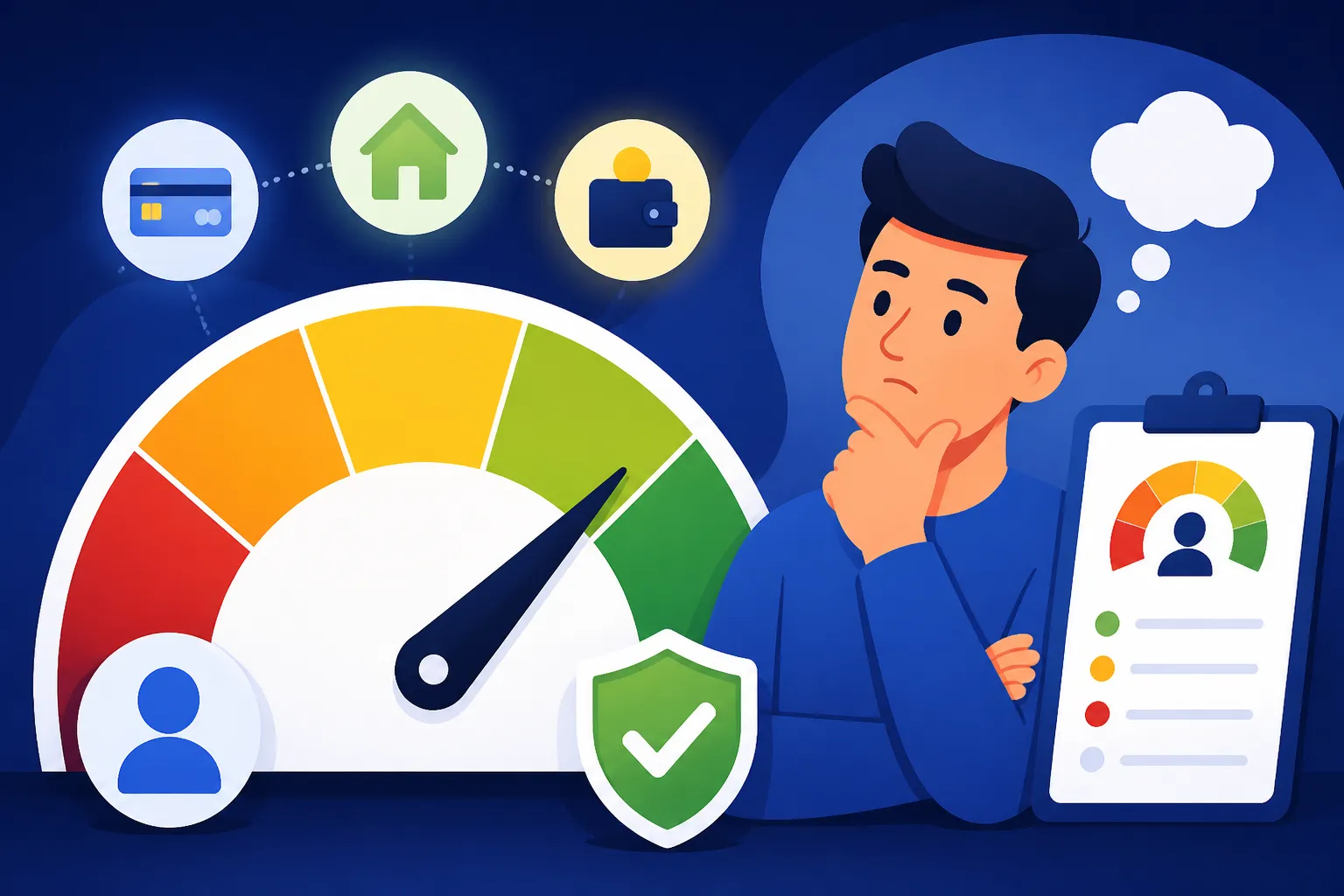
Most lenders primarily use FICO Scores, which range from 300 to 850. Within this spectrum, a 720 is definitely a great place to be. Generally, FICO categorizes scores as follows:
- Exceptional: 800-850
- Very Good: 740-799
- Good: 670-739
- Fair: 580-669
- Poor: 300-579
As you can see, your 720 score sits comfortably in the "Good" range, nearly tipping into "Very Good." While VantageScore, another popular scoring model, uses slightly different ranges, a 720 still places you in a very strong position. Both models reward similar behaviors: making on-time payments, keeping credit utilization low, and having a good mix and length of credit history. It's truly a score that opens many doors.
How a 720 Score Compares to the National Average
When you look at the big picture, a 720 credit score stands out. The average FICO Score in the U.S. currently hovers around 718. So, if your score is 720, you're not just above average; you're doing better than most Americans. This isn't just a bragging right; it directly translates into tangible financial benefits. Lenders are constantly assessing risk, and a score above the national average significantly reduces the perceived risk associated with lending to you.
Being above average means you're more likely to qualify for the best rates and terms on loans and credit cards. You're not just getting approved; you're getting approved for prime rates, saving you potentially thousands of dollars over the lifetime of your loans. This level of trust from lenders is something many people strive for, and your 720 score shows you've achieved it through consistent, positive financial habits.
Unlocking Opportunities with a 720 Credit Score
Having a 720 credit score means you're no longer just scraping by in the credit world. You're now a sought-after borrower, and lenders are ready to offer you their best products. This is where your hard work truly pays off, translating into real savings and greater financial flexibility.
Accessing Prime Lending Products
A 720 credit score makes you eligible for some of the most competitive interest rates and favorable terms on major loans. This is a game-changer when it comes to big-ticket items like homes and cars, and even for more flexible personal loans.
Mortgages: Better Rates and Loan Options
When you're looking to buy a home, your credit score is one of the most critical factors. With a 720, you’re in an excellent position to qualify for conventional mortgages and often receive very competitive interest rates. While some loan types like FHA loans accept lower scores, your 720 will open the door to conventional loan options, which can sometimes come with lower fees or more flexible terms. Imagine saving half a percentage point on a 30-year mortgage – that can literally translate into tens of thousands of dollars saved over the life of the loan. Lenders like Chase, Wells Fargo, and Bank of America often reserve their best rates for borrowers in this score range and above.
It's not just about getting approved; it's about minimizing the cost of borrowing. A higher score means less risk for the lender, which means they're willing to give you a better deal. This significantly impacts your monthly payments and the total amount you'll pay over time, making homeownership more affordable and accessible. You can learn more about what credit score you need to buy a house in our detailed guide.
Auto Loans: Driving Down Your Interest
Similar to mortgages, a 720 score will put you in the driver's seat when negotiating for an auto loan. You'll likely qualify for the lowest advertised interest rates from major banks, credit unions, and even manufacturer financing programs. For instance, a quick check with lenders like Capital One or your local credit union might show rates starting in the low single digits for well-qualified borrowers. A lower interest rate means a lower monthly payment and less money spent overall on your car.
Think about it this way: on a $30,000 car loan over five years, even a 2% difference in interest rate can save you hundreds, if not thousands, of dollars. Instead of paying extra interest, that money can go towards other financial goals, like saving for a down payment on a house or building your emergency fund. Lenders see your 720 and instantly recognize you as a low-risk borrower, eager to offer you favorable terms.
Personal Loans: Flexibility at a Lower Cost
Need to consolidate high-interest credit card debt, finance a home renovation, or cover an unexpected expense? A personal loan can be a great tool, and with a 720 score, you'll find plenty of options with attractive rates. Online lenders like SoFi, Marcus by Goldman Sachs, and LightStream often offer personal loans with APRs starting in the single digits for borrowers with strong credit. This flexibility allows you to manage your finances efficiently, often at a much lower cost than what you'd pay on a typical credit card.
Personal loans can be an excellent way to consolidate debt, allowing you to simplify your payments and potentially save money on interest. For example, if you have multiple credit cards with 20%+ APRs, a personal loan at 8-10% can be a financial lifeline. This strategy can be a core part of how to pay off credit card debt fast.
Credit Card Eligibility and Perks
Beyond loans, a 720 credit score significantly broadens your choices in the world of credit cards, opening up a realm of premium benefits and rewards.
Premium Cards with Amazing Rewards
This is where the fun begins. With a 720 score, you're eligible for top-tier credit cards that offer generous rewards programs, whether you prefer cashback, travel points, or airline miles. You'll likely qualify for cards like the Chase Sapphire Preferred, American Express Gold Card, or various airline co-branded cards that come with significant sign-up bonuses, travel credits, and other luxury perks. These cards can dramatically enhance your spending power and offer genuine value, far beyond what you'd get with a basic card.
These premium cards often come with excellent fraud protection, extended warranties on purchases, and travel insurance benefits, adding an extra layer of security and convenience to your financial life. You can finally start to reap the rewards of your excellent credit habits.
Lower APRs and Higher Credit Limits
Another major benefit is access to credit cards with lower Annual Percentage Rates (APRs). While the goal should always be to pay your balance in full each month to avoid interest entirely, life happens. When you do carry a balance, a lower APR means you'll pay less in interest charges, saving you money. You’ll also likely be approved for higher credit limits, which can be beneficial for your credit utilization ratio. Even if you don't use the full limit, a higher limit means your used balance represents a smaller percentage of your total available credit, which looks great to credit bureaus. This is a key factor in your overall credit score.
Maintaining and Improving Your 720 Credit Score
A 720 credit score is impressive, but it's not a finish line. The goal is always to maintain those excellent habits and, if possible, nudge that score even higher into the "Very Good" or "Exceptional" territory. A strong score can still drop if you aren't diligent, so understanding the underlying factors is crucial.
Key Factors Keeping Your Score Strong
Your 720 score is a result of consistent, positive financial behaviors. To keep it that way, you need to continue focusing on the core components that credit scoring models prioritize. Knowing What Affects Your Credit Score? The 5 Factors is essential.
Payment History: The Foundation of Good Credit
This is, without a doubt, the most important factor in your credit score, accounting for about 35% of your FICO Score. Every on-time payment you make, whether it's for a credit card, a mortgage, an auto loan, or a student loan, reinforces your reliability as a borrower. Lenders want to see a consistent track record of paying your debts as agreed. A single late payment can cause a significant drop in your score, even from a high point like 720.
To maintain your excellent payment history, consider setting up automatic payments for all your bills. This ensures you never miss a due date, even if life gets hectic. Always pay at least the minimum amount due, but ideally, pay your credit card balances in full each month. This consistent behavior is what built your 720 score, and it’s what will keep it strong.
Credit Utilization: Keeping It Low
Your credit utilization ratio, which is the amount of credit you're using compared to your total available credit, is the second most impactful factor, making up about 30% of your FICO Score. To keep your 720 healthy, aim to keep this ratio low, ideally below 30% across all your credit cards, and even better, under 10%. For example, if you have a total credit limit of $10,000 across all your cards, try to keep your combined balance below $3,000, and ideally under $1,000.
High utilization signals to lenders that you might be over-reliant on credit, which can be seen as a risk factor, even if you pay on time. Even if you pay off your cards in full every month, your utilization can still look high if your balance is reported before you make that payment. A common strategy is to pay down your balances mid-cycle, not just once a month, to ensure a lower balance is reported to the credit bureaus. Check out our complete guide on Credit Utilization: The Complete Guide for more in-depth tips.
Length of Credit History: The Benefit of Time
The age of your credit accounts, particularly your oldest one, contributes to about 15% of your FICO Score. Lenders appreciate seeing a long history of responsible credit management because it provides more data points for them to assess your risk. A 720 score often indicates you have a reasonably established credit history. This is why you generally shouldn't close old credit card accounts, even if you don't use them frequently, as doing so can shorten your average account age.
Let those old accounts age gracefully. As long as they don't have annual fees you're unwilling to pay, keeping them open and active (even with a small, occasional purchase that you pay off immediately) is a smart move.
Strategies to Push Your Score Even Higher
While a 720 is fantastic, there's always room for a little growth. If you're aiming for that "Very Good" or "Exceptional" status, a few strategic moves can help.
Diversifying Your Credit Mix Responsibly
Your credit mix (the different types of credit accounts you have, like credit cards, installment loans, and mortgages) makes up about 10% of your FICO Score. Showing you can manage various types of credit responsibly can be a positive signal. However, this isn't an invitation to open new accounts just for the sake of it. Only take on new credit if you genuinely need it and can comfortably afford the payments. If you only have credit cards, perhaps a small personal loan (if needed for another purpose) could positively affect your mix over time.
For those with a solid 720, you might already have a good mix. But if you find yourself with only one type of credit, say just credit cards, a modest installment loan (like a small personal loan or a credit builder loan) could subtly help. Companies like Credit Strong offer credit builder loans that report your on-time payments, helping to diversify your credit mix and add positive payment history. Just ensure any new credit fits your financial goals.
Regularly Checking Your Credit Report for Errors
Even with a great score, errors can happen. It's crucial to regularly review your credit reports from all three major bureaus—Equifax, Experian, and TransUnion. The Fair Credit Reporting Act (FCRA) entitles you to a free report from each bureau annually. You can access these through AnnualCreditReport.com. Look for any inaccuracies, such as accounts you don't recognize, incorrect payment statuses, or outdated personal information.
If you find an error, dispute it immediately. Incorrect information, like a mistakenly reported late payment or an old collection account that should have fallen off, can drag down an otherwise excellent score. Disputing errors is a key step in protecting and even improving your credit. Our guide on How to Read Your Credit Report (2026 Guide) provides a step-by-step walkthrough.
Being Mindful of Hard Inquiries
Each time you apply for new credit (a loan, a new credit card), a "hard inquiry" is typically made on your credit report. This temporarily shaves a few points off your score and stays on your report for two years, though its impact diminishes over time. While a few hard inquiries won't derail a 720 score, too many in a short period can make you appear risky to lenders.
Be strategic about when and how often you apply for new credit. Group your applications if you're rate shopping for a major loan like a mortgage or auto loan, as multiple inquiries within a certain timeframe (usually 14-45 days, depending on the scoring model) often count as a single inquiry for scoring purposes. Understanding How Many Points Is a Hard Inquiry Worth? can help you plan your applications.
Common Misconceptions About a 720 Credit Score
Even when you have a strong score like 720, there are still myths and misunderstandings that can trip you up. It's important to separate fact from fiction to maintain your financial health.
The Myth of "Perfect" Credit
Many people aim for an 850 credit score, believing it's the only way to get the absolute best deals. While an 850 is indeed the highest possible score, the truth is that once you reach the "Very Good" or "Exceptional" range (generally 740 and above), the incremental benefits often diminish significantly. A 720 score already puts you in a position to secure prime rates on most loans and credit cards. Lenders often group scores into tiers, and a 720 typically falls into the same top tier as someone with an 800 for many lending decisions.
For example, the difference in the interest rate you'd receive on a mortgage with a 720 versus an 800 might be negligible, or even non-existent. Lenders are more concerned with reducing their risk, and once your score demonstrates minimal risk, additional points often don't translate into substantially better terms. Focus on maintaining your excellent habits rather than obsessing over every single point.
How Life Events Can Impact Your Score
Even with a stellar 720 score, life happens, and certain events can cause your score to fluctuate. It’s not set in stone, and understanding potential pitfalls can help you navigate unexpected changes. For instance, taking on a large new loan or experiencing an unexpected job loss can affect your score, even if you’ve been responsible for years.
Consider a scenario where you've just closed on a new home with a substantial mortgage. While showing a new installment loan on your report is generally positive long-term, the initial hard inquiry and the new, large debt burden could cause a temporary dip in your score. Similarly, if you were to suddenly max out several credit cards, even if you plan to pay them off quickly, your credit utilization could skyrocket, leading to a temporary drop. Staying vigilant and continuing to monitor your credit is key. Our article on Why Did My Credit Score Drop? Common Reasons elaborates on these common scenarios.
720 Credit Score Benefits Summary
Here's a quick look at what a 720 credit score generally means for you:
| Category | Impact of a 720 Credit Score |
|---|---|
| Loan Eligibility | Excellent chance of approval for most loans (mortgage, auto, personal). |
| Interest Rates | Access to prime interest rates, saving thousands over the loan term. |
| Credit Cards | Eligible for premium rewards cards with high limits and generous benefits. |
| Insurance Premiums | May qualify for better rates on auto and home insurance in some states. |
| Housing | Easier approval for apartment rentals, sometimes with lower security deposits. |
| Financial Flexibility | Greater negotiation power and access to a wider range of financial products. |
| Perceived Trust | Viewed as a highly responsible and reliable borrower by lenders and service providers. |
Disclaimer
The information provided in this article is for general informational purposes only and does not constitute financial, credit, or legal advice. Credit scores and lending decisions are complex and can be influenced by many factors. It is recommended to consult with a qualified financial advisor or credit counselor for advice tailored to your specific situation.