Credit Mix: Does Having Different Loan Types Help?
Many people feel like they're doing everything right with their credit – paying bills on time, keeping balances low – but still scratch their heads wondering why their score isn't quite where they want it. One often-overlooked factor that plays a subtle yet significant role in your financial report card is your credit mix. This comprehensive guide will demystify what credit mix is, how it impacts your score, and how you can strategically manage it to achieve a healthier credit profile.
What Exactly is Credit Mix?
When we talk about "credit mix," we're essentially referring to the variety of credit accounts reported on your credit file. It's not just about how many credit cards you have, but also what other types of loans and credit products you've successfully managed over time. Think of it like a financial portfolio; a diverse set of investments often indicates a more robust and stable financial standing. Similarly, a diverse credit mix suggests to lenders that you're capable of handling different kinds of financial responsibilities.
Defining Credit Mix Beyond Just "Loans"
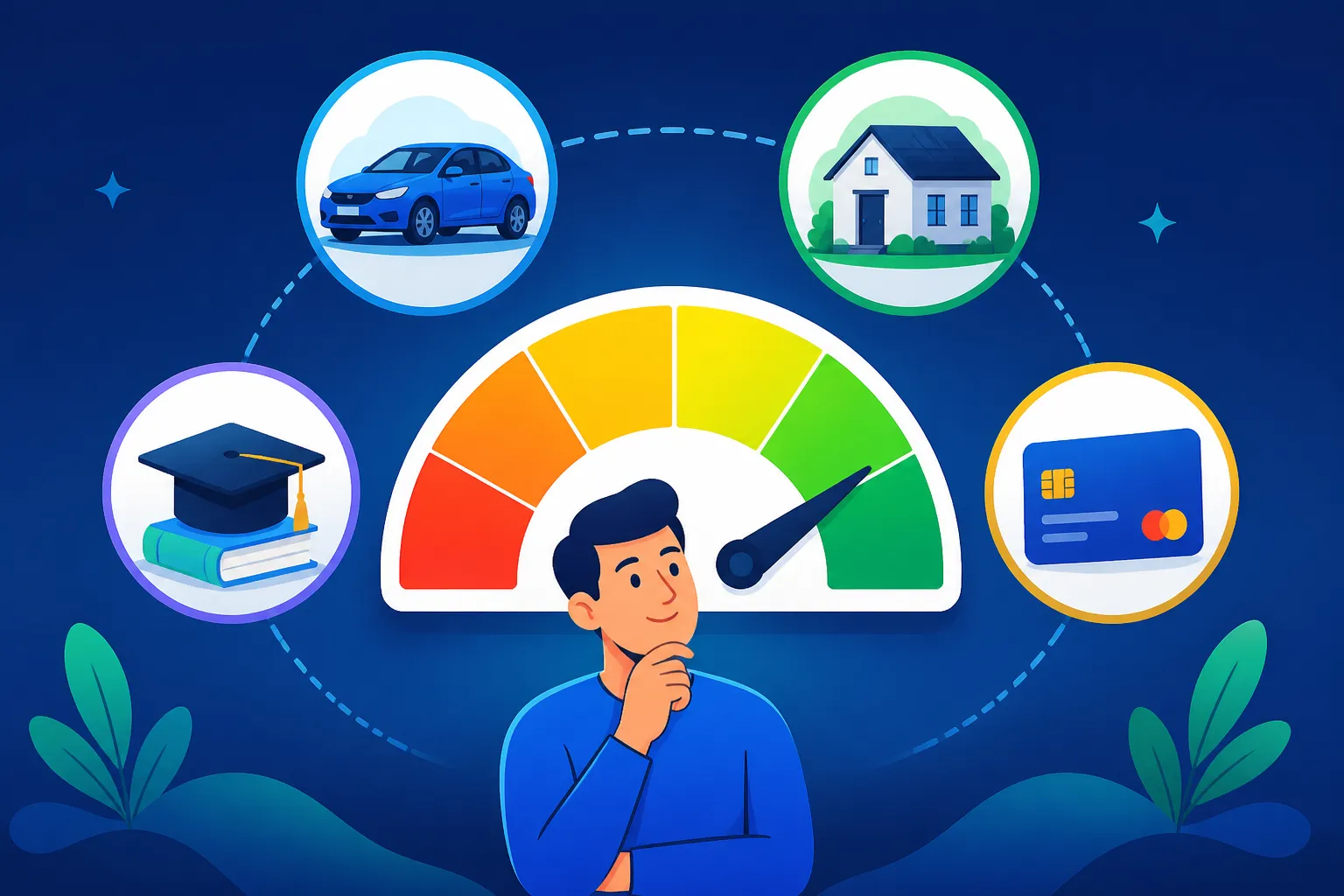
At its core, credit mix encompasses two primary categories: revolving credit and installment credit. Revolving credit is what most people are familiar with – credit cards, lines of credit, and home equity lines of credit (HELOCs). These accounts allow you to borrow up to a certain limit, repay it, and then borrow again. The amount you owe fluctuates month to month, and you make minimum payments while incurring interest on the outstanding balance. Successfully managing these requires consistent payments and judicious use of your available credit, also known as Credit Utilization: The Complete Guide.
Installment credit, on the other hand, involves borrowing a fixed amount of money that you repay in equal, predetermined installments over a set period. Common examples include auto loans, mortgages, student loans, and personal loans. Once you pay off an installment loan, that account is closed. The key difference is that with installment loans, the original loan amount and repayment schedule are fixed, unlike the fluctuating nature of revolving credit. Having a combination of these two types demonstrates a broader financial management skill set.
The Rationale Behind This Scoring Factor
Credit scoring models, like FICO and VantageScore, are designed to predict how likely you are to repay your debts. When a lender sees that you've successfully managed both a credit card and, say, an auto loan, it gives them greater confidence in your ability to handle future credit obligations. It’s like having different types of academic achievements on your resume – not just excelling in one subject, but showing proficiency across a range of disciplines. It tells potential creditors that you're not a one-trick pony when it comes to borrowing.
This factor encourages consumers to gradually expand their credit experience, rather than relying solely on one type of credit. It's not about jumping into debt you can't afford, but rather about strategically adding accounts when appropriate and demonstrating responsible management. For someone just starting to build their financial footprint, understanding How to Build Credit From Scratch (2026 Guide) is crucial, and credit mix will naturally evolve as they add different account types.
Why Does Credit Mix Matter for Your Credit Score?
Credit mix typically accounts for about 10% of your FICO score, which might seem small compared to payment history (35%) or credit utilization (30%). However, that 10% can still make a difference, especially if you're on the cusp of a higher credit score tier. It’s one piece of the puzzle that helps paint a complete picture of your financial responsibility. For example, a lender looking at your profile might see excellent payment history and low utilization, but if you only have one type of credit, they might perceive you as less experienced than someone with a diverse mix.
How Lenders View a Diverse Credit Profile
Lenders are always trying to assess risk. When you apply for a mortgage, for instance, the lender wants to see that you can handle large, long-term installment debt. If your credit report only shows a couple of credit cards, even if they're perfectly managed, it doesn't provide direct evidence of your ability to manage a major loan like a house payment. Conversely, if your report shows a history of successfully paying off an auto loan, managing a student loan, and responsibly using a credit card, it provides a much more robust and reassuring picture.
This diversification signals a level of financial maturity. It suggests you understand the nuances of different credit products – the variable payments and interest of revolving credit versus the fixed, long-term commitment of installment credit. For those looking to improve their score, addressing all factors, including credit mix, is part of a holistic approach to How to Raise Your Credit Score (Step-by-Step). A healthy credit mix contributes to the overall impression of a reliable borrower.
The Weight of Credit Mix in Scoring Models
While credit mix is not the heaviest factor, its impact is more pronounced when other aspects of your credit profile are already strong. If you have a perfect Payment History: Why It's 35% of Your Score and keep your credit card balances low, a good credit mix can push your score from "very good" to "excellent." Conversely, if your payment history is spotty or your utilization is high, optimizing your credit mix won't magically fix a low score, but it can still be a positive data point as you rebuild.
For many, especially younger individuals or those new to credit, a diverse credit mix naturally develops over time as they take on different financial commitments – perhaps a student loan, then a first credit card, and eventually an auto loan or mortgage. The key isn't to rush into debt you don't need, but to be mindful of this factor as you make financial decisions throughout your life. It's one of the What Affects Your Credit Score? The 5 Factors that contribute to your overall financial reputation.
Types of Accounts That Contribute to Your Credit Mix
Understanding the different types of credit accounts is the first step in assessing your current credit mix and planning for future optimization. Each type serves a different purpose for both you and the lenders assessing your creditworthiness.
Revolving Credit Accounts
Revolving credit is arguably the most common type of credit account and often the first one people obtain. These include:
- Credit Cards: From major issuers like Visa, Mastercard, American Express, and Discover, to store-specific cards. These are incredibly versatile and fundamental for establishing a credit history. They offer flexibility in repayment, allowing you to pay your balance in full or make minimum payments, with interest accruing on the remaining balance.
- Lines of Credit: Similar to credit cards but often offered by banks or credit unions, these allow you to borrow money up to a certain limit, repay it, and then borrow again. They can be secured (like a HELOC, backed by your home) or unsecured.
- Home Equity Lines of Credit (HELOCs): These are secured by your home equity and function much like a large credit card, allowing you to draw funds as needed up to a certain limit.
Managing revolving credit responsibly means making on-time payments, keeping your balances low relative to your credit limits, and not applying for too many cards at once. Lenders want to see that you can handle the temptation of available credit without overextending yourself.
Installment Credit Accounts
Installment credit provides a structured repayment plan for a fixed sum of money. These accounts are often seen as benchmarks of significant financial responsibility.
- Mortgages: The largest and often longest-term installment loan. Successfully managing a mortgage is a huge positive indicator on your credit report.
- Auto Loans: Financing a car is a common way to add installment credit to your mix. Payments are typically fixed for a period of 3-7 years.
- Student Loans: These are often among the first major loans individuals take on. While they can be a burden, consistent on-time payments are valuable for your credit history.
- Personal Loans: These can be secured or unsecured and are typically used for specific purposes like debt consolidation, home improvements, or unexpected expenses. They offer fixed payments over a set term.
- Credit Builder Loans: These are specifically designed for people with little to no credit history to establish a positive payment record. Companies like Credit Strong offer credit builder loans where you make payments into a locked savings account or CD, and the money is released to you once the loan is paid off. This type of loan is excellent for adding an installment account to your credit mix without going into traditional debt. It's a great option if you're looking into Credit Builder Loans Explained (Self, Kikoff & More).
The consistent, fixed payments of installment loans demonstrate discipline over a prolonged period, which is highly valued by scoring models.
Open Accounts and Other Forms of Credit
While not as heavily weighted as revolving or installment accounts, other types of financial relationships can sometimes be reported and contribute to the overall picture:
- Retail Installment Contracts: Think "buy now, pay later" plans for furniture or appliances, sometimes reported as installment loans.
- Utility Bill Reporting: While not traditionally part of credit reports, services like Experian Boost allow some utility and telecom payments to be included, potentially adding positive data.
- Authorized User Accounts: Being an authorized user on someone else's credit card can contribute to your credit mix, provided the primary account holder manages it responsibly. This can be a quick way to gain some credit history, but it doesn't replace having your own accounts.
It's vital to remember that not all "open accounts" are reported to the credit bureaus in the same way, or at all. The primary focus for credit mix should remain on revolving and installment loans.
Here's a quick comparison of account types:
| Feature | Revolving Credit (e.g., Credit Card) | Installment Credit (e.g., Auto Loan) | Credit Builder Loan (e.g., Credit Strong) |
|---|---|---|---|
| Loan Amount | Variable (up to credit limit) | Fixed | Fixed (paid to yourself) |
| Payments | Variable (minimum payment + interest) | Fixed monthly | Fixed monthly |
| Term | Indefinite (as long as account open) | Fixed (e.g., 3-7 years) | Fixed (e.g., 12-24 months) |
| Access to Funds | Immediate, ongoing | Lump sum initially | Funds released at end of term |
| Impact on Mix | Excellent for revolving history | Excellent for installment history | Excellent for establishing installment history |
Strategies for Optimizing Your Credit Mix
You don't need to rush out and apply for every type of loan under the sun. The goal is strategic diversification that makes sense for your financial situation, not unnecessary debt.
Thoughtfully Adding New Account Types
The best way to diversify your credit mix is to gradually add different types of accounts as they become relevant to your life and as you can comfortably afford them. For instance, your first credit card (revolving) is a great starting point. As you prove responsible management, you might then consider a small personal loan for a specific need or even a Credit Builder Loan from a provider like Credit Strong to add an installment account to your history without taking on high-interest debt.
- Start with a Secured Credit Card or Credit Builder Loan: If you have limited credit history, these are excellent ways to get both revolving and installment credit on your report responsibly. A secured credit card is a great option for How to Get Your First Credit Card With No Credit and provides a revolving account. A credit builder loan provides that essential installment history.
- Finance a Car (Responsibly): When you're ready for a vehicle purchase, financing it (instead of paying cash if you have it) can introduce a significant installment loan to your profile. Just make sure the monthly payments are well within your budget.
- Consider a Mortgage: For most people, a mortgage will be their largest and longest-term installment loan. Successfully managing this will significantly strengthen your credit mix. Don't rush into homeownership for credit mix alone, but know it's a major factor.
- Be Patient: Building a diverse credit mix is not an overnight process. It takes years to establish a solid history across various account types. The Credit Age: How Length of History Affects Your Score is another crucial factor that compounds over time.
Before adding any new account, always consider the How Many Credit Cards Should a Beginner Have? or any type of loan and what you can realistically manage. The negative impact of missed payments far outweighs any benefit from diversifying your credit mix.
Avoiding Unnecessary Debt for Mix Diversity
It's a common trap to think you need to take on debt just to improve your credit mix. This couldn't be further from the truth and is a dangerous path. Never take out a loan or open a credit card if you don't genuinely need it or have a clear plan for repayment. The goal is to demonstrate responsible management, not to accumulate debt for the sake of a slightly better credit score.
For instance, if you don't need a car, don't get an auto loan just to add an installment account. The interest payments and the financial burden will far outweigh any marginal credit score benefit. Instead, look for low-risk options like a credit builder loan. These products are specifically designed to help you build credit without encouraging excessive spending. For instance, Credit Strong designs its credit builder accounts to help you save money while building credit, making it a responsible choice for diversification.
Also, avoid opening too many new accounts in a short period. Each new application results in a How Many Points Does a Hard Inquiry Worth? on your report, which can temporarily ding your score. Strategically space out your credit applications and ensure you're only applying for credit you genuinely need and can manage. Your overall financial health should always be the priority, with credit score optimization being a secondary, supportive goal.
Common Misconceptions About Credit Mix
When it comes to credit, there's a lot of advice floating around, and not all of it is accurate or beneficial. It's crucial to separate fact from fiction, especially regarding factors like credit mix.
The Myth of "More is Always Better"
One widespread misconception is that the more credit accounts you have, the better your credit mix will be, and thus, your score. This isn't necessarily true. While having a mix of different types is good, simply accumulating a large number of the same type of account (e.g., ten credit cards) won't significantly boost your credit mix score and could even be detrimental.
Having too many accounts, especially revolving ones, can sometimes be viewed as a risk by lenders, as it indicates a high potential for accumulating debt. Furthermore, managing too many accounts can become cumbersome, increasing the likelihood of a missed payment, which is far more damaging than a suboptimal credit mix. It’s about quality and diversity, not sheer quantity. Focus on having one or two well-managed credit cards and one or two installment loans that you're actively paying down. More isn't always better; smart and responsible management is.
Age of Accounts Still Reigns Supreme
While credit mix is a factor, it often plays a lesser role than the length of your credit history. The older your accounts, the more positive data points you have showing consistent, responsible behavior. This "age of accounts" factor is about 15% of your FICO score. Opening too many new accounts in a short period, even if they diversify your mix, can actually lower your average age of accounts, potentially having an adverse effect on your score in the short term.
It's a balancing act. If you're going to add a new account to improve your credit mix, ensure it's a long-term strategy and that you plan to keep that account open and in good standing for many years. For example, if you get a Secured Credit Cards: How They Build Credit and later upgrade to an unsecured card, often the original account history can be preserved, which is beneficial for your credit age. Prioritizing long-term stability and responsible management of existing accounts often yields better results than chasing a perfect credit mix through rapid new account openings.
When to Prioritize Credit Mix vs. Other Factors
Given that credit mix is only about 10% of your FICO score, it’s rarely the primary factor you should focus on, especially if other areas of your credit profile need more attention. Prioritization is key when you're working to improve your credit score.
When Your Mix is Already Solid
If you already have a couple of credit cards, a car loan, and maybe even a student loan or a mortgage, your credit mix is likely already in good shape. At this point, trying to further "optimize" it by taking on another type of loan probably won't yield significant benefits and could introduce unnecessary risk.
Instead, your focus should shift to the factors that carry more weight:
- Payment History (35%): This is paramount. Always pay your bills on time, every time. A single late payment can severely damage your score.
- Credit Utilization (30%): Keep your credit card balances as low as possible, ideally below 30% of your available credit, and even better below 10%.
- Length of Credit History (15%): Continue to manage your oldest accounts responsibly. Don't close old credit cards unless absolutely necessary, as this can shorten your average credit age.
- New Credit (10%): Avoid applying for too much new credit in a short period, as hard inquiries can temporarily lower your score.
Once these major pillars are strong, a healthy credit mix will naturally fall into place, contributing positively to your overall How Credit Scores Work: The Complete Guide.
Focusing on the Bigger Impactors First
For most people, especially those with lower credit scores or those just starting out, focusing on credit mix should come after establishing a solid foundation in payment history and credit utilization. For example, if you're struggling with high credit card debt, your priority should be paying down those balances, not opening a new personal loan to diversify your mix. How to Pay Off Credit Card Debt Fast will have a far more immediate and significant positive impact on your score.
Similarly, if you have a history of missed payments, your primary goal needs to be establishing a consistent record of on-time payments. No amount of credit mix optimization will counteract the negative effects of late payments. Even if you're considering removing negative items, it's worth understanding Does Disputing Hurt Your Credit Score? before taking action.
Credit mix is more like the "cherry on top" for an already robust credit profile. It's a factor that can help push a good score into excellent territory, or provide an additional boost when you're actively rebuilding. However, it should never be pursued at the expense of sound financial management, on-time payments, or low credit utilization. Always assess your current financial standing and prioritize the factors that will have the most impactful and sustainable positive change on your credit health.
Disclaimer
This article is for general informational purposes only and does not constitute professional advice. Laws, prices and regulations vary by location and change over time. Consult a qualified professional for guidance on your specific situation.