Is 580 a Good Credit Score?
It's incredibly frustrating when you pull your credit score and see a number that feels like it's holding you back, especially something in the high 500s. Many people wonder, "Is 580 a good credit score?" The short answer is usually "no," but this guide will walk you through exactly what a 580 score means for your financial life and, more importantly, empower you with actionable steps to turn that number around.
Understanding What a 580 Credit Score Really Means
Let's be honest, seeing a 580 credit score can feel like a punch to the gut. It's not a number that opens many doors to prime lending offers, and it often signals to lenders that you might be a higher risk. But understanding why it sits where it does is the first step toward improving it.
Where a 580 Score Sits on the Spectrum
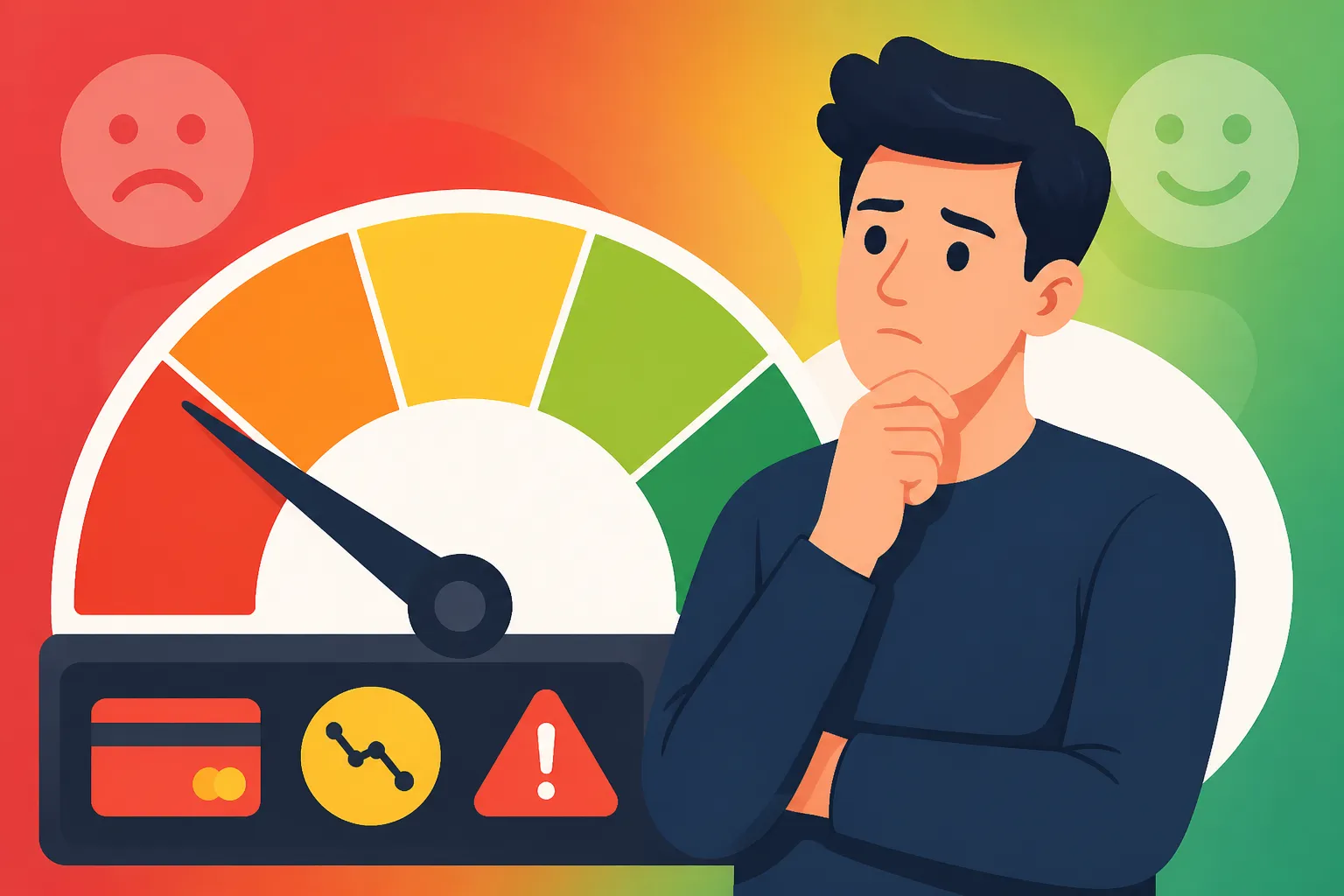
Credit scores, whether FICO or VantageScore, are typically ranked on a scale from 300 to 850. A score of 580 generally falls into the "Fair" or even "Poor" category, depending on which scoring model is being used. For instance, with FICO, a score between 580 and 669 is considered "Fair," while anything below 580 is "Poor." VantageScore 3.0, used by many free credit monitoring services, also places 580 squarely in the "Poor" range (300-619).
This means you're not at the very bottom, but you're also far from what lenders consider "good" or "excellent." It's a tricky place to be, a kind of financial purgatory where opportunities are limited and costs are higher. It's a clear indicator that there are areas on your credit report that need some attention, likely involving past payment issues or high credit usage. But don't let that discourage you; it just means you have a solid starting point for improvement.
The Real-World Impact of a 580 Score
The truth is, a 580 credit score significantly impacts your financial life. Lenders use these scores to predict how likely you are to repay debt. A lower score suggests a higher risk, which means they'll either deny your application outright or charge you higher interest rates and fees to offset that perceived risk. This isn't just about big loans; it touches almost every aspect of your financial dealings.
Think about it: applying for a car loan, a mortgage, or even a new credit card with a 580 score can be a disheartening experience. You might get approved, but the terms will be far less favorable than someone with a higher score. You could be looking at double-digit interest rates, meaning you'll pay significantly more over the life of the loan. Landlords often check credit scores, too, and a 580 could mean you'll need a co-signer or have to pay a much larger security deposit just to rent an apartment in places like Dallas or Chicago. It restricts your choices and can make everyday financial transactions more stressful and costly.
Common Challenges You'll Face with a 580 Credit Score
Living with a 580 credit score means navigating a landscape filled with more hurdles than opportunities. It's important to be realistic about these challenges so you can strategically overcome them.
Struggling to Get Approved for Loans and Credit Cards
One of the most immediate impacts of a 580 credit score is the difficulty in securing new lines of credit. Mainstream lenders, like big banks you see advertising 0% APR credit cards, typically reserve their best offers for individuals with "good" or "excellent" credit (scores generally above 670). With a 580, you'll often find yourself denied for traditional, unsecured credit cards or personal loans. This isn't because lenders are trying to be difficult, but because their internal risk models flag your score as high-risk.
However, this doesn't mean all doors are closed. You might still qualify for secured credit cards, which require an upfront cash deposit that acts as your credit limit. There are also specific financial products designed for those looking to build credit, such as credit builder loans. Companies like Credit Strong offer these types of loans, where your payments are reported to the credit bureaus, helping you build positive payment history without needing a perfect score upfront. It's a way to demonstrate financial responsibility when traditional options are out of reach.
Higher Interest Rates and Security Deposits
Even if you do get approved for a loan or a credit card with a 580 score, expect to pay a premium for it. The interest rates offered to you will likely be substantially higher than those offered to someone with a better credit score. For example, a car loan that might carry a 5% interest rate for someone with a 700+ score could jump to 15% or even 20% for someone with a 580. Over a five-year loan term, this difference can amount to thousands of extra dollars out of your pocket.
Beyond interest, you'll also encounter demands for higher security deposits. When renting an apartment in a competitive market like Miami, a landlord might ask for two or three months' rent upfront instead of one. Utility companies, whether for electricity in Houston or gas in New York, might also require a deposit to start service if your credit history isn't strong. Even getting a new cell phone plan can be contingent on paying a deposit or being forced into a prepaid option. These additional costs can really add up and strain an already tight budget.
Missed Opportunities and Limited Financial Flexibility
The consequences of a 580 credit score extend beyond just loans and credit cards. It can subtly limit your opportunities and financial flexibility in ways you might not immediately consider. For instance, some employers check credit reports (especially for positions involving financial responsibility), and a low score could unfortunately impact their hiring decision. While they can't see your actual score, they can see the details of your credit history.
You might also find it harder to get favorable rates on insurance policies, including auto and homeowner's insurance. Many insurers use credit-based insurance scores, which are highly correlated with traditional credit scores, to assess risk. A lower score often translates to higher premiums. Furthermore, if you ever need an emergency loan or lines of credit for unexpected expenses, a 580 score means you'll have fewer options and likely much higher costs, which can feel incredibly stifling when you're already trying to get ahead.
Practical Steps to Improve Your 580 Credit Score
While a 580 credit score presents challenges, it’s absolutely fixable. Think of it as a clear signal of where you need to focus your efforts. By taking deliberate, consistent steps, you can start seeing that number climb.
Reviewing Your Credit Report for Errors
The very first thing you should do is pull copies of your credit reports from all three major bureaus: Equifax, Experian, and TransUnion. The official, free source for this is AnnualCreditReport.com. You are entitled to one free report from each bureau every 12 months. It's crucial to get all three because they might contain different information, and errors could be present on one but not another. You can refer to our detailed guide on How to Read Your Credit Report (2026 Guide) for a comprehensive walkthrough.
Once you have your reports, scrutinize every detail. Look for incorrect personal information (addresses, names), accounts you don't recognize, inaccurate payment statuses (e.g., a payment you made on time being reported as late), or even duplicate accounts. Errors are more common than you might think, and removing them can give your score an immediate boost. If you find anything inaccurate, you have the right to dispute it. Our article on How to Dispute Credit Report Errors (Step-by-Step) provides a clear roadmap for this process, ensuring you follow the correct procedures with each credit bureau.
Strategies for Managing Existing Debt
A significant factor in a 580 credit score is often related to how you've managed debt, particularly credit card balances. Your credit utilization ratio—how much credit you're using compared to your total available credit—plays a huge role, accounting for about 30% of your FICO score. If you have high balances across your credit cards, bringing them down is paramount. The general rule of thumb is to keep your credit utilization below 30% on each card and overall. Ideally, aiming for under 10% will yield even better results. For more in-depth advice, check out How Much of Your Credit Limit Should You Use?.
Consider adopting a debt payment strategy. The "debt snowball" method focuses on paying off your smallest debts first for psychological wins, while the "debt avalanche" method prioritizes debts with the highest interest rates to save you money in the long run. Both are effective, and you can explore which one suits your personality better in our article Debt Snowball vs Debt Avalanche: Which Is Better?. Even if you can only make slightly more than the minimum payments, every bit helps in reducing your balances and, in turn, improving your utilization.
Building New Positive Credit History
To improve a 580 score, you need to add positive payment history to your reports. This can be challenging when traditional lenders are hesitant, but there are excellent tools available.
- Secured Credit Cards: These cards are a fantastic starting point. You deposit a sum of money (e.g., $200), and that deposit becomes your credit limit. Because the card is "secured" by your cash, lenders are more willing to approve you. Use it like a regular credit card, making small purchases and paying the balance in full and on time every month. This demonstrates responsible credit behavior to the bureaus. For a comprehensive look, read about Secured Credit Cards: How They Build Credit.
- Credit Builder Loans: These are specifically designed to help people establish or rebuild credit. With a credit builder loan, you make regular payments into an account, and once the loan term is complete (usually 6-24 months), you receive the money. Your payments are reported to the credit bureaus, creating a positive payment history. Many financial institutions and even some credit unions offer these. Credit Strong is a great example of a service that provides credit builder loans, making it accessible for individuals with lower scores to start building a positive credit footprint. These loans are a structured way to force good saving habits while simultaneously reporting to the credit bureaus.
- Become an Authorized User: If you have a trusted family member or friend with excellent credit and a long, positive credit history, they might be willing to add you as an authorized user on one of their credit cards. This can allow their positive payment history and credit limit to appear on your credit report, which can provide a boost. However, ensure they are responsible with their credit, as their missteps could also affect you. Learn more about this strategy in How to Become an Authorized User to Build Credit.
- Rent and Utility Reporting: Services like Experian Boost or similar offerings can potentially add your on-time rent and utility payments to your credit report. Since these aren't traditionally reported, this can add positive payment history, especially if you have a "thin" credit file or not many active accounts.
Remember, consistent, on-time payments are the most critical factor. They make up 35% of your FICO score. Focus on paying every bill, every time, by its due date.
Long-Term Habits for Sustained Credit Health
Improving a 580 credit score isn't a one-time fix; it's about establishing consistent, healthy financial habits that will serve you well for years to come.
Consistent On-Time Payments and Low Utilization
These two factors are the absolute bedrock of a good credit score and for moving beyond a 580. Payment history is the most impactful component of your credit score, making up a massive 35% of your FICO score. One single late payment can severely damage your score and stay on your report for seven years. Therefore, ensuring every single payment—whether for a credit card, loan, or even utilities if reported—is made on time, every time, is non-negotiable. Set up automatic payments or calendar reminders to avoid missing due dates. You can dive deeper into the significance of payment history by reading Payment History: Why It's 35% of Your Score.
Maintaining low credit utilization (keeping your credit card balances well below your limits) is the second most crucial factor. This shows lenders that you're not overly reliant on credit and can manage your finances responsibly. Continuously paying down balances and ideally paying them off in full each month will keep your utilization low and demonstrate excellent credit management. This combination of timely payments and low balances will steadily build a strong, positive credit history over time.
Monitoring Your Credit Regularly
You wouldn't drive a car without checking the gas gauge, would you? The same principle applies to your credit. Regular credit monitoring is essential, especially when you're actively working to improve a 580 score. This isn't just about watching your score tick up; it's about staying vigilant for errors, fraudulent activity, or unexpected changes that could set you back. There are many free services available, often through credit card companies or websites like Credit Karma, that provide regular score updates and alerts.
While free services are a great starting point, some paid services offer more comprehensive monitoring across all three bureaus and identity theft protection. Regardless of whether you choose free or paid, the key is consistency. Make it a habit to review your full credit reports at least once a year through AnnualCreditReport.com and keep an eye on your scores more frequently. Our guide on Credit Monitoring: Is It Worth It? can help you decide on the best approach for your needs, and you can learn How Often Should You Check Your Credit Report? to make it a routine.
Patience and Persistence
Finally, and perhaps most importantly, improving a 580 credit score requires patience and persistence. This isn't a sprint; it's a marathon. Negative items like late payments, collections, or bankruptcies can stay on your report for up to seven years, and their impact diminishes over time. While positive actions start helping immediately, it takes several months, and often a year or more, to see substantial improvements.
Don't get discouraged if your score doesn't jump overnight. Stick to your plan: make all payments on time, keep your credit utilization low, and continue to build positive accounts like your Credit Strong credit builder loan. Every month you follow these good habits, your credit history lengthens and strengthens, and your score will reflect that progress. For a realistic timeline, check out How Long Does Credit Repair Take?. Celebrate small victories along the way, and remember that every positive step you take moves you closer to a healthier financial future.
Here's a quick look at how a 580 score compares to other ranges:
| Credit Score Range | FICO Classification | Typical Approval Chances | Expected Interest Rates | Other Impacts (Examples) |
|---|---|---|---|---|
| 300-579 | Poor | Very Low | Extremely High | High deposits, denials, limited options |
| 580-669 | Fair | Low to Moderate | High | Secured cards, credit builder loans, higher deposits |
| 670-739 | Good | Moderate to High | Average | Standard credit cards, better loan terms |
| 740-799 | Very Good | High | Low | Excellent rates, premium credit cards |
| 800-850 | Excellent | Very High | Lowest possible | Best terms, exclusive offers, easy approvals |
This table illustrates why moving from a "Fair" 580 into the "Good" range can make a significant difference in your financial life.
Disclaimer
This article is for general informational purposes only and does not constitute professional advice. Laws, prices and regulations vary by location and change over time. Consult a qualified professional for guidance on your specific situation.