Is 540 a Good Credit Score?
Seeing a 540 credit score can feel like a punch to the gut. You check your report, hoping for some good news or at least a stable number, only to find yourself squarely in a territory that just doesn't sound "good." It's frustrating, often confusing, and can leave you wondering what your options are. This guide is here to break down exactly what a 540 credit score means for your financial life and, more importantly, to give you a realistic, empathetic roadmap for how to start improving it.
Understanding What a 540 Credit Score Really Means
Let's face it, numbers don't lie, but they also don't tell the whole story without context. A 540 credit score isn't just a random digit; it places you in a specific category that impacts almost every financial interaction you'll have. It's tough news, but understanding why it's tough is the first step toward making a change.
Where a 540 Score Falls on the Spectrum
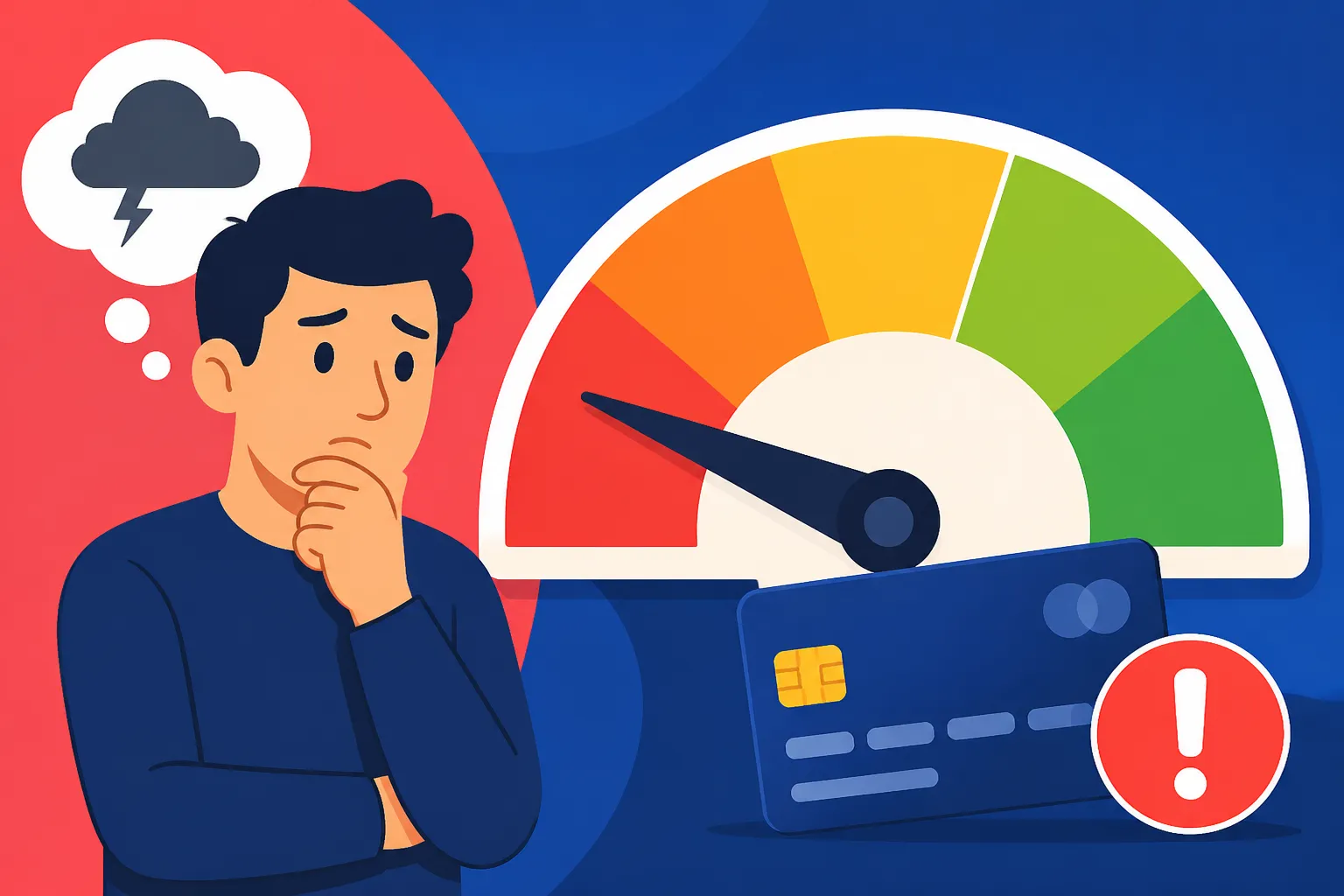
When we talk about credit scores, most lenders and financial institutions look at FICO scores or VantageScores. While the exact numerical ranges can vary slightly between scoring models and even different versions of those models, a 540 score consistently falls into the "Poor" or "Very Poor" category. It's definitely not considered a good credit score by any standard.
Think of it like a grading system:
- Excellent: 800-850
- Very Good: 740-799
- Good: 670-739
- Fair: 580-669
- Poor: 300-579
As you can see, a 540 score is right in the middle of that "Poor" range. This means that lenders perceive you as a high-risk borrower. They see a history, or sometimes a lack thereof, that suggests there's a higher chance you might not repay your debts as agreed. This isn't a judgment on your character, but purely a statistical assessment based on the data in your credit report.
The Real-World Impact of a Low Credit Score
The consequences of having a 540 credit score are far-reaching and can make daily life, or at least financial transactions, significantly more challenging and expensive. It's not just about getting denied for a fancy credit card; it touches everything from housing to utilities to insurance.
Firstly, if you try to apply for a loan—whether it's for a car, a personal loan, or even a mortgage—you'll likely face outright rejections. Lenders often have minimum credit score requirements, and a 540 score typically falls below these thresholds for standard, unsecured loans. If you are approved for anything, it will almost certainly come with incredibly high interest rates, making the cost of borrowing substantially more than for someone with a higher score. For example, a car loan with a 540 score could easily have an interest rate in the double digits, adding thousands to the total cost over the life of the loan.
Beyond loans, landlords frequently check credit reports during apartment applications. Many require a "Good" or "Fair" score, and a 540 might lead to a denial, or you might need to pay a larger security deposit or find a co-signer. Utility companies, especially for new accounts, might also request a deposit if your credit score is low. Even insurance premiums can be affected, as some insurers use credit-based insurance scores (a variation of your credit score) to determine your risk and set rates. So, while a 540 score isn't the end of the world, it does create significant hurdles that require intentional effort to overcome. This is why understanding How to Read Your Credit Report (2026 Guide) is so important.
Common Reasons Your Score Might Be 540
It's natural to feel disheartened, but it's equally important to understand why your score is where it is. Credit scores are complex calculations, but they boil down to a few key factors that reflect your financial behavior over time. Pinpointing the root causes is crucial for developing an effective strategy to improve.
Historical Financial Challenges
For many people with a 540 credit score, the culprit is a history of financial difficulties. Life happens, and sometimes unexpected events like job loss, medical emergencies, or even just poor financial decisions can lead to a cascade of negative marks on your credit report.
The most damaging factor to a credit score is typically a history of late payments. Payment history accounts for a whopping 35% of your FICO score, so even one late payment can cause a significant drop, and multiple late payments can decimate your score. A payment that's 30, 60, or 90 days past due sends a clear signal to lenders that you've struggled to meet your obligations. If you're seeing a 540, it's highly likely that several late payments are contributing to that number. You might find it useful to learn How to Remove Late Payments From Your Credit Report.
Beyond late payments, other negative items that severely depress a score include:
- Collections: When a debt goes unpaid for an extended period, the original creditor might sell it to a third-party collection agency. These collection accounts are serious derogatory marks that can stay on your report for up to seven years. Learning How to Remove Collections From Your Credit Report is often a critical step for improving a low score.
- Charge-offs: This occurs when a creditor gives up on collecting a debt and writes it off as a loss. While the account is closed, the debt isn't necessarily gone, and the charge-off remains on your credit report as a negative item.
- Bankruptcies: A bankruptcy is one of the most severe negative marks, and it can stay on your credit report for 7 to 10 years, drastically lowering your score for an extended period.
- High Credit Utilization: Even if you're making payments on time, if you're consistently using a large percentage of your available credit (e.g., maxing out your credit cards), it signals financial strain and can significantly lower your score. This is a common issue and is discussed in detail in guides like Credit Utilization: The Complete Guide.
These items don't just sit there; they actively pull your score down, making it challenging to qualify for new credit and reinforcing the "high-risk" label.
Thin or Limited Credit History
Sometimes, a low score isn't due to bad credit, but rather a lack of credit. This is often referred to as having a "thin credit file." If you're young, new to the country, or have always avoided credit cards and loans, you might have a very short or non-existent credit history. Without enough data for the credit bureaus (Equifax, Experian, and TransUnion) to evaluate, your score can remain low or even be difficult to generate at all.
In these cases, the absence of positive payment history means there's nothing to demonstrate your creditworthiness. Lenders have no track record to assess, and from their perspective, an unknown is almost as risky as a known bad history. It's like applying for a job without a resume; you might be perfectly capable, but without proof, it's a hard sell. For those starting from scratch, a guide on How to Build Credit From Scratch (2026 Guide) can be incredibly valuable. This situation can be frustrating because you haven't done anything "wrong," but the system still penalizes you for not participating in the credit ecosystem.
Strategies to Improve a 540 Credit Score
Improving a 540 credit score isn't an overnight process, but it's absolutely achievable with consistent effort and a clear strategy. Think of it as a marathon, not a sprint. The good news is that every positive action you take will contribute to rebuilding your financial health.
Tackling Negative Items
The first order of business, especially if your 540 score is due to past issues, is to address those negative items head-on. You can't just ignore them and hope they disappear; you need to be proactive.
1. Get Your Credit Reports: The absolute first step is to get copies of your credit reports from all three major bureaus: Equifax, Experian, and TransUnion. You can do this for free once a year at AnnualCreditReport.com. It's crucial to check all three because they can sometimes contain different information. This will give you a clear picture of exactly what's dragging your score down.
2. Dispute Errors: Carefully review each report for inaccuracies. Do you see an account that isn't yours? A late payment listed that you know you made on time? Incorrect balances or dates? These are common errors, and disputing them can sometimes lead to their removal, which can give your score a quick boost. The process for How to Dispute Credit Report Errors (Step-by-Step) is well-defined, and you have rights under the Fair Credit Reporting Act (FCRA).
3. Address Collections and Charge-Offs: This is often the trickiest part.
- Debt Validation: If a collection agency is reporting an old debt, your first step should be to send a debt validation letter. This forces them to prove the debt is yours and accurate. If they can't, they must remove it from your report. You can also explore options like learning How to Negotiate With Debt Collectors for a better outcome.
- Pay-for-Delete: This is a strategy where you negotiate with a collection agency to remove the negative entry from your credit report in exchange for payment. It's not always successful, as they're not legally obligated to agree, but it's worth trying, especially for older collection accounts.
- Payment Plans: If a pay-for-delete isn't an option, setting up a payment plan to gradually pay off the debt is still a positive step. While paying a collection doesn't immediately remove it from your report, it does change its status to "paid collection," which looks better to lenders over time. A comprehensive guide like How to Remove Negative Items From Your Credit Report can offer more detailed strategies.
Building New, Positive Credit History
Once you've addressed or started to manage existing negative items, the next crucial step is to actively build a new, positive credit history. This involves demonstrating responsible credit behavior over time.
1. Secured Credit Cards: This is one of the most effective tools for rebuilding or establishing credit with a low score. A secured credit card requires a cash deposit, which typically becomes your credit limit. For example, if you deposit $200, your credit limit is $200. This deposit minimizes the risk for the issuer. Use it for small, regular purchases that you can pay off in full every month, like groceries or gas. This shows consistent, on-time payments and healthy credit utilization. Many issuers, like Discover or Capital One, offer secured cards designed specifically for this purpose. You can learn more about Secured Credit Cards: How They Build Credit.
2. Credit Builder Loans: These are specifically designed to help people with poor or no credit establish a positive payment history. With a credit builder loan, you make regular payments into a locked savings account (or similar vehicle) over a set period (e.g., 12-24 months). Once the loan is paid off, you receive the money. The payments are reported to the credit bureaus, demonstrating responsible behavior. Brands like Credit Strong are known for offering these types of loans, making it easier for individuals to get started on their credit journey without needing an upfront lump sum of money they don't have. It's a structured way to force yourself to save while simultaneously building credit. Many find these helpful because they're a low-risk way to show consistent payments, which is a major factor in credit scoring. Find out more in Credit Builder Loans Explained (Self, Kikoff & More).
3. Become an Authorized User: If you have a trusted family member or friend with excellent credit and a long, positive history, they might be willing to add you as an authorized user on one of their credit card accounts. This can allow their positive payment history to appear on your credit report, which can give your score a lift. However, this comes with risks: the primary cardholder's spending habits could negatively impact your score if they accrue debt or make late payments. Only pursue this option if you have absolute trust in the primary cardholder's financial responsibility. Check out How to Become an Authorized User to Build Credit for more details.
Managing Existing Credit Responsibly
For those who already have some credit accounts, even if they're in poor standing, managing them responsibly going forward is key.
1. Always Pay on Time: This is non-negotiable. Set up automatic payments or calendar reminders for every single bill – credit cards, loans, utilities, rent, everything. Late payments are incredibly damaging, and consistent on-time payments are the single most impactful way to improve your score over time.
2. Keep Credit Utilization Low: Aim to keep your credit card balances below 30% of your available credit, and ideally even lower, around 10% for the best impact. For a 540 score, this is particularly important because high utilization is often a contributing factor. If you have a credit card with a $500 limit, try to keep your balance below $150. If you can pay off your statement balance in full each month before the due date, that's even better, as it demonstrates exceptional management and avoids interest.
3. Avoid Opening Too Many New Accounts: While building new credit is good, opening too many accounts in a short period can backfire. Each new application results in a hard inquiry on your credit report, which can cause a small, temporary dip in your score. Focus on one or two strategic accounts, like a secured card or a Credit Strong credit builder loan, and manage them perfectly before seeking more credit. For those navigating challenging debt situations, learning How to Pay Off Credit Card Debt Fast can be a good next step.
What You Can Still Do with a 540 Credit Score (Realistically)
A 540 credit score might close some doors, but it doesn't mean all doors are shut. It's about being realistic about your options and understanding where you can still make progress. While a traditional, low-interest loan might be out of reach, there are still avenues to build and improve.
Accessing Credit Options (with Caveats)
With a 540 credit score, your options for traditional unsecured credit cards or personal loans will be extremely limited, and if you do qualify, the terms will be unfavorable. However, there are still viable paths, specifically those designed for credit building:
- Secured Credit Cards: As discussed, these are your best friend when rebuilding. Many banks and credit unions offer them. Look for cards that report to all three major credit bureaus and have low (or no) annual fees. The Discover it® Secured Credit Card is a popular choice because it often graduates to an unsecured card with responsible use.
- Credit Builder Loans: Programs like Credit Strong are excellent for creating a positive payment history. They are structured to help you save money while simultaneously building your credit profile by reporting your consistent payments to the credit bureaus. These are a great way to diversify your credit mix a bit, showing you can handle installment loans as well as revolving credit.
- FHA Loans (for Homeownership): While buying a house with a 540 credit score is extremely challenging, it's worth noting that FHA (Federal Housing Administration) loans are designed to be more accessible for borrowers with lower credit scores. Some FHA-approved lenders might approve applicants with scores as low as 500-579, though you'd typically need a larger down payment (e.g., 10%). However, finding a lender willing to take on that risk with a 540 score would be difficult, and you'd face much higher interest rates and mortgage insurance premiums. It's generally advisable to aim for at least a 580, or ideally 620+, before seriously pursuing a mortgage. This is why it's crucial to understand What Is a Good Credit Score? (2026 Ranges Explained) and How to Raise Your Credit Score (Step-by-Step).
Steps to Take Today
You don't have to wait to start improving your score. Here are concrete actions you can take right now:
- Pull Your Reports: Go to AnnualCreditReport.com and get your free reports. This is non-negotiable. Know exactly what you're up against.
- Make a Budget: Understand where every dollar goes. This helps you find money to pay down debt and ensure future payments are on time. There are many free budgeting apps or simple spreadsheets you can use.
- Prioritize Payments: If you have multiple debts, decide which ones to tackle first. The "debt snowball" method (pay smallest balance first for motivation) or "debt avalanche" (pay highest interest rate first to save money) are popular strategies. Even making minimum payments on time on all accounts is a huge step in the right direction if you've been missing payments.
- Consider a Secured Card or Credit Builder Loan: Research and apply for one of these tools. Start with a small limit you can easily manage. For instance, the Credit Strong credit builder account could be a good starting point for demonstrating reliable payment behavior.
- Set Up Payment Reminders: Use your phone, calendar, or bank's auto-pay feature to ensure you never miss another payment.
- Be Patient and Consistent: Credit improvement takes time. Don't get discouraged if you don't see massive jumps overnight. Steady, responsible behavior will eventually yield results. The impact of negative items diminishes over time, and the impact of positive actions grows.
Here’s a snapshot of typical credit score ranges and their implications:
| Credit Score Range | Quality | Implications |
|---|---|---|
| 800-850 | Excellent | Best interest rates, easiest approvals for all credit types. |
| 740-799 | Very Good | Excellent terms on loans and credit cards. |
| 670-739 | Good | Good interest rates, solid approval odds for most credit. |
| 580-669 | Fair | Higher interest rates, some approvals, but often with stricter terms. |
| 300-579 | Poor | Very high interest rates, difficult to get approved, often requires secured products. |
As you can see, a 540 credit score puts you in a challenging position, but it's not a permanent one. By understanding the Credit Score Ranges: Poor to Excellent Explained and taking deliberate steps, you can move your score upwards.
Disclaimer
This article is for general informational purposes only and does not constitute professional advice. Laws, prices and regulations vary by location and change over time. Consult a qualified professional for guidance on your specific situation.