How to Dispute a Collection After You Already Paid It
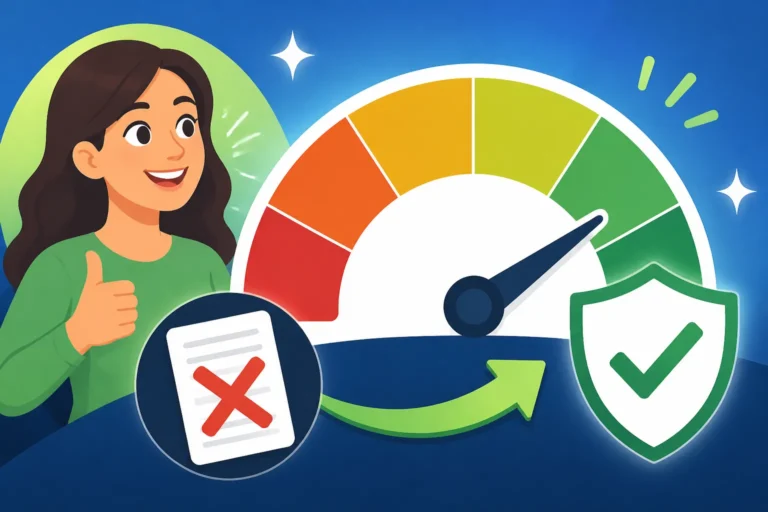
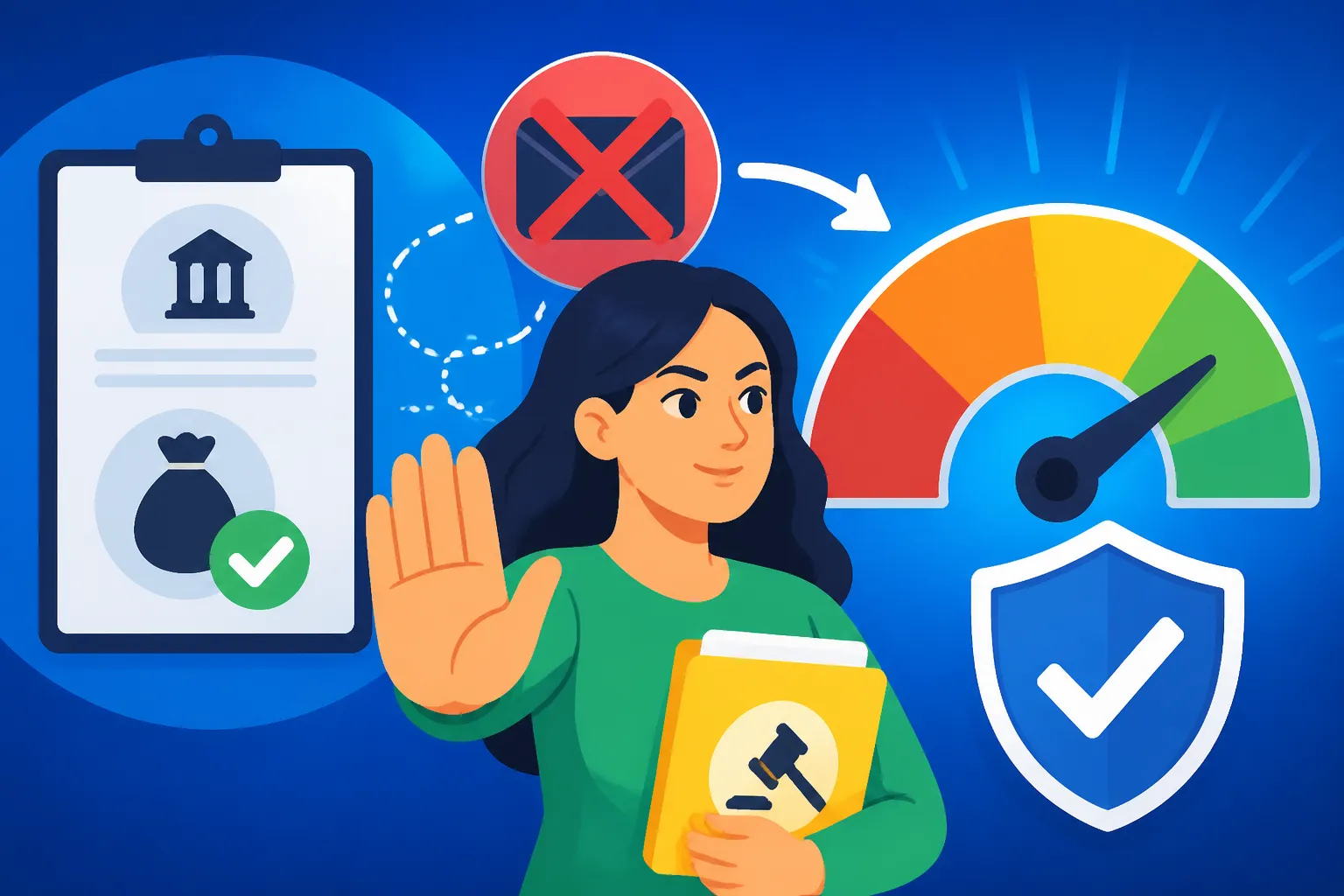
It's incredibly frustrating, isn't it? You worked hard, scraped together the money, and finally paid off that collection account that was dragging down your credit. You think, "Great, now that's behind me!" But then you pull your credit report, and there it is, staring back at you – that paid collection, still listed, still casting a shadow over your financial health. This guide is for anyone who has found themselves in this exact maddening situation, and we're going to break down exactly how to dispute a collection after you've already paid it off.
Understanding Why Paid Collections Still Haunt Your Credit Report
Many folks assume that once a debt is paid, it magically vanishes from their credit report. Unfortunately, that's almost never the case. A paid collection account, while certainly better than an unpaid one, often remains visible on your credit report for a significant period. This can feel unfair, especially when you've done the right thing and settled your obligations. The key is understanding how credit reporting works and why these entries persist.
The Reality of Credit Reporting for Paid Accounts
Credit bureaus like Equifax, Experian, and TransUnion are essentially data repositories. They receive information from creditors and collection agencies and display it on your report. When a collection account is placed on your report, it's a record of a negative event. Paying it changes its status from "unpaid" to "paid," which is a positive update, but it doesn't erase the original negative event entirely. Think of it like a medical record – a successful treatment is noted, but the original diagnosis remains part of your history.
The Fair Credit Reporting Act (FCRA) dictates that most negative items, including collections, can remain on your credit report for up to seven years from the date of the original delinquency. This applies whether the collection is paid, unpaid, or settled for less than the full amount. While a "paid" status looks better than "unpaid" to future lenders, the very presence of a collection can still impact your ability to secure favorable interest rates on loans or even get approved for certain credit products. It's a nuance that many find surprising and disheartening.
How Collection Accounts Impact Your Credit Score
Even a paid collection account can depress your credit score. Credit scoring models, like FICO and VantageScore, view collection accounts as a sign of past financial difficulty. While payment history is the most significant factor, accounting for about 35% of your FICO score, a collection shows a deviation from perfect payment. The exact impact can vary depending on several factors: the age of the collection, your overall credit profile, and whether it's your only derogatory mark.
Newer collections tend to hurt more than older ones. If you have an otherwise stellar credit history, one paid collection might not decimate your score, but it will certainly prevent it from reaching its full potential. For those with multiple negative items, a paid collection adds to the cumulative negative impact. While the impact lessens over time, its presence can still make a difference in loan approvals or the interest rates you're offered. This is why many people are motivated to try and get these items removed, even after payment, to fully cleanse their credit report and maximize their score. To really dig into how different factors affect your score, you might want to learn more about What Affects Your Credit Score The 5 Factors.
The Strategic Steps to Dispute a Paid Collection
So, you've paid it, and it's still there. Now what? You have options, and the good news is that you can actively work to get it removed. This isn't always a guaranteed quick fix, but with persistence and the right strategy, you can significantly improve your chances. The process often involves a multi-pronged approach, targeting both the credit bureaus and the collection agency itself.
Gathering Your Documentation
Before you do anything, you need to arm yourself with undeniable proof of payment. This is your leverage in any dispute. Without solid documentation, your claims might be easily dismissed. Don't rely on verbal assurances; get everything in writing.
First, check your bank statements or canceled checks that clearly show the payment going to the collection agency or original creditor. Make sure the date, amount, and recipient are visible. Second, if you made an electronic payment, print out confirmations or transaction histories. Third, and most importantly, try to get a written confirmation from the collection agency or original creditor acknowledging receipt of payment and showing a zero balance. This could be a letter, an email, or a statement. If you had any correspondence where they agreed to remove the item upon payment (a "pay-for-delete" agreement), that document is pure gold, though those are often harder to secure, especially after the fact. The more evidence you have, the stronger your case will be when you How to Dispute Credit Report Errors Step-by-Step.
Crafting Your Dispute Letter
A well-written dispute letter is crucial. This isn't a casual email; it's a formal communication designed to get results. Your letter should be clear, concise, and professional, avoiding emotional language. You're simply presenting facts.
Start by clearly identifying the account in question, including the collection agency's name, the original creditor's name, the account number, and the amount paid. State unequivocally that the account has been paid in full and should therefore be removed or updated accurately. Attach copies of all your documentation, making sure to explicitly reference them in the letter. Crucially, do not send original documents – only copies. Keep your originals for your records. You'll want to send this letter via certified mail with a return receipt requested. This provides you with proof that the letter was sent and received, which is invaluable if you need to escalate the issue later. For more guidance, you can find resources like How to Write a Credit Dispute Letter Template that offer a solid framework.
Sending Your Dispute to the Credit Bureaus
Once your letter and documentation are ready, your next step is to send it to each of the three major credit bureaus: Equifax, Experian, and TransUnion. Yes, you need to send it to all three, even if the collection only appears on one report. Why? Because information can migrate, and you want to ensure a clean sweep. Each bureau has its own dispute process, but the core idea is the same.
You can dispute online, by mail, or sometimes by phone. While online disputes are faster, mailing a physical letter with your documentation via certified mail often carries more weight, as it forces a review of physical evidence. When you dispute, clearly state that the paid collection account is either inaccurate (if the payment isn't reflected) or that you believe it should be removed entirely, citing the payment. The bureaus are legally obligated to investigate your dispute within 30 days (sometimes 45 days, depending on circumstances). If they can't verify the information with the collection agency, they must remove it. You can learn more about disputing directly with each bureau in guides like How to Dispute With Equifax, Experian, and TransUnion.
Contacting the Original Creditor and Collection Agency
While the primary battleground is with the credit bureaus, sometimes engaging directly with the original creditor and the collection agency can be beneficial, especially if the bureaus aren't responsive or if you're trying to negotiate a removal.
For the collection agency, send a letter similar to the one you sent the credit bureaus, providing proof of payment and requesting that they update their records to "paid in full" and cease reporting the item to the credit bureaus. If you didn't secure a "pay-for-delete" agreement before payment, you can still try to negotiate one after payment. While less common, some agencies might agree to remove the entry as a goodwill gesture, especially if you emphasize that you've fulfilled your obligation. With the original creditor, you might send a What Is a Goodwill Letter and Does It Work? if they were the ones who originally placed the account for collection and you're seeking to have them intervene or simply mark it as paid. This is more of a long shot, but sometimes a kind, well-reasoned request can make a difference. Remember, the goal is to get everyone on the same page and, ideally, to get that negative mark off your report.
Navigating Common Challenges and Advanced Tactics
Disputing a paid collection isn't always a straightforward process. You might encounter resistance from collection agencies or find that your initial disputes with the bureaus don't yield the desired results. Don't get discouraged. This is where persistence and understanding some advanced tactics come into play.
The "Pay-for-Delete" Strategy
While often discussed for unpaid collections, the concept of "pay-for-delete" is still relevant, albeit more challenging, for debts you've already paid. A pay-for-delete agreement is when a collection agency agrees, in writing, to remove a collection account from your credit report in exchange for payment. If you paid your debt without this agreement, the agency has less incentive to remove it now. However, it's not impossible.
You can still reach out to the collection agency and explain that you've paid the debt and are now seeking its removal. Frame it as a request for goodwill, highlighting that you've met your obligation. You might even offer a small additional sum (a "goodwill payment") in exchange for their agreement to delete the entry. Again, the crucial part is to get any agreement in writing before they act. Without a written agreement, there's no guarantee they'll follow through. Be wary of any collection agency that promises deletion over the phone without providing written confirmation. Remember that even if you're successful, this doesn't guarantee the original creditor won't still report the delinquency, though a paid collection agency entry is often the more damaging one.
Dealing with Stubborn Agencies
Sometimes, collection agencies can be less than cooperative. They might deny your dispute, refuse to remove the item, or simply drag their feet. This is where knowing your rights and leveraging consumer protection agencies becomes important.
If your dispute with the credit bureaus comes back as "verified" but you still believe it's inaccurate or should be removed, you can re-dispute with additional information. If the collection agency is truly being difficult, you can consider filing a complaint with the Consumer Financial Protection Bureau (CFPB) or your state's Attorney General. These agencies can often intervene on your behalf and prompt the collection agency to respond more constructively. Document every communication, including dates, names of people you speak to, and summaries of conversations. This meticulous record-keeping is vital if you need to escalate your complaint. In some cases, if the information they are reporting is genuinely inaccurate, you might even consider legal action, though this is usually a last resort.
Monitoring Your Credit Report After a Dispute
Once you've initiated a dispute, your work isn't over. You need to diligently monitor your credit reports to ensure the collection agency and credit bureaus follow through. It can be a waiting game, but staying on top of it is key.
After the 30-day investigation period for the credit bureaus, they are required to send you the results. Check your reports from all three bureaus to see if the paid collection has been updated or removed. If it has been removed, fantastic! Keep monitoring periodically to ensure it doesn't reappear (a practice known as "re-insertion," which is illegal but can happen). If it's only been updated to "paid" but not removed, you might decide to continue your efforts with the collection agency, especially if you have a goodwill letter in progress. Regularly checking your credit reports is a cornerstone of good financial hygiene, allowing you to catch any discrepancies quickly. Many services, including options from providers like Credit Strong, offer ongoing credit monitoring that can alert you to changes, helping you stay informed and proactive about your financial standing. Knowing How to Read Your Credit Report 2026 Guide is incredibly useful here.
Next Steps for a Clean Credit Report
Disputing a paid collection account is often a test of patience, but it's a worthwhile endeavor for the potential positive impact on your credit score and financial opportunities. Remember, even if the collection isn't fully removed, getting it updated to "paid in full" is a step in the right direction. It signals to future lenders that you eventually honored your obligation, which is far better than an open, unpaid collection.
Once you've tackled a paid collection, it's essential to look at the bigger picture of your credit health. This might involve exploring other credit repair strategies for any remaining negative items. You could learn How to Remove Late Payments From Your Credit Report, or address How to Remove Hard Inquiries From Your Credit Report. Additionally, actively building positive credit is crucial. This means consistently making all your payments on time, keeping your credit utilization low, and maintaining a healthy mix of credit accounts. Over time, these positive actions will gradually outweigh any past negative marks, helping you achieve the strong credit profile you deserve.
| Strategy | Ideal Scenario | Outcome (if successful) | Effort Level |
|---|---|---|---|
| Direct Dispute with Credit Bureaus | Incorrect reporting, payment not updated | Account status updated/removed; score improvement | Medium |
| Goodwill Letter to Original Creditor | Few late payments, good history since delinquency | Original creditor removes delinquency; score improvement | Medium |
| Pay-for-Delete (Pre-payment) | Negotiated before payment with collection agency | Collection removed upon payment; significant score boost | High |
| Pay-for-Delete (Post-payment) | Rare, but possible with strong negotiation | Collection removed; significant score boost | High |
| Dispute with Collection Agency directly | Seeking removal/update after payment | Account status updated/removed | Medium |
| CFPB Complaint | Agency uncooperative or unresponsive | CFPB intervenes; potential resolution | Medium |
Disclaimer
The information provided in this article is for general informational purposes only and does not constitute financial, legal, or credit advice. Credit laws and regulations are complex and can vary by state. It is always recommended to consult with a qualified financial advisor or credit counseling professional for advice tailored to your specific situation.