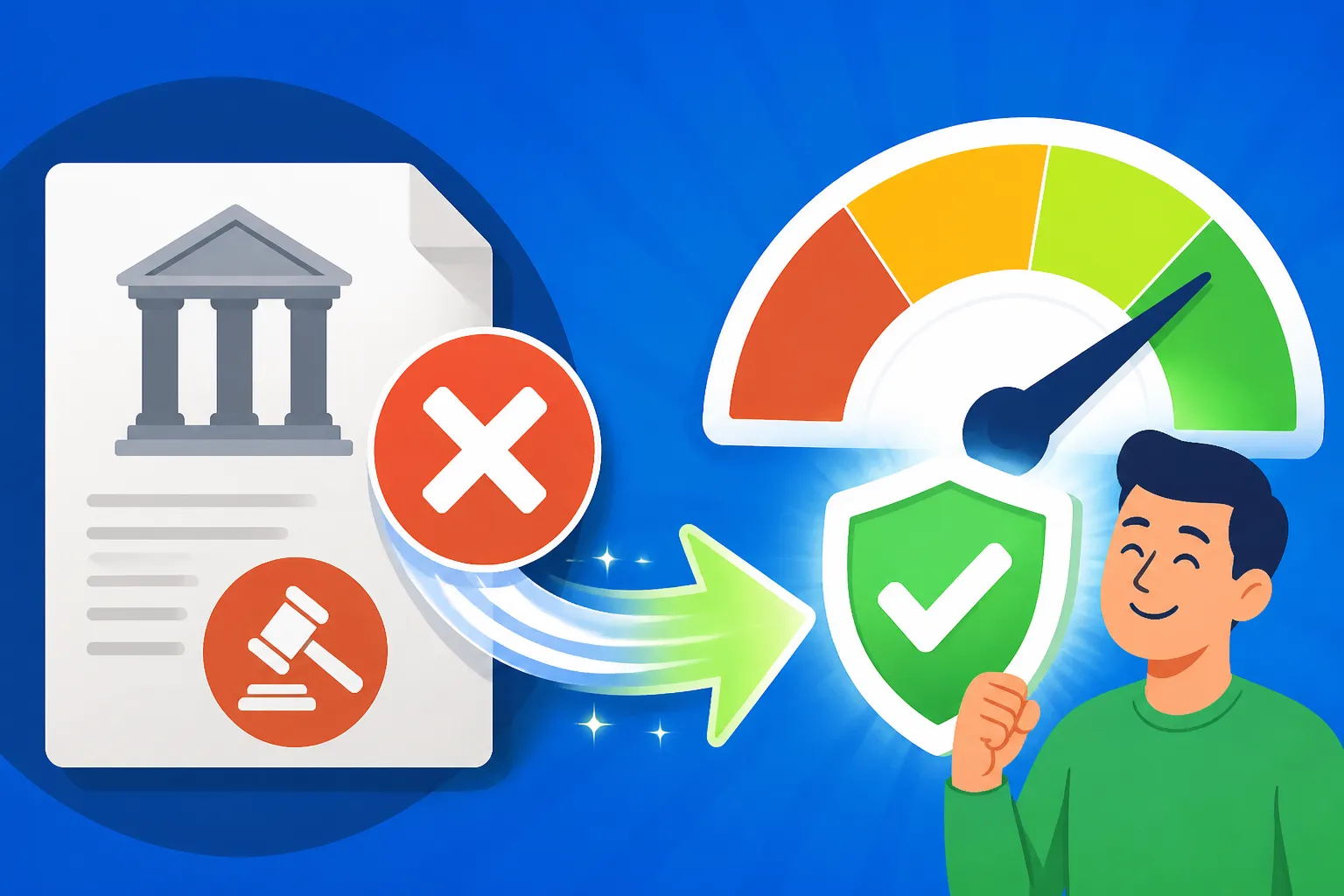
How to Remove a Judgment From Your Credit Report Fast
Finding a judgment on your credit report can feel like a punch to the gut. It's a heavy, visible marker of past financial trouble that can seriously hinder your ability to secure loans, rent an apartment, or even get certain jobs. The good news is that while judgments are indeed serious, they aren't necessarily permanent fixtures, and there are definite steps you can take to address them. This guide is all about demystifying civil judgments and walking you through the practical strategies to potentially remove them from your credit report, especially if you're looking for solutions that can offer some speed.
Understanding Judgments and Their Impact on Your Credit
Before diving into how to get rid of a judgment, it’s crucial to understand what it is and why it carries such weight on your financial standing. This isn't just a missed payment; it's a court order.
What Exactly Is a Judgment?
At its core, a civil judgment is a formal court order stating that you owe a specific debt to another party, usually a creditor or debt collector. This happens when a creditor sues you for an unpaid debt – whether it's for a credit card, a medical bill, a personal loan, or even back rent – and you either lose the case, or you don't show up to court (resulting in a default judgment). Once the court issues this judgment, the creditor becomes a "judgment creditor" and gains powerful legal tools to collect the debt, such as wage garnishment, bank account levies, or liens on your property.
These judgments are then often reported to the major credit bureaus: Experian, Equifax, and TransUnion. The public record nature of a judgment means it becomes a part of your credit history for anyone checking your report to see. It’s a stark flag indicating you were legally compelled to pay a debt, which signals a significant risk to future lenders.
The Devastating Effect on Your Credit Score
There's no sugarcoating it: a judgment is one of the most severe negative marks you can have on your credit report. Its presence can cause your credit score to plummet by a significant number of points, often by 100 points or more, depending on your credit profile before the judgment. This immediate drop can knock you out of good credit score ranges and into fair, poor, or even very poor categories.
Judgments typically remain on your credit report for up to seven years from the filing date, even if you pay them off. While a "paid" judgment looks better than an "unpaid" one, the record of the judgment itself still lingers and impacts your score. This prolonged presence can make it incredibly difficult to qualify for new loans, secure favorable interest rates, or even rent an apartment, as landlords often run credit checks. For instance, if you're hoping to buy a house, a judgment on your record could easily lead to a mortgage denial or severely inflated interest rates, even years down the line. Understanding How Long Do Items Stay on Your Credit Report? can give you more context on the duration of these negative marks.
Strategies for Removing a Judgment from Your Credit Report
So, what can you actually do to tackle a judgment on your credit report? While there's no magic wand, there are several strategic approaches, some of which can lead to faster resolution if circumstances align.
Disputing Inaccurate Judgments
When people talk about removing negative items "fast," they often mean finding and disputing inaccuracies. This is usually the quickest path to potentially removing a judgment from your credit report. The first step is to get copies of your credit reports from all three major bureaus – Experian, Equifax, and TransUnion. You can get your free annual credit reports from AnnualCreditReport.com. Once you have them, scrutinize every detail related to the judgment.
Look for any errors, no matter how small. Is the judgment amount correct? Is the date of filing accurate? Is it even your judgment, or is there a case of mistaken identity? Sometimes, the creditor or even the court might have made a clerical error. If you find any discrepancies, you have the right to dispute these errors with the credit bureaus. You’ll need to gather any supporting documentation you have that proves the information is incorrect. The bureaus are legally obligated to investigate your dispute within 30-45 days. You can learn more about this process in our guide on How to Dispute Credit Report Errors Step-by-Step and get specific instructions on How to Dispute With Equifax, Experian, and TransUnion. If the bureau cannot verify the information as accurate, they must remove it, which can significantly improve your credit standing.
Vacating the Judgment
This is arguably the most direct way to remove an accurate judgment from your credit report, but it's a legal process, not just a credit repair tactic. "Vacating" a judgment means asking the court that issued it to essentially cancel or set aside its original ruling. If the court agrees to vacate the judgment, it's as if the judgment never happened. Once vacated, you can then present the court order to the credit bureaus for removal from your report.
There are specific legal grounds required to vacate a judgment. Common reasons include:
- Lack of Proper Service: The creditor never properly notified you of the lawsuit. You can't defend yourself if you didn't know you were being sued!
- Mistake, Inadvertence, Surprise, or Excusable Neglect: This often applies to default judgments where you missed the court date due to a legitimate, unforeseen circumstance.
- Fraud or Misrepresentation: The judgment was obtained through deceptive practices.
- Payment or Satisfaction: The debt was already paid before the judgment was entered, but this wasn't recognized by the court.
Successfully vacating a judgment usually requires legal expertise, as you'll need to file specific motions with the court and often attend hearings. It can be a complex and sometimes costly endeavor, but if successful, it can lead to the fastest complete removal of an otherwise accurate judgment from your credit report.
Paying the Judgment and Its Credit Impact
A common misconception is that simply paying a judgment will automatically remove it from your credit report. Unfortunately, that's not how it works. When you pay a judgment, its status on your credit report will typically change from "unpaid" to "satisfied" or "paid." While this is certainly better than an unpaid judgment and shows you've fulfilled your legal obligation, the record of the judgment itself will generally remain on your credit report for the standard seven years from its filing date.
The credit bureaus report public records like judgments, and changing the status to "paid" still means the judgment event occurred. However, a paid judgment carries less weight than an unpaid one and can soften the blow to your credit score. If you choose this route, always ensure you get official documentation from the court or the judgment creditor confirming the satisfaction of the debt. This documentation is crucial if you later need to dispute the status with the credit bureaus. In some rare cases, if the judgment originated from a collection account, you might have tried to pursue a "pay for delete" strategy. This is more common with regular collections than judgments, but understanding Pay for Delete: Does It Really Work? can shed more light on its effectiveness.
Negotiating with the Creditor for Removal Post-Payment
While rare and not guaranteed, once a judgment is paid in full, you might be able to negotiate with the judgment creditor to request its removal from your credit report. This is essentially asking for a favor, as they are not legally obligated to do so. However, sometimes a creditor might agree, especially if it benefits them in some way, such as avoiding further paperwork or simply to show goodwill.
This strategy requires a carefully worded request, often in writing, asking them to contact the credit bureaus to have the judgment completely deleted. It's a long shot for a judgment specifically because it's a court record, but it doesn't hurt to ask politely once the debt is satisfied. Remember, any agreement should be in writing before you make your final payment. If the judgment was the result of an older debt, you might also explore options like How to Get a Collection Removed Without Paying if the specifics allow for it.
What "Fast" Really Means and Setting Realistic Expectations
When you're dealing with something as serious as a judgment on your credit report, the desire for a "fast" solution is completely understandable. However, it's important to set realistic expectations about what "fast" truly means in the world of credit repair and legal processes.
The Reality of Credit Bureau Timelines
Even when you successfully dispute an inaccuracy, the credit bureaus have specific timelines they must adhere to. By law, they generally have 30 days (or sometimes up to 45 days, especially if you dispute after receiving your free annual credit report) to investigate your claim once they receive your dispute. This means that from the moment you send your dispute, you're looking at a minimum of one month before you can expect a resolution.
If the judgment is indeed found to be inaccurate or unverifiable, its removal can happen relatively quickly within that timeframe. However, if the judgment is accurate and you're pursuing a more complex route like vacating it, the timeline extends significantly. Court processes can take months, sometimes even longer, depending on the court's schedule, the complexity of your case, and whether the creditor contests your motion. So, while disputing an error can be "fast" in terms of credit repair, legal avenues operate on their own, often slower, schedule.
Legal Complexities and Professional Help
Dealing with judgments, especially when considering vacating them, often moves beyond simple credit repair and into legal territory. This is where the complexities can mount quickly. If you're pursuing the vacation of a judgment, it's highly advisable to consult with an attorney specializing in consumer law or debt defense. They can assess your case, determine if you have valid grounds, and guide you through the intricate court procedures. This professional legal assistance can be invaluable, though it does come with associated costs.
For general credit report issues and disputes, engaging with credit repair companies can be an option. These companies, like those offering services similar to Credit Strong for building credit, can assist with disputing items on your behalf. However, it's crucial to understand their limitations. A credit repair company can dispute the reporting of a judgment with the credit bureaus, but they cannot legally vacate a judgment in court for you. That requires a licensed attorney. When considering professional help, it's wise to weigh the pros and cons of Credit Repair Companies vs DIY: Which Is Better? to ensure you're choosing the right path for your specific situation.
Rebuilding Your Credit After a Judgment
Even if a judgment can't be removed "fast" or at all due to its accuracy and legal standing, its negative impact can be mitigated over time by actively building positive credit history. This proactive approach is essential for long-term financial health.
Strategies for Credit Improvement
The best way to dilute the impact of a judgment on your credit score is to surround it with as much positive credit activity as possible. This means focusing on the fundamentals of good credit management. First, make sure all your other accounts are paid on time, every time. Payment history is the biggest factor in your credit score, so consistency is key.
Next, focus on your credit utilization. This is the amount of credit you're using compared to your total available credit. Keep your credit card balances low – ideally below 30% of your limit, but lower is always better. If you don't have many active credit accounts, consider opening a secured credit card or a credit builder loan. A secured card requires a cash deposit, which acts as your credit limit, making it a lower risk for lenders. Companies like Credit Strong offer credit builder loans, which help you save money while simultaneously reporting positive payment history to the credit bureaus. These tools can be excellent for establishing a new, positive credit trail, especially when you're looking to How to Build Credit From Scratch or even after a significant financial setback. Becoming an authorized user on a trusted family member's credit card with good payment history can also provide a boost without requiring you to open a new line of credit yourself. These strategies are similar to those used by individuals looking to How to Fix Your Credit After Bankruptcy, another major credit challenge.
Monitoring Your Credit Regularly
The journey to recover from a judgment is ongoing, and a critical component of that journey is vigilant credit monitoring. Regularly obtaining and reviewing your credit reports from all three major bureaus is not just a one-time task; it should be a continuous habit. This allows you to confirm the judgment's status, ensure no new errors appear, and track the progress of your credit score over time. You can get your free reports annually from AnnualCreditReport.com, but many credit card companies and financial institutions also offer free credit score and report monitoring services.
Monitoring helps you quickly spot any new potential inaccuracies or even signs of identity theft. If you've disputed a judgment, checking your report after 30-45 days will confirm if the item was removed or updated. This proactive approach ensures you're always aware of your credit standing and can take immediate action if anything looks amiss. Investing time in understanding How to Get Your Free Credit Report and weighing the benefits of Credit Monitoring Is It Worth It? can empower you to stay on top of your credit health.
| Strategy | Speed (Potential) | Difficulty | Cost (Estimated) | Chance of Removal | Impact on Credit (if successful) |
|---|---|---|---|---|---|
| Disputing Inaccuracies | Moderate (30-45 days) | Low-Medium | Low (postage, copies) | High (if proven inaccurate) | Significant positive boost |
| Vacating the Judgment | Slow (months-years) | High | High (legal fees) | High (if grounds are strong) | Complete removal, major positive |
| Paying the Judgment | Immediate (payment) | Low | Cost of debt | None (status changes to "paid") | Moderate positive (less severe) |
| Negotiating for Removal | Slow (post-payment) | Medium | None (if paid) | Low-Medium (creditor discretion) | Significant positive boost |
Disclaimer
The information provided in this guide is for general educational purposes only and should not be considered legal or financial advice. Credit laws and court procedures are complex and can vary by state and individual circumstances. It is highly recommended to consult with a qualified attorney or a certified financial advisor for personalized advice regarding your specific situation, especially when dealing with legal judgments or significant credit repair challenges.