How to Get a Collection Removed Without Paying
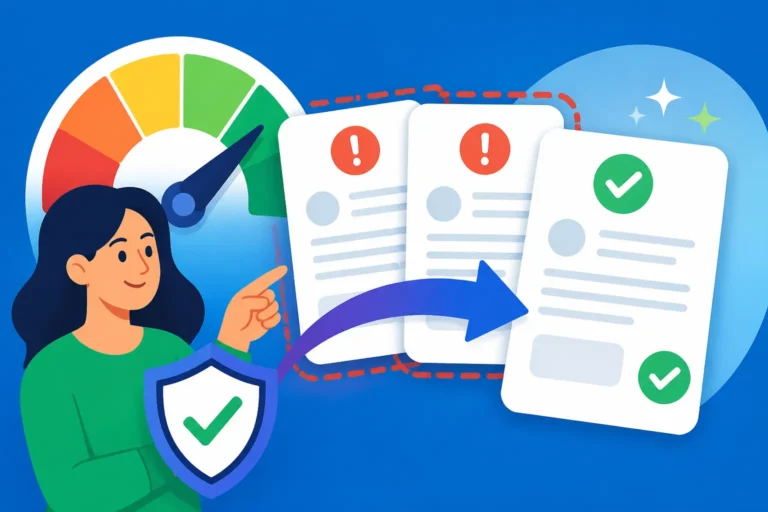
Having a collection account pop up on your credit report can feel like a punch to the gut. It's frustrating, alarming, and often leaves you wondering how on earth you're going to deal with it, especially if paying it off isn't an option right now. But here's the good news: sometimes, you can get a collection removed from your credit report without ever paying a dime. This comprehensive guide will walk you through the various strategies and legal rights you have to tackle these pesky collections.
Understanding Collections and Their Impact
Before we dive into the "how-to," it’s really important to understand what a collection account is and the significant role it plays in your financial well-being. Knowing your enemy, as they say, is half the battle won.
What Exactly Is a Collection Account?
Think of a collection account as a debt that has been so overdue and unaddressed by the original creditor (like your credit card company, hospital, or utility provider) that they've given up trying to collect it themselves. Instead, they've either sold the debt to a third-party collection agency for pennies on the dollar or hired an agency to collect on their behalf.
When this happens, the collection agency becomes the new entity you're dealing with. They've bought the debt cheap, and now their entire business model revolves around getting you to pay it, or at least a portion of it, so they can make a profit. This shift can be confusing because you're no longer dealing with the company you originally owed money to, and sometimes the details of the debt can get a little muddled in the transfer.
How Collections Damage Your Credit Score
Let's be blunt: a collection account is a major red flag on your credit report. It signals to potential lenders that you've struggled to pay your debts in the past, making you seem like a higher risk. The moment a collection hits your report, you'll likely see a noticeable drop in your credit score. This isn't just a minor dip; it can be a significant setback, often costing you dozens, if not over a hundred, points.
The exact impact depends on various factors, such as your credit score before the collection, the age of the debt, and whether it's your only derogatory mark. Unfortunately, these negative marks can linger on your credit report for up to seven years from the date of the original delinquency, even if you eventually pay them off. That's a long time to have something dragging your score down and making it harder to secure loans, rent an apartment, or even get certain jobs.
The Collection Agency's Perspective
It’s helpful to step into the shoes of a collection agency for a moment. They're in business to make money. When they acquire a debt, they often pay very little for it. For example, they might buy a $1,000 debt for $50. This means any amount they collect above $50 is pure profit for them. Because of this low acquisition cost, they have a lot of wiggle room to negotiate.
Their goal is to get you to pay something. While they might initially demand the full amount, they are often willing to settle for less. However, in this guide, we're focusing on strategies to get the collection removed without paying anything at all. This requires you to understand their motivations and, more importantly, your legal rights that can put pressure on them. They know that if they can't verify the debt or if there are inaccuracies, their leverage diminishes significantly.
Initial Steps After a Collection Appears
Discovering a collection on your credit report can send shivers down your spine. Your first reaction might be to call the collection agency immediately, but sometimes, a measured approach is far more effective. Taking the right initial steps can dramatically improve your chances of getting that collection removed.
Don't Panic and Don't Acknowledge Debt
The absolute first thing you should do is resist the urge to panic. Collection agencies are often aggressive, and their tactics can be intimidating. They might call you repeatedly, send threatening letters, or even try to shame you into paying. Do not verbally acknowledge the debt, make any payment, or promise to pay during these initial communications. Any form of acknowledgment or partial payment could inadvertently "reset" the statute of limitations, giving them more time to legally pursue you for the debt.
Instead, stay calm and keep all communication in writing. If they call, simply state that you only communicate in writing and hang up. This immediately puts you in a position of control and creates a paper trail, which is crucial if you need to dispute the debt later.
Get Your Free Credit Reports
Before you do anything else, you need to verify that the collection actually exists on your credit reports and review all the details. You're legally entitled to a free copy of your credit report from each of the three major credit bureaus – Equifax, Experian, and TransUnion – once every 12 months. The most reliable place to get these is through AnnualCreditReport.com the site Review Is It Accurate for Credit Monitoring?, which is the only truly free and government-authorized source.
It's vital to pull reports from all three bureaus because they don't always contain the exact same information. One bureau might show a collection that another doesn't, or the details might vary slightly. This initial review is your detective work, helping you gather all the facts before making your next move.
Verify the Information's Accuracy
Once you have your credit reports in hand, pore over every detail of the collection entry. Look for discrepancies, errors, or outdated information. This is where many successful collection removals without payment begin.
Here’s a checklist of what to scrutinize:
- Account Number: Does it match any account you've ever had?
- Original Creditor: Is the name of the original company correct?
- Balance Amount: Is the outstanding balance accurate?
- Date of First Delinquency (DOFD): This is perhaps the most critical date. It determines how long the collection can legally stay on your report and when the statute of limitations for legal action begins. Many collection agencies report incorrect DOFDs, which can illegally extend how long it impacts your credit.
- Account Status: Is it listed as open, closed, paid, or unpaid?
- Your Personal Information: Are your name, address, and social security number correct? Identity theft can lead to collections on your report that aren't even yours.
Even minor errors can be grounds for disputing the collection. If you find any inaccuracies, it strengthens your position significantly when you start the dispute process. Remember, you can learn more about how to tackle errors by reviewing our guide on How to Dispute Credit Report Errors Step-by-Step.
Leveraging Your Rights: Debt Validation
One of the most powerful tools in your arsenal, especially when trying to remove a collection without paying, is the right to debt validation. This isn't just a polite request; it's a legal right granted to you under federal law.
What is Debt Validation?
The Fair Debt Collection Practices Act (FDCPA) is a federal law that dictates how third-party debt collectors can interact with consumers. One of its most important provisions is the right to debt validation. This means that if you receive a collection notice or are contacted by a debt collector, you have the right to request that they provide proof that you actually owe the debt, and that they have the legal right to collect it from you.
Here's the kicker: you typically have 30 days from the date you receive the initial communication from the debt collector to request this validation. If you send a validation request within this 30-day window, the collection agency must cease all collection activities (including reporting to credit bureaus) until they provide the requested information. This is a huge leverage point because if they can't validate the debt, they can't legally collect it, and it often means you can get it removed from your credit report without paying. You can dive deeper into this process by reading What Is Debt Validation and How to Request It.
How to Send a Debt Validation Letter
Sending a debt validation letter needs to be done correctly to be effective. Don't just pick up the phone. Here’s how to do it:
First, write a clear and concise letter. State that you are disputing the debt and demand validation of the debt. Do not admit that you owe the debt. Simply state that you require validation to confirm its legitimacy. You'll want to ask for specific information, such as:
- The name of the original creditor.
- The original account number.
- The amount of the original debt.
- A breakdown of the current amount owed, including any interest or fees.
- Proof that the collection agency has the legal right to collect the debt (e.g., a copy of the original agreement and proof of assignment or purchase of the debt).
Next, and this is crucial, send the letter via certified mail with a return receipt requested. This provides you with irrefutable proof that you sent the letter and that the collection agency received it. Keep copies of everything – your letter, the mailing receipt, and the return receipt. This paper trail is your evidence if you need to take further action.
What Happens After You Send the Letter?
Once the collection agency receives your debt validation letter, they have a few obligations. According to the FDCPA, they must stop all collection efforts until they provide the requested validation. This means no more phone calls, no more letters, and most importantly for our purposes, no more reporting to the credit bureaus.
If the agency fails to provide sufficient validation within a reasonable timeframe (which isn't explicitly defined but generally means they can't take forever), or if they can't validate the debt at all, they are legally prohibited from collecting on it. If they continue to report the debt or attempt to collect, you may have grounds to dispute it with the credit bureaus and even take legal action against the collection agency for violating the FDCPA. In many cases, if they can't validate, they'll simply stop pursuing the debt and remove it from your credit report. This is often the most straightforward path to removal without payment.
Disputing Inaccurate or Unverified Collections
Even if debt validation doesn't immediately result in removal, identifying errors or a lack of verification opens the door to another powerful strategy: disputing the collection directly with the credit bureaus.
Reasons to Dispute a Collection
The Fair Credit Reporting Act (FCRA) gives you the right to dispute any information on your credit report that you believe is inaccurate, incomplete, or unverifiable. When it comes to collections, there are several common reasons why you might dispute them:
- Inaccuracies: This includes incorrect dates (especially the date of first delinquency, which affects how long it remains on your report), wrong account numbers, incorrect balances, or misidentified original creditors.
- Unverified Debt: If you sent a debt validation letter and the collection agency either didn't respond or couldn't provide sufficient proof that you owe the debt and they have the right to collect it, the debt is considered "unverified." This is a strong reason to dispute.
- Outdated Information: Sometimes, a collection might have exceeded the maximum reporting period (generally seven years from the date of last activity, with some exceptions for bankruptcy or tax liens). If it's too old, it should be removed.
- Identity Theft: If the debt isn't yours because you were a victim of identity theft, you absolutely have the right to dispute and remove it.
Every discrepancy is an opportunity. The credit bureaus are obligated to investigate disputes, and if they can't verify the information with the data furnisher (the collection agency), they must remove it.
The Credit Bureau Dispute Process
Disputing a collection with the credit bureaus can seem daunting, but it's a structured process designed to protect consumers. For a comprehensive walkthrough, refer to How to Dispute With Equifax, Experian, and TransUnion. Here's a general overview:
- Gather Your Evidence: Collect all supporting documents, including your credit reports, the debt validation letter you sent (and any response you received), and any other proof of inaccuracy.
- Contact Each Bureau: You'll need to dispute with each credit bureau that is reporting the collection (Equifax, Experian, and TransUnion) separately. You can do this online, by mail, or sometimes by phone. Mailing a letter, however, often provides the most comprehensive paper trail.
- Clearly State Your Reasons: In your dispute letter (or online form), clearly identify the specific collection account you're disputing and explain why you believe it's inaccurate or unverifiable. Reference the specific errors or the fact that the debt was never validated.
- Send Via Certified Mail (if mailing): Again, certified mail with a return receipt is your best friend for mailed disputes.
- Wait for Investigation: The credit bureaus typically have 30 days (sometimes 45 days if you provide additional information during the dispute) to investigate your claim. They will contact the collection agency (the "data furnisher") to verify the information.
- Review the Results: After their investigation, the bureau will send you results. If the collection agency cannot verify the debt or fails to respond to the bureau's inquiry, the item must be removed from your report. If they do verify it, you'll need to review their evidence and decide your next steps. Remember, Does Disputing Hurt Your Credit Score? is a common question, and generally, no, it does not.
What to Do If the Debt Collector Doesn't Respond to Validation
This is a critical scenario. If you sent a proper debt validation letter within the 30-day window and the collection agency failed to validate the debt or respond at all, you have a very strong case. They are legally prohibited from continuing collection activities or reporting the debt to the credit bureaus.
When disputing with the credit bureaus, emphasize this point. Attach a copy of your debt validation letter (and proof of mailing/receipt) and state clearly that the collection agency failed to validate the debt as required by law. The credit bureaus will then contact the collection agency. If the agency still can't produce the required documentation to the credit bureau, the item must be removed. This is one of the most effective ways to get a collection removed without paying.
Dealing with Older Debts: Statute of Limitations and Time-Barred Debt
Not all debts are created equal, especially when it comes to how long they can legally be pursued. Understanding the distinction between when a debt can be reported and when it can be legally enforced is crucial for navigating older collection accounts without paying.
Understanding the Statute of Limitations on Debt
Every state has a "statute of limitations" (SOL) that dictates the maximum period of time a creditor or collection agency has to file a lawsuit against you to collect a debt. Once this period expires, the debt becomes "time-barred." This means that while you still technically "owe" the debt, a collector can no longer successfully sue you in court to force payment.
The length of the statute of limitations varies significantly by state and also by the type of debt. For example, in California, the SOL on written contracts is generally four years, while in other states it might be longer or shorter. It's incredibly important to know the specific SOL for your state and debt type. For example, if you live in California, you might want to look into the specifics of Statute of Limitations on Debt in California.
The clock for the SOL usually starts ticking from the "date of last activity" on the account. This could be your last payment, your last purchase, or the date the account went into default. This is why it's so important not to make any payments or verbally acknowledge the debt on an old account, as doing so could potentially reset the clock, giving the collector a fresh window to sue you.
Time-Barred Debt and Its Implications
A debt that is past the statute of limitations is considered "time-barred." While a collection agency cannot sue you for this debt, they are often still allowed to contact you and ask you to pay it. They might try to use tactics to encourage you to make a partial payment or acknowledge the debt, hoping to restart the SOL clock.
It's crucial to understand that even if a debt is time-barred, it can still appear on your credit report for up to seven years from the date of original delinquency. The statute of limitations for legal action is separate from the credit reporting time limit. So, even if they can't sue you, it might still impact your credit score. However, if the debt is both time-barred and past the seven-year credit reporting period, you have solid grounds to dispute it with the credit bureaus for removal.
Avoiding the "Debt Reset" Trap
This is a big one. Collection agencies are well aware of the statute of limitations, and they will try to get you to inadvertently restart the clock on older debts. The most common ways they do this are by getting you to:
- Make a partial payment: Even a small payment can be interpreted as an acknowledgment of the debt, restarting the SOL.
- Verbally acknowledge the debt: Saying things like "I know I owe that" or "I'll try to pay that next month" can also restart the clock in some states.
- Enter into a new payment agreement: If you agree to a new payment plan for an old, time-barred debt, you're essentially creating a new contract, and the SOL for that new contract begins.
Your best defense against this trap is to avoid direct communication about old debts where you might accidentally acknowledge them. If you suspect a debt is old and nearing or past its SOL, your primary strategy should be debt validation first, and then disputing any inaccuracies or unverified claims with the credit bureaus. This allows you to stand firm on your rights without inadvertently extending the collector's legal reach.
Other Strategies for Collection Removal Without Paying
While debt validation and disputes are your heavy hitters, there are a few other creative strategies you can employ to try and get collections removed from your credit report without opening your wallet. These often work best in specific circumstances or as a last resort.
Goodwill Letters
A goodwill letter is essentially a plea for mercy. This strategy is most effective for single, isolated negative marks (like a late payment) rather than full-blown collection accounts, but it can sometimes work with collections if you have an otherwise stellar payment history and a compelling reason for the collection. The idea is to write directly to the original creditor or, less commonly, the collection agency, explaining the circumstances that led to the collection.
You’ll want to acknowledge the debt (this is one of the few times you might do so, but be careful not to reset the SOL if it’s an older debt), express remorse, and politely ask them to remove the derogatory mark as a gesture of goodwill. Highlight any long-standing positive relationship you had with the original creditor before the issue arose. For example, if you consistently paid on time for years and then faced an unexpected medical emergency that caused the collection, this might be a situation where a goodwill letter could work. You can find templates and tips for writing these letters, often used for late payments, in our guide on Goodwill Letter for Late Payments Template Tips. Be realistic, though; this is a long shot for collections, as they've already sold or written off the debt.
Consumer Statement
If all else fails and a collection remains on your credit report that you feel is unfair or inaccurate, you have the right to add a "consumer statement" to your credit report. This is a brief statement, usually around 100 words, that provides your side of the story regarding the collection.
For instance, you might explain that the debt was never properly validated by the collection agency, or that it was the result of a billing dispute with the original creditor. While a consumer statement doesn't remove the negative item itself, it can offer context to potential lenders, landlords, or employers who review your report. It's a way to explain the situation from your perspective, potentially mitigating some of the negative impact. To add a statement, you simply contact each credit bureau and request to add one to the specific account.
Cease and Desist Letters
While not directly a method for removing a collection from your credit report, a cease and desist letter can certainly help you manage the stress and harassment often associated with collection agencies. Under the FDCPA, you have the right to send a written letter to a debt collector demanding that they stop contacting you.
Once they receive this letter, they are legally obligated to cease all communication, except to notify you that they will no longer contact you, or to inform you that they intend to take a specific action (like filing a lawsuit, if the debt is not time-barred). This can give you much-needed peace and quiet while you pursue other strategies for removal, such as validation or disputes. It shifts the power dynamic and forces them to respect your boundaries. You can find more details about stopping unwanted contact in our guide on How to Freeze Debt Collector Contact Cease & Desist.
Remember, building a strong credit profile takes time and consistent effort. While you're working on getting those negative items off your report, actively building new positive credit history is just as important. Tools like a secured credit card or a credit-builder loan, such as those offered by Credit Strong, can be invaluable during this rebuilding phase, helping you offset the impact of any lingering collections. Even if you can't get a collection entirely removed, showing consistent positive payment history on other accounts can lessen its overall effect. Consider exploring options for How to Fix Your Credit After Collections if you find some items are stubborn.
Collection Removal Strategies Summary
Here’s a quick overview of the strategies we've discussed for removing collections without paying, along with their key characteristics:
| Strategy | Primary Goal | Payment Required? | Best for… | Key Benefit | Potential Drawback |
|---|---|---|---|---|---|
| Debt Validation | Prove legitimacy and ownership of the debt. | No | Newly reported collections (within 30 days of first contact). | Collector must cease reporting/contact if unable to validate. | Requires timely action and careful documentation. |
| Credit Dispute | Remove inaccurate, incomplete, or unverified items. | No | Any collection with errors, or if validation failed. | Credit bureaus must investigate; removal if unverified. | Can be a back-and-forth process. |
| Statute of Limitations | Avoid legal action; dispute if past credit reporting period. | No | Very old debts (past SOL for legal action, or past 7-year reporting). | Protection from lawsuits; eventual removal from report. | Debt can still be requested, and might still report for 7 years. |
| Goodwill Letter | Request removal as a gesture of goodwill. | No (but can imply willingness to pay) | Isolated collection, strong payment history, compelling reason for default. | Can lead to direct removal from creditor. | Often a long shot for true collections. |
| Consumer Statement | Add your side of the story to the report. | No | When removal isn't possible, but you want to explain circumstances. | Provides context to potential lenders/employers. | Does not remove the negative item itself. |
| Cease & Desist Letter | Stop collection agency contact. | No | Harassing calls/letters from collection agencies. | Immediate cessation of most communication. | Does not remove the collection from your credit report. |
While these strategies are powerful, sometimes a collection is legitimate and accurately reported, and cannot be removed without payment. In those situations, exploring options like How to Negotiate With Debt Collectors or even considering professional help from a reputable credit repair service might be appropriate.
Final Thoughts on Tackling Collections
Navigating collection accounts can feel like trying to escape a financial labyrinth, especially when you're determined not to pay money you don't have or don't legally owe. But you're not powerless in this situation. By understanding your rights under laws like the FDCPA and FCRA, and by being diligent and organized, you absolutely can challenge and potentially remove collections from your credit report without ever writing a check.
It requires patience, persistence, and meticulous record-keeping. Always keep copies of everything you send and receive, and prioritize written communication. While the process can be frustrating, empowering yourself with knowledge and action is the most effective way to regain control over your credit health. If you find yourself needing more general assistance, don't hesitate to check out resources like How to Remove Collections From Your Credit Report.
Remember, you're advocating for yourself, and the laws are on your side when it comes to fair reporting and debt collection practices. Don't let the fear or intimidation tactics of collection agencies deter you from asserting your rights.
Disclaimer
This article is for general informational purposes only and does not constitute professional advice. Laws, prices and regulations vary by location and change over time. Consult a qualified professional for guidance on your specific situation.