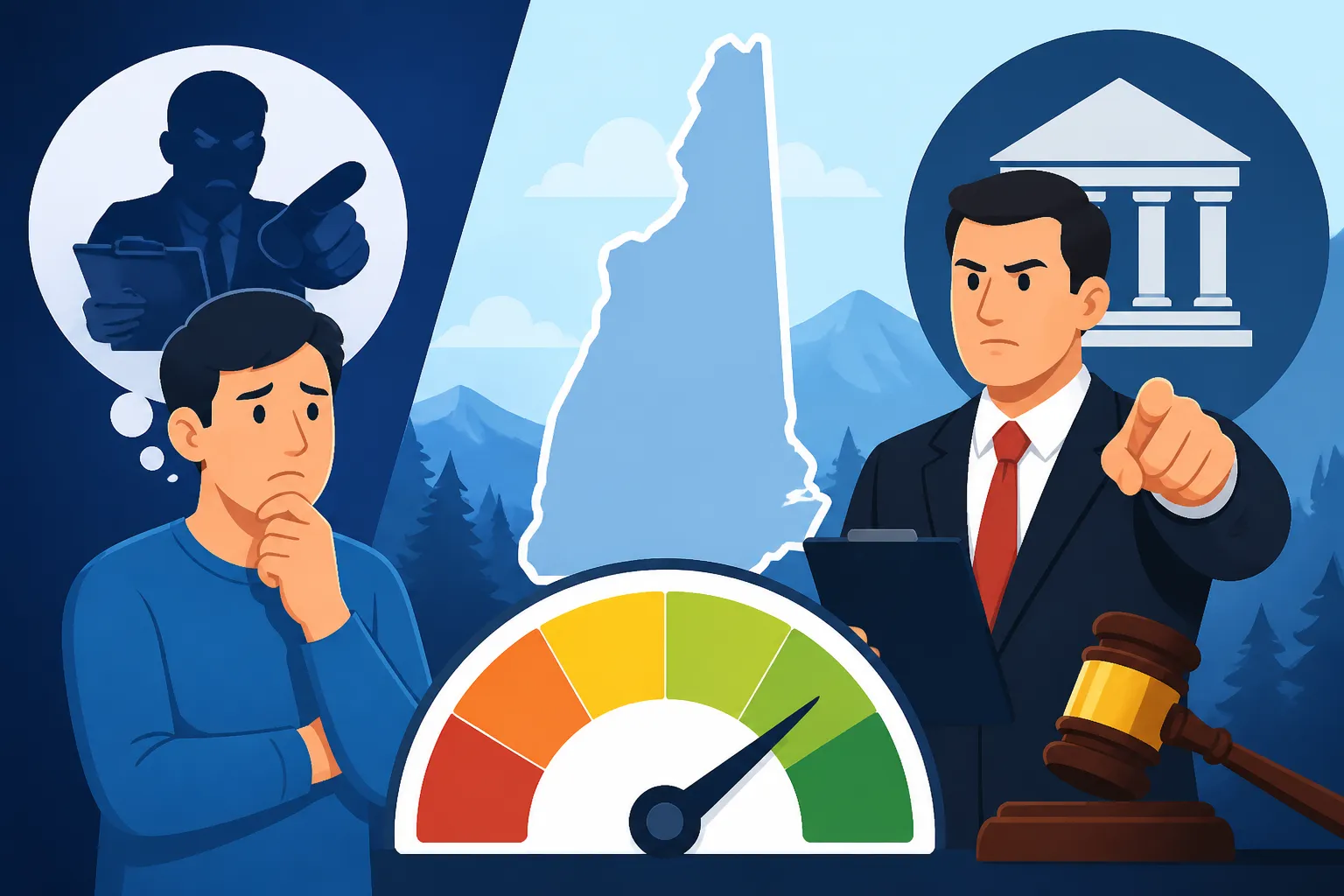
Can a Debt Collector Sue You in New Hampshire?
The anxiety of seeing a debt collector's name on an envelope or, even worse, being served with legal papers can be absolutely terrifying. Many folks in New Hampshire wonder if a debt collector can actually take them to court and what rights they have if that happens. This comprehensive guide is here to break down the ins and outs of debt collection lawsuits in the Granite State, helping you understand your legal standing and how to navigate these often-stressful situations.
Understanding New Hampshire's Legal Landscape for Debt
Dealing with debt collectors can feel like navigating a minefield, especially when you're not sure what rules they have to play by or what legal recourse they truly possess. In New Hampshire, there are specific laws and timelines that govern how and when a debt collector can pursue legal action against you. Knowing these foundational elements is your first line of defense and can significantly empower you in any conversation or legal challenge that arises. It’s not just about what they say they can do, but what the law actually allows.
The Statute of Limitations in New Hampshire
One of the most crucial pieces of information you need to understand is the "statute of limitations" (SOL). This isn't just a fancy legal term; it's a hard deadline for how long a creditor or debt collector has to sue you in court to collect on a debt. Once this time limit expires, they generally lose their right to use the legal system to force you to pay. This doesn't mean the debt disappears or that they stop calling, but it does mean they can no longer successfully sue you for it.
In New Hampshire, the statute of limitations can vary depending on the type of debt. For most common consumer debts, like credit card debts or medical bills, it typically falls under contract law. For written contracts, such as most credit card agreements or personal loans, the statute of limitations in New Hampshire is generally three years. This also applies to oral agreements and open-ended accounts, which covers many credit card debts even if there wasn't a formal signed paper contract. However, judgments (court orders to pay) have a much longer life, usually 20 years, and these can be renewed. It's vital to remember that the clock usually starts ticking from the date of your last payment or the last activity on the account, not necessarily when the debt was incurred.
What many people don't realize is that certain actions can "restart" the statute of limitations, inadvertently giving a collector more time to sue. This is often referred to as "re-aging" the debt. Making a partial payment on an old debt, or even acknowledging the debt in writing (like promising to pay it), can sometimes reset that three-year clock. Imagine you have a credit card debt from five years ago. A collector calls, and you, feeling guilty, make a small payment. That payment could potentially restart the three-year clock, suddenly making you vulnerable to a lawsuit again, even if the original period had long passed. This is why it's so important to be incredibly careful when interacting with collectors about old debts. If you're exploring options to resolve older negative marks, understanding Should You Pay Off Old Collections? can offer deeper insights into the implications of such actions.
Let's consider a scenario: Sarah lives in Nashua and has an old credit card debt that she stopped paying four years ago. She hasn't made any payments or had any contact with the original creditor or subsequent debt collectors since then. Under New Hampshire law, the three-year statute of limitations for that specific debt has likely expired. If a debt collector were to call her now and threaten a lawsuit, Sarah would have a strong defense. She could inform them that the debt is outside the statute of limitations, and they would not be able to legally compel her to pay through a court action. However, if she were to make a single $20 payment on that debt today, the clock could reset, and they might have another three years to sue her, completely changing her legal standing. This highlights the critical importance of knowing these timeframes before taking any action.
Debt Collection Practices and Your Rights in New Hampshire
Beyond the statute of limitations, you have a host of rights under federal and state law designed to protect you from abusive or unfair debt collection tactics. The primary federal law is the Fair Debt Collection Practices Act (FDCPA), which applies to third-party debt collectors, not typically original creditors. New Hampshire also has its own consumer protection statutes that mirror some of the FDCPA's protections and, in some cases, offer additional safeguards.
The FDCPA prohibits debt collectors from engaging in specific actions, such as calling you repeatedly or continuously with the intent to annoy or harass, making false or misleading representations (like pretending to be attorneys if they are not), threatening you with arrest, or using obscene language. They also cannot discuss your debt with third parties, except in very limited circumstances like obtaining location information about you. If a collector violates these rules, you have the right to sue them. It’s essential to remember that you have the power to control how and when they contact you. You can send a cease and desist letter to stop all communication, for example. For more guidance on managing these interactions, learning How to Negotiate With Debt Collectors can provide valuable strategies.
One of your most potent rights is the right to debt validation. Within five days of their initial contact, a debt collector must send you a written notice that includes the amount of the debt, the name of the creditor, and a statement of your right to dispute the debt. You have 30 days from receiving this notice to send a written request for validation. If you do, the collector must stop all collection efforts until they provide verifiable proof that the debt is yours and that they have the legal right to collect it. This might include copies of original agreements, payment histories, or assignment documents. If they can't validate the debt, they can't legally pursue it. If you suspect errors or simply want to confirm the debt, understanding What Is Debt Validation and How to Request It is absolutely crucial.
Consider David, a resident of Dover, who started getting aggressive phone calls from a debt collector claiming he owed money for an old utility bill. The collector was calling him at work, even after David asked them to stop. David sent a certified letter to the collector, disputing the debt and requesting validation. He also explicitly stated that they should no longer contact him at his workplace. The collector, ignoring his request, continued to call his office. Not only did David have a right to validation, but the collector’s actions of calling his workplace after being told not to, and continuing to call after a validation request, constitute violations of the FDCPA, for which David could potentially seek legal action. This shows that knowing your rights isn't just theoretical; it provides practical leverage.
What Happens When a Debt Collector Sues You
Even with all your rights and the statute of limitations in place, debt collectors can and do file lawsuits. This is often their most powerful tool, as a successful lawsuit can lead to a court order demanding payment and allowing them to pursue other aggressive collection methods. It's a serious matter, and understanding the process and potential outcomes is critical for anyone facing such a situation in New Hampshire. The key takeaway here is: do not ignore a lawsuit.
Receiving a Summons and Complaint
The first indication that a debt collector is suing you will be the receipt of a summons and a complaint. These are formal legal documents that are usually "served" to you by a sheriff, a professional process server, or sometimes by certified mail, depending on the rules in New Hampshire. A summons is basically a court order telling you that you've been sued and that you need to respond by a specific deadline. The complaint details the allegations against you, usually stating that you owe a certain amount of money to the plaintiff (the debt collector or creditor) and why.
Ignoring a summons and complaint is perhaps the worst thing you can do. It's like not showing up for a crucial exam – you'll automatically fail. If you fail to respond within the timeframe specified on the summons (which is usually around 20-30 days in New Hampshire, but always check the document for exact timing), the court can issue a default judgment against you. A default judgment means the court automatically rules in favor of the debt collector because you didn't present a defense. Once they have a judgment, their collection powers increase dramatically, making it much harder for you to dispute the debt or protect your assets.
Imagine John, who lives in Manchester, comes home to find a sheriff's deputy at his door, handing him some official-looking papers. He quickly glances at them, sees a debt collector's name and a dollar amount, and shoves them into a drawer, hoping the problem will just go away. This is a common, yet dangerous, reaction. That stack of papers is a summons and complaint, and it's a direct order for John to respond to the court. If John ignores it for the next 30 days, the debt collector will likely file a motion for default judgment, and the court will grant it. Then, John will be on the hook for the debt, possibly facing further legal actions without ever having presented his side of the story. Understanding your How to Dispute With Equifax, Experian, and TransUnion rights for accuracy extends to disputes in court, making a response even more critical.
Potential Outcomes of a Debt Lawsuit
If a debt collector successfully obtains a judgment against you in New Hampshire, they gain significant legal tools to collect that debt. These "post-judgment" remedies can include wage garnishment, bank account levies, and property liens. It's a far more serious situation than just receiving collection calls, because now the court is on their side.
- Wage Garnishment: In New Hampshire, a judgment creditor can typically garnish a portion of your wages. While federal law limits garnishment to 25% of your disposable earnings or the amount by which your disposable earnings exceed 30 times the federal minimum wage (whichever is less), New Hampshire state law may have specific protections or procedures that influence how this is applied. Your employer would be legally required to withhold a portion of your paycheck and send it directly to the debt collector until the judgment is satisfied.
- Bank Account Levy (or Attachment): A judgment creditor can also seek a court order to seize funds from your bank accounts. They can "levy" your checking or savings accounts, meaning they can take money directly from your bank to satisfy the debt. Certain funds, like Social Security benefits, may be protected, but general funds are often vulnerable.
- Property Liens: For larger debts, a judgment can become a lien on real estate you own. This means that if you try to sell or refinance your property, the debt would have to be paid off from the proceeds before you could complete the transaction. In some cases, they might even pursue a judicial sale of the property, though this is less common for consumer debts.
Let's revisit Mary, who lives in Concord. She had a hefty credit card debt and, like John, ignored the summons she received, resulting in a default judgment against her. Now, the debt collector has secured an order to garnish her wages. Each paycheck, her employer is forced to deduct 25% of her disposable income and send it directly to the debt collector. This significantly impacts her ability to pay other bills and manage her household finances, putting immense strain on her family. She’s now in a much more difficult position than if she had addressed the lawsuit head-on. If you're struggling with multiple negative items, learning How to Remove Collections From Your Credit Report outlines steps for improving your financial standing post-judgment.
However, a lawsuit isn't always a guaranteed win for the collector. If you respond to the summons, you have the opportunity to present your defense. This could involve showing that the statute of limitations has expired, that the debt isn't yours, that the amount is incorrect, or that the collector doesn't have the proper documentation to prove the debt. Many debt collectors rely on consumers not responding, so simply engaging with the legal process can put you in a stronger position. Sometimes, responding can even open the door for settlement negotiations, where you might be able to pay a reduced amount to resolve the issue before a court ruling.
Strategies to Avoid and Respond to a Debt Lawsuit
Facing a potential debt lawsuit can feel overwhelming, but you're not powerless. There are proactive steps you can take to prevent a lawsuit from happening in the first place, and crucial strategies to employ if you do find yourself served with legal papers. Being informed and taking action can make a world of difference in the outcome. It’s about being strategic, not just reactive.
Proactive Steps Before a Lawsuit
The best defense is often a good offense, especially when it comes to debt. Before a debt collector even considers suing you, there are several things you can do to protect yourself and your finances. These steps involve vigilance, communication, and sometimes, a little bit of negotiation.
First and foremost, regularly checking your credit report is critical. This is your personal financial health check-up. You are entitled to a free credit report from each of the three major bureaus (Equifax, Experian, and TransUnion) once a year at AnnualCreditReport.com. Review these reports meticulously for any inaccuracies, especially regarding collection accounts. Sometimes, collectors pursue debts that aren't yours, or that have already been paid, or have incorrect balances. Identifying these errors early can give you a powerful defense. If you spot anything amiss, knowing How to Dispute Credit Report Errors (Step-by-Step) is a vital skill.
If a debt collector contacts you about a debt you don't recognize or are unsure about, the very next step should be to send them a debt validation letter. This formal request demands proof that you owe the debt and that they have the legal right to collect it. They must pause collection efforts until they provide this proof. If they can't validate the debt, they often have to drop their claims. This simple, yet powerful, step can often stop a potential lawsuit in its tracks.
Another proactive strategy is negotiation. If the debt is legitimate and you can afford to pay something, you might be able to negotiate a settlement for less than the full amount. Collectors often buy debts for pennies on the dollar, so they may be willing to accept 40-70% of the original amount. Be sure to get any settlement agreement in writing before you pay a single dime. Sometimes, you can even negotiate a "pay-for-delete" agreement, where they agree to remove the negative item from your credit report in exchange for payment. While not all collectors agree to this, it's worth exploring, and you can learn more about if Pay for Delete: Does It Really Work? in practice.
Finally, consider ways to bolster your financial health and credit standing. If you're rebuilding credit or trying to establish a positive payment history, tools like a secured credit card or a credit-builder loan can be incredibly helpful. For instance, programs like Credit Strong offer credit builder accounts that report your payments to the credit bureaus, helping you establish a positive payment history and a healthier credit mix. This proactive approach to building credit can help you avoid future debt issues and demonstrate financial responsibility, which is important for any potential creditor or lender. A strong credit profile, as detailed in guides like How to Build Credit From Scratch (2026 Guide), makes you less of a target for aggressive collection tactics in the long run.
Defending Yourself in Court
If you've been served with a summons and complaint, the time for proactive prevention has passed, and it's time for active defense. This means you absolutely must respond to the court, even if it's just to buy yourself more time and present your arguments. Ignoring the lawsuit is the worst possible option.
Your first step is to file an "Answer" with the court within the specified deadline. This is a formal document where you respond to each allegation in the complaint, admitting or denying them. This is also where you raise any "affirmative defenses" you might have. Common defenses in debt lawsuits include:
- Statute of Limitations: If the debt is older than New Hampshire's three-year limit, this is a strong defense. You would argue that the collector waited too long to sue.
- Not Your Debt: You might claim that the debt doesn't belong to you, perhaps due to identity theft or mistaken identity.
- Incorrect Amount: You could argue that the amount claimed by the collector is incorrect.
- Lack of Documentation: The collector might not have sufficient proof (original contract, full payment history) to demonstrate that you owe the debt or that they have the legal standing to collect it.
- Improper Service: If you were not properly served with the summons and complaint according to New Hampshire's rules, you could argue that the court lacks jurisdiction.
Gathering evidence is crucial. This includes copies of your credit reports, any communications you've had with the original creditor or collector, proof of payments made, or any other documents that support your defense. For example, if you claim the debt is not yours, having an identity theft report or proof of a different address during the debt period would be helpful. The more documentation you have, the stronger your case.
Consider Elena, a resident of Berlin, who was sued for a medical bill she believed her insurance had covered. Instead of ignoring the summons, she filed an Answer with the court, denying the debt and stating her affirmative defense that the bill was paid by insurance. She meticulously gathered all her insurance statements, explanation of benefits (EOBs), and records of communication with her insurer and the medical provider. She also looked at her How to Read Your Credit Report (2026 Guide) to confirm the details. Elena showed up in court with her organized binder of evidence. Facing Elena's clear documentation, the debt collector's attorney realized they had a weak case and offered to dismiss the lawsuit without payment. This demonstrates how a diligent defense can prevent a costly judgment. While navigating the legal system can be intimidating, you don't always have to go it alone. Many individuals find success by preparing diligently and understanding their rights.
When to Seek Professional Help
Navigating debt collection lawsuits can be incredibly complex, especially if you're not familiar with legal procedures or consumer protection laws. While this guide aims to empower you with information, there are definitely times when the best course of action is to seek assistance from professionals. These experts can provide tailored advice, represent your interests, and help you achieve the best possible outcome.
Legal Assistance and Consumer Protection
If you've received a summons, or even if you're just facing aggressive collection tactics, consulting with an attorney specializing in consumer law or debt defense in New Hampshire is highly advisable. They can review your specific situation, explain your legal options, and represent you in court. An attorney can help you understand the nuances of New Hampshire's laws, identify potential defenses like an expired statute of limitations, and ensure all court procedures are followed correctly. Many offer free initial consultations, so it doesn't hurt to explore your options.
You can often find qualified legal assistance through the New Hampshire Bar Association, which provides lawyer referral services, or through local legal aid organizations, which may offer free or low-cost legal services to individuals who meet certain income requirements. Organizations like New Hampshire Legal Assistance are dedicated to helping low-income residents with civil legal issues, including consumer debt matters.
Beyond legal representation, various government agencies exist to protect consumers from unfair practices. The Federal Trade Commission (FTC) and the Consumer Financial Protection Bureau (CFPB) are excellent resources for reporting debt collector misconduct. While they don't typically intervene in individual disputes, your complaint helps them identify patterns of illegal behavior and take action against unscrupulous collectors. If a debt collector is harassing you, making false threats, or violating your rights under the FDCPA, filing a complaint with these agencies is an important step. Additionally, watch out for red flags that could indicate you're dealing with a scam; knowing How to Spot a Credit Repair Scam can save you from further financial distress.
Consider Michael, who lives near Portsmouth. He's being sued for an old credit card debt, and he’s positive the statute of limitations has expired. However, he's intimidated by court procedures and isn't sure how to properly file an Answer or present his defense. Michael decides to contact a local consumer law attorney. The attorney confirms his assessment about the SOL, helps him draft and file the necessary court documents, and represents him in court. Thanks to professional guidance, Michael avoids a default judgment and the lawsuit is dismissed, saving him thousands of dollars and immense stress.
Credit Counseling and Debt Management Options
Sometimes, the issue isn't just a single debt collection lawsuit, but a broader struggle with overwhelming debt. In these situations, legal help might be just one piece of the puzzle. Non-profit credit counseling agencies can provide invaluable assistance. These agencies offer free or low-cost financial education, budgeting advice, and debt management plans (DMPs).
In a DMP, the credit counseling agency works with your creditors to consolidate your monthly payments into one manageable payment, often with reduced interest rates. This can help you get out of debt faster and prevent new collection actions or lawsuits. These agencies are usually accredited by organizations like the National Foundation for Credit Counseling (NFCC), ensuring they are reputable and provide legitimate help. You can also explore options like a credit-builder loan, which is another tool that can help people get back on track financially. Credit Strong, for example, is a well-known option that helps users build credit history through a secure savings loan. By making on-time payments, users can improve their credit score while saving money, providing a dual benefit for those looking to improve their financial standing.
Bankruptcy is another option, typically considered a last resort when debt becomes truly unmanageable. Filing for bankruptcy can stop collection lawsuits, wage garnishments, and calls from debt collectors immediately. It’s a complex legal process with significant long-term implications for your credit, but for some, it offers a fresh start. An attorney specializing in bankruptcy can help you understand if it's the right choice for your circumstances and guide you through the process. For individuals looking to address their entire debt picture, understanding How to Fix Your Credit After Collections provides actionable steps for a fresh start.
Ultimately, whether it's through a lawyer, a credit counselor, or exploring personal finance tools like Credit Strong, the goal is to take control of your financial situation. Don't let fear paralyze you; there are resources and professionals available to help you navigate these challenges and work towards a more secure financial future.
New Hampshire Debt Collection Statute of Limitations
Here's a quick summary of typical statutes of limitations for common debt types in New Hampshire. Remember, these are general guidelines, and individual circumstances can vary. Always consult with a legal professional for specific advice.
| Debt Type | Statute of Limitations in New Hampshire | Notes |
|---|---|---|
| Written Contracts | 3 years | Applies to most credit card agreements, personal loans, auto loans, mortgages. |
| Oral Contracts | 3 years | Applies to verbal agreements. |
| Open-Ended Accounts | 3 years | Often applies to credit card debts, lines of credit. |
| Promissory Notes | 3 years | Formal written promises to pay a specific sum. |
| Judgments | 20 years | Once a court judgment is obtained, it's valid for a much longer period. Can often be renewed. |
Disclaimer: This information is for educational purposes only and not legal advice. Debt laws can be complex and are subject to change. Always consult with a qualified attorney in New Hampshire for advice specific to your situation.