How to Remove Student Loan Default From Your Report
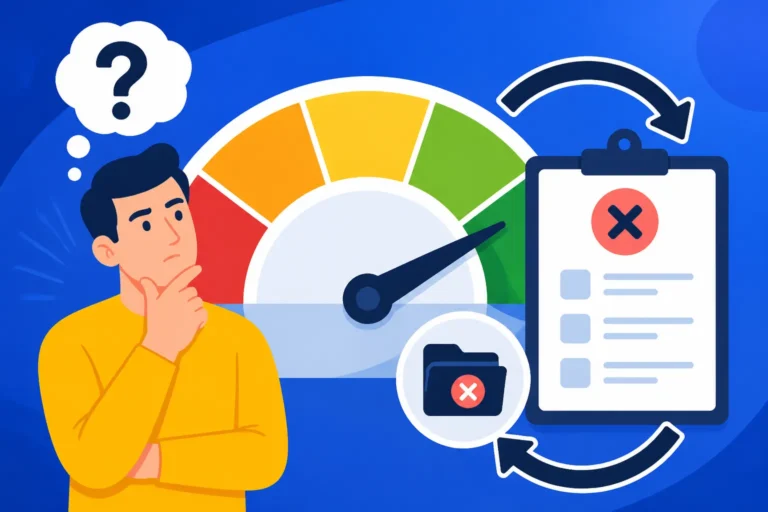
Finding out your student loan is in default can feel like a punch to the gut, casting a long shadow over your financial future and making everything from renting an apartment to getting a new credit card feel impossible. It’s a frustrating situation that many people face, often due to unexpected life events rather than a lack of desire to pay. This guide is here to walk you through the complex world of student loan default and, more importantly, empower you with actionable strategies to get it removed from your credit report and start rebuilding your financial standing.
What is Student Loan Default and Its Impact?
When you take out a student loan, you agree to specific repayment terms. Failing to meet those terms for an extended period can lead to your loan being declared in default. This isn't just a minor administrative hiccup; it's a serious financial event with far-reaching consequences that can derail your credit and cause significant stress.
Defining Default versus Delinquency
It’s crucial to understand the difference between a loan being delinquent and being in default. Delinquency starts the moment you miss a payment. Your loan becomes 30 days delinquent after one missed payment, then 60, then 90, and so on. These missed payments are reported to the major credit bureaus – Equifax, Experian, and TransUnion – and begin to damage your credit score immediately. The longer a payment is missed, the worse the impact. Think of it as a warning sign that your credit is heading in the wrong direction.
Default, however, is a more severe stage. For most federal student loans, default typically occurs after 270 days (about nine months) of missed payments. Private student loans can declare default much sooner, sometimes after just one to three missed payments, depending on the terms of your promissory note. Once a loan defaults, it's no longer just a series of missed payments; it's a complete failure to fulfill the loan agreement, leading to escalated actions by the lender or the government. This distinction is vital because the steps to fix a delinquent loan are different (and generally easier) than those for a defaulted loan.
The Severe Consequences of Default
The repercussions of student loan default are extensive and can feel overwhelming. Firstly, your credit score will take a massive hit. A defaulted loan is a major negative item, and it can stay on your credit report for up to seven years from the date of the first delinquency or the date of default, making it incredibly difficult to secure new credit, like a mortgage or a car loan, at reasonable interest rates. Even renting an apartment or getting certain jobs can become a challenge, as many landlords and employers check credit histories.
Beyond your credit score, the government or private lenders have powerful tools to collect defaulted federal loans. The entire unpaid balance of your loan, including interest and fees, can become immediately due. The government can garnish your wages without a court order, intercept your tax refunds, and even withhold a portion of your Social Security benefits. For private loans, lenders can sue you to collect the debt, potentially leading to court judgments, wage garnishments, and bank account levies. Furthermore, you lose eligibility for future federal student aid, deferment, forbearance, and flexible repayment plans on your existing loans, closing off avenues that could have helped you manage your debt. It's a truly dire situation, but not one without potential solutions. If you're struggling to understand the full picture, learning How to Read Your Credit Report (2026 Guide) can be a crucial first step.
Understanding Your Student Loan Default
Before you can tackle a defaulted student loan, it’s absolutely critical to understand what kind of loan you have – federal or private – because the rules, consequences, and resolution options are vastly different. Many people aren't entirely sure, especially if they have a mix of loans, and this distinction is the cornerstone of any effective strategy.
Federal Student Loans: How Default Works
Federal student loans are issued or guaranteed by the U.S. Department of Education. These include Stafford Loans, Perkins Loans, PLUS Loans, and Direct Loans. The beauty of federal loans, even in default, is that they come with significant protections and structured pathways for recovery that private loans simply don't offer. As mentioned, federal loans typically enter default after 270 days of non-payment. Once in default, the loan will usually be transferred from your original loan servicer (like Nelnet or MOHELA) to the Default Resolution Group or a private collection agency contracted by the government.
The Department of Education can then exercise powerful collection methods, such as administrative wage garnishment, tax refund offset, and even Social Security benefit offset, without needing a court judgment. However, the good news is that federal loans offer specific programs designed to get you out of default, such as loan rehabilitation and loan consolidation. These programs are designed with the understanding that life happens, and they provide a structured way for borrowers to regain good standing and repair their credit. Understanding these mechanisms is the first step in formulating your recovery plan.
Private Student Loans: Different Rules of Engagement
Private student loans are issued by banks, credit unions, and other private lenders (like Sallie Mae, Discover, or Wells Fargo). Unlike federal loans, private loans do not offer the same level of borrower protections, income-driven repayment plans, or rehabilitation programs. The terms of default for private loans are typically outlined in your specific loan agreement and can vary widely from lender to lender, often kicking in much faster than federal loans. Some private loans may be declared in default after just one missed payment, while others might allow for a longer period.
Once a private loan defaults, the lender will likely transfer the debt to an internal collections department or sell it to a third-party debt collector. Their collection methods are more constrained by state laws and consumer protection regulations compared to the federal government's powers. They generally cannot garnish your wages or intercept tax refunds without first suing you and obtaining a court judgment. However, if they do get a judgment, they can pursue various legal avenues to collect the debt. The key difference here is that negotiation is often the primary strategy for private loans, as structured programs like rehabilitation are non-existent.
Strategies to Remove Federal Student Loan Default
If your federal student loan is in default, don't despair. The U.S. Department of Education provides specific pathways to help borrowers get out of default and restore their financial health. These aren't quick fixes, but they are proven methods that, with dedication, can lead to significant relief and credit repair.
Loan Rehabilitation: A Path to Recovery
Loan rehabilitation is arguably the most common and effective way to get out of federal student loan default. This program requires you to make nine voluntary, reasonable, and affordable monthly payments within a 10-month period. A "reasonable and affordable" payment amount is determined by your income, family size, and other expenses, and it might be as low as $5 a month if your financial situation is particularly challenging. It’s important that these payments are made on time and in full.
Once you successfully complete the rehabilitation program, the loan is removed from default status. Crucially, the record of the default itself is removed from your credit report. While the individual late payments that led to the default will likely remain, the removal of the default status itself is a huge win for your credit score. Furthermore, you regain eligibility for federal student aid, deferment, forbearance, and access to income-driven repayment plans. This fresh start is incredibly valuable for future financial planning and for starting to rebuild your credit.
Loan Consolidation: A Fresh Start Option
Another powerful option for federal student loan default is loan consolidation. This involves taking out a new Direct Consolidation Loan to pay off one or more of your existing federal student loans, including those in default. To be eligible to consolidate a defaulted loan, you typically need to either make three consecutive, voluntary, and reasonable monthly payments on the defaulted loan before consolidating, or agree to repay the new Direct Consolidation Loan under an Income-Driven Repayment (IDR) plan.
The main benefit of consolidation is that it immediately removes the underlying loans from default status. This means collection activities like wage garnishment or tax refund offset will stop. However, it’s important to note that unlike rehabilitation, consolidation does not remove the record of the default from your credit report. The defaulted status will still show up, but the loan will reflect as "paid by consolidation" or "current." While it doesn't erase the past, it allows you to get your loans back into good standing and access federal benefits like IDR plans, which can make future payments manageable. Choosing between rehabilitation and consolidation depends on your specific goals and financial situation. If your goal is to have the default notation entirely removed from your credit report, rehabilitation is generally the better choice.
Paying in Full or Settling: When It's Possible
While less common for many borrowers, paying your defaulted federal student loan in full will immediately remove it from default status. If you have the financial means to do this, it's the fastest way to resolve the issue. However, this is often not a realistic option for someone who struggled to make payments in the first place.
Another possibility is debt settlement. The Department of Education may offer to settle your defaulted federal student loan for an amount less than what you owe. Settlements are usually offered at 90% of the principal and interest, or 100% of the principal and 50% of the accrued interest. These offers are not guaranteed and are typically reserved for situations where the borrower can pay a lump sum or make a few large payments. Similar to consolidation, a settlement will get your loan out of default and stop collection efforts, but the default record itself will likely remain on your credit report. If you're exploring settlement, it's wise to understand How to Negotiate With Debt Collectors for all types of debt, as some of those principles can apply here.
Strategies to Address Private Student Loan Default
Dealing with a defaulted private student loan is often more challenging than federal loans because you don't have the same government-backed programs or protections. Your success will largely depend on your ability to negotiate directly with the lender or collection agency.
Negotiating with the Lender
When a private student loan defaults, the best strategy is often to open a dialogue with the original lender or the collection agency that now holds the debt. Many lenders would prefer to work out a payment plan rather than go through the time and expense of suing you. You might be able to negotiate a temporary hardship program, a reduced monthly payment, or even a period of forbearance, although these options are far less common and flexible than with federal loans.
Be prepared to explain your financial situation in detail, including your income, expenses, and reasons for default. The goal is to reach a new agreement that is affordable and sustainable for you. If you can get the loan current and continue making payments, it will stop the bleeding on your credit report, though the past default will still be there. Keep meticulous records of all communications, agreements, and payments made. This can be a tricky process, and it might be worth considering professional advice if you feel out of your depth.
Debt Settlement as a Last Resort
If you simply cannot afford to pay the full amount of your defaulted private student loan, debt settlement may become an option. This involves negotiating with the lender or collection agency to pay a lump sum that is less than the total amount you owe. Lenders might agree to this if they believe it's the best way to recover at least some of their money, especially if they think you might declare bankruptcy otherwise. It's often a "last resort" because while it resolves the debt, it still has a negative impact on your credit history.
If you pursue settlement, ensure you get all agreements in writing before making any payments. A common tactic is a "pay-for-delete" agreement, where the collector agrees to remove the negative entry from your credit report in exchange for payment. While appealing, these are rare, especially with original lenders, and credit bureaus often do not remove accurate information. Debt collectors, however, might be more amenable. Always verify what will be reported to the credit bureaus after settlement. For more insights on this, you might explore Pay for Delete: Does It Really Work?.
Refinancing (If Not Yet in Default, or After Recovery)
Refinancing a private student loan is generally an option only before it goes into default or after you've successfully brought it back into good standing and rebuilt your credit. Lenders are very unlikely to refinance a defaulted loan because of the high risk. If your loan is still delinquent but not yet in default, or if you've managed to rehabilitate a federal loan and improve your credit, refinancing a private loan could potentially get you a lower interest rate or more manageable monthly payments.
To qualify for refinancing, you'll need a good credit score and a stable income, often requiring a co-signer if your credit isn't excellent. Companies like Earnest, SoFi, or CommonBond are popular options for student loan refinancing. If you're currently in default on a private loan, your focus should be on negotiation and settlement first. Once that's resolved and you've started rebuilding your credit, perhaps through tools like those offered by Credit Strong, then refinancing might become a viable strategy to further improve your financial terms.
The Role of Credit Repair in Default Removal
Dealing with a student loan default can be complex, and the impact on your credit report is severe. While the primary goal is to resolve the underlying debt, understanding how credit repair fits into the picture, especially concerning potential inaccuracies, is vital for long-term recovery.
Disputing Inaccuracies Related to Default
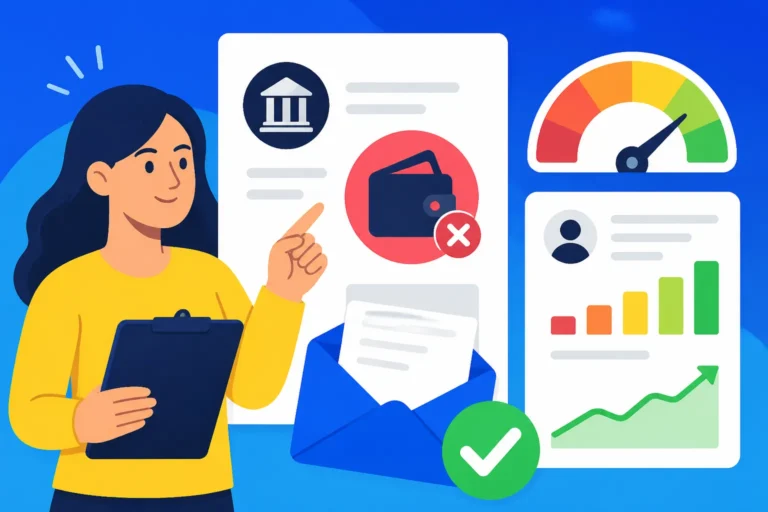
Even if your student loan is legitimately in default, there might be errors in how that information is reported on your credit report. These inaccuracies can include incorrect dates, wrong account numbers, transposed balances, or even the loan being reported by the wrong entity (e.g., if it was sold to a collector but still shows with the original lender as active). Such errors, even minor ones, can make it harder to dispute the entry or can incorrectly affect your score.
You have the right to dispute any information on your credit report that you believe is inaccurate or incomplete. This involves sending a dispute letter to the credit bureaus (Equifax, Experian, and TransUnion) and potentially to the original lender or collection agency. When disputing, provide any supporting documentation you have. If an inaccuracy is found, the credit bureau must correct or remove the information. While this won't remove a valid default, cleaning up inaccuracies can sometimes improve your score or make future negotiations easier. For a detailed walkthrough, refer to our guide on How to Dispute Credit Report Errors (Step-by-Step).
The Benefits of Professional Help
Navigating student loan default and its impact on your credit can be overwhelming. This is where professional credit repair services can be incredibly beneficial. Companies that specialize in credit repair understand the nuances of consumer credit law, such as the Fair Credit Reporting Act (FCRA), and can help you identify and dispute inaccuracies more effectively. They know the correct procedures for interacting with credit bureaus and creditors, which can save you time and frustration.
For example, a credit repair company can help you identify if a collection agency is reporting an old debt that is past the statute of limitations or if there are other discrepancies that can lead to its removal. While they cannot remove legitimate defaults, they can ensure your report is accurate and clean up any related issues. This professional assistance can be particularly helpful if you have multiple negative items on your report, not just the student loan default. Comparing Credit Repair Companies vs DIY: Which Is Better? can help you decide if this path is right for you. They can also assist with general strategies for How to Remove Negative Items From Your Credit Report more broadly.
Maintaining Good Credit After Default Removal
Getting a student loan default removed from your report or bringing it back into good standing is a monumental achievement, but the journey doesn't end there. The next crucial phase is to actively maintain good credit and prevent future financial pitfalls. This involves consistent effort and smart financial habits.
Building Positive Payment History
Payment history is the single most important factor in your credit score, accounting for 35% of your FICO score. After dealing with a default, establishing a consistent pattern of on-time payments is paramount. This means making every payment, on every account, by the due date. If you rehabilitated your federal student loan, continue to make those new, affordable payments on time. If you consolidated, ensure your IDR payments are always made. For private loans, stick strictly to any new payment arrangements you negotiated.
Consider setting up automatic payments for all your bills to avoid accidental missed payments. Even small positive accounts, like a secured credit card or a credit builder loan, can help immensely. For instance, a credit builder loan from a provider like Credit Strong can report positive payment history to the credit bureaus, gradually helping to offset the negative impact of the past default. It’s a deliberate effort, but it pays off over time by showing lenders you are a reliable borrower. If you're truly starting from scratch, our guide on How to Build Credit From Scratch (2026 Guide) can provide foundational steps.
Monitoring Your Credit Report Diligently
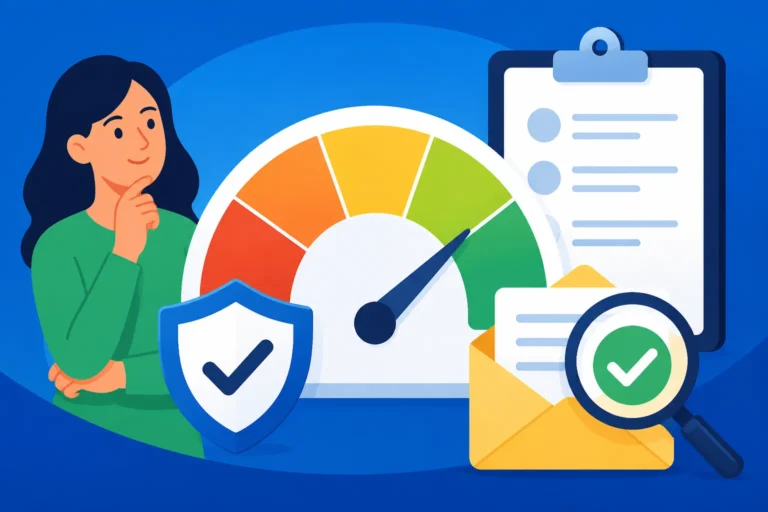
Your credit report is your financial fingerprint, and after dealing with a default, it's more important than ever to keep a close eye on it. Regularly monitoring your credit reports from all three major bureaus – Equifax, Experian, and TransUnion – can help you spot any new errors, fraudulent activity, or unexpected changes quickly. You can get a free copy of your credit report from each bureau once every 12 months through AnnualCreditReport.com. Some credit card companies and financial apps also offer free credit monitoring services, which can provide alerts for significant changes.
Being vigilant about your credit report allows you to act fast if new issues arise, preventing them from escalating and further damaging your score. It also ensures that the defaulted student loan is accurately reflecting its new status (removed, rehabilitated, or paid by consolidation) and that no old, incorrect information lingers. This proactive approach is key to protecting your progress and continuing to improve your credit health. Regularly checking also helps you understand What Affects Your Credit Score? The 5 Factors so you can make informed financial decisions.
Exploring Credit Building Tools
Once you've addressed the defaulted student loan, actively seeking out tools to build new, positive credit history is crucial. A secured credit card is an excellent option for many people in this situation. You deposit money into an account, and that deposit acts as your credit limit. By making small purchases and paying them off in full and on time each month, you demonstrate responsible credit usage without taking on high risk. Many of these cards will graduate to unsecured cards after a period of good behavior, returning your deposit.
Another powerful tool is a credit builder loan, like those offered by Credit Strong. These loans work by holding the loan funds in a locked savings account while you make payments. Once the loan is paid off, you receive the funds. The benefit is that your on-time payments are reported to the credit bureaus, helping to build a positive payment history and improve your credit mix. It’s a structured way to prove creditworthiness. These tools are designed to provide a pathway for individuals to establish a solid credit foundation after facing challenges like a student loan default.
Federal vs. Private Student Loan Default Resolution
Here's a quick comparison of the common resolution paths for defaulted federal versus private student loans. Understanding these differences is critical for forming your strategy.
| Feature | Federal Student Loan Default | Private Student Loan Default |
|---|---|---|
| Default Trigger | Typically 270 days (9 months) of missed payments | Varies by lender, often 1-3 missed payments |
| Collection Methods | Wage garnishment, tax refund offset, Social Security offset, legal action | Legal action (lawsuits), wage garnishment (via court order), bank levies (via court order) |
| Rehabilitation Program | Yes (removes default from credit report, restores benefits) | No |
| Consolidation Option | Yes (removes default status, restores benefits, but default remains on report) | No |
| Income-Driven Repayment | Yes (eligibility restored after default resolution) | No |
| Negotiation with Lender | Possible, but structured programs are usually preferred | Primary strategy (negotiate payment plans, settlements) |
| Credit Report Impact | Default record removed after rehabilitation; remains after consolidation/settlement | Default record typically remains after resolution (settlement, payment) |
| Eligibility for Aid | Restored after rehabilitation or consolidation | Not applicable (private loans don't offer federal aid) |
Disclaimer
This article is for general informational purposes only and does not constitute professional advice. Laws, prices and regulations vary by location and change over time. Consult a qualified professional for guidance on your specific situation.