How to Remove Medical Collections From Your Credit Report Fast
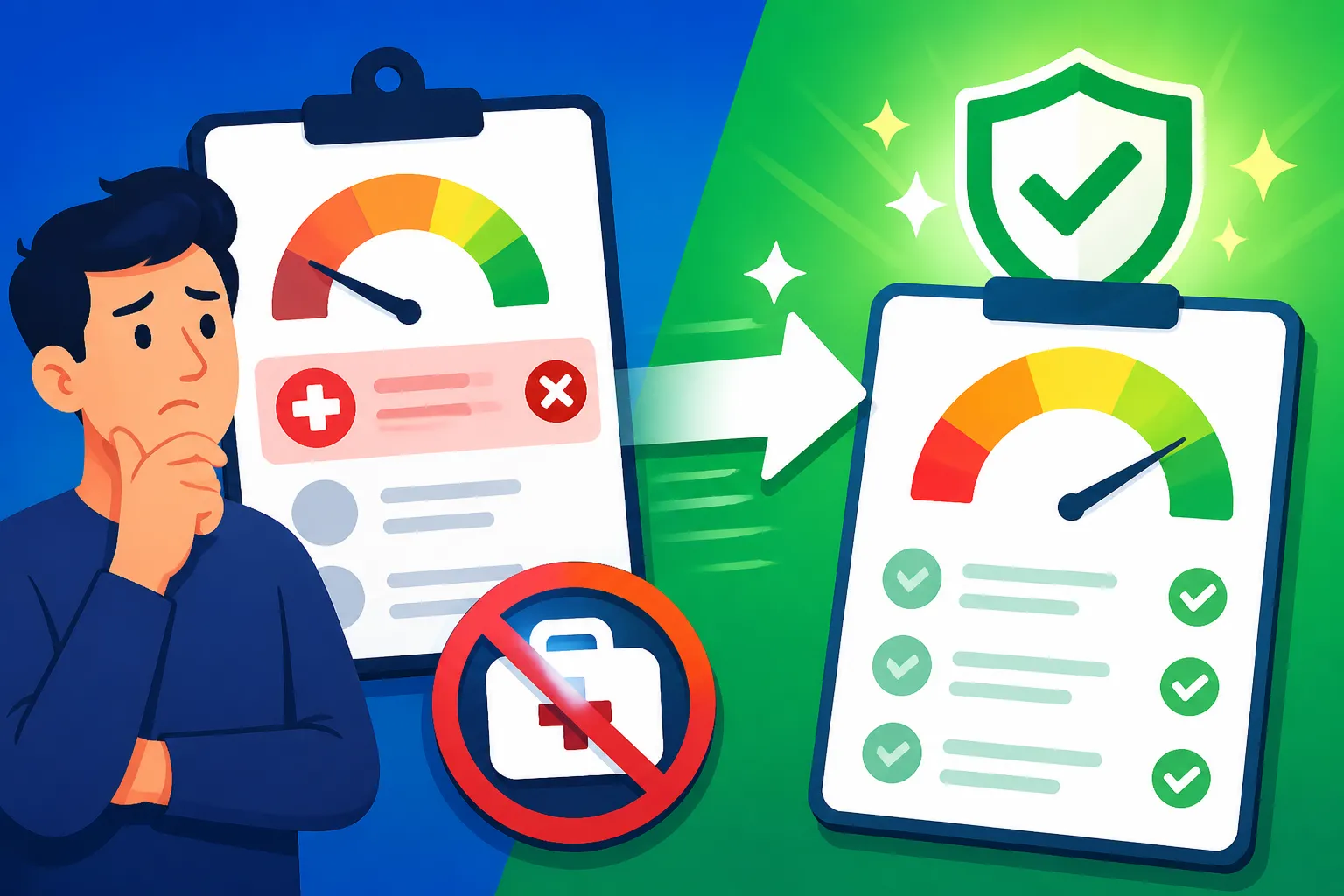
Finding a medical collection on your credit report can feel like a punch to the gut. You’re already dealing with the stress of medical bills, and then you discover this negative mark is dragging down your credit score, making everything from getting a new apartment to securing a loan a nightmare. But don't despair; while there's no magic wand, there are specific, proactive steps you can take to get those medical collections removed from your credit report, potentially faster than you might think. This guide will walk you through understanding these unique debts and the most effective strategies for their removal.
Understanding Medical Collections and Their Unique Impact
Medical collections are a specific type of debt that arises when you don't pay a medical bill, and the original healthcare provider eventually sells or assigns that debt to a third-party collection agency. It's a frustrating situation because often these bills are unexpected, confusing, or even inaccurate, stemming from insurance denials, billing errors, or simply high costs. The moment these items hit your credit report, they can significantly damage your credit score, sometimes by dozens of points, making it harder to access credit at favorable terms.
How Medical Debts End Up on Your Credit Report
It’s not an instant process, which can sometimes work to your advantage. Typically, after you receive medical services, the healthcare provider bills your insurance and then you for any remaining balance. If this balance goes unpaid for an extended period, the original creditor – be it a hospital, clinic, or doctor's office – will eventually send the account to collections. This usually happens after 90 to 180 days of non-payment. What’s crucial to understand is that medical debts have a unique reporting grace period. Under an agreement with the major credit bureaus (Equifax, Experian, and TransUnion), medical collections are generally not reported to your credit report until they are at least 180 days past due. This window is designed to give you time to resolve billing disputes with your insurer or provider before it impacts your credit.
The Specific Credit Score Implications of Medical Collections
Medical collections used to be treated much like any other collection account, severely damaging credit scores. However, the landscape has changed for the better. As of 2022, and further enhanced in 2023, there are new rules regarding how paid medical collections and smaller unpaid medical debts are handled. Specifically, paid medical collection debt is no longer included on consumer credit reports. This is a massive relief for many! Furthermore, medical collection debt under $500 is also excluded from credit reports. This means if your medical collection is already paid or falls below the $500 threshold, it should already be removed from your credit report. If it's not, that's a prime target for dispute. For larger, unpaid medical collections, they still carry weight, but the trend is towards giving consumers more leeway due to the often-complex nature of medical billing.
Leveraging the Unique Rules for Medical Debt Removal
The distinct regulations surrounding medical collections offer a silver lining and specific pathways for faster removal compared to other types of collection accounts. Knowing these rules is your superpower in this situation, allowing you to approach collection agencies and credit bureaus from a position of informed strength.
The 180-Day Grace Period Advantage
Before a medical collection can even appear on your credit report, there's typically a 180-day waiting period from the date the account became delinquent. This period is a critical window to resolve the debt without it ever hitting your report. If you receive a bill you can't pay, or you're disputing charges with your insurance, use this time wisely. Contact the original provider, your insurance company, and even the collection agency if the debt has already been sold. Your goal is to get the bill paid or resolved within this 180-day window. Even if it's already on your report, understanding this rule can help you identify if it was reported prematurely, giving you grounds for a dispute.
Impact of Paid Medical Collections on Your Credit
Here's the really good news: once a medical collection is paid, it should be removed from your credit report entirely. This is a significant change from how things used to be, where a "paid collection" still remained on your report, often for up to seven years, albeit with less impact than an unpaid one. This rule was implemented by the three major credit bureaus to reduce the negative impact of medical debt on consumers. If you’ve paid off a medical collection and it’s still showing on your report, that’s an error, and you should dispute it immediately. This makes paying off a medical collection a high-impact strategy for its quick removal. For assistance on broader collection issues, you can review our guide on How to Remove Collections From Your Credit Report.
Small Dollar Amount Exclusions
Another beneficial rule is the exclusion of medical collection debt under $500 from credit reports. If your specific medical collection is for an amount less than $500, it simply should not be there. This is another clear-cut reason to dispute the entry if it appears on your report. Always double-check the amount of the collection account listed. Sometimes, a larger bill might be split, or an error might categorize a small portion as a separate collection.
Actionable Strategies for Fast Removal
Armed with knowledge about the unique aspects of medical debt, you can now implement specific strategies to get these collections off your credit report as quickly as possible. Speed is often about being proactive and precise in your approach.
1. Confirm Accuracy with Debt Validation
Your first and most crucial step is to validate the debt. The Fair Debt Collection Practices Act (FDCPA) gives you the right to request validation of a debt within 30 days of receiving the initial collection notice. This means the collection agency must prove that the debt is yours, that the amount is correct, and that they legally own the right to collect it.
Sending a Debt Validation Letter
Immediately send a formal debt validation letter via certified mail, return receipt requested. This creates a paper trail and proves the collection agency received your request. In your letter, state that you dispute the debt and demand proof of its validity. Ask for specifics like the original creditor, the amount, the date of last activity, and documentation proving they have the legal right to collect. This is a cornerstone strategy, and you can learn more about it in our article on What Is Debt Validation and How to Request It.
If the collection agency cannot validate the debt within a reasonable time (often 30 days), they must cease collection activities and remove the item from your credit report. If they can validate it, you then move to the next steps.
2. Dispute Inaccurate Information with Credit Bureaus
Even if the debt is valid, there might be inaccuracies in how it's reported. This is surprisingly common with medical collections due to the complex billing practices. Check everything: the amount, the date of first delinquency, the original creditor, and even if it's reported multiple times by different agencies.
How to File a Dispute
You have the right to dispute any information on your credit report that you believe is inaccurate or incomplete. Contact each of the three major credit bureaus – Equifax, Experian, and TransUnion – individually. You can do this online, by mail, or by phone. Clearly state why you believe the information is inaccurate and provide any supporting documentation you have (e.g., proof of payment, insurance explanation of benefits showing the bill was covered, or evidence the debt is under $500). For a detailed walkthrough, check out How to Dispute Credit Report Errors Step-by-Step and How to Dispute With Equifax, Experian, and TransUnion.
The bureaus generally have 30 days to investigate your dispute. If they find the information inaccurate or unverifiable, they must remove it. If the item is removed, your credit score should see a boost.
3. Negotiating a Pay-for-Delete (with caution)
While newer rules make paid medical collections automatically disappear, a "pay-for-delete" letter can still be a strategy for unpaid medical collections that exceed the $500 threshold. With this approach, you offer to pay the collection agency in full or a negotiated settlement amount in exchange for them agreeing to remove the account from your credit report.
Drafting a Pay-for-Delete Letter
This negotiation should always be done in writing. Send a clear "pay-for-delete" letter to the collection agency, outlining your offer and explicitly stating that the agreement is contingent upon them deleting the entry from all three credit bureaus. Never pay anything until you have this agreement in writing. Remember, once a medical collection is paid, it should be removed automatically. However, some collection agencies might be slow to update or might require a nudge. A pay-for-delete can solidify that commitment upfront for unpaid debts. You can find more details and a template in our guide on What Is a Pay-for-Delete Letter? (Template).
Here’s a simplified table comparing the primary removal strategies:
| Strategy | Best For | How it Works | Speed Potential | What to Watch For |
|---|---|---|---|---|
| Debt Validation | Disputed or unfamiliar debts | Agency must prove debt. If not, removed. | Medium-Fast | Must act within 30 days of initial notice. |
| Disputing Errors | Any inaccuracies (dates, amounts, etc.) | Bureaus investigate. If error found, removed. | Medium-Fast | Provide strong evidence. |
| Payment (if >$500) | Unpaid debts over $500 | Once paid, should be automatically removed by bureaus. | Fast | Ensure prompt reporting by agency/bureaus. |
| Pay-for-Delete | Unpaid debts (as a negotiation tactic) | Agency agrees in writing to remove entry upon payment. | Medium | Get it in writing before paying. Less critical with new rules. |
4. Direct Communication with the Original Creditor
Sometimes, going back to the source can be surprisingly effective. If the debt hasn't been paid, or if the collection agency is uncooperative, contact the original healthcare provider (hospital, doctor's office). Explain your situation, express your willingness to pay the original bill (if you can afford it), and ask if they can recall the debt from the collection agency or have it removed from your credit report once paid. They often have more flexibility and incentive to resolve the issue directly, especially if they value their patient relationships. If you resolve it with the original creditor and pay them, inform the collection agency that the debt has been satisfied.
What to Do If Removal Isn't Immediate
Even with the best strategies, credit report updates aren't always instantaneous. If you've taken the necessary steps and are still seeing a medical collection on your report, don't give up. There are ongoing actions you can take.
Monitoring Your Credit Report Closely
After any dispute or payment, it's critical to monitor your credit reports diligently. You can get free copies of your credit report from AnnualCreditReport.com weekly. Check each report from Equifax, Experian, and TransUnion to see if the collection has been removed. If not, follow up. Continue to check regularly, as updates can take time. Sometimes it's a simple processing delay.
Persistent Follow-Up and Re-Dispute
If the collection remains after the initial dispute period (usually 30-45 days), don't hesitate to re-dispute it. Sometimes a new dispute with additional information or simply reiterating your original points can prompt a different outcome. Be polite but firm in your communication with both the credit bureaus and the collection agency. Keep meticulous records of all correspondence, including dates, names of people you spoke with, and copies of letters sent and received.
Considering Professional Assistance
For particularly stubborn or complex cases, you might consider engaging with a reputable credit repair company. While many steps can be done yourself, professionals often have expertise in navigating the intricacies of credit reporting laws and dealing with collection agencies. They can assist with crafting dispute letters, challenging reporting errors, and ensuring compliance. Just be sure to do your research to avoid scams and find a company that genuinely helps with credit repair, not just quick fixes.
Preventing Future Medical Collections
Once you've cleared up existing medical collections, putting systems in place to prevent them from recurring is paramount. This proactive approach not only protects your credit but also reduces future stress.
Understanding Your Health Insurance
Many medical collections stem from misunderstandings about insurance coverage. Take the time to understand your policy's deductibles, co-pays, out-of-network costs, and what procedures require pre-authorization. Don't be afraid to call your insurance company with questions before receiving services, especially for larger procedures. Keep detailed records of all interactions, including reference numbers and names of representatives.
Communicating with Healthcare Providers and Billing Departments
If you receive a bill that seems incorrect or overwhelming, don't ignore it. Immediately contact the healthcare provider's billing department. Many hospitals have financial assistance programs or can offer payment plans. They might even be willing to adjust the bill, especially if you can pay a portion upfront. Open communication can often prevent a bill from escalating to collections. Always ask for an itemized bill to ensure there are no duplicate charges or services you didn't receive.
Building a Financial Safety Net
Unexpected medical bills can derail even the most careful budgets. Building an emergency fund specifically for such unforeseen expenses is a crucial step. Even a small amount saved can prevent a medical bill from spiraling into a collection account. Consider exploring tools to build your credit proactively, even if you’re currently dealing with collections. For instance, a secured credit card or a credit builder loan from a company like Credit Strong can help you establish a positive payment history and improve your overall credit health over time. Even small, consistent payments on a Credit Strong product can counteract the negative impact of past collections by showing responsible financial behavior. Think of it as repairing the foundation while you're also patching the walls.
Utilizing Credit Builder Tools for Resilience
Beyond emergency funds, actively nurturing your credit can make you more resilient to financial shocks. Products designed specifically to help consumers build credit, like those offered by Credit Strong, can be invaluable. A Credit Strong account typically involves a secured loan where your payments are reported to the credit bureaus, helping you build a positive history without needing immediate access to new credit. This is particularly useful after dealing with collections, as it demonstrates ongoing financial responsibility. Maintaining a diverse credit mix and responsible payment behavior will slowly but surely improve your score and make you less susceptible to the long-term sting of unexpected medical expenses. If you're looking for more general strategies to boost your score, check out How to Fix Your Credit After Collections.
Final Thoughts on Your Journey to a Clean Credit Report
Dealing with medical collections is undoubtedly frustrating, but it's far from a lost cause. The unique rules surrounding medical debt, combined with proactive and persistent action on your part, offer real pathways to removal. Focus on debt validation, disputing inaccuracies, leveraging the "paid collection" rule, and consistent follow-up. Remember that clearing these collections is a marathon, not a sprint, but every step you take brings you closer to a healthier credit profile.
Disclaimer
This article is for general informational purposes only and does not constitute professional advice. Laws, prices and regulations vary by location and change over time. Consult a qualified professional for guidance on your specific situation.