Can a Debt Collector Sue You in Delaware?
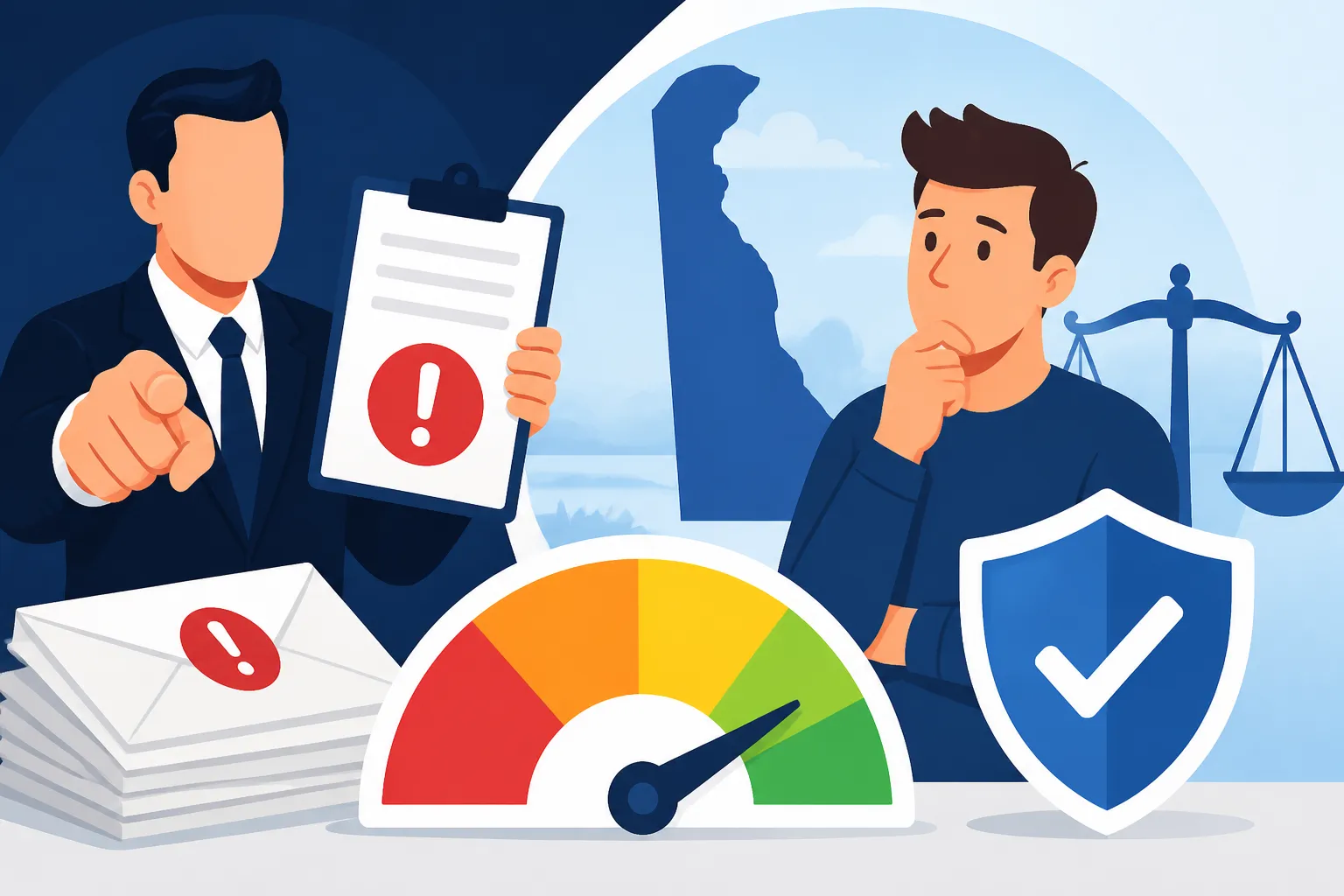
It's an unsettling feeling, isn't it? That knot in your stomach when you receive a collection notice or, even worse, a phone call suggesting legal action might be next. For folks in Delaware, the thought of a debt collector actually suing you can be genuinely terrifying, bringing with it worries about court appearances, wage garnishments, and a whole lot of stress. This guide is here to cut through the confusion, explain the legal landscape in Delaware, and empower you with the knowledge to understand your rights and what steps you can take.
Understanding Debt Collection Lawsuits in Delaware
When you're dealing with debt, especially older debt, the idea of a lawsuit can feel like a distant threat or an empty bluff. But under certain circumstances, debt collectors can and do sue consumers in Delaware. It's not always a given, and there are many factors that influence whether they'll take that step, but it's a possibility you need to be prepared for.
The Basics of Debt Collection
First, let's be clear about who we're talking about. A "debt collector" isn't necessarily the original company you borrowed money from. Often, after an account goes into default, the original creditor (like a bank or credit card company) might sell the debt to a third-party debt buyer for pennies on the dollar. These debt buyers then become the new "creditor" and will often hire a collection agency or an attorney to pursue the debt.
The goal of these collectors is to get you to pay. They'll send letters, make phone calls, and often try to negotiate a settlement. These communications can be relentless and often intimidating, making many people feel overwhelmed and unsure of their options. Knowing who you're dealing with and what their primary motivation is can help you approach the situation more calmly.
Why a Lawsuit Might Happen
A debt collector usually considers a lawsuit when their other collection efforts haven't worked. They've tried calling, writing, and perhaps even offering a settlement, but you haven't paid or responded in a way that satisfies them. From their perspective, a lawsuit is the next logical step to force payment through the legal system. It's a significant escalation because it involves court fees, legal processes, and the potential for a judgment against you.
They generally weigh the cost of filing a lawsuit against the likelihood of winning and collecting on the debt. If the debt is substantial, they have strong documentation, and they believe you have assets or income that can be garnished, they are more likely to pursue legal action. Conversely, for smaller debts or if they lack proper documentation, the costs of a lawsuit might outweigh the potential recovery.
Delaware's Approach to Debt Collection
Delaware has specific laws that govern debt collection practices, complementing federal laws like the Fair Debt Collection Practices Act (FDCPA). While the FDCPA applies nationwide, individual states can have their own regulations that offer additional protections or clarify certain aspects of collection within their borders.
For instance, Delaware's legal system provides specific procedures for filing debt collection lawsuits, serving papers, and conducting trials. Understanding these local nuances is crucial because they dictate how a case proceeds through the courts. It also means that debt collectors operating in Delaware must adhere to these specific state laws, giving consumers a local layer of protection against unfair practices.
The Crucial Role of Delaware's Statute of Limitations
One of the most critical legal concepts in debt collection, especially in Delaware, is the statute of limitations (SOL). This isn't just a legal technicality; it's a powerful tool that can protect you from being successfully sued for older debts. Ignoring this aspect could put you at a significant disadvantage.
What the Statute of Limitations Means for Your Debt
The statute of limitations is essentially a legal deadline. It's the maximum period of time after a debt becomes due or after the last payment was made during which a creditor or debt collector can legally sue you to collect that debt. If they file a lawsuit after this period has expired, you can use the expired SOL as a defense, and the court will likely dismiss the case.
However, it's vital to understand that an expired statute of limitations does not erase the debt itself. You still technically owe the money, and debt collectors can continue to contact you to try and collect it. What they cannot do, however, is successfully sue you in court once that deadline has passed. This distinction is often misunderstood and can lead to unnecessary panic or even making payments on "zombie debt." To learn more about this crucial protection, you can read our detailed guide on the topic: Statute of Limitations on Debt in Delaware.
Different Debt Types, Different Timeframes
The exact length of the statute of limitations in Delaware varies depending on the type of debt. This is not a "one-size-fits-all" situation, and it's where understanding the specifics of your debt becomes critical.
Let's look at some common examples:
- Written Contracts: For debts based on written contracts (like most credit card agreements, personal loans, or auto loans), Delaware's statute of limitations is generally three years from the date of the last activity or payment. This is a relatively short timeframe compared to many other states, offering significant protection to Delaware residents.
- Oral Contracts: If a debt is based on an oral agreement, the SOL is also typically three years.
- Promissory Notes: Similar to written contracts, promissory notes also typically fall under the three-year rule.
Here’s a helpful table summarizing the general statutes of limitations for common debts in Delaware:
| Type of Debt | Delaware Statute of Limitations | Starting Point of SOL |
|---|---|---|
| Written Contracts | 3 years | Date of last payment/activity |
| Oral Contracts | 3 years | Date of breach or agreement |
| Promissory Notes | 3 years | Date of default or due date |
| Retail Installment | 3 years | Date of last payment/activity |
| Judgments | 10 years | Date judgment was entered |
Note: This information is for general guidance only and should not be considered legal advice. Always consult with a legal professional for your specific situation.
The Dangers of Time-Barred Debt
An expired statute of limitations offers a strong defense, but it's not foolproof. A debt collector might still try to sue you, hoping you don't know your rights or won't appear in court. If you fail to appear or don't raise the SOL as a defense, they could still obtain a default judgment against you, even if the debt is technically time-barred.
Furthermore, making even a small payment on a time-barred debt, or even acknowledging the debt in writing, could in some cases "reset" the statute of limitations, allowing the collector a new window to sue you. This is why it's so important to be extremely cautious when communicating with debt collectors about old debts. If you're unsure whether to pay off old collections, consider seeking expert advice before taking any action.
Navigating the Debt Lawsuit Process in Delaware
If a debt collector decides to sue you in Delaware, it's not going to happen overnight. There's a formal legal process involved, and understanding each step is key to protecting yourself. The most critical thing to remember is this: do not ignore a lawsuit.
The Summons and Complaint: Your First Notice
The official start of a debt collection lawsuit is when you receive a "summons" and "complaint." This isn't just a regular letter; it's a legal document typically served to you by a sheriff's deputy, a private process server, or sometimes by certified mail. The summons notifies you that you are being sued and tells you how much time you have to respond to the court. The complaint details the allegations against you, usually stating that you owe a specific amount of money to the plaintiff (the debt collector or creditor).
This document is your formal notice. It's a moment when many people feel a rush of anxiety and might be tempted to put it aside and hope it goes away. However, doing so is the worst possible action you could take. The clock starts ticking the moment you are served, and a swift, informed response is absolutely necessary. Make sure to note the date you received the papers.
Responding to the Lawsuit: Don't Ignore It!
Once you've been served, you have a limited amount of time—usually around 20 days in Delaware for District Court cases, or 30 days if you're out of state—to file a formal response with the court. This response is called an "answer," and it's your opportunity to tell the court your side of the story. You can admit to the claims, deny them, or state that you don't have enough information to form a belief about them. This is also where you would raise any "affirmative defenses," such as the statute of limitations having expired, or that the debt isn't yours.
If you don't file an answer within the specified timeframe, the debt collector can ask the court for a "default judgment" against you. A default judgment means the court automatically rules in favor of the debt collector because you didn't respond to the lawsuit. Once they have a judgment, they can then pursue more aggressive collection tactics, like wage garnishment or seizing assets, which can have severe financial consequences.
Potential Outcomes of a Lawsuit
The outcome of a debt collection lawsuit in Delaware can vary greatly depending on how you respond and the specifics of your case.
- Default Judgment: As mentioned, this is the worst outcome. If you don't respond, the collector gets a judgment, which gives them significant power to collect.
- Settlement: Many debt collection lawsuits are settled out of court. If you respond to the lawsuit, you might be able to negotiate a payment plan or a reduced lump-sum payment with the debt collector, potentially avoiding a court battle. Companies like Credit Strong, for example, focus on helping individuals improve their financial standing, which can indirectly help in negotiating better terms as you demonstrate a commitment to financial responsibility.
- Dismissal: If you successfully raise a defense (like an expired statute of limitations) or if the debt collector cannot provide sufficient documentation to prove the debt is yours and accurate, the court might dismiss the case. This is often the goal for consumers who are being unfairly targeted.
- Trial: If a settlement isn't reached and neither party requests a dismissal, the case could go to trial. This is where both sides present their evidence and arguments to a judge, who then makes a final decision. Trials can be complex and are often best navigated with the help of a legal professional.
Your Rights and Practical Defenses in Delaware
Facing a lawsuit is daunting, but remember, you have rights, and there are legal defenses available to you. Knowledge is power, especially when dealing with aggressive debt collectors.
Federal Protections: The FDCPA
The Fair Debt Collection Practices Act (FDCPA) is a federal law that protects consumers from abusive, unfair, or deceptive debt collection practices. It applies to third-party debt collectors (not usually original creditors). Under the FDCPA, collectors cannot:
- Harass you (e.g., call repeatedly, use threats or obscene language).
- Make false statements (e.g., lie about the amount owed, threaten arrest).
- Engage in unfair practices (e.g., attempt to collect fees not permitted by law).
- Contact you at inconvenient times or places (e.g., before 8 AM or after 9 PM, or at your workplace if you've told them not to).
If a debt collector suing you has violated your FDCPA rights, you might have a counterclaim against them, which could potentially reduce or even eliminate the debt you owe, or entitle you to damages. It’s always worth reviewing whether their collection tactics have been compliant. You can also learn how to freeze debt collector contact to stop unwanted calls and letters.
Delaware-Specific Consumer Protections
While the FDCPA provides a strong baseline, Delaware also has its own consumer protection laws. The Delaware Consumer Fraud Act prohibits unfair or deceptive acts or practices in the conduct of any trade or commerce. This means that if a debt collector operating in Delaware engages in deceptive or misleading practices, they could be in violation of state law, giving you additional avenues for protection.
These state laws often mirror or expand upon federal protections, offering a broader shield for consumers. If you believe a debt collector has acted inappropriately, researching Delaware's specific statutes or consulting a local attorney can reveal powerful options that might not be immediately obvious.
Common Defense Strategies
When you respond to a debt collection lawsuit, you can raise several common defenses:
- Statute of Limitations: This is often the strongest defense, as discussed earlier. If the time limit to sue has passed, the case should be dismissed. Remember to explicitly state this in your answer to the court.
- Not Your Debt: Perhaps it's a case of mistaken identity, identity theft, or a similar name. You need to prove the debt isn't yours. This is where reviewing your credit report thoroughly, and knowing how to dispute a collection that's not yours, becomes incredibly important.
- Debt Paid or Settled: If you already paid the debt or settled it, provide proof of payment (receipts, bank statements, canceled checks).
- Inaccurate Amount: The collector might be suing for an incorrect amount, including unauthorized fees or interest. Request documentation to verify the exact amount owed.
- Lack of Documentation (Validation): Debt collectors often buy portfolios of old debt, and sometimes they don't have the original contract or complete transaction history. You have the right to request debt validation. If they can't provide sufficient proof that you owe the debt and that they have the legal right to collect it, their case might fail.
- Bankruptcy: If the debt was discharged in a previous bankruptcy, they cannot legally pursue you for it.
Proactive Steps to Protect Yourself and Your Finances
The best defense is a good offense, and that holds true for managing your financial well-being. By taking proactive steps, you can significantly reduce your risk of facing a debt collection lawsuit in the first place and be better prepared if one arises.
Communicating with Collectors Wisely
If you're contacted by a debt collector, especially before a lawsuit is filed, be strategic in your communication. Avoid acknowledging the debt or making any payments on older debts until you've verified all the details and confirmed the statute of limitations. Your first step should usually be to request debt validation in writing. This legally requires them to provide proof that you owe the debt and that they have the right to collect it.
Keep meticulous records of all communications, including dates, times, names of individuals you speak with, and summaries of conversations. Send all written correspondence via certified mail with a return receipt requested. This paper trail is invaluable if disputes arise or if you need to prove a violation of your rights. Learning how to negotiate with debt collectors can also be incredibly helpful in reaching a favorable outcome without resorting to court.
Monitoring Your Credit and Disputing Errors
Regularly checking your credit reports is a non-negotiable part of financial health. You are entitled to a free copy of your credit report from each of the three major credit bureaus (Equifax, Experian, and TransUnion) annually via AnnualCreditReport.com. Make it a habit to review these reports for inaccuracies, unfamiliar accounts, or signs of identity theft.
If you find errors, dispute them immediately. Even small inaccuracies can sometimes be used to challenge a debt collector's claim. Knowing how to dispute credit report errors is a fundamental skill that can save you a lot of headache and potentially improve your credit score. Companies specializing in credit repair can also assist with this process, helping you manage and dispute negative items effectively.
Building a Stronger Financial Foundation
Ultimately, the best way to avoid debt collection lawsuits is to manage your finances proactively and build a solid credit foundation. If you're struggling with debt, explore options like debt management plans or credit counseling. If you're starting from scratch or rebuilding after a challenging period, focus on establishing positive credit habits.
Consider utilizing tools designed to help build credit responsibly. For example, some individuals use products like Credit Strong, which offers credit builder loans designed to help you save money and build a payment history, ultimately improving your credit score. By consistently making on-time payments and keeping your credit utilization low, you can demonstrate financial responsibility and lessen the likelihood of falling into collection territory. Remember, a strong credit score opens doors to better financial products and can help you navigate unexpected challenges without resorting to high-interest debt. Getting started with something like How to Build Credit From Scratch (2026 Guide) can provide a comprehensive roadmap for your financial journey.
Disclaimer
The information provided in this article is for general informational purposes only and does not constitute legal, financial, or professional advice. Laws and regulations regarding debt collection can be complex and vary by jurisdiction. You should consult with a qualified legal professional or financial advisor for advice tailored to your specific situation in Delaware. Relying on the information contained herein is at your own risk.