Statute of Limitations on Debt in Georgia
It's incredibly stressful when old debts, sometimes ones you barely remember, suddenly pop back up, especially if you're trying to get your finances in order. You might wonder if there's an endpoint to this nagging, a legal limit to how long a debt collector can pursue you. For folks in Georgia, understanding the "statute of limitations" on debt is crucial, as it provides a powerful legal defense against certain collection efforts. This guide will walk you through what the statute of limitations means for various types of debt in Georgia, how it impacts collection agencies, and the critical actions you need to avoid to protect your rights.
Understanding the Statute of Limitations in Georgia for Debt
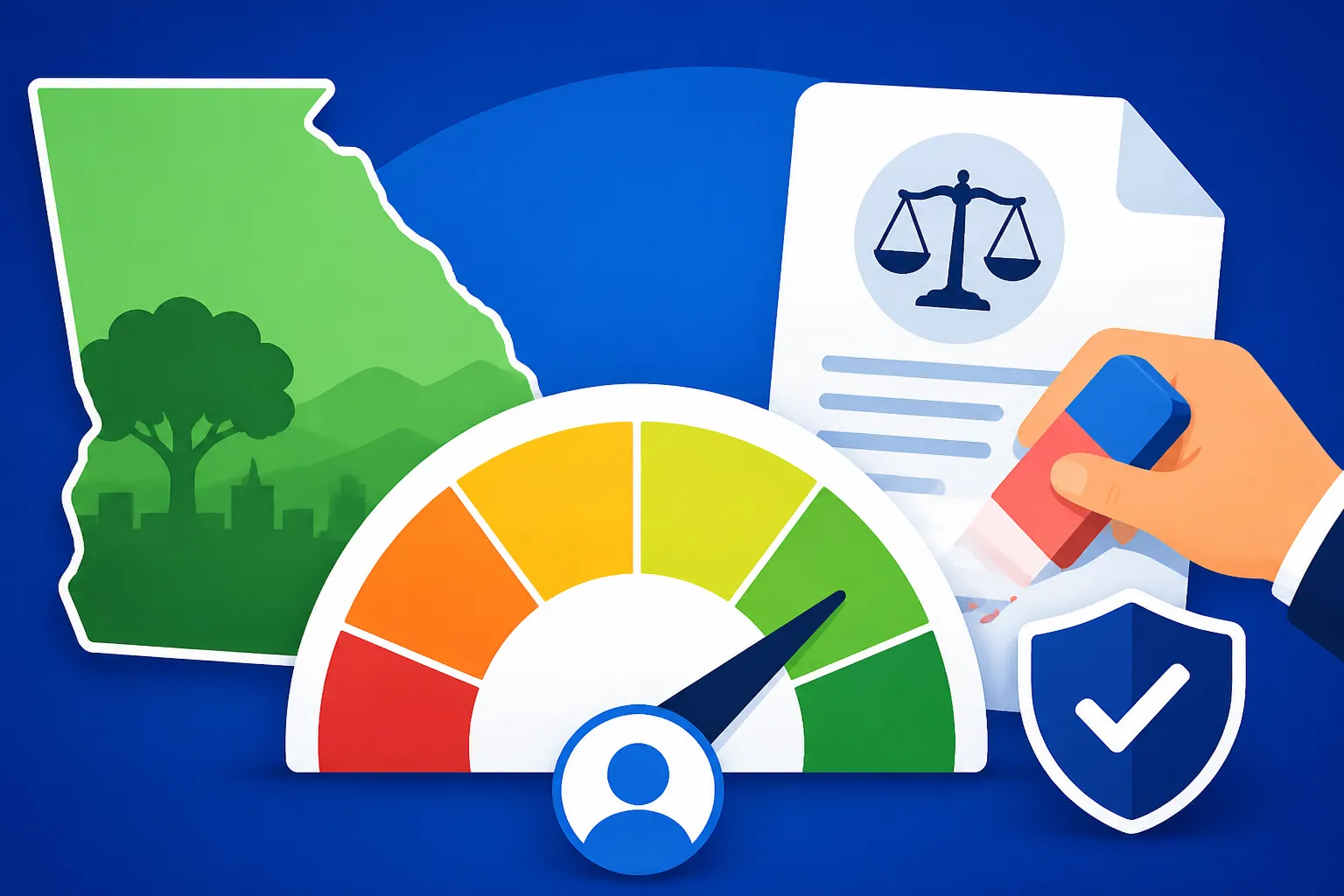
The statute of limitations (SOL) isn't just some legal jargon; it's a fundamental principle designed to create fairness and finality in legal disputes. In simple terms, it's a specific timeframe within which a creditor or debt collector can legally sue you to collect a debt. Once this period expires, the debt is considered "time-barred." This doesn't mean the debt disappears or that you no longer owe it morally, but it does mean a court cannot enforce payment through a lawsuit. For residents of the Peach State, knowing these timeframes can be a game-changer when dealing with persistent collection agencies.
The primary purpose of the SOL is to prevent stale claims from being brought to court, where evidence might be lost, memories faded, and the ability to mount a proper defense severely hampered. Imagine being sued for a credit card debt from fifteen years ago – finding receipts or bank statements would be nearly impossible for most people! Georgia, like every other state, has its own specific SOL periods, which can vary significantly depending on the type of debt involved.
Different Debt Types and Their Statute of Limitations in Georgia
Georgia's laws provide different limitations for different kinds of debt. It's not a one-size-fits-all situation, and understanding these distinctions is key to knowing your rights. The clock for these statutes generally starts ticking from the date you last made a payment or acknowledged the debt.
Let's break down the common types:
- Credit Card Debt and Open-Ended Accounts: For most credit card accounts, which are considered open-ended accounts, the statute of limitations in Georgia is 6 years. This also applies to other revolving credit lines. The clock usually starts from the date of your last payment or activity on the account. This means that if you stopped paying your Capital One or Chase card in January 2018, the collector generally has until January 2024 to sue you.
- Written Contracts: Many debts fall under the umbrella of written contracts. This can include personal loans, auto loans, mortgages, and installment agreements. In Georgia, the SOL for written contracts is also 6 years. This clock typically starts from the date of the breach of the contract, meaning when you missed a payment or failed to uphold a term.
- Oral Contracts: While less common for significant debts, some agreements are made purely verbally. Proving an oral contract can be challenging in court, and the statute of limitations reflects this. For oral contracts in Georgia, the SOL is 4 years.
- Promissory Notes: These are formal, written promises to pay a specific sum of money, often seen with private loans or some student loan arrangements. In Georgia, the SOL for promissory notes is 6 years.
- Judgments: If a creditor successfully sues you and obtains a judgment against you, that judgment itself has a much longer shelf life. In Georgia, a judgment is enforceable for 7 years, and it can often be renewed, extending its validity. This is a critical distinction because once a judgment is obtained, the SOL for the original debt becomes irrelevant; you're now dealing with the SOL for the judgment itself.
Here's a quick summary of Georgia's SOL for common debts:
| Debt Type | Georgia Statute of Limitations (Years) | When the Clock Starts Ticking |
|---|---|---|
| Credit Card Debt | 6 | Date of last payment or activity |
| Written Contracts | 6 | Date of breach (e.g., missed payment) |
| Oral Contracts | 4 | Date of breach |
| Promissory Notes | 6 | Date of breach |
| Court Judgments | 7 (renewable) | Date the judgment was entered |
It's vital to remember that these are general guidelines. There can be specific nuances depending on the exact nature of the debt and any particular clauses in the original agreement. This is why when you're dealing with old debt, understanding how to read your credit report is essential, as it often contains key dates that can help you gauge the debt's age.
The Impact of the Statute of Limitations on Debt Collectors
Knowing the statute of limitations in Georgia isn't just academic; it directly influences how debt collectors can interact with you and what legal recourse they have. Once a debt becomes time-barred, the landscape of collection changes dramatically. Debt collectors are generally aware of these limits, but they might not always be upfront about them.
What Happens When Debt Becomes Time-Barred
When a debt is time-barred, it means the legal window for a creditor or collection agency to sue you in court has closed. They can no longer obtain a judgment against you for that specific debt. This is a huge shield for consumers. If a collector were to file a lawsuit for a time-barred debt, you could present the statute of limitations as an affirmative defense, and the case would likely be dismissed.
However, and this is a crucial point, a time-barred debt doesn't magically vanish from your credit report. Negative items like collections or charge-offs generally remain on your credit report for about seven years from the date of the original delinquency, regardless of the statute of limitations for lawsuits. So, even if they can't sue you, the debt might still be impacting your credit score. If you're wondering how to remove collections from your credit report, this guide can offer some practical advice, even for time-barred debts.
Actions Debt Collectors Can (and Cannot) Take
For time-barred debts, the power dynamic shifts. Debt collectors are still permitted to contact you and ask for payment, as long as they don't violate fair debt collection practices. This is where it gets tricky because they often use tactics designed to make you believe they still have full legal power.
What they cannot do, however, is threaten to sue you for a time-barred debt. Such a threat would be a violation of the Fair Debt Collection Practices Act (FDCPA), which protects consumers from abusive, unfair, or deceptive debt collection practices. If a collector implies or explicitly states they will take you to court for a debt past its SOL, you have grounds to report them to the Consumer Financial Protection Bureau (CFPB) or the Georgia Attorney General's Office.
They also cannot falsely imply that the debt is legally enforceable through a lawsuit. Their communication must be honest about their legal standing. For instance, if you receive a letter from a collection agency regarding an old credit card debt that is clearly past Georgia's 6-year SOL, and that letter threatens legal action, it's likely an FDCPA violation. Knowing your rights is your best defense against these aggressive tactics.
Crucial Actions That Can Reset the Clock
This is perhaps the most critical section for anyone dealing with old debt in Georgia. While the statute of limitations offers a strong defense, certain actions can inadvertently "reset the clock," restarting the SOL period and giving debt collectors renewed legal power. Many debt collectors are savvy about this, and some will try to trick you into performing one of these actions.
Making a Payment or Acknowledging the Debt
The most common way people accidentally reset the SOL is by making a payment – even a small one – on a time-barred debt. Once you make a payment, you're essentially acknowledging the debt as valid, and in Georgia, this can restart the statute of limitations from that payment date.
Think of it this way: a debt collector calls you about an old medical bill from seven years ago, clearly time-barred by Georgia's 6-year SOL for written contracts. You, feeling pressured, agree to pay $25 just to get them off your back. Suddenly, that $25 payment has potentially reopened the door for them to sue you for the entire remaining balance for another six years. It’s a harsh reality, but it’s how the law works.
Similarly, even simply acknowledging the debt in writing or sometimes verbally can restart the clock. For example, if you send an email stating, "I know I owe that old store credit card, but I just can't pay it right now," that acknowledgment could be enough to restart the SOL. This is why it's vital to be incredibly careful about what you say or put in writing when communicating with debt collectors, especially for older debts. Often, the best course of action is to communicate only in writing and to avoid confirming that you owe the debt. If you're unsure about how to negotiate with debt collectors, understanding this principle is paramount.
Entering a Payment Plan or Agreement
Another common pitfall is agreeing to a payment plan or making a new promise to pay a time-barred debt. This is essentially creating a new contract, which then establishes a fresh statute of limitations. Debt collectors might present a settlement offer or a low monthly payment option, seemingly helpful, but if the original debt is time-barred, such an agreement effectively waives your SOL defense.
For example, a debt collector for a debt that's past its Georgia SOL offers you a deal: pay 50% of the balance over 12 months. If you agree to this, you've just created a new, valid contract. If you then miss payments on this new agreement, they can sue you based on that new agreement, which has its own freshly started statute of limitations. This is one of the biggest reasons why you need to be very cautious if you're wondering, should you pay off old collections?
Before considering any payment or agreement on an old debt, you should always verify the debt's age and the applicable Georgia SOL. If it's time-barred, you might choose not to engage beyond simply stating that the debt is time-barred and requesting them to cease contact.
Navigating Debt in Georgia: Your Rights and Next Steps
Dealing with old debt can be an emotional rollercoaster, but armed with knowledge, you can navigate it more effectively. In Georgia, your rights are protected, but you have to know how to assert them.
How to Determine the Age of Your Debt
The first step in knowing whether a debt is time-barred is to determine its age. This means finding the "date of last activity" or "date of original delinquency."
- Check Your Credit Report: This is your best resource. You are entitled to a free credit report from each of the three major bureaus (Equifax, Experian, and TransUnion) every 12 months through AnnualCreditReport.com. Your credit report will list collection accounts, charge-offs, and other negative items, often including the date of last activity or original delinquency. You can learn more about how to get your free credit report. Pay close attention to these dates.
- Request Debt Validation: If a debt collector contacts you, especially for a debt you don't immediately recognize or one that seems very old, send them a debt validation letter. This letter, usually sent within 30 days of their initial contact, demands that they provide proof that you owe the debt, including the original creditor, the amount, and critical dates. This process, often referred to as "What Is Debt Validation and How to Request It," is a powerful tool under the FDCPA. This forces them to provide accurate information, which can help you determine the SOL.
Remember, the SOL clock generally starts from the date of last activity (payment or acknowledgment), not necessarily when the debt was first incurred. So, if you made a small payment on a five-year-old debt, the clock might have reset at that point.
Responding to Collection Attempts for Time-Barred Debt
If you've determined a debt is time-barred in Georgia, your response to collection attempts should be strategic and measured.
- Do Not Acknowledge or Pay: As discussed, even a tiny payment or a simple verbal admission that you owe the debt can restart the SOL. Avoid saying anything that could be construed as an acknowledgment of the debt.
- Communicate in Writing: If you decide to communicate, do it in writing. This creates a paper trail and avoids misunderstandings that can arise from phone calls.
- State That the Debt is Time-Barred: You can send a letter informing the debt collector that you believe the debt is time-barred and that they cannot legally sue you for it. You can also request that they cease all communication. The FDCPA requires them to stop contacting you if you send a written request.
- Do Not Ignore Lawsuits: Even if you believe the debt is time-barred, never ignore a lawsuit. If a debt collector files a lawsuit, you must respond to the court. If you don't, they could win a default judgment against you, which would then be legally enforceable, effectively negating your SOL defense. If you are sued, immediately consult with an attorney.
When to Seek Legal Counsel
While this guide provides general information, every debt situation is unique. There are times when consulting with a legal professional, particularly an attorney specializing in consumer law or debt defense in Georgia, is highly advisable.
You should seek legal counsel if:
- You are sued for a debt, even if you believe it's time-barred.
- A debt collector is making threats of legal action for a debt you suspect is time-barred.
- You are unsure about the exact statute of limitations for your specific debt type or the date the clock started.
- You believe a debt collector has violated your rights under the FDCPA or Georgia's Fair Business Practices Act.
- The debt involves complex issues like identity theft, bankruptcy, or multiple parties.
A lawyer can provide precise advice based on your specific circumstances, help you assert your rights, and represent you in court if necessary. Don't hesitate to reach out to legal aid organizations or consumer protection attorneys in Georgia.
Finally, while dealing with old debt, remember that your credit health is a journey. Even if you're navigating time-barred debts, you can still focus on raising your credit score by building positive credit. Tools like Credit Strong offer credit builder loans that can help establish a positive payment history and diversify your credit mix, which are key factors in improving your credit score. They are designed to help you build credit responsibly, which can be a great step forward, regardless of old issues. Remember, your goal is not just to avoid old debt but to build a stronger financial future overall. Understanding What's on Your Credit Report? Explained will also empower you to tackle your credit head-on.
Disclaimer
Please note that this article is for informational purposes only and does not constitute legal advice. The laws surrounding debt collection and statutes of limitations can be complex and are subject to change. It is always recommended to consult with a qualified legal professional for advice tailored to your specific situation.