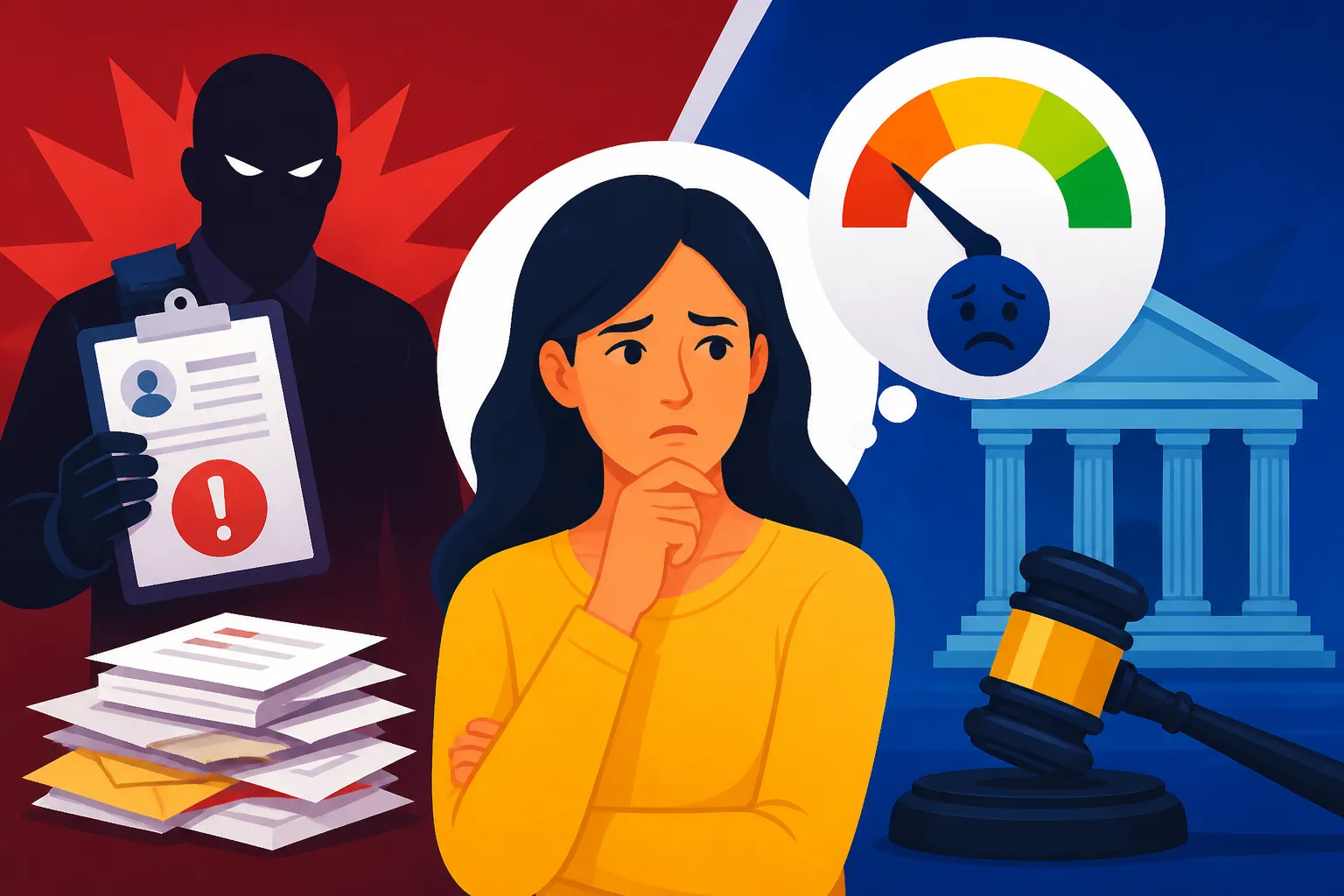
Can a Debt Collector Sue You in Georgia?
It's an incredibly unsettling feeling to have debt collectors constantly hounding you, especially when that nagging fear of a lawsuit starts to creep in. Many folks in Georgia worry about whether a debt collector can actually take them to court, what that process looks like, and what their rights are. This guide is here to shed some light on those anxieties, explaining Georgia's specific laws regarding debt collection lawsuits and empowering you with the knowledge to navigate this often-stressful situation.
Understanding Georgia's Debt Collection Landscape
When you fall behind on payments, whether it's for a credit card, a personal loan, or even medical bills, it’s not uncommon for the original creditor to eventually sell your debt to a third-party debt collector. This transfer of ownership often comes with a new wave of collection efforts, and sometimes, the threat of legal action. It's vital to understand the rules of the game in Georgia to protect yourself and your finances.
When a Debt Collector Can Legally Sue You
Yes, a debt collector can absolutely sue you in Georgia. This isn't just an empty threat they use to scare you into paying. When you owe a legitimate debt and fail to pay, the creditor or debt collector has the legal right to pursue payment through the court system. However, they can't just sue you for any debt at any time. There are specific conditions and limitations they must adhere to. The debt must be valid, they must be the rightful owner of the debt or have the authority to collect it, and most importantly, the lawsuit must be filed within the legal timeframe known as the "statute of limitations." If any of these conditions aren't met, their case against you could be invalid.
It’s crucial to remember that debt collectors are businesses, and their primary goal is to recover money. While suing is a valid option for them, it's also a costly and time-consuming one. They have to pay court fees, legal representation, and invest resources. This is why many will try to settle out of court first. But if they believe they have a strong case and you're not responding to their attempts, a lawsuit becomes a very real possibility. Ignoring their communications won't make the problem go away; it often just pushes them closer to taking legal action.
The Statute of Limitations in Georgia
This is perhaps one of the most critical pieces of information you need to know: the statute of limitations. This is a legal deadline for how long a creditor or debt collector has to file a lawsuit against you to collect a debt. If they file after this period has expired, you can use the expired statute of limitations as a defense in court, and the judge will likely dismiss the case.
In Georgia, the statute of limitations varies depending on the type of debt. For most common types of consumer debt, like credit cards and written contracts, it's six years. This clock generally starts ticking from the date of your last payment or activity on the account. It's incredibly important to know this date, as making even a small payment on an old debt can, in some cases, reset the clock on the statute of limitations, giving the collector a fresh six years to sue you.
Let's break down the general statutes of limitations in Georgia for different debt types:
| Debt Type | Georgia Statute of Limitations |
|---|---|
| Written Contracts | 6 years |
| Promissory Notes | 6 years |
| Open Accounts (Credit Cards) | 6 years |
| Oral Contracts | 4 years |
| Judgments | 7 years (renewable) |
(Note: These are general guidelines and specific circumstances can affect these periods. Always consult with a legal professional for advice tailored to your situation.)
Understanding these timeframes is your first line of defense. If a debt collector is contacting you about a debt that's past its statute of limitations, they cannot legally sue you for it. They can still try to collect, but their legal recourse is gone. You can find more detailed information on Georgia's specific statutes by searching the Official Code of Georgia Annotated (O.C.G.A.) directly, or by checking out resources that compile this legal data.
The Difference Between Original Creditors and Debt Buyers
It’s important to distinguish between who is actually trying to collect from you. An original creditor is the company you initially borrowed money from, like your bank (e.g., Bank of America, Chase) or a store credit card company (e.g., Target, Macy's). They issued the loan or credit and are directly owed the money.
A debt buyer, on the other hand, is a third-party company that purchases old, often delinquent, debts from original creditors for pennies on the dollar. These companies, sometimes known as junk debt buyers, specialize in aggressive collection tactics. When your debt is sold, the debt buyer then becomes the legal owner of the debt and has the right to collect it, and potentially sue you for it, within the statute of limitations. This is a common practice, but it also opens the door to potential issues like incorrect debt amounts, mistaken identity, or a lack of proper documentation.
Many of the issues people face with debt collection arise from debts bought and sold multiple times. When a debt changes hands, paperwork can get lost, and the details of the original agreement might become hazy. This is why when dealing with debt buyers, it's always wise to request debt validation to ensure they actually own the debt and have accurate information. You don't want to accidentally pay a debt that isn't yours or that has incorrect details.
What Happens If You Are Sued for Debt in Georgia
Being served with a lawsuit can be incredibly frightening. It's a huge step up from phone calls and letters, and it demands your attention. Ignoring a lawsuit is perhaps the worst thing you can do, as it almost always leads to a swift and negative outcome for you.
Receiving a Summons and Complaint
If a debt collector decides to sue you in Georgia, you'll typically receive official court documents. These usually consist of a "Summons" and a "Complaint." The summons is a formal notice that you are being sued and tells you how long you have to respond (usually 30 days in Georgia). The complaint outlines the allegations against you, such as the amount of debt owed, when it was incurred, and why the plaintiff (the debt collector) believes you owe it. These documents will usually be delivered to you by a sheriff, a process server, or certified mail.
It’s crucial to understand that simply receiving these documents does not mean you've lost your case. It means the legal process has begun, and you have a chance to defend yourself. Many people panic, throw the papers in a drawer, and hope it goes away. Unfortunately, that only makes things worse. The court assumes you've been properly notified, and if you don't respond, they'll proceed without your input.
Key Steps to Take After Being Sued
Upon receiving a summons and complaint, your immediate priority should be to act. Don't delay.
- Do Not Ignore It: As mentioned, ignoring the lawsuit is a guaranteed way to lose. A default judgment will likely be entered against you, which means the court has sided with the debt collector because you didn't show up to defend yourself.
- Determine the Response Deadline: Look at the summons and carefully note the date by which you must file a response with the court. Missing this deadline is critical.
- Gather Information: Collect all relevant documents related to the debt. This includes old credit card statements, payment records, letters from the original creditor, and any previous communications from the debt collector. This information will be vital in formulating your defense.
- Seek Legal Advice: This is perhaps the most important step. A qualified attorney specializing in consumer debt or civil litigation in Georgia can assess your situation, explain your legal options, and represent you in court. Many consumer protection lawyers offer free initial consultations. They can help you understand nuances like the statute of limitations on debt in Georgia and whether your debt falls outside that period.
- Prepare Your Answer: If you cannot secure legal representation, you will need to file a formal "Answer" with the court by the deadline. This document formally responds to each allegation in the complaint. You can admit, deny, or state that you lack sufficient knowledge to admit or deny each claim. You can also raise "affirmative defenses," such as the debt being past the statute of limitations, identity theft, or incorrect amounts.
This process can be overwhelming, but remember that you have rights. Taking action and being informed about your specific case and Georgia's laws is the best way to protect yourself.
The Consequences of a Default Judgment
If you fail to respond to a debt lawsuit within the specified time frame, the court will likely issue a "default judgment" against you. This is essentially the court ruling in favor of the debt collector because you didn't present a defense. And trust me, you do not want a default judgment on your record.
Once a default judgment is issued, the debt collector then has powerful legal tools at their disposal to collect the money. In Georgia, these can include:
- Wage Garnishment: They can petition the court to have a portion of your wages directly withheld by your employer and sent to them until the debt is paid. In Georgia, non-child support wage garnishment is generally allowed.
- Bank Account Levy: They can seize funds directly from your bank accounts.
- Property Liens: For larger debts, they might be able to place a lien on your real estate, which would have to be paid off if you try to sell the property.
- Collection of Court Costs and Attorney Fees: Often, the judgment amount will include not just the original debt but also court costs, interest, and the debt collector's attorney fees, significantly increasing what you owe.
A default judgment will also appear on your credit report as a public record, severely damaging your credit score. This can make it incredibly difficult to get new credit, loans, or even rent an apartment for years to come. That's why it's so vital to engage with the legal process, even if you feel you can't afford the debt. Knowing What Happens After You File a Credit Dispute? can be a game-changer if you believe there are inaccuracies.
Strategies to Deal with Debt Collectors and Potential Lawsuits
Dealing with debt collectors, especially when a lawsuit is on the table, requires a strategic approach. Panicking or ignoring the problem will only make it worse. By understanding your options and knowing your rights, you can often negotiate a better outcome or even get the debt dismissed.
Challenging the Debt and Requesting Validation
One of your most powerful rights under the Fair Debt Collection Practices Act (FDCPA) is the right to request debt validation. This means you can demand that the debt collector prove that you owe the debt, that the amount is correct, and that they have the legal right to collect it.
If you receive a collection notice, especially from a debt buyer, send a debt validation letter within 30 days of their initial contact. This letter should clearly state that you dispute the debt and require verification. If they fail to provide adequate proof, they are legally required to stop collection activities until they do. If they sue you and cannot provide validation, that’s a strong defense. You can learn more about What Is Debt Validation and How to Request It. Even if you know the debt is yours, challenging it can sometimes reveal errors or weaknesses in their case. When you're dealing with older debts or those sold multiple times, it's not uncommon for collectors to lack the proper documentation, which can be a significant advantage for you.
Negotiating a Settlement or Payment Plan
Even if the debt is valid and within the statute of limitations, you still have options. Debt collectors are often open to negotiation because going to court is expensive and time-consuming. They would rather get some money than none at all.
Consider these approaches:
- Lump-Sum Settlement: If you have some funds available, you might offer a lump-sum payment that is less than the full amount owed. Debt collectors often accept 40-70% of the original debt, especially for older accounts. Be sure to get any settlement agreement in writing before you pay, clearly stating that the payment settles the debt in full.
- Payment Plan: If a lump sum isn't feasible, you can try to negotiate a manageable payment plan. Again, get all terms in writing.
- Pay-for-Delete: While not guaranteed and often frowned upon by credit bureaus, you can sometimes negotiate a "pay-for-delete" where the collector agrees to remove the negative item from your credit report in exchange for payment. This is more common with collection agencies than original creditors. Just be sure to read up on Pay for Delete: Does It Really Work? to understand its nuances.
Before negotiating, assess your financial situation realistically. What can you truly afford? Don't agree to payments you can't make, as this could put you back at square one. Remember, you can also explore how to negotiate with debt collectors for the best possible outcome.
Rebuilding Your Credit After Debt Challenges
Successfully navigating a debt collection lawsuit or settling a significant debt is a major accomplishment, but it can leave your credit score bruised. The good news is that credit is not static; you can actively work to rebuild it. This is where focusing on positive financial habits and potentially using credit-building tools becomes essential.
One excellent way to start rebuilding is by establishing new, positive credit accounts. This could be through a secured credit card, where you put down a deposit that acts as your credit limit, or a credit builder loan. Companies like Credit Strong offer credit builder loans designed specifically to help people establish a positive payment history. You make small, regular payments into a savings account, which is then released to you at the end of the loan term. These consistent payments are reported to the credit bureaus, helping to build a positive history without immediately needing access to a large line of credit.
Think about consistent, on-time payments as the foundation of your credit rebuilding journey. Payment history accounts for a huge portion of your credit score, so ensuring all future payments are made on time is paramount. Even small steps, like paying off existing credit card debt or learning How to Build Credit After Collections can make a significant difference. Over time, as you consistently demonstrate responsible financial behavior, your credit score will gradually improve, opening doors to better financial opportunities.
Protecting Yourself from Abusive Collection Practices
Even if you legitimately owe a debt, debt collectors do not have free reign to harass or mislead you. Federal and state laws are in place to protect consumers from unfair collection tactics. Knowing these rights is crucial, whether you're being sued or just receiving calls.
Knowing Your Rights Under the FDCPA
The Fair Debt Collection Practices Act (FDCPA) is a federal law that governs how third-party debt collectors can interact with consumers. It prohibits a wide range of abusive, deceptive, and unfair collection practices. Key protections include:
- Prohibition of Harassment: Collectors cannot use threats of violence, obscene language, or repeatedly call you to annoy or harass.
- Restrictions on Communication: They generally cannot call you before 8 AM or after 9 PM in your time zone. If you have an attorney, they must contact your attorney, not you. They also cannot contact you at work if they know your employer prohibits it.
- Prohibition of False Statements: Collectors cannot misrepresent the amount you owe, falsely claim to be attorneys or government officials, or threaten arrest or imprisonment if you don't pay.
- Requirement to Validate Debt: As discussed, they must provide written verification of the debt if you request it within 30 days of their initial contact.
If a debt collector violates the FDCPA, you have the right to sue them for damages. Keep detailed records of all communications, including dates, times, names of collectors, and what was said. This documentation is vital if you need to file a complaint or take legal action. Learning How to Freeze Debt Collector Contact (Cease & Desist) is a powerful tool under the FDCPA.
Freezing Communication with Collectors
You have the power to stop debt collectors from contacting you directly. Under the FDCPA, if you send a written "cease and desist" letter, a debt collector must stop contacting you, except to inform you that they are stopping contact or that they intend to take a specific action, like filing a lawsuit.
This doesn't make the debt go away or prevent them from suing you, but it can stop the harassing phone calls and letters, providing you with much-needed peace of mind while you strategize your next steps. Always send such letters via certified mail with a return receipt requested, so you have proof of delivery. This is a critical step for many who feel overwhelmed by constant calls and can give you breathing room to figure out your next steps, perhaps even exploring options like How to Repair Your Credit: The Complete Guide (2026) if you're ready to tackle your overall financial health.
Remember, credit repair takes time and consistent effort. While you might be focused on avoiding a lawsuit now, taking proactive steps to build and maintain a strong credit profile can prevent these issues in the future. Products and services that promote responsible credit use, like those offered by Credit Strong, can be a valuable part of this journey, helping you establish a positive track record that speaks volumes to lenders. Always be diligent about monitoring your credit report for any inaccuracies and know that you have the right to dispute credit report errors (step-by-step) that you find. Taking proactive measures will not only aid in avoiding legal woes but also in establishing a much stronger financial future.
Disclaimer
The information provided in this article is for general informational purposes only and does not constitute legal, financial, or professional advice. Debt laws are complex and can vary based on individual circumstances and specific legal interpretations. It is highly recommended to consult with a qualified attorney or financial advisor regarding your specific situation in Georgia.