Can a Debt Collector Sue You in Louisiana?
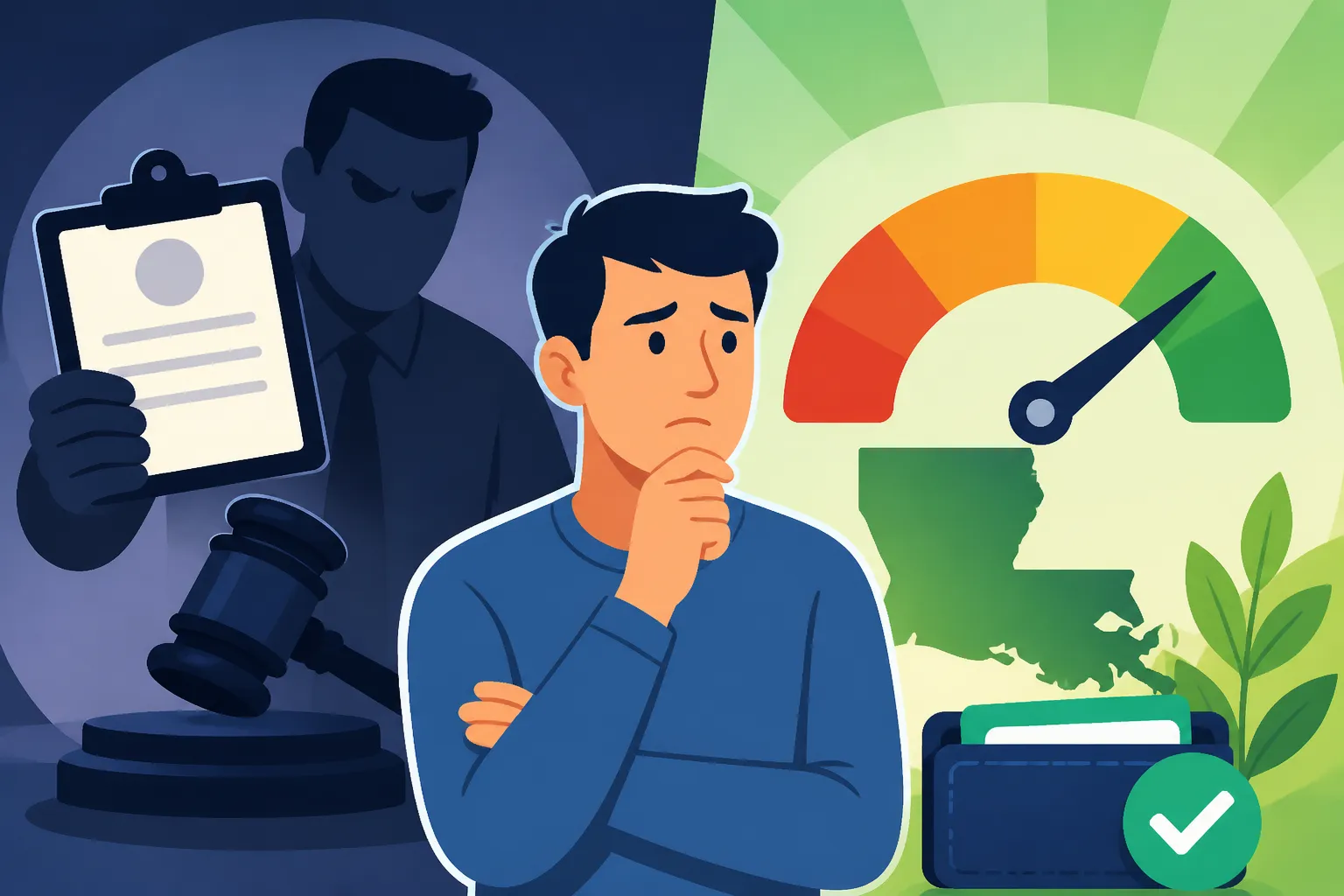
It’s a truly frightening moment when that official-looking envelope lands on your doorstep, signaling that a debt collector isn't just calling anymore—they're considering taking you to court. The stress, the uncertainty, and the feeling of your financial future hanging in the balance can be overwhelming, especially when you're unsure of your rights in a specific state like Louisiana. This guide is here to shed light on whether a debt collector can sue you in Louisiana, what the laws in the Bayou State say, and what steps you can take to protect yourself.
Understanding Louisiana's Debt Collection Landscape
When you owe money, whether it's from a credit card, an old medical bill, or a personal loan, the original creditor eventually wants their funds back. If they can't collect, they might sell the debt to a third-party debt collector, often for pennies on the dollar. These companies then pursue the debt, sometimes aggressively. The question "Can a debt collector sue you in Louisiana?" is a resounding yes, just like in any other state. However, Louisiana has its own set of rules and statutes that govern this process, and understanding them is your first line of defense.
The Legal Framework in the Pelican State
Louisiana law is unique compared to other states because it's based on a civil law system, influenced by French and Spanish legal traditions, rather than the common law system prevalent in the rest of the U.S. While federal laws like the Fair Debt Collection Practices Act (FDCPA) protect consumers nationwide from abusive, unfair, or deceptive debt collection practices, Louisiana also has its own specific statutes that might offer additional protections or lay out precise procedures.
For instance, the Louisiana Credit Consumer Protection Law (LCCPL) covers aspects of credit agreements and consumer rights within the state. While it doesn't directly dictate the rules for debt collection lawsuits in the same way the FDCPA does for federal issues, it sets a broader framework for consumer credit. For actual court proceedings, Louisiana's Code of Civil Procedure dictates how lawsuits must be filed, served, and handled. This means that collectors must follow very specific rules about how they notify you, what information they provide, and how they present their case in court. If they don't follow these procedural rules meticulously, it could be a valid defense for you. It's not enough for them to say you owe a debt; they must prove it according to the law.
Common Tactics Debt Collectors Use
Debt collectors, whether they are the original creditor or a third-party agency, have a range of tactics they employ to recover debt. Before they ever consider a lawsuit, you'll likely experience a barrage of calls, letters, and emails. They might call your workplace, although federal law places restrictions on this. They might send official-looking letters demanding payment, sometimes threatening legal action if you don't comply. These initial contacts are often designed to pressure you into paying without fully understanding your rights or verifying the debt.
It's crucial to remember that even if you owe the debt, you still have rights. The FDCPA prohibits collectors from:
- Calling you repeatedly or continuously with the intent to annoy, abuse, or harass.
- Using obscene or profane language.
- Threatening violence or harm.
- Publishing lists of consumers who refuse to pay their debts.
- Misrepresenting the amount you owe.
- Falsely claiming to be attorneys or government representatives.
- Threatening to arrest you if you don't pay.
If a collector violates these rules, you can file a complaint with the Consumer Financial Protection Bureau (CFPB) or even sue the collector. Knowing these boundaries can empower you to push back against improper collection activities long before a lawsuit becomes a reality. For more detailed information on navigating these interactions, you might find our guide on How to Negotiate With Debt Collectors helpful.
The Critical Role of Louisiana's Statute of Limitations
One of the most powerful tools in a consumer's arsenal when facing a potential debt lawsuit in Louisiana is the statute of limitations (SOL). This is a legal deadline for how long a creditor or debt collector has to file a lawsuit to collect a debt. If the statute of limitations expires, the debt doesn't magically disappear, but the collector loses their legal right to sue you in court to force payment. This is often referred to as a "time-barred" debt.
Different Debt Types, Different Time Limits
Unlike many other states where the statute of limitations for various debts might be fairly uniform (e.g., 6 years for most written contracts), Louisiana has some distinct periods. It's absolutely critical to know which type of debt you're dealing with, as this directly impacts the relevant SOL.
Here's a general breakdown of common debt types and their respective statutes of limitations in Louisiana:
| Debt Type | Statute of Limitations (Louisiana) |
|---|---|
| Open Accounts (Credit Cards, Medical Bills) | 3 years |
| Written Contracts (Loans, Promissory Notes) | 5 years |
| Oral Contracts | 10 years (general prescriptive period for personal actions not specifically provided for elsewhere) |
| Judgments | 10 years (can be renewed) |
Open Accounts: This category typically includes most credit card debts and medical bills. In Louisiana, the prescriptive period (their term for statute of limitations) for these is 3 years. This is a relatively short period compared to many other states, which is a significant protection for Louisiana consumers. The clock usually starts ticking from the date of your last payment or the last activity on the account.
Written Contracts: This covers things like personal loans, auto loans, and certain types of mortgages (though mortgage foreclosure procedures have their own rules). For these, the prescriptive period is generally 5 years. Again, this usually starts from the date of the last payment or when the contract was breached (e.g., the loan matured and wasn't paid).
Oral Contracts: If you had an agreement that wasn't written down, the general prescriptive period for personal actions not specifically provided for elsewhere applies, which is 10 years. However, proving an oral contract debt in court can be much harder for a debt collector.
Judgments: If a debt collector successfully sued you and obtained a judgment, they then have 10 years from the date the judgment was signed to collect on it. What's more, these judgments can often be renewed, extending the collection period further. This is why it's always best to avoid a judgment if possible.
It's vital to confirm the specific type of debt and the exact last activity date to accurately determine if the statute of limitations has expired. A debt collector might still try to collect on a time-barred debt, but they cannot legally sue you for it. However, if you accidentally make a payment on a time-barred debt or even acknowledge it, you could inadvertently "restart" the clock on the statute of limitations, making you vulnerable to a lawsuit again. This is a common trap, so be very cautious. If you're wondering how long certain negative items can impact your report, check out our article on How Long Does a Collection Stay on Your Credit Report?.
What Happens When the SOL Expires?
When the statute of limitations expires on a debt, it becomes "time-barred." This means the debt collector cannot take you to court to get a judgment against you. They can still contact you and ask you to pay, and the debt may still appear on your credit report for a certain period (typically 7 years from the date of last activity, regardless of the SOL). However, without the threat of a lawsuit, their leverage significantly diminishes.
It's important to understand the difference:
- Debt is still owed: You morally (and perhaps ethically) still owe the debt.
- Cannot be sued: The debt collector loses the legal right to enforce that debt through the courts.
- Credit report impact: The debt can still affect your credit score for up to 7 years.
If a debt collector attempts to sue you for a time-barred debt, you can use the expired statute of limitations as a powerful legal defense. This is why when you receive a collection notice or even a summons, your first step should always be to identify the type of debt, the original creditor, and the date of last activity. This information is key to determining your options. Our guide on What Is Debt Validation and How to Request It can help you get the necessary details from the collector.
What to Do if You're Sued by a Debt Collector in Louisiana
Receiving a summons and complaint from a debt collector is a serious matter, and it can feel incredibly intimidating. Ignoring it is the worst thing you can do, as it will almost certainly lead to a default judgment against you, giving the collector significant power to seize assets or garnish wages. Instead, you need to act quickly and strategically.
Receiving a Summons: Don't Panic, Act Fast
A summons is a legal document informing you that a lawsuit has been filed against you and instructing you to respond by a specific deadline. In Louisiana, this will be served to you by a sheriff's deputy or a certified process server. It's not a scare tactic; it's a legitimate legal proceeding.
Here's what you need to do immediately:
- Don't Ignore It: As mentioned, ignoring the summons means you forfeit your right to defend yourself. The court will likely issue a default judgment in favor of the debt collector. This judgment can lead to wage garnishment (though Louisiana has protections for certain wages), bank account levies, or liens on your property.
- Identify the Deadline: The summons will state how many days you have to respond (usually 15-30 days, but verify the exact number on your document). Mark this date prominently on your calendar. Time is of the essence.
- Gather Documents: Collect everything related to the debt: original account statements, previous collection letters, payment records, and anything else that could be relevant.
- Seek Legal Advice: This is critical. A lawyer specializing in consumer law or debt defense in Louisiana can review your specific situation, help you understand the charges, identify potential defenses, and guide you through the complex legal process. Organizations like Legal Aid Louisiana might offer free or low-cost assistance.
Remember, the goal is to avoid a default judgment and either win the case, settle it on favorable terms, or have it dismissed. Getting a judgment against you is far more damaging than just having a collection on your credit report. Our article, Should You Pay Off Old Collections?, explores the implications of having collections on your report.
Exploring Your Defense Options
Once you've received a summons, your attorney will help you explore various defenses specific to Louisiana law and your situation. Here are some common defenses against a debt collection lawsuit:
- Statute of Limitations Expired: This is a powerful defense in Louisiana, given the shorter prescriptive periods for some debts. If the debt collector filed the lawsuit after the SOL passed, they cannot legally win their case. You must assert this defense in your formal response to the court.
- Debt Validation: The collector hasn't proven you owe the debt. Under the FDCPA, you have the right to request validation of the debt. If they can't provide proper documentation (like the original contract, payment history, and proof that the debt belongs to you), they may not be able to win their case. Sometimes, debt buyers purchase old debts without complete records.
- Identity Theft: If the debt isn't yours because you were a victim of identity theft, you can present this as a defense. You'll need to provide evidence, such as a police report or an identity theft affidavit.
- Disputed Amount: If you believe the amount claimed by the debt collector is incorrect, you can dispute it. This often ties into the debt validation defense.
- Bankruptcy: If the debt was discharged in bankruptcy, it cannot be collected.
- Payments Made: If you've already paid the debt, or part of it, and the collector is claiming the wrong amount, you'll need to provide proof of payment.
- Lack of Standing: The debt collector might not have the legal right (or "standing") to sue you if they can't prove they legally own the debt. This is common with debt buyers who may not have proper assignment documents.
It's important to file a formal answer to the court outlining your defenses within the specified timeframe. Failing to do so is essentially admitting guilt.
The Louisiana Court Process
Understanding the basic flow of a debt collection lawsuit in Louisiana can demystify the process and help you feel more prepared.
- Filing the Petition: The debt collector (the plaintiff) files a document called a "Petition" (or "Complaint") with the appropriate Louisiana court (e.g., Justice of the Peace court for small amounts, City Court, or District Court for larger amounts). This petition states why they are suing you and what they are seeking.
- Service of Process: You are formally "served" with the summons and a copy of the petition. This is how you are legally notified of the lawsuit.
- Filing an Answer: You (the defendant), ideally with the help of an attorney, file an "Answer" with the court. This document responds to each allegation in the petition and raises any defenses you have, such as the statute of limitations or lack of documentation.
- Discovery: Both sides exchange information and evidence. This might involve written questions (interrogatories), requests for documents, or depositions.
- Motions: Either party might file motions with the court, such as a motion to dismiss (if a legal technicality prevents the case from proceeding) or a motion for summary judgment (if there are no factual disputes and one party believes they should win as a matter of law).
- Settlement or Mediation: Often, before a trial, courts encourage or even require parties to attempt to settle the case through negotiation or mediation. Many debt collection lawsuits are resolved at this stage.
- Trial: If no settlement is reached, the case proceeds to trial. A judge (or sometimes a jury) will hear arguments and evidence from both sides and issue a ruling.
- Judgment: If the debt collector wins, the court will issue a judgment in their favor, legally obligating you to pay the debt. This judgment then has its own prescriptive period (10 years in Louisiana) and can lead to collection actions.
This entire process can take many months, sometimes even over a year, depending on the court's calendar and the complexity of the case. Having legal representation can significantly improve your chances of a favorable outcome.
Navigating the Aftermath and Rebuilding Your Financial Future
Even if you successfully defend against a debt collection lawsuit or settle it, dealing with debt can leave a mark on your credit and your overall financial well-being. It's crucial to take proactive steps to mitigate damage and start rebuilding.
The Impact on Your Credit Score
Debt collections and lawsuits can severely damage your credit score. A collection account on your credit report can drop your score by dozens of points and stay on your report for up to 7 years from the date of the original delinquency. A civil judgment, if one is entered against you, can be even more detrimental, though new rules have made it less common for consumer credit reports to display civil judgments or tax liens if they don't include certain identifying information. Nevertheless, lenders can still find public records of judgments.
Here’s a look at how different actions might affect your credit:
| Action | Credit Score Impact | Duration on Report |
|---|---|---|
| Original Debt in Collections | Significant negative impact | ~7 years |
| Default Judgment | Severe negative impact | Varies by state (often 7-10+ years, if reported) |
| Paying a Collection | Can help, but generally remains negative | ~7 years from original delinquency |
| Successful Lawsuit Defense | No judgment, but original collection may remain | ~7 years from original delinquency |
It's a common misconception that paying off a collection immediately removes it from your credit report or instantly boosts your score. While paying it off is better than leaving it unpaid, the negative mark often remains for the full 7-year period. However, some newer scoring models, like FICO 9, weigh paid collections less heavily than unpaid ones. For comprehensive strategies on improving your credit, consider reading How to Repair Your Credit: The Complete Guide (2026).
Proactive Steps for Credit Recovery
After dealing with a debt collection lawsuit or significant debt issues, your focus should shift to financial recovery. This isn't a quick fix, but a steady journey.
- Monitor Your Credit Reports: Regularly check your credit reports from Equifax, Experian, and TransUnion. You can get a free report from each bureau once a year via AnnualCreditReport.com. Look for any errors, duplicate entries, or accounts that aren't yours. Disputing errors is a key part of the process. If you find mistakes, learn How to Dispute Credit Report Errors (Step-by-Step).
- Dispute Inaccuracies: If the debt collector listed incorrect information or the debt itself is inaccurate or fraudulent, you have the right to dispute it. This can lead to its removal. Our article on How to Remove Negative Items From Your Credit Report offers detailed advice.
- Build New, Positive Credit: Start building a new, positive credit history. This means getting new credit accounts and managing them responsibly.
- Secured Credit Cards: These cards require a cash deposit, which acts as your credit limit. They're a great way to show responsible usage.
- Credit Builder Loans: These are specifically designed to help you build credit. Instead of getting the money upfront, you make payments into a savings account, which is then released to you. Companies like Credit Strong offer structured credit builder loans that report your on-time payments to all three major credit bureaus, helping you establish a positive payment history. This can be a really effective way to show lenders you're serious about rebuilding. You can learn more in our article, Credit Builder Loans Explained (Self, Kikoff & More).
- Authorized User: If you have a trusted friend or family member with good credit, becoming an authorized user on one of their credit cards can help, as their positive payment history might be added to your report.
- Practice Good Financial Habits: The best way to prevent future debt issues and improve your credit is to maintain excellent financial habits. This includes:
- Paying all your bills on time, every time. Payment history is the most significant factor in your credit score.
- Keeping your credit utilization low. Aim to use no more than 30% of your available credit on any credit card, and ideally much less (under 10%).
- Maintaining a good credit mix (installments loans, credit cards) over time.
- Avoiding unnecessary new credit applications, as each "hard inquiry" can temporarily ding your score.
Rebuilding credit after a significant negative event takes patience and discipline. It's a marathon, not a sprint. But with consistent effort and smart financial choices, you absolutely can improve your financial standing in Louisiana and beyond.
Disclaimer
It is not legal advice. Debt collection laws, especially statutes of limitations, can be complex and are subject to change. The specific details of your situation matter greatly. If you are being sued by a debt collector, or believe you might be, it is strongly recommended that you consult with a qualified attorney in Louisiana for personalized legal advice.