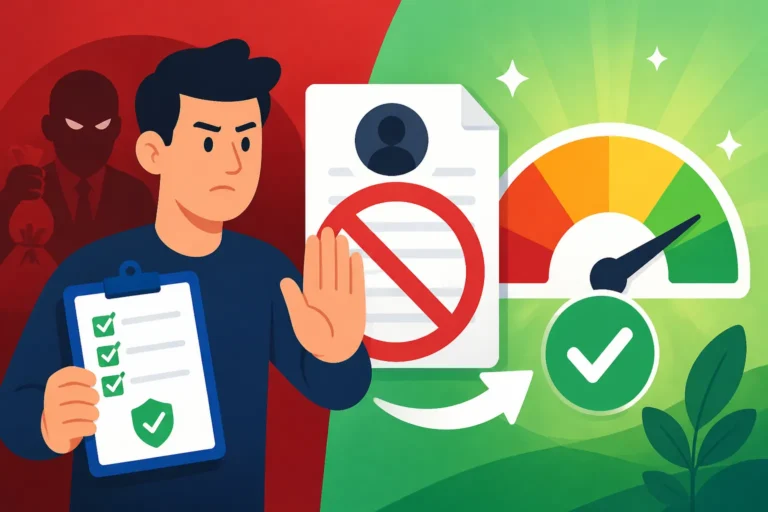
Statute of Limitations on Debt in Arizona
Dealing with old debts can be incredibly stressful, especially when you're not sure if a debt collector still has the legal right to pursue you in court. Many people live with the constant worry of phone calls and letters, feeling trapped by financial obligations that might, in reality, have an expiration date. This comprehensive guide is here to cut through the confusion and explain the statute of limitations on debt specifically in Arizona, empowering you with the knowledge to protect your rights and move forward.
Understanding Arizona's Statute of Limitations for Debt
When you're facing down old debt, one of the most powerful pieces of information you can have is whether that debt is "time-barred." It’s a concept that sounds complicated, but understanding it is key to navigating interactions with debt collectors and protecting your financial well-being.
What Is the Statute of Limitations?
At its core, a statute of limitations (SOL) is a legal deadline. It's a specific period of time within which a creditor or debt collector must file a lawsuit to collect a debt. Think of it like a timer that starts ticking from a certain event, typically the date of your last payment or when the debt first went into default. If they miss that window and try to sue you afterward, you can use the expired statute of limitations as a powerful legal defense, and the court will likely dismiss their case.
It's super important to understand that the statute of limitations doesn't make the debt itself disappear. The debt still exists, and a collection agency can still try to contact you to collect it. What the SOL does is strip them of their ability to use the legal system—like suing you, getting a judgment, or garnishing your wages—to force you to pay. This distinction is crucial because while the calls might continue, your legal vulnerability changes dramatically. Knowing this can greatly reduce the anxiety and fear that often accompany persistent debt collection efforts.
General Statute of Limitations for Various Debt Types in Arizona
Arizona, like every state, has its own specific timelines for different kinds of debt. These aren't just arbitrary numbers; they're set by state law and vary depending on how the original agreement was structured. Here’s a breakdown of the typical statutes of limitations you'll encounter in the Grand Canyon State:
- Written Contracts: For most debts based on a written agreement, like a personal loan, auto loan, or even some credit card agreements, Arizona law generally sets the statute of limitations at six years. This is outlined in Arizona Revised Statutes § 12-548. Many credit card agreements, even if they seem like "open accounts," are considered written contracts because you sign an agreement or implicitly agree to terms when you open and use the card.
- Oral Contracts: If you had an agreement that wasn't put in writing, such as a handshake deal or a verbal agreement for services, the statute of limitations is typically much shorter. In Arizona, this is three years under Arizona Revised Statutes § 12-543. These debts can be harder for creditors to prove in court precisely because there's no written record.
- Open Accounts: This category often includes many standard credit card debts or lines of credit where there isn't a fixed repayment schedule but rather ongoing charges and payments. In Arizona, these are usually treated under the six-year written contract rule. The underlying cardholder agreement functions as the written contract.
- Promissory Notes: These are formal written promises to pay back a loan, often used for things like mortgages or student loans (though federal student loans have their own separate rules). The statute of limitations for promissory notes in Arizona is also typically six years.
- Judgments: If a creditor successfully sues you and gets a court judgment against you, that judgment itself has a statute of limitations. In Arizona, a judgment is typically enforceable for five years. However, here’s a critical point: a judgment can be renewed for additional five-year periods indefinitely. This means that once a judgment is on the books, a creditor can keep renewing it, effectively resetting the clock and maintaining their legal power to collect. The original debt's SOL might expire, but the judgment's renewability means you can't simply wait it out.
To give you a clearer picture, here’s a quick summary table of common debt types and their associated statutes of limitations in Arizona:
| Debt Type | Arizona Statute of Limitations | Relevant Arizona Statute |
|---|---|---|
| Written Contracts | 6 years | AR. Rev. Stat. § 12-548 |
| Oral Contracts | 3 years | AR. Rev. Stat. § 12-543 |
| Open Accounts (Credit Cards) | 6 years | AR. Rev. Stat. § 12-548 |
| Promissory Notes | 6 years | AR. Rev. Stat. § 12-548 |
| Court Judgments | 5 years (renewable indefinitely) | AR. Rev. Stat. § 12-1612 |
The "Clock" and When It Starts Ticking
Understanding when the statute of limitations clock actually begins to tick is just as important as knowing the length of the period itself. For most debts, the clock starts from the date of the last activity on the account. This is usually:
- The date of your last payment: If you made a partial payment, the clock often resets from that date.
- The date you defaulted: This is typically when you missed a payment and the account officially became delinquent.
The crucial part here is the "last activity." Debt collectors know this, and sometimes they might try tactics to get you to "reset" the clock, even for old debts. For instance, if you make even a small payment on a debt that’s approaching its SOL, or even if you simply acknowledge the debt in writing (like promising to pay it back "someday"), you could inadvertently restart that clock. This means the creditor gets a whole new period to sue you. It’s a common trap, and it’s why understanding this mechanism is so vital for consumers. Always be cautious when communicating about old debts, especially if you suspect they are nearing or past the statute of limitations.
What Happens When Debt Is Past the Statute of Limitations in Arizona?
Many people breathe a sigh of relief when they realize a debt might be past its statute of limitations. While it certainly provides significant protection, it's not quite as simple as the debt just vanishing into thin air. There are important distinctions to understand about how time-barred debt operates.
The Debt Doesn't Vanish, But the Lawsuit Risk Decreases
It's a common misconception that once the statute of limitations expires, the debt is somehow erased. This isn't the case. The debt itself still exists, and you still technically owe it. What does change is the creditor's legal ability to enforce that debt through the court system. They can no longer sue you for payment, obtain a judgment against you, or use legal means like wage garnishment or liens on your property. This inability to pursue legal action is a huge relief for many and is often the primary goal when dealing with old debt.
However, debt collectors can absolutely still contact you about the debt. They can call you, send letters, and report it to the credit bureaus (though negative marks generally fall off your credit report after about seven years from the date of initial delinquency, regardless of the SOL). So, while the immediate threat of a lawsuit is gone, the annoyance of collection attempts might not be. This is why knowing your rights and how to respond is so important. If you're wondering how long these types of negative marks can linger, it's a good idea to understand How Long Does a Collection Stay on Your Credit Report?.
How Debt Collectors Operate with Time-Barred Debt
Debt collectors are often very persistent, and they operate under the assumption that many consumers aren't fully aware of their rights, especially concerning time-barred debt. For debts that are past the statute of limitations, their tactics usually shift from threats of legal action to attempts to get you to restart the clock or voluntarily pay. They might imply that you still face legal consequences, even when that's no longer true.
The Fair Debt Collection Practices Act (FDCPA) protects consumers from abusive debt collection practices. Under the FDCPA, collectors cannot misrepresent the legal status of a debt, which includes falsely stating or implying that they can sue you for a time-barred debt. If a debt collector knows the debt is time-barred, they cannot threaten a lawsuit. However, they can try to collect it, and they are not always obligated to tell you that the debt is time-barred unless you specifically ask, or if Arizona law requires it. Arizona's consumer protection laws also offer additional safeguards. For instance, if you’re being harassed, you might consider sending a formal letter to tell them to stop contacting you, which is covered in guides like How to Freeze Debt Collector Contact (Cease & Desist).
Be wary of calls that are overly friendly or those that pressure you into making a "good faith" payment. Even a tiny payment, as discussed earlier, can restart the statute of limitations. If you're dealing with a collection agency regarding an old debt, it's always wise to ask them to validate the debt. You can learn more about this crucial step in What Is Debt Validation and How to Request It.
Your Rights and Defenses
If, despite the debt being time-barred, a debt collector does file a lawsuit against you in Arizona, you absolutely should not ignore it. Ignoring a lawsuit, even for a time-barred debt, can result in a default judgment against you. This means the court rules in favor of the creditor because you didn't respond, and suddenly, that judgment can be legally enforced, potentially leading to wage garnishment or bank levies.
Instead, you need to appear in court and assert the statute of limitations as an "affirmative defense." This means you're telling the court, "Yes, I might owe this debt, but the legal time limit to sue me for it has expired." You'll need to provide evidence, usually showing the date of last activity on the account. Seeking legal advice from a consumer law attorney is highly recommended if you find yourself in this situation, especially since they can help you understand the nuances of Arizona's specific laws. This also applies if you’re trying to figure out How to Get a Collection Removed Without Paying when the SOL has passed.
Practical Steps and Considerations for Arizona Residents
Navigating the world of old debt can feel overwhelming, but taking proactive, informed steps can make a huge difference. For Arizona residents, it's about being diligent and knowing precisely how to handle communications and verify information.
Verifying the Debt and Its Age
The first and most crucial step is to verify the debt and accurately determine its age. You can't effectively assert your rights if you're not sure about the details.
- Check Your Credit Reports: Your credit reports are an invaluable resource for this. You're entitled to a free credit report from each of the three major bureaus—Equifax, Experian, and TransUnion—once every 12 months via AnnualCreditReport.com. Carefully review these reports for any collection accounts or delinquent debts. Look for the "date of last activity" or "date of last payment" associated with the debt. This date is critical for calculating the statute of limitations. Understanding How to Read Your Credit Report (2026 Guide) can help you pinpoint this information.
- Request Debt Validation: If a debt collector contacts you, especially about an old debt, send them a debt validation letter. This letter formally requests proof that you owe the debt, including the original creditor's name, the amount owed, and, most importantly, the date of last activity. The collector is required by law to provide this information. If they can't, or if the information is inconsistent, it strengthens your position.
- Calculate the SOL: Once you have the date of last activity, apply Arizona's statute of limitations periods (3 or 6 years, depending on the debt type) to that date. This will tell you if the debt is indeed time-barred. Keep meticulous records of all communications and documents.
Communicating with Debt Collectors
Interacting with debt collectors, particularly about old debts, requires a strategic approach. What you say or do can have significant legal implications.
- Avoid Acknowledging the Debt: This is paramount. Do not verbally or in writing admit that you owe the debt. Do not apologize for not paying it. Any acknowledgment, even a casual one, could potentially be interpreted as restarting the statute of limitations clock.
- Do Not Make Payments: Never make even a small "good faith" payment on a debt you suspect is time-barred. Just like acknowledging the debt, making a payment will almost certainly restart the SOL, giving the collector a fresh legal window to sue you.
- Demand Written Communication: Insist that all communication be in writing. This creates a paper trail and ensures you have a record of what was said and when. This is especially useful for older debts where details can be fuzzy.
- Send a Cease and Desist Letter: If a time-barred debt collector is harassing you, you have the right to send a written letter instructing them to cease all communication. Once they receive this, they are generally prohibited from contacting you further, except to inform you that they are stopping collection efforts or initiating a lawsuit (which they can't do for time-barred debt).
- Document Everything: Keep a detailed log of all calls, including dates, times, the collector's name, and what was discussed. Save copies of all letters sent and received. This documentation is your evidence if any disputes arise.
Rebuilding Your Credit After Old Debts
While the statute of limitations deals with the legal right to sue, negative items from old debts can stick around on your credit report for up to seven years from the date of initial delinquency. This means even if a debt is time-barred, it can still impact your credit score, making it harder to get new loans or favorable interest rates. Once these older negative entries start to fall off, your credit score has a chance to rebound.
Focusing on establishing positive credit history is key to rebuilding your score. This involves making sure all current accounts are paid on time and keeping your credit utilization low. You might consider tools designed to help establish new credit, such as a secured credit card or a credit-builder loan. Products like those offered by Credit Strong, for instance, are specifically designed to help individuals build a positive payment history by reporting to all three major credit bureaus. By making consistent, on-time payments, you create a new narrative for your credit profile, overshadowing those older, time-barred entries. For a comprehensive strategy, exploring guides like How to Build Credit From Scratch (2026 Guide) or How to Repair Your Credit: The Complete Guide (2026) can provide valuable steps. Remember, your credit score is a reflection of your financial responsibility, and even after past issues, you can absolutely work towards a healthier credit future.
Important Nuances and Exceptions in Arizona
The statute of limitations for debt isn't always a straightforward, one-size-fits-all rule. There are important nuances and exceptions that Arizona residents should be aware of, as they can significantly impact how old debts are handled.
The Impact of Making a Payment or Acknowledging Debt
We've touched on this before, but it bears repeating because it's such a common pitfall: any action that acknowledges or validates a debt can restart the statute of limitations. This isn't just a legal technicality; it's a real-world trap that can undo years of waiting for a debt to become time-barred.
Consider this scenario: You have an old credit card debt from six years ago. The statute of limitations in Arizona for written contracts (which often includes credit cards) is six years. If a debt collector calls you and you, feeling pressured, agree to pay $50 towards the $2,000 balance, you've just reset the clock. The six-year period now starts again from the date of that $50 payment. This means the collector suddenly has another six years to sue you. Even a simple, "I know I owe that, but I can't pay right now," might be interpreted as an acknowledgment in court. This highlights why extreme caution is needed in all communications with debt collectors about older accounts. It's often best to decline to discuss details, ask for everything in writing, and certainly avoid making any payments until you've confirmed the debt's status. This is crucial for understanding whether you Should You Pay Off Old Collections?.
Out-of-State Debts and "Borrowing Statutes"
What happens if you incurred debt in another state and then moved to Arizona? This is where "borrowing statutes" come into play, and Arizona has one that can complicate things. Arizona Revised Statutes § 12-549 states that if a cause of action (like a debt) arises in another state, you cannot sue on it in Arizona if the statute of limitations in either Arizona or the state where the debt originated has expired.
Essentially, Arizona "borrows" the shorter of the two states' statutes of limitations. For example, if you took out a personal loan in California, where the SOL for written contracts is four years, and then moved to Arizona, where it's six years, the shorter California period would likely apply. This means that after four years, the debt would be time-barred in Arizona, even though Arizona's own SOL for that type of debt is longer. Conversely, if California's SOL was longer than Arizona's, Arizona's shorter SOL would apply. This can get quite complex, and if you have out-of-state debts, it's highly advisable to consult with an attorney who specializes in consumer law to understand how Arizona's borrowing statute might affect your specific situation.
Exceptions for Specific Debt Types
While the general rules cover most consumer debts, there are some significant exceptions:
- Government Debts: Federal student loans and outstanding tax debts typically do not have a statute of limitations for collection. The government generally has unlimited time to collect these types of debts. State tax debts might have specific SOLs, but they are often quite long.
- Mortgages and Real Estate: Mortgage foreclosures and deeds of trust operate under different rules. While the promissory note tied to a mortgage typically has a six-year SOL in Arizona, the ability to foreclose on the property itself might follow different, often longer, timelines or be affected by different legal processes. If you're dealing with a home loan or property-related debt, the rules are distinct, and legal counsel is almost always necessary.
- Child Support: There is generally no statute of limitations on child support payments in Arizona.
- Secured Debts: If a debt is secured by collateral (like a car loan or mortgage), the creditor can still repossess the collateral even if they can no longer sue you for the remaining debt (the "deficiency balance"). The ability to repossess is separate from the ability to sue for the money.
Understanding these exceptions is vital because assuming all debts are treated equally under the SOL can lead to significant financial mistakes. When in doubt, always seek professional legal guidance.
Disclaimer
This article is for general informational purposes only and does not constitute professional advice. Laws, prices and regulations vary by location and change over time. Consult a qualified professional for guidance on your specific situation.