How to Dispute a Collection Reported by the Wrong Creditor
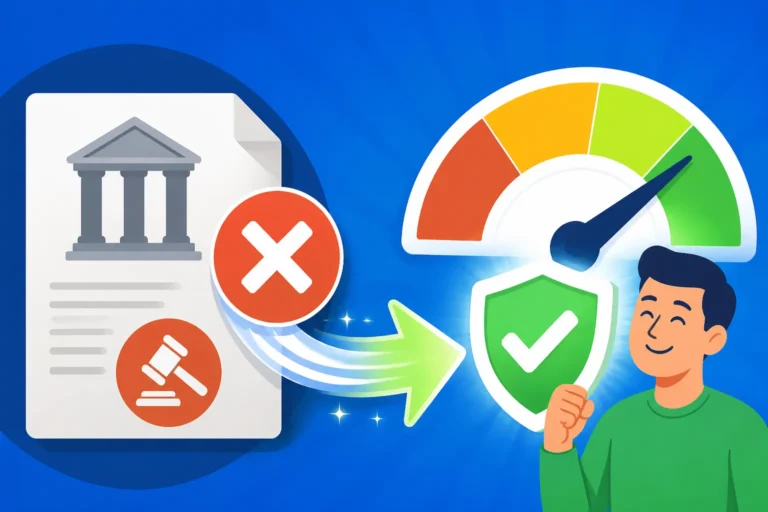
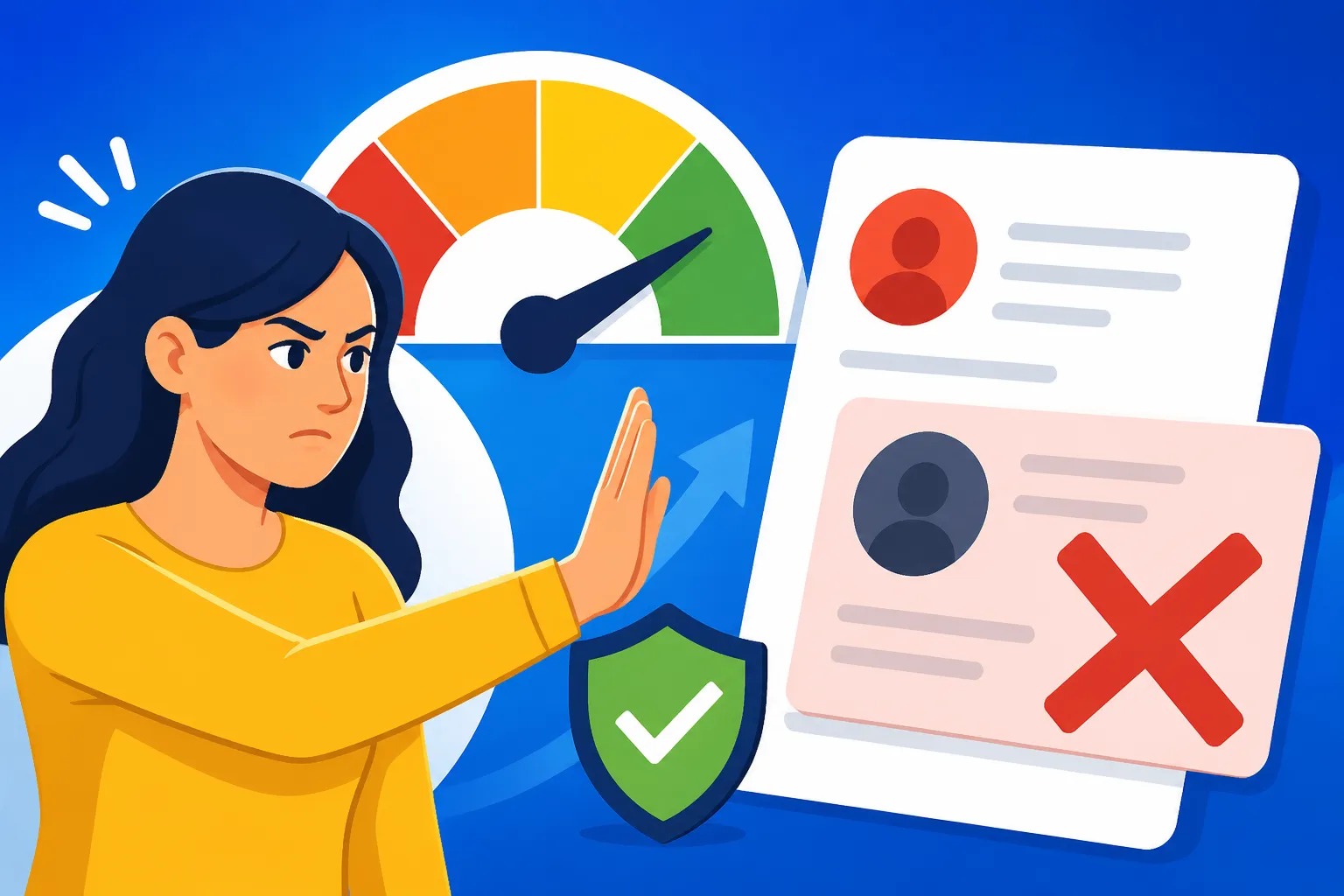
It's incredibly frustrating and frankly, confusing, when you're trying to get a handle on your credit report and you stumble upon a collection account that just doesn't make sense. Maybe it's a debt you swear you paid, or perhaps it's for a service you never used, but the most baffling situation of all is seeing a collection reported by a creditor you don't even recognize. This guide is here to walk you through exactly what to do when a collection shows up from the wrong creditor, helping you navigate the complex world of credit disputes and get your financial record straightened out.
Understanding Collections and Creditors
Before diving into the nitty-gritty of disputing, let's make sure we're all on the same page about what collection accounts are and who the players are in this credit reporting drama. It’s easy to feel overwhelmed, but understanding the basics can empower you.
What Is a Collection Account?
A collection account is essentially a debt that the original creditor has given up trying to collect themselves. When you fall significantly behind on payments—typically 90 to 180 days past due—the original creditor might decide to charge off the debt and either sell it to a third-party collection agency or hire an agency to collect on their behalf. Once this happens, the collection agency will then report the debt on your credit report, often alongside or instead of the original charged-off account.
These collection accounts are a huge red flag on your credit report. They indicate a serious delinquency and can significantly drag down your credit score, sometimes by 50 to over 100 points, depending on your overall credit profile. They can make it incredibly difficult to qualify for new loans, credit cards, or even rent an apartment, casting a long shadow over your financial life for years. The good news is, if a collection is reported by the wrong creditor, you have a solid basis for a dispute.
Identifying the Original vs. Current Creditor
This is where things can get particularly confusing, and it's a crucial distinction when you're dealing with an incorrect collection. The original creditor is the company you initially borrowed money from or owed a service fee to. Think of your bank for a credit card, a hospital for a medical bill, or a utility company. They are the first party to whom you incurred the debt.
A current creditor or collection agency, on the other hand, is the entity that now owns or is attempting to collect the debt. When an original creditor sells a debt, they transfer ownership to a debt buyer, who then becomes the current creditor. If they hire an agency to collect but retain ownership, the original creditor is still the creditor, but the agency is the one doing the collection work. Often, collection agencies will report under their own name. Knowing who the original creditor was is absolutely vital, as it's the first piece of evidence you’ll need to prove that the current reporting entity is "wrong." This information helps when you're trying to How to Remove Collections From Your Credit Report.
Why a Collection Might Be Reported by the Wrong Creditor
It’s not always a nefarious plot when a collection appears incorrectly; sometimes it's just a mistake. But understanding the common culprits can help you prepare your dispute and zero in on the problem.
Common Scenarios
There are several reasons why a collection might be reported by a creditor you don't recognize or that seems "wrong." One common scenario is simple data entry error. Maybe a number was transposed, or an account was mistakenly linked to the wrong person. It happens more often than you might think, especially when similar names or addresses are involved.
Another frequent cause is identity theft. If someone opened an account in your name, then defaulted on it, a collection agency might eventually come after you. In these cases, the original creditor and the subsequent collection agency will indeed be "wrong" because the debt isn't yours to begin with. You should look into What to Do If You're a Victim of Identity Theft immediately if you suspect this. A third scenario involves debt buyers. These companies purchase old, unpaid debts for pennies on the dollar. When they do, they often try to collect on them, and they might report the debt under their name without clear linkage to the original creditor, making it hard for you to recognize. Sometimes, the debt buyer itself might be mistaken about who the original creditor was, or they might not have complete records, leading to a confusing entry on your credit report.
The Ramifications of Incorrect Reporting
The impact of an incorrectly reported collection can be severe and far-reaching. First and foremost, it will almost certainly cause a significant drop in your credit score. Lenders view collection accounts as a major indicator of risk, leading to higher interest rates on loans, if you can even get approved for one. This could mean paying thousands more over the life of a mortgage or car loan. It can also prevent you from renting an apartment, securing certain types of employment, or even getting approved for essential services like utilities without a hefty deposit.
Beyond the financial implications, there's the sheer frustration and stress. Trying to secure a loan or an apartment only to be denied because of a phantom debt is incredibly demoralizing. It can feel like you're constantly fighting an uphill battle, especially when you know the information is wrong. Many people feel helpless against these large financial institutions, but you do have rights, and disputing is the first step towards asserting them. Remember, it's about protecting your financial future and ensuring your credit report accurately reflects your payment history, contributing to What Is a Good Credit Score? 2026 Ranges Explained.
Step-by-Step Guide to Disputing an Incorrectly Reported Collection
Successfully disputing an incorrect collection reported by the wrong creditor requires a methodical approach. Don't rush into it; gather your facts, understand the process, and then act.
Gather Your Evidence
The first and most critical step is to gather all the evidence you possibly can. This is your arsenal in the fight against incorrect reporting. Start by reviewing your own financial records. Look for bills, statements, or any communication that might relate to the alleged debt. If you genuinely believe the debt isn't yours, scour your records for any proof that you were never a customer of the original creditor mentioned, or that you were in a different location at the time the debt was incurred.
If you have paid the debt, either to the original creditor or to a collection agency, dig up those payment confirmations, bank statements, or canceled checks. Screenshot any emails or online payment portal confirmations. If it's a case of identity theft, you'll need to gather police reports and Federal Trade Commission (FTC) identity theft reports. The more documentation you have to support your claim that the collection is reported by the wrong creditor or that the debt isn't valid, the stronger your dispute will be. Having proof of an existing Credit Strong account with perfect payment history, for instance, could also help demonstrate responsible financial behavior that makes a questionable collection stand out.
Contacting the Credit Bureaus
Once your evidence is in hand, your next move is to formally dispute the collection with the three major credit bureaus: Equifax, Experian, and TransUnion. You can initiate a dispute online, by mail, or over the phone. While online disputes are often the fastest, a written dispute sent via certified mail provides a paper trail, which can be invaluable. Clearly state that the collection is reported by the wrong creditor, or that the debt itself is not yours.
When disputing, specify why you believe the information is inaccurate. Don't just say "it's wrong." For example, explain, "This collection from 'XYZ Collection Agency' lists 'ABC Original Creditor,' but I have never had an account with 'ABC Original Creditor,' nor do I recognize this debt." Attach copies of your supporting documents (never send originals!). The credit bureaus are legally required to investigate your dispute, usually within 30 days. You'll find detailed instructions on How to Dispute With Equifax, Experian, and TransUnion.
Engaging the Collection Agency Directly
While disputing with the credit bureaus, you should also engage the collection agency directly. This step is particularly important because it triggers your rights under the Fair Debt Collection Practices Act (FDCPA). Send a debt validation letter via certified mail, return receipt requested. This letter demands that the collection agency provide proof that you owe the debt and that they have the legal right to collect it. They must provide specific details, including the name of the original creditor, the amount owed, and proof that the debt is actually yours.
If the collection agency cannot validate the debt within 30 days of receiving your letter, they are legally required to stop collection activities and remove the item from your credit report. This is a powerful tool to remove collections from your report, especially when the creditor is wrong or the debt is invalid. If you're dealing with aggressive collection tactics, you might even consider sending a How to Freeze Debt Collector Contact Cease & Desist. If you've been responsibly managing other credit lines, perhaps through a program like Credit Strong, this incident will stand out even more.
Contacting the Original Creditor
In some cases, it can be beneficial to contact the original creditor directly, especially if you know who they are and believe there's been a mistake on their end. For instance, if you had a medical bill from "Springfield General" that's now being collected by "Mega Debt Collectors" but reported with incorrect details, you might reach out to Springfield General's billing department.
Explain the situation calmly and provide any relevant account numbers or dates. Ask them to confirm if the debt was indeed sold to the collection agency, and if so, when and for what amount. If they still own the debt but have hired an agency, ask them to recall the account from collections if it was an error or if you can arrange payment directly. Their cooperation can be a faster route to resolving the issue than waiting for collection agencies to respond. Sometimes, just confirming the details can help clarify discrepancies reported by a wrong creditor.
What to Do After You've Disputed
The dispute process isn't always a one-and-done deal. It often requires persistence and careful monitoring to ensure the incorrect information is fully removed and stays off your reports.
Monitoring Your Credit Report
Once you've filed disputes with the credit bureaus and contacted the collection agency, it's absolutely crucial to vigilantly monitor your credit reports. The credit bureaus generally have 30 days (sometimes up to 45 days, depending on circumstances) to investigate your dispute and respond. You should receive a letter or notification detailing the results of their investigation. If the item is indeed found to be inaccurate, incomplete, or unverified, it should be removed.
Keep checking your reports from all three bureaus—Equifax, Experian, and TransUnion—regularly. You can get a free copy of your credit report from each bureau annually at AnnualCreditReport.com. Make this a habit. You're looking to see if the collection account has been removed. If it hasn't, or if it reappears after being removed, you might need to dispute it again or take further action. Regular monitoring is also key to preventing new fraudulent accounts from appearing, which would also be reported by the wrong creditor. Consider signing up for a service like Credit Strong, which often includes credit monitoring as part of its features, helping you keep an eye on your progress while you build positive credit history. You should know How Often Should You Check Your Credit Report?.
Next Steps if the Dispute is Denied
Unfortunately, disputes aren't always resolved in your favor on the first try. If your dispute is denied by the credit bureaus, or if the collection agency validates a debt you still believe is incorrect, don't give up hope. Your next course of action might be to file a complaint with the Consumer Financial Protection Bureau (CFPB). The CFPB is a government agency that protects consumers in the financial marketplace. They can act as an intermediary, forwarding your complaint to the credit bureaus or the collection agency and requiring them to respond.
Another option, especially if you have strong evidence and feel your rights are being violated, is to seek legal advice. An attorney specializing in consumer law or credit disputes can assess your situation and determine if you have a case under the Fair Credit Reporting Act (FCRA) or the FDCPA. In some situations, you might even be able to sue a credit bureau for continued reporting of inaccurate information, as discussed in articles like Can You Sue a Credit Bureau for Errors?. Don't let the complexity deter you; persistence is key when dealing with these issues. The goal is always to have a clean, accurate credit report that truly reflects your financial responsibility.
Summary of the Dispute Process
To help you keep track of the steps involved when disputing a collection reported by the wrong creditor, here's a quick overview:
| Step | Action | Key Considerations |
|---|---|---|
| 1. Gather Evidence | Collect all relevant documents: personal records, payment proofs, communication, identity theft reports. | The more proof you have (e.g., never an account with original creditor), the stronger your case. |
| 2. Review Credit Reports | Get copies of your credit reports from Equifax, Experian, and TransUnion. | Identify the specific collection entry, reporting agency, and original creditor name. |
| 3. Dispute with Credit Bureaus | File a formal dispute with each credit bureau online, by mail (certified), or by phone. | Clearly state why the collection is incorrect (wrong creditor, not your debt). Attach copies of evidence. Expect a response within 30-45 days. |
| 4. Engage Collection Agency | Send a debt validation letter (certified mail) to the collection agency. | Demand proof of the debt and their right to collect. If they can't validate within 30 days, they must stop collection and remove the entry. This is part of What Is Debt Validation and How to Request It. |
| 5. Contact Original Creditor | If identifiable, reach out to the original creditor to clarify account status or verify debt sale. | They might be able to confirm errors or recall the debt from collections. |
| 6. Monitor & Follow Up | Regularly check your credit reports for updates. | Ensure the disputed item is removed and doesn't reappear. Be prepared for follow-up disputes. |
| 7. Escalate if Necessary | If disputes are denied, consider filing a complaint with the CFPB or seeking legal counsel. | Protect your rights under FCRA and FDCPA. |
Navigating an incorrectly reported collection can be daunting, but with these steps, you’re well-equipped to challenge the inaccuracies and protect your credit.
Disclaimer
Please remember, I'm a lifestyle blogger and not a financial advisor or legal professional. The information provided here is for general informational purposes only and does not constitute financial or legal advice. Credit laws can be complex and vary by state. It's always a good idea to consult with a qualified financial expert or attorney for advice tailored to your specific situation.