Can a Debt Collector Sue You in Nebraska?
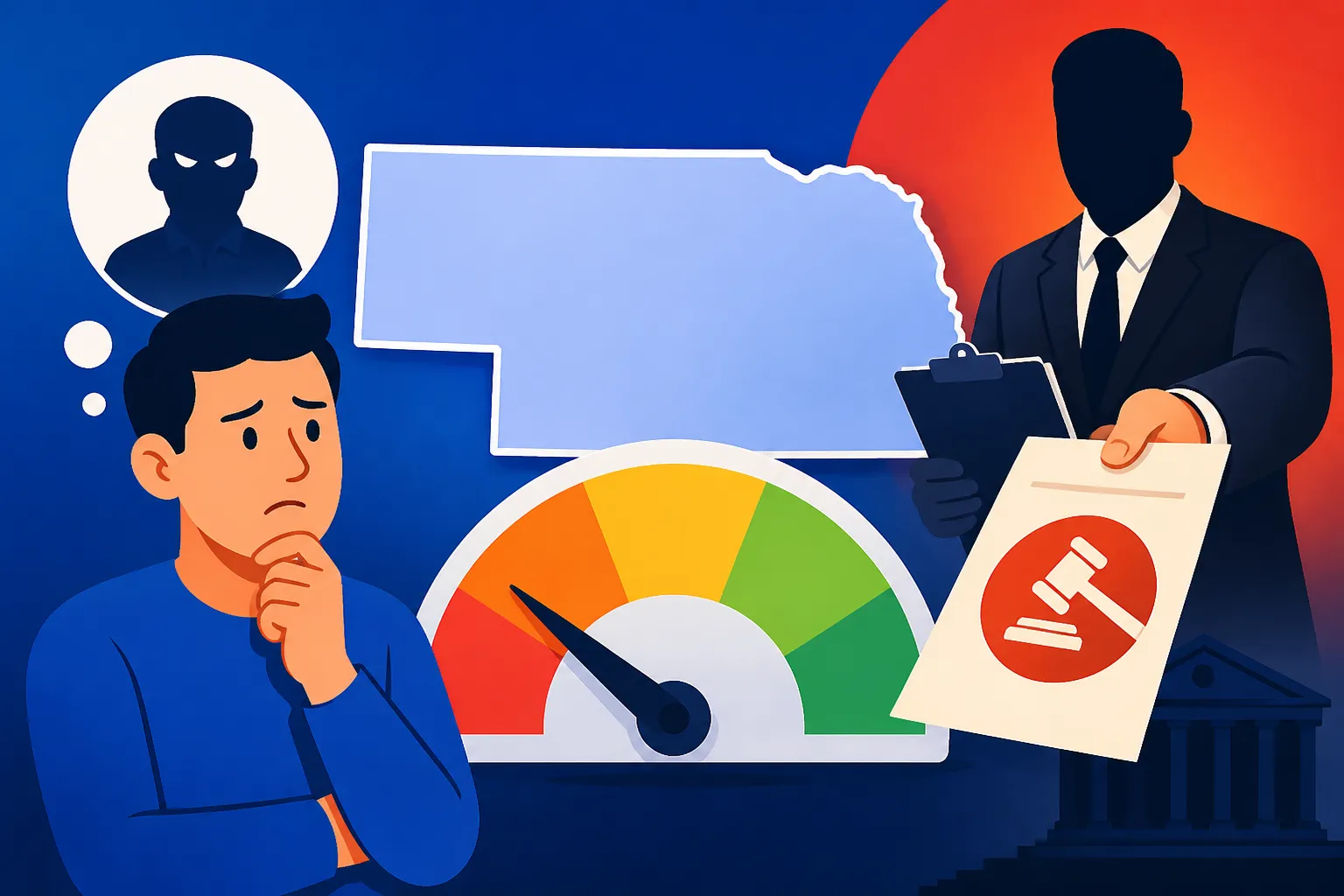
It's an unsettling feeling, isn't it? You get a phone call, or worse, a letter, from a debt collector, and your mind immediately races to the worst-case scenario: a lawsuit. The thought of being dragged into court, facing legal fees, and potentially having your wages garnished can be terrifying. In Nebraska, like any other state, debt collectors can sue you, but it's not always a straightforward process, and you have rights and defenses. This guide will help you understand when debt collectors in Nebraska might take legal action, what your rights are, and how to navigate such a challenging situation.
Understanding When Debt Collectors Can Sue in Nebraska
Let's cut right to it: yes, a debt collector can absolutely sue you in Nebraska. They do it regularly. But it's crucial to understand the circumstances under which they are most likely to pursue legal action and the legal framework that governs these situations. A lawsuit isn't usually the first step; it's often a later stage in a collection effort, especially when other attempts to collect have failed.
The Debt Collection Process Leading to a Lawsuit
Typically, the journey to a debt lawsuit starts long before you receive a summons. First, you might receive phone calls and letters from the original creditor when a payment is missed. If the debt remains unpaid for a certain period, often 90 to 180 days, the original creditor might sell the debt to a third-party debt collector, or assign it to a collection agency to collect on their behalf. This is where the landscape can shift, as these agencies often acquire debt for pennies on the dollar and are aggressive in their collection tactics.
These debt collectors will then try to contact you, often sending demand letters and calling repeatedly. They are hoping to get you to pay, or at least acknowledge the debt. If these attempts don't yield results, and the debt is of a significant enough amount (typically a few thousand dollars or more, though it can be less), the debt collector might decide that a lawsuit is their best option to recover the funds. Filing a lawsuit is a business decision for them. They weigh the cost of legal action against the likelihood of winning and collecting. For instance, if you have assets or a steady income, they might see a lawsuit as a worthwhile investment. If you're struggling financially and have no assets, they might decide it's not worth their time and resources.
Types of Debt That Lead to Lawsuits
Almost any type of unpaid debt can lead to a lawsuit, but some are more common than others. Credit card debt is a huge one, as are personal loans and medical bills. Sometimes, even utility bills or old rental debts can escalate to this point. What's less common is being sued over very small debts, simply because the legal fees and time involved might exceed the amount they could recover. However, this doesn't mean it never happens, especially if the debt collector bundles several small debts against one individual. They are looking for ways to compel payment, and a court judgment provides powerful tools like wage garnishment or bank account levies.
It's important to differentiate between the original creditor and a debt buyer. The original creditor is the company you initially borrowed from, like a bank that issued a credit card. A debt buyer, on the other as mentioned previously, is a company that purchases old, charged-off debts from original creditors for a fraction of their face value. These debt buyers, like Portfolio Recovery Associates or Midland Funding, are notorious for filing lawsuits because their entire business model relies on buying low and collecting high, often through legal means.
Nebraska's Statute of Limitations on Debt
One of the most critical factors in determining whether a debt collector can successfully sue you in Nebraska is the state's statute of limitations. This legal concept sets a strict time limit within which a creditor or debt collector can file a lawsuit to collect a debt. If they miss this window, they generally lose their legal right to sue you, even if you still technically owe the money.
Understanding the Time Limits
Nebraska's statutes of limitations vary depending on the type of debt. It's not a one-size-fits-all rule, and knowing these specific timeframes is crucial for your defense. Here's a breakdown of the common types of debt:
- Written Contracts: This category typically includes credit card agreements, promissory notes, car loans, and mortgage contracts. In Nebraska, the statute of limitations for written contracts is 5 years. This means a debt collector has five years from the date of your last payment or activity on the account to file a lawsuit.
- Oral Contracts: If an agreement was made verbally, without any written documentation, it falls under oral contracts. The statute of limitations for oral contracts in Nebraska is 4 years. While less common for significant debts, this can apply to certain informal agreements or services.
- Promissory Notes and Other Instruments: These often include personal loans or other formal acknowledgments of debt. Like written contracts, the statute of limitations is generally 5 years in Nebraska.
- Foreign Judgments: If a creditor obtained a judgment against you in another state, they have 5 years from the date the judgment was entered in the other state to register and enforce it in Nebraska.
It's vital to remember that these timeframes start from the date of the last activity on the account, which is usually your last payment. If you make a payment, even a small one, or sometimes even acknowledge the debt verbally, you might inadvertently "restart" the clock on the statute of limitations. This is why many experts advise extreme caution when communicating with debt collectors, especially if the debt is old. You can read more about specific state laws in our article on "Statute of Limitations on Debt in Nebraska."
What "Time-Barred" Debt Means
When a debt has passed its statute of limitations, it becomes "time-barred." This means the debt collector can no longer sue you in court to force payment. However, and this is a big "however," they can still contact you and try to collect the debt. They might call you, send letters, or email you. While they can't sue, they might try to trick you into making a payment or acknowledging the debt, which could, as mentioned, inadvertently restart the clock in some jurisdictions or situations.
If you are contacted about a time-barred debt, you have the right to inform the debt collector that the debt is time-barred and that you will not be paying it. You can also send a cease and desist letter to stop their contact. Understanding this distinction is powerful. If a debt collector threatens to sue you over a time-barred debt, they are potentially violating the Fair Debt Collection Practices Act (FDCPA), which is a federal law protecting consumers from abusive debt collection practices.
Here's a quick reference table for Nebraska's common debt statutes of limitations:
| Type of Debt | Statute of Limitations in Nebraska |
|---|---|
| Written Contracts | 5 years |
| Oral Contracts | 4 years |
| Promissory Notes | 5 years |
| Foreign Judgments | 5 years |
| Domestic Judgments | 5 years (renewable) |
What Happens If You Get Sued by a Debt Collector in Nebraska?
Receiving a summons and complaint is a serious matter and can feel overwhelming. It's a formal notification that a debt collector has initiated a lawsuit against you in court. Ignoring it is the worst thing you can do, as it will almost certainly lead to a default judgment against you, which gives the collector significant power.
The Legal Process
- Receiving the Summons and Complaint: This is the official document informing you that you're being sued. It will state who is suing you (the plaintiff), why they are suing you (the complaint, which should detail the debt), and how long you have to respond. In Nebraska, the time to respond is typically 30 days if you're served within the state.
- Filing an Answer: You must respond to the summons by filing an "answer" with the court within the specified timeframe. An answer is your formal response to each allegation in the complaint. You can admit, deny, or state that you don't have enough information to admit or deny. This is also where you would raise any affirmative defenses you might have, such as the debt being past the statute of limitations, identity theft, or that the debt is not yours. If you don't file an answer, the court will likely issue a default judgment against you.
- Discovery Phase: After the answer is filed, there might be a "discovery" phase where both sides exchange information. This could involve written questions (interrogatories), requests for documents, or depositions.
- Negotiation/Mediation: Many courts encourage or even require parties to attempt to settle the case out of court through negotiation or mediation. This is often an opportunity to settle the debt for a lower amount than what's owed.
- Trial: If no settlement is reached, the case proceeds to trial. A judge (or sometimes a jury) will hear arguments and evidence from both sides and make a decision.
- Judgment: If the debt collector wins the lawsuit, the court will issue a judgment against you. This is a legal order stating that you owe the money.
Your Rights and Defenses
You have significant rights when facing a debt collection lawsuit in Nebraska:
- Right to Respond: As mentioned, you have the right and responsibility to respond to the summons. This is your chance to present your side of the story.
- Right to Proof of Debt: A crucial defense is demanding proof that you owe the debt and that the debt collector has the legal right to collect it. This is called "debt validation." Many debt buyers struggle to produce the original contracts or a clear chain of title for the debt. If they can't prove it, they can't win. Our article, "What Is Debt Validation and How to Request It," offers a deeper dive into this.
- Statute of Limitations: If the debt is time-barred according to Nebraska law, this is a strong affirmative defense.
- Dispute Errors: If the amount is incorrect, the debt isn't yours, or there are other inaccuracies, you can dispute them. Sometimes, errors can be significant enough to invalidate the debt or reduce the amount owed. For instance, if you believe the collection is "How to Dispute a Collection That's Not Yours," this is your moment to prove it.
- Fair Debt Collection Practices Act (FDCPA): This federal law prohibits debt collectors from engaging in abusive, unfair, or deceptive practices. This includes harassing you, making false statements, or threatening legal action they cannot or do not intend to take. If a debt collector has violated the FDCPA, you might have a counterclaim against them.
- Seeking Legal Counsel: Perhaps your most important right is to seek advice from an attorney specializing in consumer law or debt defense. A lawyer can help you understand your options, identify potential defenses, and represent you in court. Many offer free initial consultations.
If you lose the lawsuit, the debt collector will have a judgment against you. This judgment allows them to pursue various collection methods, such as wage garnishment, bank account levies, or placing a lien on your property. In Nebraska, there are limits to wage garnishment (e.g., typically limited to 25% of disposable earnings or the amount by which disposable earnings exceed 30 times the federal minimum wage, whichever is less), and certain assets are exempt from seizure.
Navigating a Debt Lawsuit and Protecting Your Future Credit
Dealing with a debt collection lawsuit is stressful, but taking proactive steps can significantly impact the outcome and your financial future. It's not just about winning or losing the lawsuit; it's also about managing the aftermath and rebuilding your credit.
Strategies When Facing a Lawsuit
- Don't Ignore It: As tempting as it might be, ignoring a summons is the worst possible action. It will lead to a default judgment, giving the collector everything they asked for without you having a say.
- Consult an Attorney: This cannot be emphasized enough. An experienced consumer law attorney in Nebraska can review your specific situation, identify defenses, help you file an answer, and represent you in court. They understand the local court rules and debt collection laws.
- Gather Documentation: Collect all relevant documents related to the debt: original account statements, payment records, correspondence with the original creditor or debt collector, and any evidence of identity theft if applicable.
- Send a Debt Validation Letter: Even if you've been sued, you can still demand proof of the debt. If the debt collector cannot produce the necessary documentation, your case might be dismissed. This is a powerful tool, particularly against debt buyers who may not have all the original paperwork.
- Negotiate a Settlement: Even after a lawsuit is filed, negotiation is still possible. You might be able to settle the debt for a lump sum lower than the full amount, or set up a payment plan. If you do settle, make sure to get all terms in writing and ensure the settlement includes a clause that the lawsuit will be dismissed and the account reported as "paid" or "settled" to the credit bureaus. Sometimes, you can even negotiate a "pay for delete" agreement, though these are rare and difficult to secure. We have a detailed guide on "How to Negotiate With Debt Collectors" that can provide more insights.
Impact on Your Credit Score
A debt collection lawsuit and any subsequent judgment will severely impact your credit score. A judgment is a public record and can remain on your credit report for up to 7 years from the filing date, even if it's paid. This can make it incredibly difficult to get approved for loans, credit cards, or even rent an apartment in the future. The initial collection account itself also dings your score heavily.
If you have collections on your report, it’s helpful to know "How to Remove Collections From Your Credit Report". Even if you don't win your lawsuit, settling the debt or paying off the judgment can prevent further damage, like wage garnishment, and can be a step towards rebuilding.
Rebuilding Your Credit After a Lawsuit
After dealing with a debt collection lawsuit, whether you won or lost, rebuilding your credit is a top priority. It's a journey that takes time and consistent effort, but it's absolutely achievable.
- Secure a Secured Credit Card: These cards require a cash deposit, which acts as your credit limit. They are excellent tools for building a positive payment history. Using them responsibly—making small purchases and paying the balance in full and on time every month—can quickly start adding positive data to your credit report.
- Consider a Credit Builder Loan: A credit builder loan is designed specifically to help you establish or improve your credit. With products like those offered by Credit Strong, you make payments into a locked savings account, and once the loan term is complete, you receive the funds. These payments are reported to the credit bureaus, building a positive payment history. Credit Strong is a great option for folks looking for a structured way to get back on track.
- Become an Authorized User: If you have a trusted family member or friend with excellent credit, asking them to add you as an authorized user on one of their credit cards can help. Their positive payment history might then appear on your credit report, boosting your score. However, this relies entirely on their responsible use, and if they make mistakes, it could also negatively impact you.
- Pay All Bills on Time: This might sound obvious, but payment history is the single most important factor in your credit score. Make sure all your current bills, from utilities to phone bills, are paid punctually.
- Keep Credit Utilization Low: If you have any open credit accounts, try to keep your credit utilization ratio (the amount of credit you're using compared to your total available credit) below 30%, ideally even lower, like 10%.
- Monitor Your Credit Report: Regularly check your credit reports from Equifax, Experian, and TransUnion for any errors or new negative entries. You can get free copies of your reports weekly from AnnualCreditReport.com. If you spot any inaccuracies, dispute them immediately. Checking your own report doesn't hurt your score. Our article on "How to Read Your Credit Report (2026 Guide)" can walk you through the details.
Rebuilding credit takes patience. It's about consistently demonstrating responsible financial behavior over time. Utilizing tools like a secured card or a credit builder loan from providers like Credit Strong can lay a solid foundation. If you're starting from scratch, we have a complete guide on "How to Build Credit From Scratch (2026 Guide)". The key is not to give up, and remember that every positive action, no matter how small, contributes to your credit recovery.
Frequently Asked Questions About Debt Collection Lawsuits in Nebraska
It's common to have a lot of questions swirling around when you're facing a debt collection issue, especially one that could escalate to a lawsuit. Let's address some of the common concerns people in Nebraska have.
Can Debt Collectors Garnish My Wages in Nebraska?
Yes, if a debt collector obtains a court judgment against you, they can typically garnish your wages in Nebraska. This means your employer would be legally required to withhold a portion of your earnings and send it directly to the debt collector. However, there are federal and state limits on how much of your wages can be garnished. Under federal law, the amount that can be garnished is generally limited to 25% of your disposable earnings or the amount by which your disposable earnings exceed 30 times the federal minimum wage, whichever is less. Nebraska law largely mirrors these federal protections, ensuring that a significant portion of your income remains protected. Importantly, certain types of income, like Social Security benefits, unemployment benefits, and certain pension benefits, are often exempt from garnishment.
Can a Debt Collector Put a Lien on My Property in Nebraska?
Yes, just like with wage garnishment, a debt collector who has obtained a judgment against you can place a lien on your property in Nebraska. A lien is a legal claim against an asset, like your home or real estate, that ensures the debt collector gets paid if the property is sold. This doesn't mean they automatically take your property, but it makes it very difficult to sell or refinance without first satisfying the judgment and removing the lien. Generally, the lien will be attached to any real property you own in the county where the judgment was filed. If you own property in multiple counties, the judgment may need to be filed in each of those counties to attach a lien.
What Is the Best Way to Deal with a Debt Collector in Nebraska?
The "best" way often depends on your specific situation, but some general principles apply:
- Communicate in Writing: Always communicate with debt collectors in writing. This creates a paper trail and protects you from misinterpretations or false claims.
- Validate the Debt: Before doing anything else, send a debt validation letter. This forces the collector to prove you owe the debt and that they have the right to collect it. This is a critical first step, especially if you're dealing with an unfamiliar collection agency or an old debt.
- Know Your Rights: Familiarize yourself with the Fair Debt Collection Practices Act (FDCPA) and Nebraska's state laws regarding debt collection. Knowing what collectors can't do is just as important as knowing what they can.
- Consider Negotiation: If the debt is legitimate and you can afford to pay, try to negotiate a settlement for less than the full amount. Always get the agreement in writing before making any payment.
- Seek Legal Advice: If the debt is large, you suspect errors, or you're being sued, consult with a consumer law attorney. They can protect your rights and help you navigate the complexities of debt collection law.
Remember, you are not alone in this, and taking informed action is key.
Does Paying a Collection Account Help My Credit Score?
Paying a collection account can help your credit score, but it's not an immediate magic bullet. The collection account itself will typically remain on your credit report for about seven years from the date of the original delinquency, regardless of whether you pay it or not. However, once a collection is paid, most credit scoring models view a "paid collection" more favorably than an "unpaid collection." The impact might not be as dramatic as removing the collection entirely, but it shows a positive step towards resolving your financial obligations.
Some debt collectors might agree to a "pay-for-delete" arrangement, where they remove the collection from your credit report in exchange for payment. While appealing, these are rare and debt collectors are not legally obligated to agree to them. If you do pursue a pay-for-delete, make sure you get the agreement in writing before you make any payment. Our article on "Pay for Delete: Does It Really Work?" offers a comprehensive look at this strategy. Even without a pay-for-delete, resolving the collection clears the way for you to build new, positive credit history without the burden of an outstanding collection.
Taking Control of Your Debt Situation
Dealing with debt collectors, especially when a lawsuit is on the horizon, can feel incredibly isolating and daunting. But it's crucial to remember that you have rights, and there are steps you can take to protect yourself and your financial future. Whether it's understanding the nuances of Nebraska's statute of limitations, diligently responding to a summons, or proactively rebuilding your credit with tools like a Credit Strong account, every action you take brings you closer to financial peace. Don't let fear paralyze you; instead, arm yourself with knowledge and take decisive action. Your journey to a healthier financial life starts now.
Disclaimer
The information provided in this article is for general informational purposes only and does not constitute legal or financial advice. Laws regarding debt collection and statutes of limitations can be complex and may change. It is essential to consult with a qualified attorney or financial advisor in Nebraska for advice tailored to your specific situation.